

Introduction
The journey of raising a puppy is filled with joy, learning, and the establishment of foundational behaviors. Central to effective training and positive reinforcement are “healthy puppy training treats.” These small, palatable rewards serve as powerful motivators, aiding in the teaching of commands, encouraging good conduct, and strengthening the bond between a puppy and its caregiver. Understanding the importance of choosing the right treats is crucial, as they not only facilitate learning but also contribute significantly to a puppy’s overall health and well-being. This comprehensive guide aims to illuminate the nuances of selecting and utilizing treats that support both training goals and optimal canine nutrition, ultimately enhancing a puppys quality of life and fostering a lifetime of good habits.
💡 Pet Care Key Takeaways:
- Core Focus: Practical health, nutrition, and wellness guidelines for Healthy Puppy Training Treats.
- Target Scope: Pet owners, animal caregivers, and veterinary support staff.
- Best Recommendation: Maintain consistent daily routines and consult an accredited veterinarian before introducing major diet or medical changes.
Common Causes and Key Factors
The selection of healthy puppy training treats is influenced by several critical factors, primarily revolving around a puppys unique developmental needs and the role treats play in their diet. One primary consideration is nutritional composition. Puppies require a diet rich in protein, essential fats, vitamins, and minerals to support rapid growth and development. Treats should ideally complement, rather than detract from, a balanced main diet. For more related activities, check out our Can Apoquel Cause Aggression In Dogs.
Another significant factor is calorie content. Treats, by their very nature, add extra calories to a puppy’s daily intake. Overlooking this can lead to excessive weight gain, which has long-term health implications. Responsible treat usage involves accounting for these additional calories to maintain a healthy body condition. Ingredient quality stands as a paramount concern; treats laden with artificial colors, flavors, preservatives, excessive sugars, or unhealthy fillers offer little nutritional value and can potentially cause digestive upset or allergic reactions. Focusing on treats made with whole, recognizable ingredients is always advisable.
The size and texture of training treats are also important. Treats should be small enough to be consumed quickly without distracting from the training session, yet large enough to be easily handled. Their texture should be appropriate for a puppy’s developing teeth, posing no choking hazard, and being easy to chew and digest. Finally, an awareness of potential allergies or sensitivities common in certain breeds or individual puppies (e.g., to chicken, grain, or dairy) dictates a careful review of ingredient labels to avoid triggers.
Signs and Symptoms to Observe
Careful observation of a puppy’s response to training treats provides valuable insight into their suitability. When healthy puppy training treats are chosen wisely, signs of positive engagement and robust health are typically evident. A puppy will likely display eagerness and sustained focus during training sessions, indicating that the treat is a high-value motivator. Good digestion, consistent energy levels, and the maintenance of an appropriate body weight are all positive indicators that the treats are well-tolerated and appropriately integrated into the diet.
Conversely, several observable signs can suggest that the chosen treats may not be ideal. Digestive upset is a common indicator, manifesting as diarrhea, vomiting, constipation, or excessive flatulence after consuming certain treats. These symptoms signal an intolerance or sensitivity to specific ingredients. Unhealthy weight gain is another red flag, suggesting that the calorie content of treats is too high, or they are being offered too frequently without adjustment to the main meal portions.
Allergic reactions can present as itching, skin rashes, excessive paw licking, chronic ear infections, or hair loss. These signs necessitate a re-evaluation of treat ingredients. Less obvious indicators might include a lack of enthusiasm during training if the treats are not sufficiently motivating, or conversely, overexcitement that distracts from learning. Furthermore, treats that are too hard or sticky can contribute to dental issues or poor oral hygiene over time. Observing these varied signs allows for timely adjustments to a puppy’s treat regimen, ensuring both health and training progress.
Practical Solutions and Management Strategies
Implementing effective strategies for selecting and managing healthy puppy training treats is fundamental to a puppy’s development. A proactive approach begins with rigorous ingredient scrutiny. Pet owners should habitually read nutrition labels, prioritizing treats with a short list of whole, natural ingredients such as real meat, fruits, and vegetables, while avoiding artificial additives, excessive sugar, and unnecessary fillers.
Calorie control and moderation are paramount. Treats should comprise no more than 10% of a puppy’s total daily caloric intake. This often requires consulting a veterinarian for specific recommendations based on a puppy’s age, breed, and activity level, and then adjusting meal portions accordingly. Variety in healthy options can be beneficial, offering different protein sources or flavors to prevent boredom and ensure a broader spectrum of nutrients. Many pet owners also find success with homemade treats, utilizing simple, safe ingredients like cooked lean meats, pumpkin, or sweet potato, allowing for complete control over their content.
When it comes to training application, establishing a treat hierarchy can be highly effective. High-value treats, such as small pieces of cooked chicken or cheese, can be reserved for introducing new, challenging commands, while lower-value, commercial training treats can be used for reinforcing already learned behaviors. It is also important to remember that treats are not the only form of reinforcement; incorporating alternative rewards like verbal praise, gentle petting, and short play sessions can prevent over-reliance on food and strengthen other forms of positive interaction. Proper storage of treats, in airtight containers away from direct sunlight, ensures their freshness and safety.
When Professional Help May Be Needed
While many aspects of managing healthy puppy training treats can be addressed through careful selection and observation, certain situations warrant professional veterinary consultation or specialized guidance. If a puppy experiences persistent or severe digestive issues such as chronic diarrhea, vomiting, or significant changes in appetite despite dietary adjustments, a veterinarian’s expertise is crucial to rule out underlying medical conditions or severe food intolerances. Similarly, unexplained or rapid weight gain or loss, which could indicate an imbalance in overall nutrition or a metabolic issue, necessitates professional assessment.
Ongoing allergic reactions, including skin irritations, chronic ear infections, or respiratory symptoms that do not resolve with changes in diet, require veterinary diagnosis and management. A veterinarian can help identify specific allergens through testing and advise on hypoallergenic treat options. For situations where training plateaus or behavioral challenges persist, and a puppy’s motivation seems unaffected by even high-value treats, consulting with a certified professional dog trainer or a veterinary behaviorist can provide tailored strategies and insights into motivation techniques. These professionals can offer guidance on training methodologies and treat selection that aligns with a puppy’s individual learning style and temperament, ensuring both health and behavioral progress.
Conclusion
The careful selection and judicious use of healthy puppy training treats represent a cornerstone of responsible puppy ownership, significantly impacting both a puppy’s educational journey and its overall health. By understanding the critical factors that define suitable treatsfrom nutritional content and calorie count to ingredient quality and appropriate sizecaregivers can make informed decisions that support robust growth and effective training. Consistent observation of a puppy’s physical and behavioral responses to treats allows for timely adjustments, ensuring digestive health, ideal weight management, and freedom from allergies. Integrating these strategies, alongside occasional professional guidance when necessary, fortifies the bond between a puppy and its family. The commitment to providing healthy training treats underscores a dedication to a puppy’s well-being, fostering a happy, healthy, and well-behaved companion for years to come.
Pet Care & Wellness Overview Table
| Life Stage | Daily Activity Level | Key Nutrition / Care Focus |
|---|---|---|
| Puppy / Kitten | High (frequent short bursts) | High-protein growth diet & early socialization |
| Adult Companion | Moderate (30–60 mins daily) | Balanced maintenance nutrition & dental hygiene |
| Senior Pets | Low to Gentle (mindful walks) | Joint support (Glucosamine) & routine vet checks |
Images References


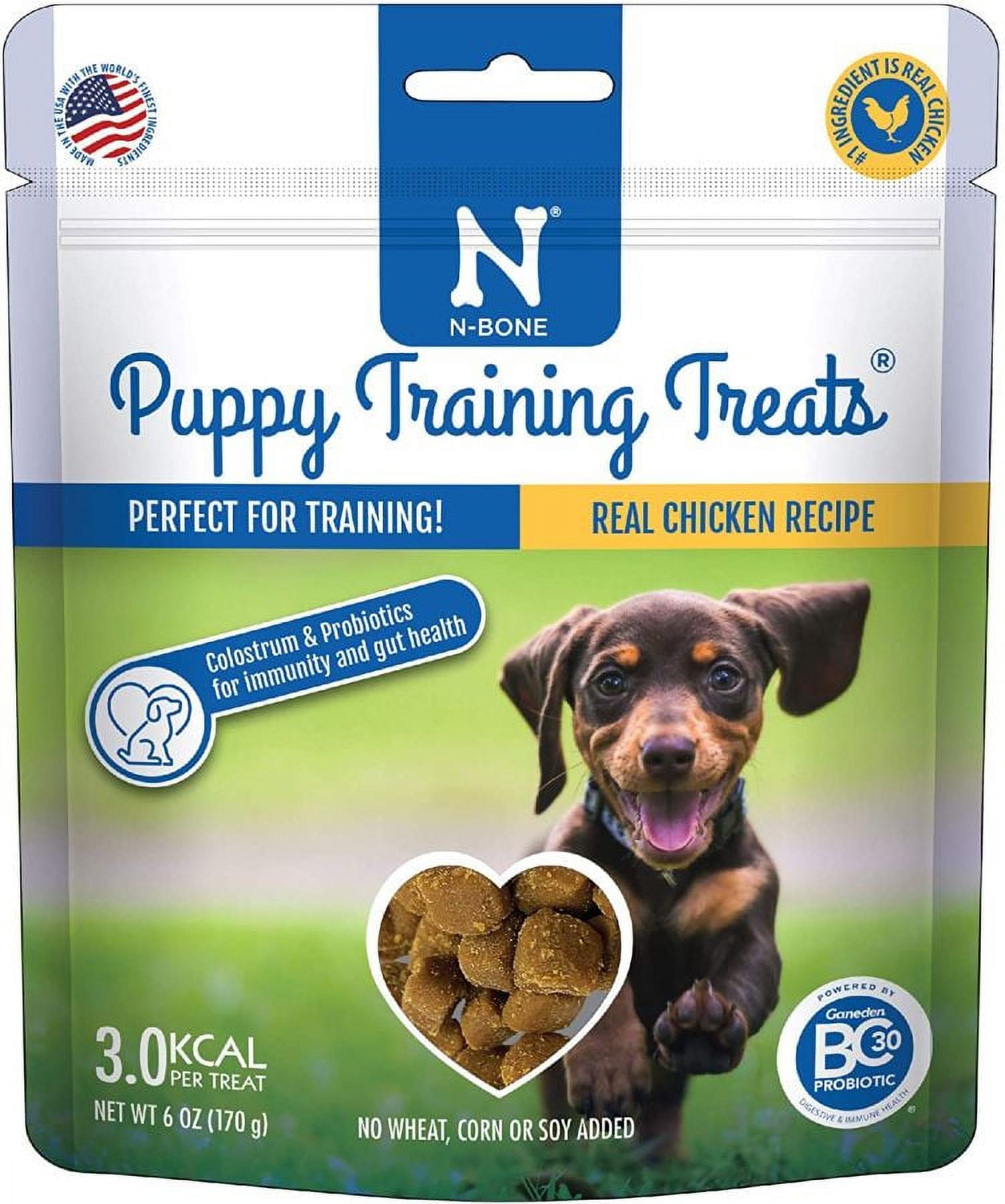


For more expert pet care tips and advice, check out our dedicated Dog Health guides to keep your companions healthy and happy.


