

Introduction
Maintaining an ideal body weight is paramount for a dog’s overall health and longevity. The term “healthy weight dog food” refers to specially formulated diets designed to help dogs achieve and sustain their optimal weight. This is not solely about addressing obesity; it also encompasses ensuring dogs do not become underweight, though the primary focus often leans towards weight management for overweight pets. Understanding the role of such specialized nutrition is crucial for dog owners, as a dog’s weight significantly impacts its mobility, energy levels, predisposition to various diseases, and even behavioral patterns. When dogs consume more calories than they expend, or when their diet lacks appropriate nutritional balance, weight issues commonly arise. Incorporating the correct healthy weight dog food into a dog’s routine can dramatically improve its physical well-being, mitigate health risks, and contribute to a more active, fulfilling life.
💡 Pet Care Key Takeaways:
- Core Focus: Practical health, nutrition, and wellness guidelines for Healthy Weight Dog Food.
- Target Scope: Pet owners, animal caregivers, and veterinary support staff.
- Best Recommendation: Maintain consistent daily routines and consult an accredited veterinarian before introducing major diet or medical changes.
Common Causes and Key Factors
Several interconnected factors contribute to a dog’s weight status, making the choice of healthy weight dog food an important consideration. A primary cause of unhealthy weight, particularly overweight and obesity, is an imbalance between caloric intake and energy expenditure. Dogs consuming high-calorie diets without sufficient physical activity are prone to weight gain. For more related activities, check out our Signs Of A Deaf Dog Behavior Problems And Solutions.
Biological predispositions also play a significant role. Certain breeds, such as Labradors, Beagles, and Golden Retrievers, have a genetic tendency towards weight gain. Age can also be a factor, with older dogs often having slower metabolisms and reduced activity levels, requiring fewer calories. Neutering or spaying can affect a dog’s metabolism, leading to a need for fewer calories and an increased risk of weight gain if dietary adjustments are not made.
Environmental and lifestyle factors are equally important. A sedentary lifestyle, where opportunities for exercise are limited, directly contributes to weight problems. Furthermore, inconsistent portion control, allowing unrestricted access to food, and frequent feeding of high-calorie treats or human food scraps can all undermine a dog’s ability to maintain a healthy weight. The quality and caloric density of regular dog food, if not matched to a dog’s activity level and physiological needs, can be a major underlying reason for weight fluctuations.
Signs and Symptoms to Observe
Recognizing the signs of an unhealthy weight is essential for timely intervention. For dogs that are overweight, observable indicators include difficulty feeling the ribs without pressing firmly, the absence of a discernible waist when viewed from above, and a sagging or distended abdomen. Overweight dogs may exhibit reduced energy levels, reluctance to exercise, labored breathing, and difficulty performing everyday activities such as jumping or climbing stairs. The accumulation of fat can also be noticeable around the base of the tail and along the spine.
Conversely, signs of a dog being underweight involve ribs, spine, and hip bones being easily visible or sharply felt without much pressure. The absence of an adequate fat layer can lead to a bony appearance, and muscle wasting may be apparent. Underweight dogs often appear lethargic, may have a dull coat, and can struggle with maintaining body temperature.
These signs can vary significantly depending on a dog’s breed, age, and individual body composition. For instance, a sighthound breed naturally has a leaner physique compared to a bulldog. Regular body condition scoring, which involves both visual assessment and gentle palpation, is a more accurate method than simply relying on scale weight, as it accounts for these breed differences. Consistent observation of a dog’s energy, movement, and overall physical condition provides valuable insights into its weight status.
Practical Solutions and Management Strategies
Implementing practical solutions for achieving and maintaining a healthy weight often centers around diet and exercise, with healthy weight dog food being a cornerstone. The first step involves selecting a healthy weight dog food specifically formulated to support weight management. These foods typically feature reduced calorie content, increased fiber to promote satiety, and a balanced profile of essential nutrients to ensure overall health during calorie restriction.
Precise portion control is critical. Following the feeding guidelines on the chosen healthy weight dog food package is important, but these often serve as a starting point. Adjustments should be made based on a dog’s individual metabolism, activity level, and actual weight loss or gain. Using a kitchen scale to measure food accurately is far more precise than relying on cups or scoops, which can vary significantly. Dividing the daily food allowance into two or more smaller meals can also aid digestion and metabolism.
Limiting treats and avoiding human food scraps are vital components of a weight management plan. If treats are given, they should be low-calorie options specifically designed for dogs, and their caloric contribution must be factored into the daily intake. Engaging in regular, appropriate physical activity is equally important. This includes daily walks, play sessions, and other forms of exercise tailored to a dog’s breed, age, and physical condition. Gradual increases in duration and intensity are recommended to prevent injury.
Regular monitoring of a dog’s weight and body condition score helps track progress and allows for timely adjustments to the diet or exercise regimen. Consistency in feeding schedules, food choices, and activity levels is key to long-term success in weight management.
When Professional Help May Be Needed
While many dogs can achieve a healthy weight through diligent owner-led management, there are specific circumstances where veterinary consultation becomes indispensable. If a dog experiences sudden, unexplained weight loss or gain, a veterinary visit is crucial to rule out underlying medical conditions such as thyroid disorders, diabetes, Cushing’s disease, or dental issues that can impact appetite and metabolism.
Furthermore, if a dog’s weight management efforts through diet changes and increased exercise are not yielding desired results, or if there is persistent difficulty in maintaining a healthy weight, professional guidance is highly recommended. A veterinarian can provide a thorough physical examination, conduct diagnostic tests, and offer tailored recommendations for specific healthy weight dog food options, portion sizes, and exercise routines.
For dogs with significant obesity or those with concurrent health issues exacerbated by weight, a veterinarian can develop a medically supervised weight loss program. This might include prescription diets designed for extreme weight loss, regular check-ins, and ongoing support to ensure the dog’s health and safety throughout the process. Seeking professional advice ensures that any weight management plan is safe, effective, and addresses the individual needs of the dog.
Conclusion
Achieving and maintaining a healthy weight is fundamental to a dog’s longevity and quality of life. The strategic use of healthy weight dog food, coupled with consistent portion control and regular physical activity, forms the bedrock of effective weight management. Dog owners play a pivotal role in recognizing the subtle signs of unhealthy weight and implementing appropriate dietary and lifestyle adjustments. Continuous awareness, diligent observation, and a commitment to consistent care are paramount for preventing and addressing weight-related health challenges. When in doubt or facing persistent issues, the guidance of a veterinary professional is invaluable. By prioritizing a dog’s nutritional needs and promoting an active lifestyle, dog owners can ensure their companions thrive, leading happier, healthier lives for many years to come.
Pet Care & Wellness Overview Table
| Life Stage | Daily Activity Level | Key Nutrition / Care Focus |
|---|---|---|
| Puppy / Kitten | High (frequent short bursts) | High-protein growth diet & early socialization |
| Adult Companion | Moderate (30–60 mins daily) | Balanced maintenance nutrition & dental hygiene |
| Senior Pets | Low to Gentle (mindful walks) | Joint support (Glucosamine) & routine vet checks |
Images References



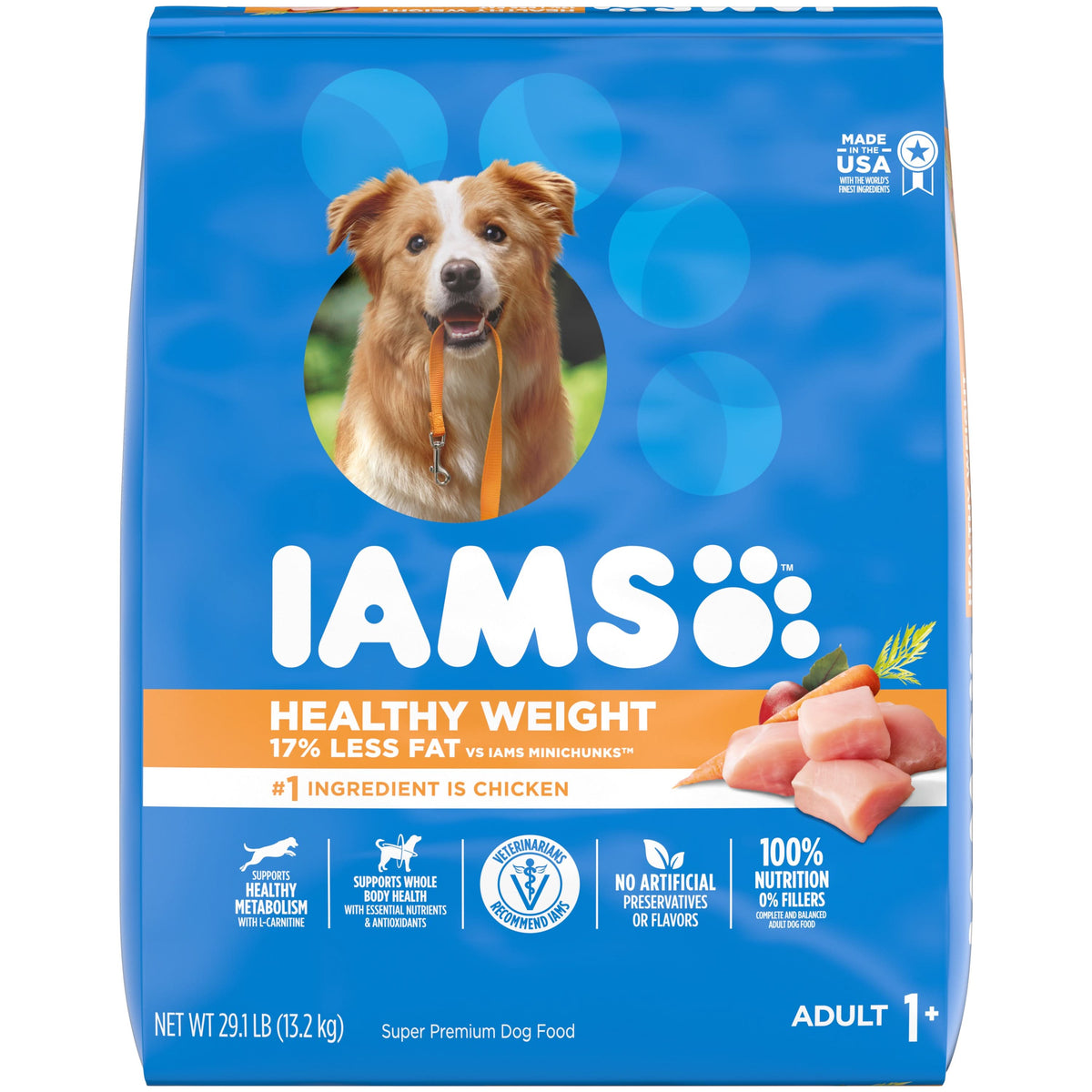


For more expert pet care tips and advice, check out our dedicated Dog Health guides to keep your companions healthy and happy.


