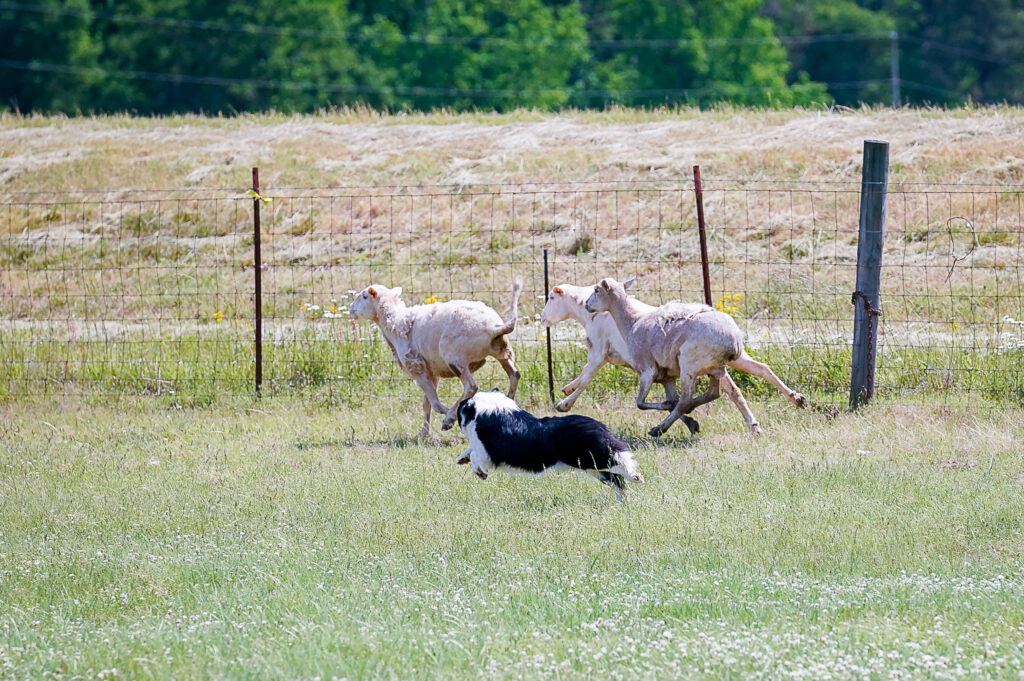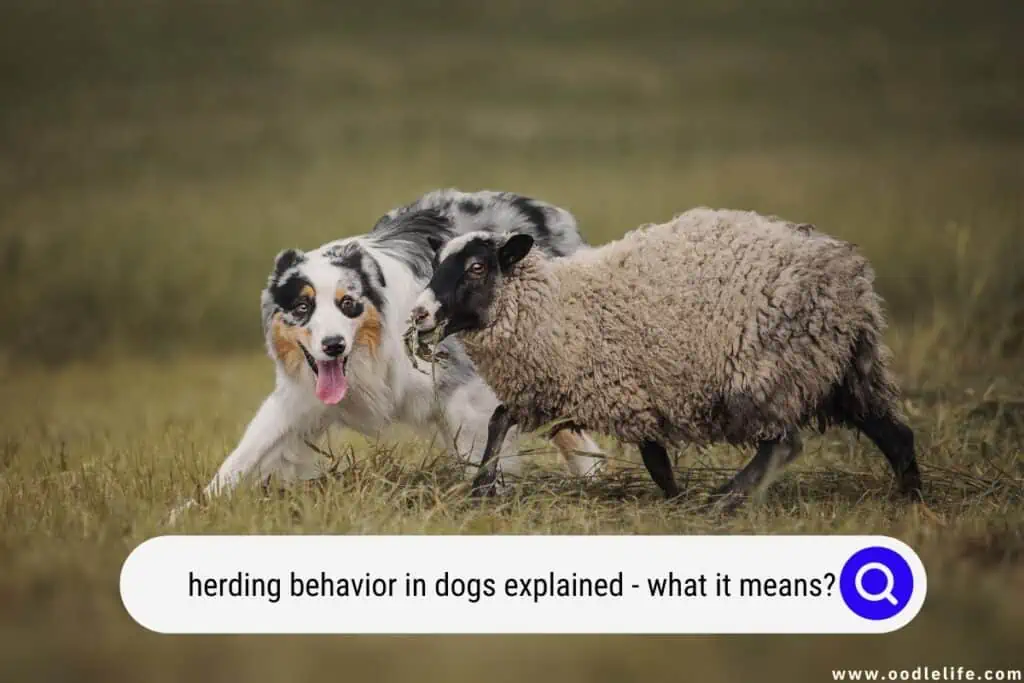
Understanding why urban and suburban environments challenge natural instincts in working canines.
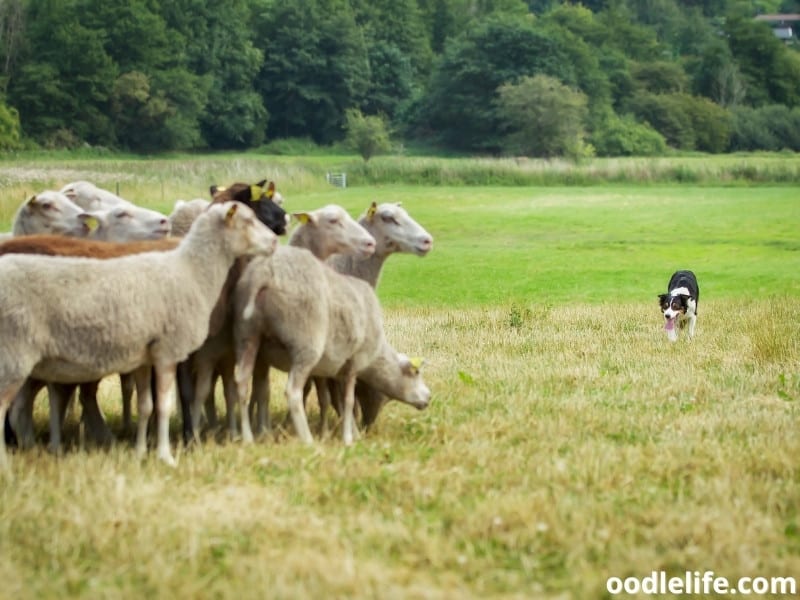
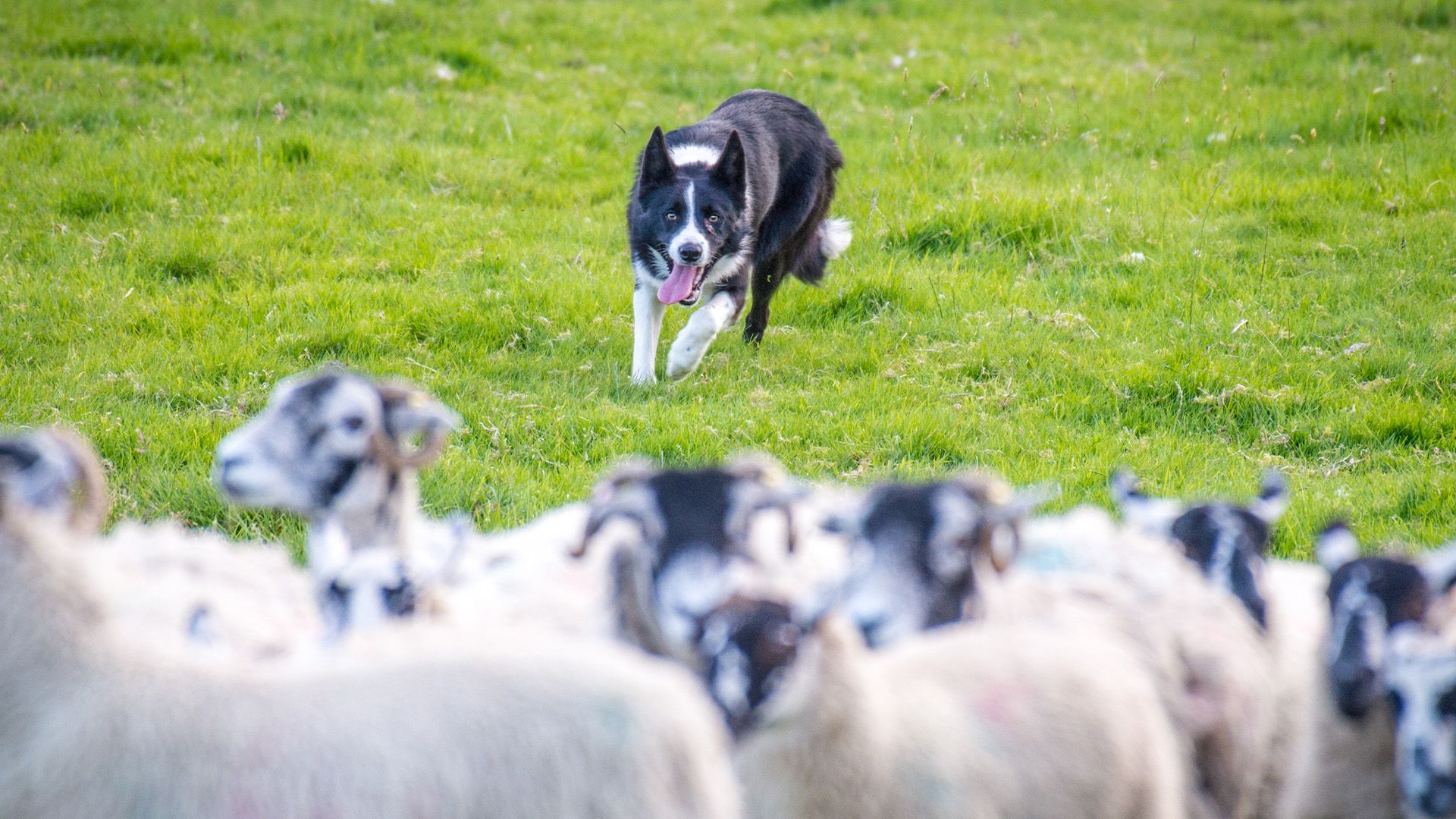
According to the American Kennel Club, herding breeds possess deeply ingrained genetic drives that compel them to control movement through focused eye contact, posture, and nipping. When these intelligent canines live in modern homes without livestock, those ancient instincts do not simply disappear. Instead, the working drive seeks alternative outlets. Observers in clinical practice frequently watch a Border Collie or Australian Shepherd fixate intensely on moving shadows, bicycles, or children running across a living room. Recognizing these distinct actions as misplaced genetic programming rather than simple disobedience is the first step toward living harmoniously with a specialized working dog in a non-farm setting.
💡 Pet Care Key Takeaways:
- Core Focus: Practical health, nutrition, and wellness guidelines for Hearding Dog Behaviours When They Can Not Heard Animals.
- Target Scope: Pet owners, animal caregivers, and veterinary support staff.
- Best Recommendation: Maintain consistent daily routines and consult an accredited veterinarian before introducing major diet or medical changes.
Herding dog behaviours when they can not heard animals manifest as persistent tracking, circling, and ankle-nipping around the home.
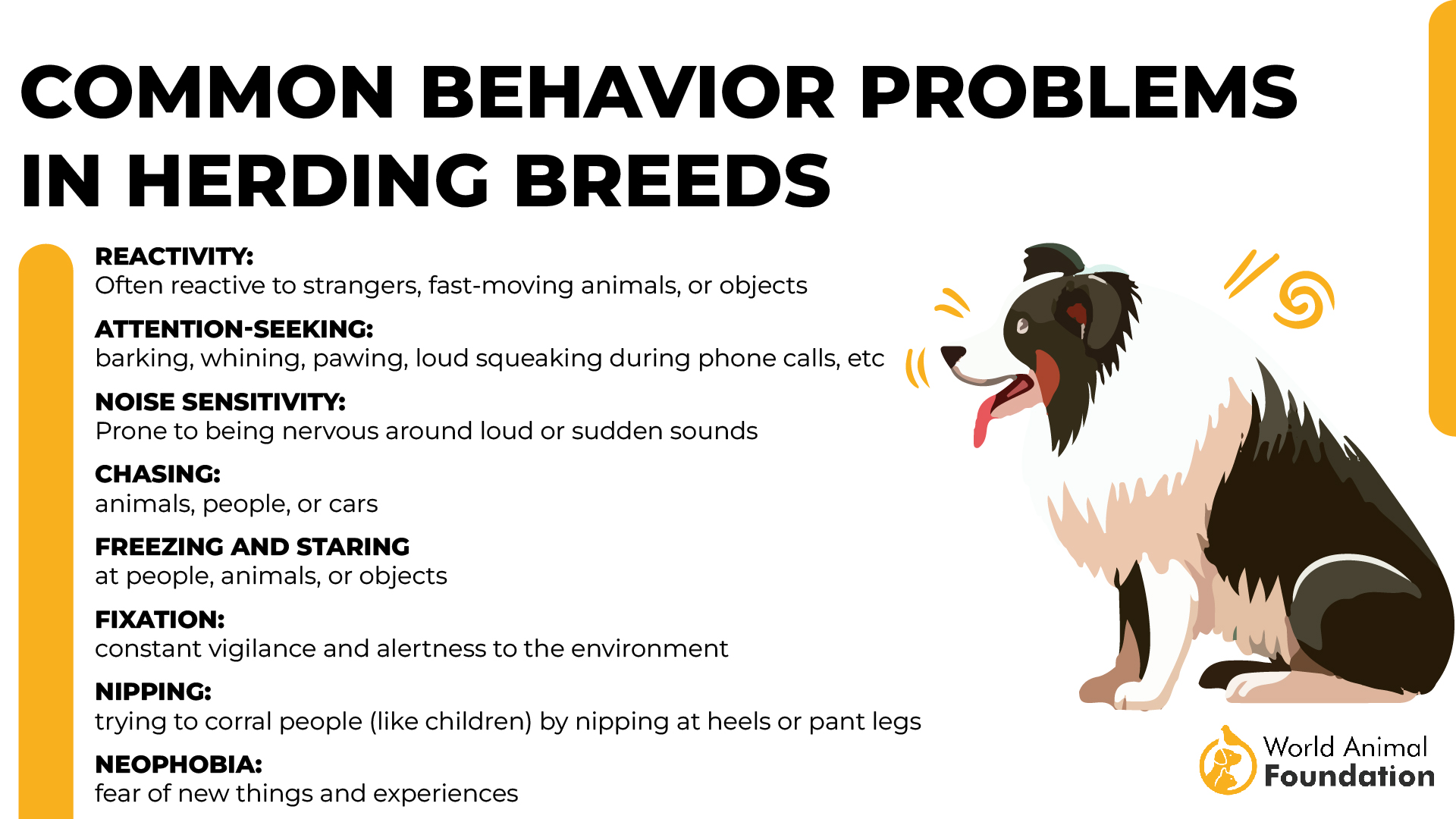
Displaced herding manifests when a dog treats family members, visiting guests, or household cats like stray livestock that need rounding up. Technical terms like “heeling” and “driving” describe specific livestock management phases, but in a domestic environment, these same drives transform into shadowing footsteps, blocking doorways, and light nipping at heels. A canine professional evaluates these patterns by assessing the trigger and the dog’s internal state during the sequence. Without actual sheep or cattle to manage, the animal’s nervous system remains on high alert, channeling endless energy into patrolling perimeters and monitoring every household movement.
Unmanaged genetic urges can lead to chronic psychological stress and safety hazards within domestic spaces.
Suppressed working drives frequently translate into compulsive disorders, destructive chewing, and accidental injuries to fragile family members. When a powerful dog attempts to herd a running toddler, the resulting collision or heel-nip can cause distress or physical harm, creating tension between the animal and the household. Furthermore, chronic mental frustration triggers stress hormones like cortisol, keeping the dog in a perpetual state of hyper-vigilance that impacts long-term Dog Health.
Working canines lacking mental stimulation show significantly higher rates of displacement behaviors, such as tail-chasing and obsessive pacing, compared to companion breeds. — American Kennel Club
Redirecting these powerful instincts requires structured outlets, mental enrichment, and clear boundary training.
Proactive management involves channeling that intense focus into appropriate games like fetch, obedience trials, or organized dog sports such as agility and treibball. Owners successfully modify these habits by teaching a reliable “leave it” cue and providing structured tasks that satisfy the canine desire to work cooperatively. Rather than punishing the animal for a natural reflex, introducing positive reinforcement protocols helps lower arousal levels and teaches the dog to remain calm in high-motion environments.
A frequent error in behavior modification involves yelling or using physical corrections, which only escalates the dog’s adrenaline and exacerbates herding fixations. Another pitfall is offering endless physical exercise without balancing it with cognitive challenges, leaving the body exhausted while the brain remains intensely wired. Maintaining predictable routines helps ground anxious dogs, allowing them to relax rather than feeling compelled to patrol every hallway.
Positive reinforcement methods successfully reduce problematic working drives by lowering baseline arousal and encouraging alternative responses to movement. — Association of Professional Dog Trainers
Breed-specific traits and individual temperaments heavily influence how intensely these working habits appear.
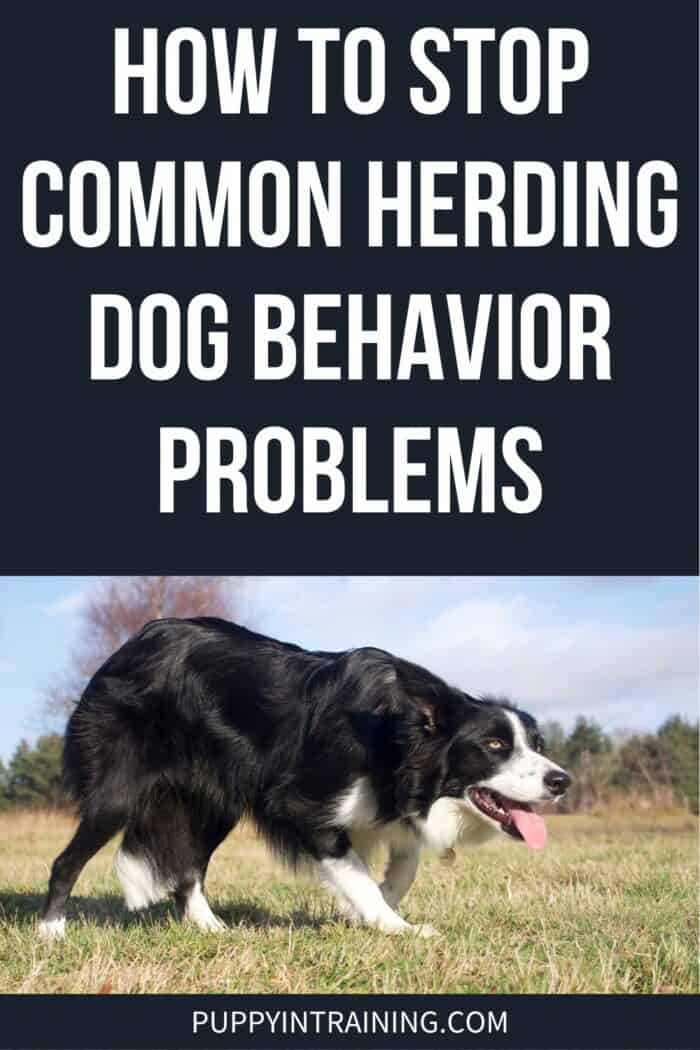
Different pastoral varieties exhibit distinct styles; heelers tend to nip at lower extremities, while collies rely on a hypnotic staring posture known as “eye.” Exploring various Dog Breeds reveals that puppies from working lines demand vastly different management strategies than companion-bred counterparts. Age and maturity also play pivotal roles, as adolescent dogs often experience a temporary surge in reactivity and instinctual drive.
Consulting a certified professional ensures that complex behavioral patterns receive safe and accurate evaluation.
Severe cases involving obsessive stalking, redirected aggression, or unmanageable household policing require the guidance of a certified applied animal behaviorist or a qualified veterinarian. Professional intervention ensures that underlying medical discomfort is ruled out before implementing a customized Dog Training plan. Seeking expert help early prevents ingrained habits from hardening into permanent fixtures of the dog’s daily routine.
Supporting a balanced lifestyle for working dogs ensures lifelong harmony and well-being at home.
Understanding the complex world of working canines enriches the bond between human companions and their four-legged family members. By exploring resources dedicated to Dog Behavior and general Dog Care on PetsAnimalsWorld.com, owners discover effective ways to honor their pet’s heritage safely. Embracing these natural instincts with empathy transforms potential household stress into a rewarding partnership built on mutual respect and understanding.
Pet Care & Wellness Overview Table
| Life Stage | Daily Activity Level | Key Nutrition / Care Focus |
|---|---|---|
| Puppy / Kitten | High (frequent short bursts) | High-protein growth diet & early socialization |
| Adult Companion | Moderate (30–60 mins daily) | Balanced maintenance nutrition & dental hygiene |
| Senior Pets | Low to Gentle (mindful walks) | Joint support (Glucosamine) & routine vet checks |
Images References