

Introduction
The well-being of canine companions often hinges on foundational elements of care, with nutrition standing as a paramount factor. For many dog owners, the concept of “heart healthy dog food” emerges as a critical consideration, especially as dogs age or when specific breed predispositions come into focus. This term refers to specialized diets formulated to support optimal cardiovascular function, either as a preventative measure or as a supportive component in managing existing heart conditions. Understanding the principles behind heart healthy dog food allows owners to make informed choices that can significantly impact a dog’s longevity, vitality, and overall quality of life. This article explores the intricacies of canine heart health and the dietary strategies that can help maintain a strong, healthy heart.
💡 Pet Care Key Takeaways:
- Core Focus: Practical health, nutrition, and wellness guidelines for Heart Healthy Dog Food.
- Target Scope: Pet owners, animal caregivers, and veterinary support staff.
- Best Recommendation: Maintain consistent daily routines and consult an accredited veterinarian before introducing major diet or medical changes.
Common Causes and Key Factors
Canine heart disease, much like in humans, can be influenced by a complex interplay of factors. Dietary choices play a significant role, both positively and negatively. Nutritional deficiencies, such as inadequate levels of taurine or L-carnitine, have been linked to certain forms of dilated cardiomyopathy (DCM) in some breeds. Conversely, diets high in sodium can exacerbate existing heart conditions by contributing to fluid retention and increased blood pressure, placing additional strain on the heart. For more related activities, check out our Can Apoquel Cause Aggression In Dogs.
Beyond nutrition, several other factors contribute to cardiac health concerns. Genetic predisposition is a primary determinant, with breeds like Doberman Pinschers, Boxers, Golden Retrievers, Cavalier King Charles Spaniels, and Great Danes having a higher incidence of specific heart diseases. Age is another crucial factor, as the heart naturally experiences wear and tear over a dog’s lifespan, making older dogs more susceptible to conditions such as valvular disease. Obesity puts immense strain on a dog’s entire system, including the cardiovascular system, increasing the risk of heart failure. Furthermore, other underlying health conditions, such as kidney disease or hypertension, can indirectly impact heart health, necessitating a holistic approach to care.
Signs and Symptoms to Observe
Recognizing the early signs of potential heart issues is vital for timely intervention. While heart healthy dog food supports cardiovascular function, it is important to be aware of indicators that might suggest a dog’s heart health is compromised. A persistent cough, particularly one that worsens at night or after exercise, can be a red flag. Difficulty breathing, characterized by rapid or labored breaths even at rest, is another serious symptom.
Dogs experiencing heart problems may also exhibit reduced exercise tolerance, showing lethargy or unwillingness to engage in activities they once enjoyed. Fainting or collapsing spells, though less common, are urgent symptoms that demand immediate veterinary attention. Swelling of the abdomen, known as ascites, can indicate fluid buildup due to advanced heart failure. Other subtle signs include unexplained weight loss or poor muscle condition despite adequate food intake, or a decrease in appetite. These symptoms can vary in intensity and progression based on the specific heart condition, the dog’s age, and its overall health.
Practical Solutions and Management Strategies
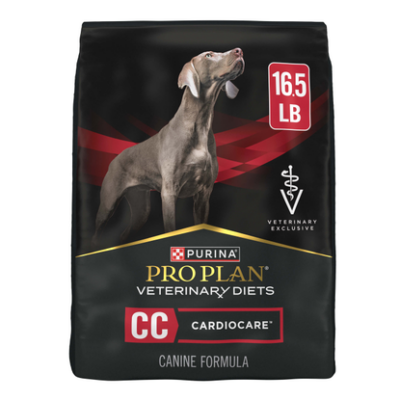
Implementing a heart healthy dog food regimen is a cornerstone of managing and preventing canine cardiac issues. For dogs with diagnosed heart conditions, veterinarians often prescribe specific therapeutic diets formulated with precise levels of sodium, protein, and fat, along with beneficial nutrients. For healthy dogs or those at risk, selecting a commercial diet with appropriate ingredients is key.
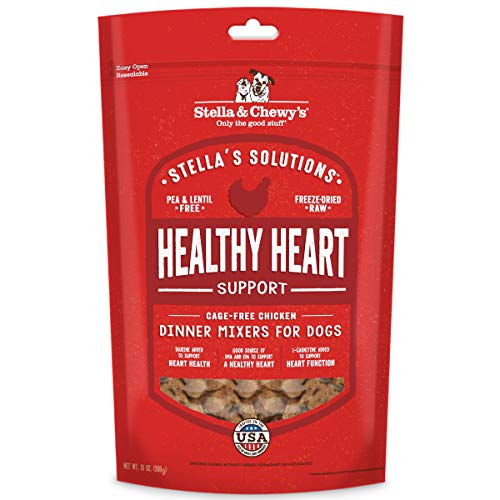
When evaluating heart healthy dog food, look for formulations that emphasize moderate, high-quality protein to support muscle mass without overworking the kidneys. Controlled sodium levels are crucial to prevent fluid retention and reduce cardiac workload. Diets enriched with omega-3 fatty acids, particularly EPA and DHA, derived from fish oil, are highly beneficial for their anti-inflammatory properties and ability to support heart function. Taurine and L-carnitine are amino acids that play critical roles in heart muscle function and are often supplemented, especially in breeds prone to DCM or in grain-free diets where their levels may be lower.
Beyond the food itself, portion control is essential to maintain an ideal body weight, thereby alleviating strain on the heart. Regular, moderate exercise, tailored to the dog’s age and health status, promotes cardiovascular fitness. Consistent access to fresh water is also important for overall hydration and organ function. Monitoring a dog’s weight, energy levels, and breathing patterns at home provides valuable insights into the effectiveness of dietary and lifestyle adjustments.
When Professional Help May Be Needed
While diligent observation and appropriate dietary choices are invaluable, there are definitive circumstances where professional veterinary intervention becomes necessary. Any observation of the signs and symptoms discussed previously such as persistent coughing, labored breathing, lethargy, or fainting warrants an immediate consultation with a veterinarian. These symptoms can indicate serious underlying cardiac conditions that require professional diagnosis and management.
Moreover, before making significant dietary changes, especially for a dog with a known heart condition or those predisposed to heart disease, veterinary guidance is crucial. A veterinarian can recommend appropriate diagnostic tests, such as echocardiograms, X-rays, or blood work, to accurately assess cardiac health. Based on these findings, a tailored nutritional plan, which may include prescription heart healthy dog food or specific supplements, can be developed. Regular veterinary check-ups are also highly recommended for at-risk breeds and older dogs to monitor heart health proactively and intervene early if issues arise.
Conclusion
The journey to ensuring a dog’s robust health is a multifaceted endeavor, and the role of heart healthy dog food cannot be overstated. By understanding the dietary components that nurture cardiovascular strength, dog owners can proactively safeguard their companions against potential heart conditions and provide essential support for those already facing challenges. Vigilance in observing behavioral and physical changes, combined with a commitment to appropriate nutrition and lifestyle, forms the cornerstone of comprehensive care. Partnering with veterinary professionals ensures that any cardiac concerns are addressed with expert guidance, leading to informed decisions about diet and overall health management. Embracing this holistic approach empowers dog owners to provide a life of vitality and well-being for their cherished canine friends.
Pet Care & Wellness Overview Table
| Life Stage | Daily Activity Level | Key Nutrition / Care Focus |
|---|---|---|
| Puppy / Kitten | High (frequent short bursts) | High-protein growth diet & early socialization |
| Adult Companion | Moderate (30–60 mins daily) | Balanced maintenance nutrition & dental hygiene |
| Senior Pets | Low to Gentle (mindful walks) | Joint support (Glucosamine) & routine vet checks |
Images References





For more expert pet care tips and advice, check out our dedicated Dog Health guides to keep your companions healthy and happy.


