

Introduction
The well-being of canine companions is a priority for dog owners worldwide, and understanding various aspects of their health is paramount. Among the many considerations for optimal pet care, supporting cardiovascular health stands out as particularly vital. Heart supplements for dogs represent a category of nutritional support designed to bolster the function and health of the canine heart. This topic is especially relevant for owners of aging dogs, breeds genetically predisposed to cardiac conditions, or canines already diagnosed with certain heart issues. Exploring the role of these supplements can offer insights into proactive health management, potentially enhancing a dog’s vitality, comfort, and overall quality of life by addressing specific nutritional needs related to cardiac function.
💡 Pet Care Key Takeaways:
- Core Focus: Practical health, nutrition, and wellness guidelines for Heart Supplements For Dogs.
- Target Scope: Pet owners, animal caregivers, and veterinary support staff.
- Best Recommendation: Maintain consistent daily routines and consult an accredited veterinarian before introducing major diet or medical changes.
Common Causes and Key Factors
The necessity for heart supplements for dogs often stems from underlying factors that can impact canine cardiac health. Several elements contribute to the development or progression of heart conditions in dogs, for which supplementary nutritional support may be considered. For more related activities, check out our Sick Pug At Veterinarian.
One of the most significant factors is age. As dogs mature, their organ systems, including the heart, can experience wear and tear, leading to age-related degeneration. This natural progression often necessitates additional support to maintain cardiac efficiency.
Breed predisposition plays a crucial role. Many breeds are genetically inclined to develop specific heart diseases. For instance, Cavalier King Charles Spaniels are notoriously susceptible to Mitral Valve Disease (MVD), while Doberman Pinschers and Golden Retrievers have a higher prevalence of Dilated Cardiomyopathy (DCM). Genetic factors inherited from parents can significantly increase a dog’s risk.
While not a direct cause, diet and nutrition contribute to overall health, including cardiovascular wellness. Deficiencies in specific nutrients, or an imbalanced diet, can indirectly strain the heart. Conversely, a diet rich in heart-healthy components can support function, making supplements a targeted approach to bridge nutritional gaps.
Other factors, such as obesity and a sedentary lifestyle, can put additional strain on the heart, exacerbating existing conditions or contributing to their development. Addressing these lifestyle elements alongside potential supplementary intervention forms a comprehensive approach to cardiac care.
Signs and Symptoms to Observe
Recognizing the signs of potential heart issues is critical for dog owners, as these observations can prompt veterinary consultation and guide discussions about supportive care, including heart supplements for dogs. While supplements do not treat symptoms directly, they are often considered as part of a broader management plan once signs appear or a diagnosis is made.
One of the most common indicators is a persistent cough, especially one that worsens at night, after exercise, or when resting. This cough may sound soft or harsh and can sometimes be mistaken for a respiratory issue.
Reduced exercise tolerance or a decrease in stamina is another significant sign. A dog that previously enjoyed long walks or vigorous play but now tires easily, lags behind, or avoids activity altogether could be experiencing cardiac stress.
Difficulty breathing (dyspnea) or rapid breathing (tachypnea) even at rest should always warrant immediate attention. The dog may appear to be struggling to inhale or exhale, or its breathing rate might be noticeably elevated without exertion.
Lethargy, weakness, or unexplained fatigue can also point to heart problems. A dog might sleep more, show less interest in interactions, or simply seem generally unwell. In more severe cases, fainting or collapse (syncope) can occur due to insufficient blood flow to the brain.
Other signs include changes in appetite (loss of interest in food), weight loss, or, conversely, a distended abdomen (ascites) which can indicate fluid buildup associated with heart failure. The appearance of these symptoms can vary in intensity and frequency depending on the specific heart condition, its progression, and the individual dog’s age and breed.
Practical Solutions and Management Strategies
Managing canine cardiac health often involves a multi-faceted approach, with heart supplements for dogs playing a supportive role alongside veterinary-prescribed treatments and lifestyle adjustments. Understanding the practical application of these supplements involves knowing their common ingredients and how they contribute to heart function.
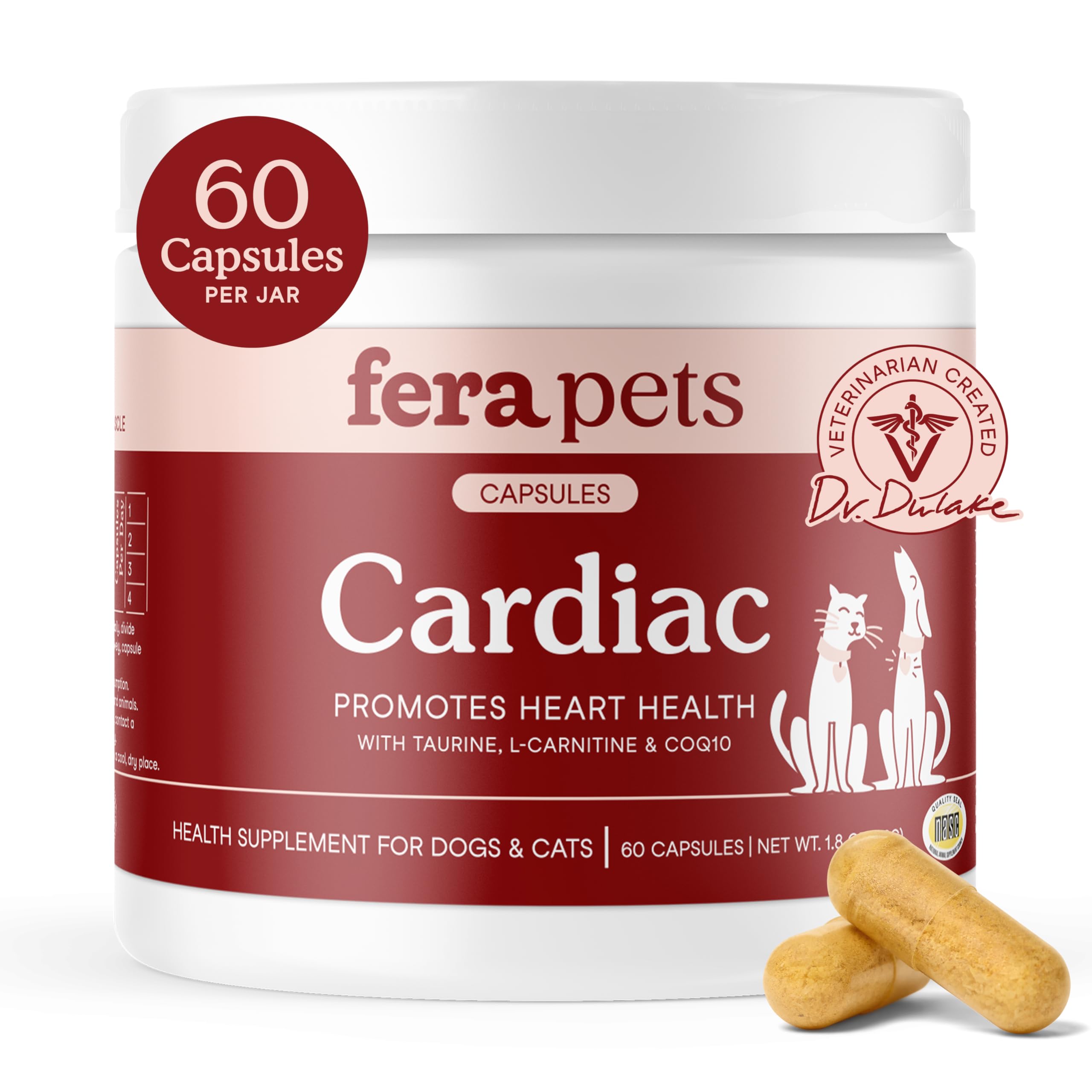
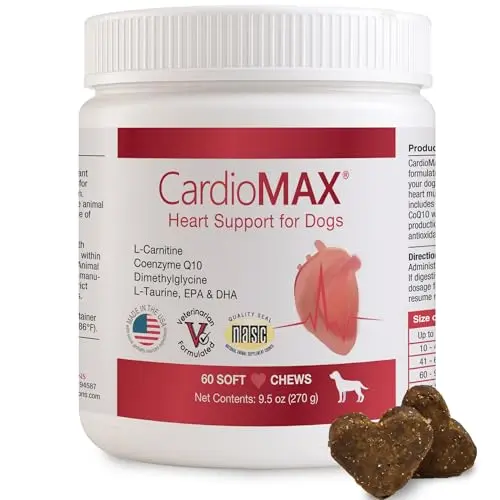
Key ingredients often found in canine heart supplements include:
- Omega-3 Fatty Acids (EPA & DHA): These are known for their anti-inflammatory properties, ability to support heart rhythm, and potential to reduce blood pressure. They are crucial for cellular health throughout the body, including the cardiovascular system.
- Coenzyme Q10 (CoQ10): An antioxidant that plays a vital role in cellular energy production, particularly in the heart muscle which requires a high amount of energy to function continuously.
- L-Carnitine: An amino acid derivative essential for transporting fatty acids into the mitochondria, where they are converted into energy. It is especially important for the efficient energy metabolism of heart muscle cells.
- Taurine: Another amino acid critical for healthy heart muscle function. Deficiencies have been linked to dilated cardiomyopathy in some breeds, particularly Golden Retrievers and Cocker Spaniels.
- Antioxidants (e.g., Vitamin E, Vitamin C, Selenium): These compounds help protect heart cells from oxidative damage caused by free radicals, supporting overall cardiac health.
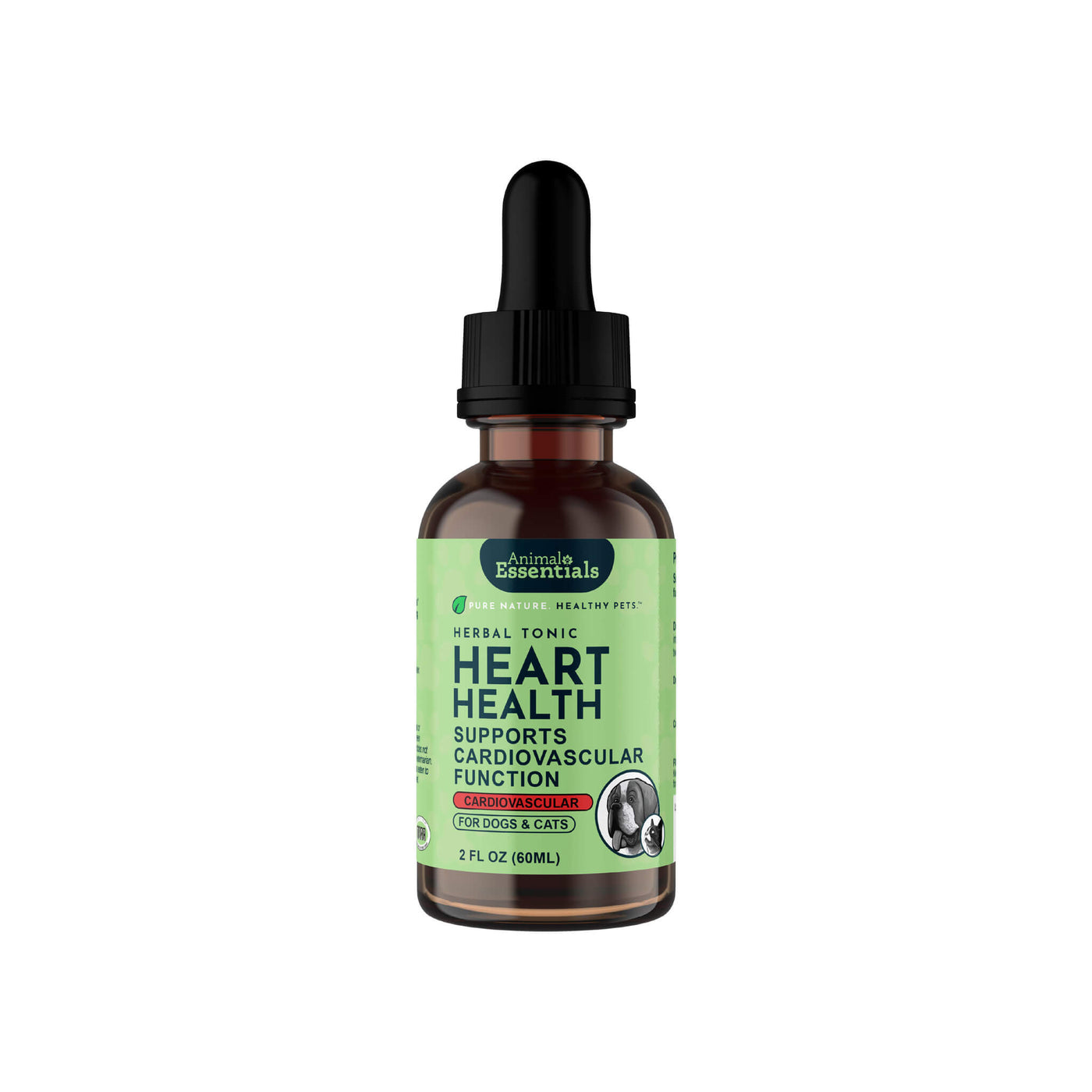
- Hawthorn: A traditional herbal remedy often included for its purported ability to improve heart muscle contraction and blood flow.
Beyond supplements, dietary considerations are paramount. A high-quality diet appropriate for the dog’s age, breed, and activity level is foundational. For dogs with specific heart conditions, a veterinarian might recommend a prescription cardiac diet formulated to manage sodium levels and provide optimal nutrient ratios. Maintaining a healthy weight through balanced nutrition and appropriate, moderate exercise is also crucial, as obesity places extra strain on the heart.
The administration of supplements can be varied, with options including palatable chews, powders that can be mixed with food, or liquid forms. Consistency in administration, as directed by a veterinary professional, is key to observing any potential benefits.
When Professional Help May Be Needed
While heart supplements for dogs can provide valuable supportive care, they are not a substitute for professional veterinary diagnosis and treatment. Recognizing when a veterinarian’s expertise is required is paramount for a dog’s health and well-being.
Any observable signs of cardiac distress, such as those described previously (persistent coughing, difficulty breathing, lethargy, fainting episodes, or significant changes in exercise tolerance), warrant an immediate consultation with a veterinarian. These symptoms could indicate an underlying heart condition that requires medical intervention.
Furthermore, a professional diagnosis is crucial before initiating any heart supplement regimen. A veterinarian can accurately assess the dog’s specific condition, rule out other health issues, and recommend appropriate supplements based on the individual dog’s needs, breed predispositions, and current medications. Self-prescribing supplements can be ineffective, potentially harmful, or could interact negatively with other treatments.
Regular veterinary check-ups, especially for older dogs or breeds prone to heart conditions, are essential for early detection and ongoing monitoring. During these visits, the veterinarian can perform cardiac examinations, recommend diagnostic tests such as X-rays, echocardiograms, or ECGs, and adjust treatment plans as needed. If a complex or advanced cardiac condition is diagnosed, a referral to a veterinary cardiologist may be appropriate for specialized care.
Conclusion
Understanding heart supplements for dogs is an important aspect of comprehensive canine care, particularly for owners dedicated to supporting their pet’s long-term health. These supplements, containing ingredients like Omega-3 fatty acids, CoQ10, L-Carnitine, and Taurine, are designed to provide nutritional support for the cardiovascular system, especially in aging dogs or those with a predisposition to heart conditions. While they play a valuable supportive role, it is crucial to remember that heart supplements are not a cure for heart disease. The observation of symptoms such as coughing, lethargy, or reduced exercise tolerance should always prompt immediate veterinary attention. A veterinarian’s guidance is indispensable for accurate diagnosis, determining the appropriateness of specific supplements, and integrating them into a holistic health plan. By combining vigilant observation, proactive care, and professional veterinary partnership, dog owners can significantly contribute to maintaining their canine companion’s cardiac health and enhancing their overall quality of life.
Pet Care & Wellness Overview Table
| Life Stage | Daily Activity Level | Key Nutrition / Care Focus |
|---|---|---|
| Puppy / Kitten | High (frequent short bursts) | High-protein growth diet & early socialization |
| Adult Companion | Moderate (30–60 mins daily) | Balanced maintenance nutrition & dental hygiene |
| Senior Pets | Low to Gentle (mindful walks) | Joint support (Glucosamine) & routine vet checks |
Images References





For more expert pet care tips and advice, check out our dedicated Dog Health guides to keep your companions healthy and happy.


