

Introduction
As dogs gracefully enter their golden years, their nutritional requirements undergo significant changes. While many senior dogs benefit from calorie-restricted diets to manage weight and joint health, there is a specific and crucial need for high calorie dog food for senior dogs in certain circumstances. This specialized nutrition becomes paramount when older canines experience unintended weight loss, muscle wasting, or a diminished appetite, which can compromise their overall health and vitality. Understanding the indications for and benefits of high-calorie options for an aging dog can profoundly improve their well-being, helping to maintain muscle mass, boost energy levels, and support a robust immune system during this critical life stage. Providing appropriate caloric intake ensures senior dogs receive the necessary fuel to thrive, rather than merely subsist.
💡 Pet Care Key Takeaways:
- Core Focus: Practical health, nutrition, and wellness guidelines for High Calorie Dog Food For Senior Dogs.
- Target Scope: Pet owners, animal caregivers, and veterinary support staff.
- Best Recommendation: Maintain consistent daily routines and consult an accredited veterinarian before introducing major diet or medical changes.
Common Causes and Key Factors
Several factors can lead to a senior dog requiring a more calorie-dense diet. One primary cause is the natural process of aging itself, which can lead to a phenomenon known as sarcopenia, or age-related muscle loss. Even with adequate food intake, the body’s ability to maintain muscle mass diminishes, necessitating a higher protein and calorie intake to counteract this decline. For more related activities, check out our Pitbullnutrition.
Dental health issues are another frequent contributor. Pain from gum disease, loose teeth, or missing teeth can make chewing regular kibble uncomfortable or even impossible, leading to reduced food consumption and subsequent weight loss. Similarly, a decreased sense of smell and taste, common in older animals, can make previously appealing foods less enticing, further reducing appetite.
Underlying medical conditions also play a significant role. Diseases such as kidney disease, heart disease, cancer, diabetes, or gastrointestinal disorders can all lead to malabsorption of nutrients, increased metabolic demands, or a general loss of appetite. Arthritis and other mobility issues can also make it difficult for an older dog to reach their food bowl comfortably or compete for food in multi-pet households, inadvertently leading to insufficient intake.
Digestive efficiency can also decline with age, meaning an older dog’s body may not absorb nutrients as effectively as it once did. This reduced absorption, combined with increased caloric needs to support compromised body systems, underscores the importance of highly digestible, nutrient-dense foods.
Signs and Symptoms to Observe
Recognizing the need for a high-calorie diet for a senior dog begins with careful observation of their physical condition and eating habits. The most evident sign is unintended weight loss, where the dog’s ribs, spine, or hip bones become noticeably prominent. Muscle wasting, particularly over the hindquarters, shoulders, and along the spine, is another critical indicator, signaling a loss of lean body mass crucial for mobility and strength.
Changes in appetite are often an early warning. An older dog might become pickier, show less enthusiasm for meals, or outright refuse to eat their usual portions. Slower eating or dropping food from the mouth can point to dental discomfort or difficulty chewing.
Beyond weight and appetite, a noticeable decrease in energy levels, increased lethargy, or prolonged periods of sleep can suggest insufficient caloric intake or underlying health issues. A dull, dry, or sparse coat, often accompanied by excessive shedding, might also indicate nutritional deficiencies or poor nutrient absorption. Changes in stool quality, such as chronic diarrhea or soft stools, could further indicate that the digestive system is not efficiently processing nutrients from their current diet. These signs can vary depending on the dog’s breed, overall health, and the specific underlying cause of weight loss.
Practical Solutions and Management Strategies
Addressing the nutritional needs of a senior dog requiring a high-calorie diet involves a multi-faceted approach, always beginning with a veterinary consultation. A thorough medical examination is crucial to rule out or manage any underlying health conditions contributing to weight loss or poor appetite.
Once medical issues are addressed, transitioning to a high-calorie, nutrient-dense dog food formulated specifically for seniors is often recommended. These diets are typically rich in easily digestible proteins and healthy fats, which provide concentrated energy without requiring a large volume of food. Palatability is key; opting for wet food, adding warm water to kibble, or using veterinary-approved food toppers can make meals more appealing to a dog with a diminished sense of smell or taste. Offering several small meals throughout the day, rather than one or two large ones, can also be beneficial, as it can be less overwhelming for a senior dog’s digestive system and stimulate appetite more frequently.
Ensuring a comfortable and stress-free eating environment is also vital. This might involve using elevated food bowls to alleviate strain on joints, placing food in a quiet, accessible location away from household commotion, or providing fresh water constantly. Regular monitoring of the dog’s weight, appetite, and energy levels should be conducted, potentially with a food diary, to track progress and make necessary adjustments.
Supplements, such as omega-3 fatty acids for their anti-inflammatory benefits and digestive support, or specific probiotics to aid gut health, can be considered but should only be introduced under veterinary guidance. The goal is to provide a balanced, highly digestible diet that supports muscle maintenance, boosts energy, and enhances the overall quality of life for the aging canine.
When Professional Help May Be Needed
While dog owners can implement many practical strategies, there are specific circumstances where professional veterinary intervention is essential. Any instance of sudden or unexplained weight loss, especially if rapid, warrants an immediate veterinary visit. This is crucial even if the dog is still eating, as significant weight loss can be an early indicator of serious underlying health issues that require prompt diagnosis and treatment.
Professional help is also needed when an older dog exhibits persistent lack of appetite or complete refusal of food, particularly if accompanied by other symptoms such as vomiting, diarrhea, lethargy, or behavioral changes. These signs often point to acute illness or worsening chronic conditions that cannot be managed solely through dietary adjustments.
Furthermore, if a dog’s weight loss continues despite the implementation of high-calorie dietary changes and other home care, veterinary re-evaluation is imperative. A veterinarian can help identify if the chosen food is appropriate, whether portion sizes are adequate, or if further diagnostics are required to uncover more complex issues such as malabsorption disorders or advanced disease progression. In some cases, a veterinary nutritionist may be consulted to formulate a highly customized dietary plan tailored to the individual dog’s specific health profile and nutritional needs.
Conclusion
Understanding the importance of high calorie dog food for senior dogs, particularly those experiencing weight loss or muscle wasting, is fundamental to providing optimal care in their later years. The shift in nutritional requirements as dogs age, coupled with potential health challenges, necessitates a proactive and informed approach to their diet. Observing changes in appetite, weight, and energy levels allows for early intervention, ensuring that senior canines receive the concentrated nutrition they need to thrive. Partnering with a veterinarian is critical for accurate diagnosis and the development of an effective feeding strategy. By prioritizing nutrient-dense, palatable, and easily digestible foods, along with supportive environmental changes, dog owners can significantly enhance their senior companion’s quality of life, maintaining their strength, vitality, and comfort throughout their golden years. Consistent care and attentiveness to these evolving needs are cornerstones of responsible senior dog ownership.
Pet Care & Wellness Overview Table
| Life Stage | Daily Activity Level | Key Nutrition / Care Focus |
|---|---|---|
| Puppy / Kitten | High (frequent short bursts) | High-protein growth diet & early socialization |
| Adult Companion | Moderate (30–60 mins daily) | Balanced maintenance nutrition & dental hygiene |
| Senior Pets | Low to Gentle (mindful walks) | Joint support (Glucosamine) & routine vet checks |
Images References
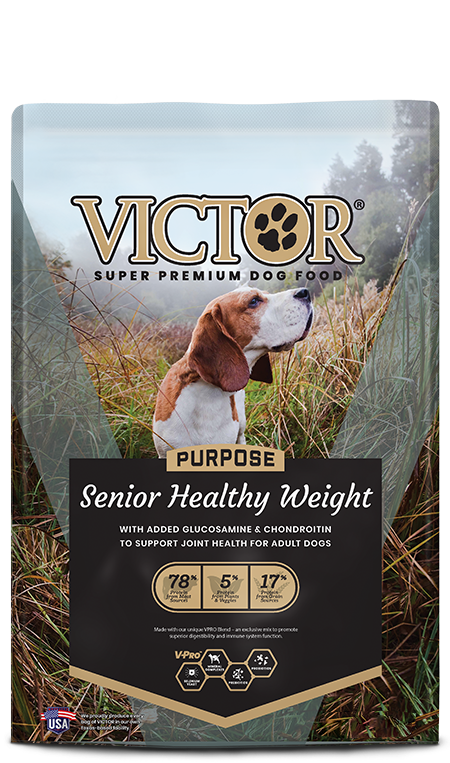


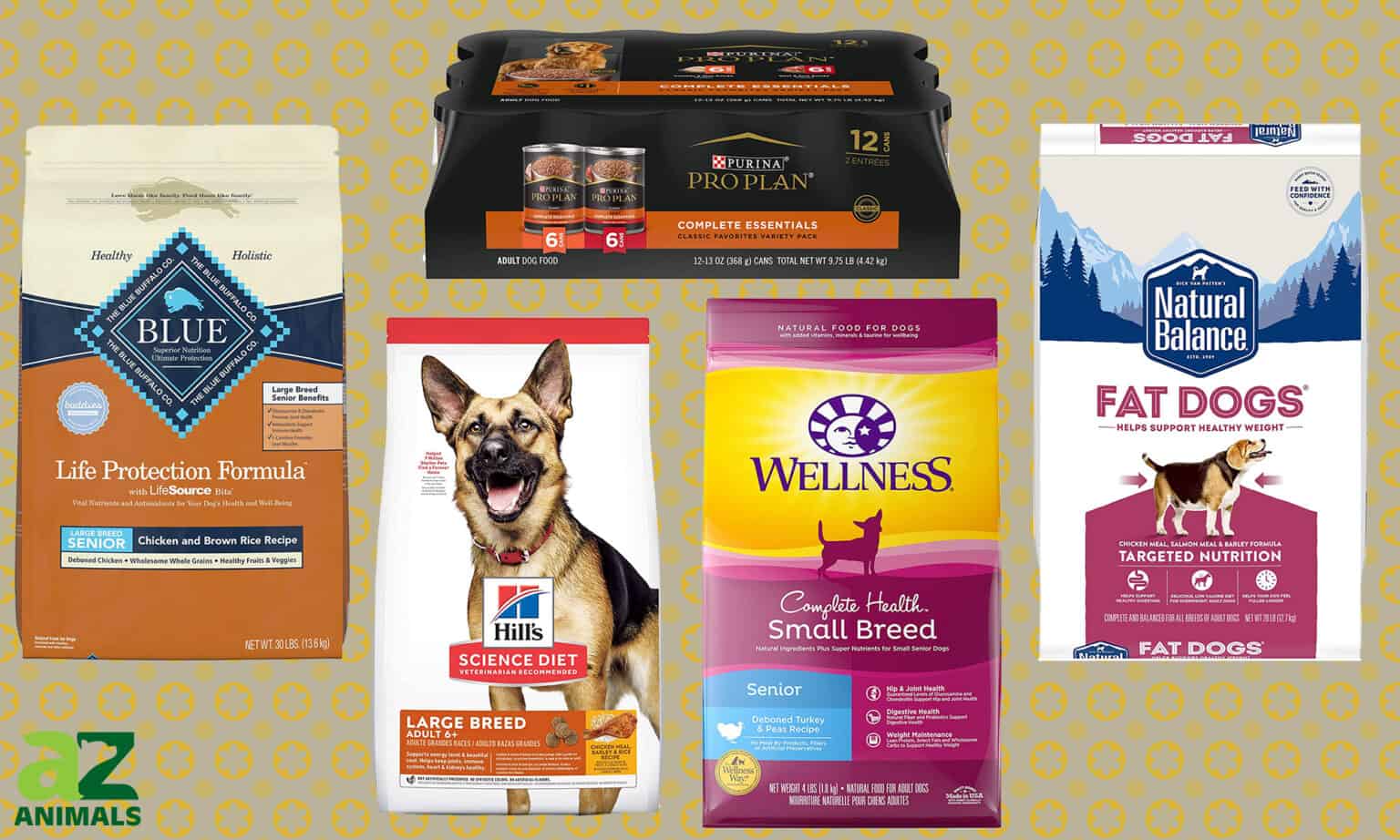


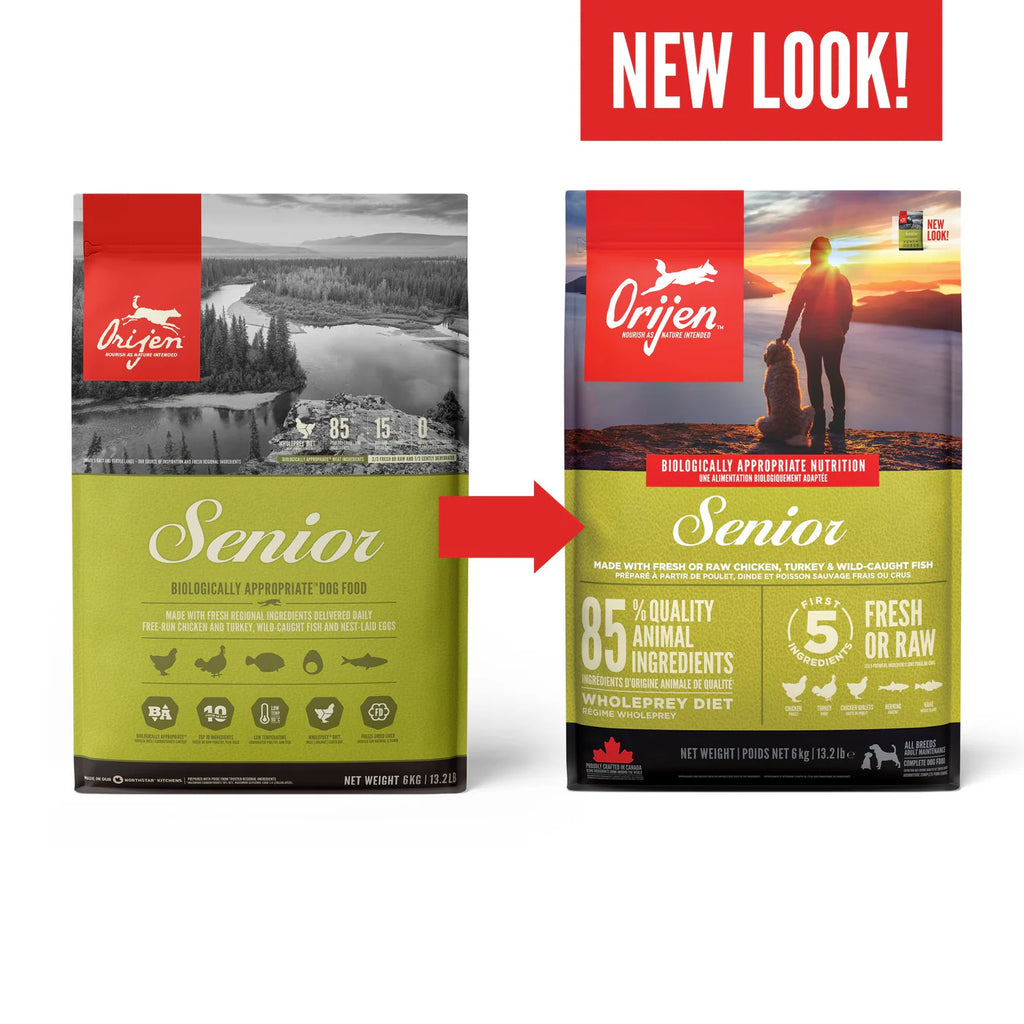


For more expert pet care tips and advice, check out our dedicated Dog Nutrition guides to keep your companions healthy and happy.




