

Introduction
Ensuring a dog maintains an ideal weight is a fundamental aspect of responsible pet ownership, directly impacting overall health and longevity. While obesity often receives significant attention, the challenges faced by underweight canines are equally critical. For dogs struggling to maintain or gain sufficient body mass, specialized dietary interventions become necessary. Understanding the concept of high calorie dog food for weight gain involves recognizing specific nutritional needs and how tailored diets can provide the essential energy and nutrients required for healthy weight restoration. This particular type of dog food is formulated with a higher concentration of calories, proteins, and fats, designed to support dogs that are recovering from illness, highly active, or naturally prone to being underweight. Implementing such a diet, when appropriate, plays a crucial role in improving a dog’s physical condition, enhancing vitality, and supporting a robust immune system.
💡 Pet Care Key Takeaways:
- Core Focus: Practical health, nutrition, and wellness guidelines for High Calorie Dog Food For Weight Gain.
- Target Scope: Pet owners, animal caregivers, and veterinary support staff.
- Best Recommendation: Maintain consistent daily routines and consult an accredited veterinarian before introducing major diet or medical changes.
Common Causes and Key Factors
Several factors can contribute to a dog’s inability to maintain an optimal weight, necessitating the consideration of high-calorie dietary options. Foremost among these are underlying medical conditions, which can range from parasitic infections and dental issues that make eating painful, to more complex metabolic disorders, malabsorption syndromes, or chronic illnesses impacting nutrient utilization. A comprehensive veterinary examination is always the initial crucial step to rule out or address such health issues. For more related activities, check out our Pitbullnutrition.
Beyond medical concerns, insufficient caloric intake can stem from various sources. A dog may simply not be consuming enough food, possibly due to a picky appetite, stress, anxiety, or competition for food in multi-pet households. Some dogs possess naturally high metabolisms, burning calories at a faster rate, making it difficult to gain weight on a standard diet. Very active dogs, such as working breeds, sporting canines, or those with intense daily exercise routines, often require significantly more calories than their less active counterparts. Age also plays a role; growing puppies need substantial energy for development, while senior dogs might experience decreased appetite or muscle wasting, requiring nutrient-dense foods. Even the quality of regular dog food can be a factor if it lacks the necessary caloric density for an individual dog’s energy expenditure.
Signs and Symptoms to Observe
Recognizing the signs of being underweight is essential for timely intervention. The most prominent physical indicators include easily visible ribs, hips, and spine without a protective layer of fat. A dog’s waist should be noticeable when viewed from above, but an excessively tucked-up abdomen can suggest a lack of body fat. Observable muscle mass may also be diminished, particularly over the back and hindquarters. The coat might appear dull or brittle, and skin elasticity could be reduced.
Behavioral symptoms often accompany physical changes. An underweight dog might exhibit lower energy levels, appearing lethargic or less enthusiastic about play and daily activities. Persistent pickiness or a reduced appetite, even when presented with appealing food, can be a sign. In some cases, changes in bowel movements, such as chronic diarrhea or loose stools, can indicate nutrient malabsorption, hindering weight gain. These signs can vary based on the dog’s age and breed; for example, a growing puppy might fail to reach expected developmental milestones, while a senior dog might show a more rapid decline in muscle condition. Careful observation of these indicators can help owners determine when a dog’s nutritional needs are not being adequately met.
Practical Solutions and Management Strategies
Addressing canine underweight issues with high calorie dog food for weight gain requires a structured and thoughtful approach. The initial and most critical step involves a thorough veterinary examination to diagnose or rule out any underlying medical conditions. Once health concerns are addressed, dietary modifications can begin.
Transitioning to a high-calorie food should always be gradual to prevent digestive upset. This typically involves mixing small amounts of the new food with the current diet, slowly increasing the proportion over several days. Selecting a high-calorie formulation specifically designed for weight gain ensures a balanced profile of increased proteins, fats, and essential vitamins and minerals. Multiple smaller meals throughout the day can also be more beneficial than one or two large meals, as this can improve digestion and nutrient absorption. Owners should meticulously measure food portions according to the product’s guidelines and a veterinarians recommendations, rather than free-feeding.
Enhancing mealtime appeal can also be effective; warming wet food slightly or adding a small amount of low-sodium broth can make it more palatable. Monitoring the dog’s weight and body condition score weekly or bi-weekly is crucial to track progress and adjust food intake as necessary. Environmental factors such as reducing stress during meal times or providing a quiet, separate eating space for timid dogs can also encourage better consumption. For highly active dogs, ensuring their exercise regimen is appropriate and not overly strenuous for their current body condition is also important. In some instances, under veterinary guidance, specific supplements like probiotics or omega fatty acids might be recommended to support gut health and overall well-being.
When Professional Help May Be Needed
While many cases of canine underweight can be managed with careful dietary adjustments, certain situations warrant immediate professional veterinary attention. Any sudden or unexplained weight loss, even if initially subtle, should prompt a visit to the veterinarian, as it can be an early indicator of serious underlying health issues. If a dog exhibits other concerning symptoms such as persistent vomiting, diarrhea, lethargy, significant changes in appetite (either decreased or excessively increased without weight gain), or a dull and brittle coat, professional consultation is imperative.
Moreover, if a dog continues to lose weight or struggles to gain any despite consistent efforts with a high-calorie diet and diligent feeding practices, further diagnostic testing may be necessary. Veterinarians can offer specialized nutritional counseling, recommending specific therapeutic diets or supplements tailored to a dog’s unique health profile. For dogs with complex medical histories, a referral to a veterinary nutritionist might be appropriate to develop a highly customized feeding plan. Seeking timely professional guidance ensures that all potential contributing factors are thoroughly investigated and that a dog receives the most appropriate and effective care to achieve and maintain a healthy weight.
Conclusion
Addressing an underweight dog’s needs is a vital component of holistic pet care, with proper nutrition serving as a cornerstone for optimal health. Understanding the utility and application of high calorie dog food for weight gain is instrumental for owners dedicated to their dog’s well-being. This specialized dietary approach provides concentrated energy and nutrients, proving highly beneficial for dogs recovering from illness, those with high metabolic rates, or particularly active canines. However, the importance of veterinary oversight cannot be overstated; identifying and treating any underlying medical conditions must always precede dietary interventions. Through careful observation, consistent monitoring, and a proactive approach to nutrition, owners can significantly impact a dog’s journey towards achieving and maintaining a healthy weight. A well-nourished dog is more energetic, resilient, and better equipped to enjoy a full and active life, reinforcing the profound connection between diet and overall vitality.
Pet Care & Wellness Overview Table
| Life Stage | Daily Activity Level | Key Nutrition / Care Focus |
|---|---|---|
| Puppy / Kitten | High (frequent short bursts) | High-protein growth diet & early socialization |
| Adult Companion | Moderate (30–60 mins daily) | Balanced maintenance nutrition & dental hygiene |
| Senior Pets | Low to Gentle (mindful walks) | Joint support (Glucosamine) & routine vet checks |
Images References


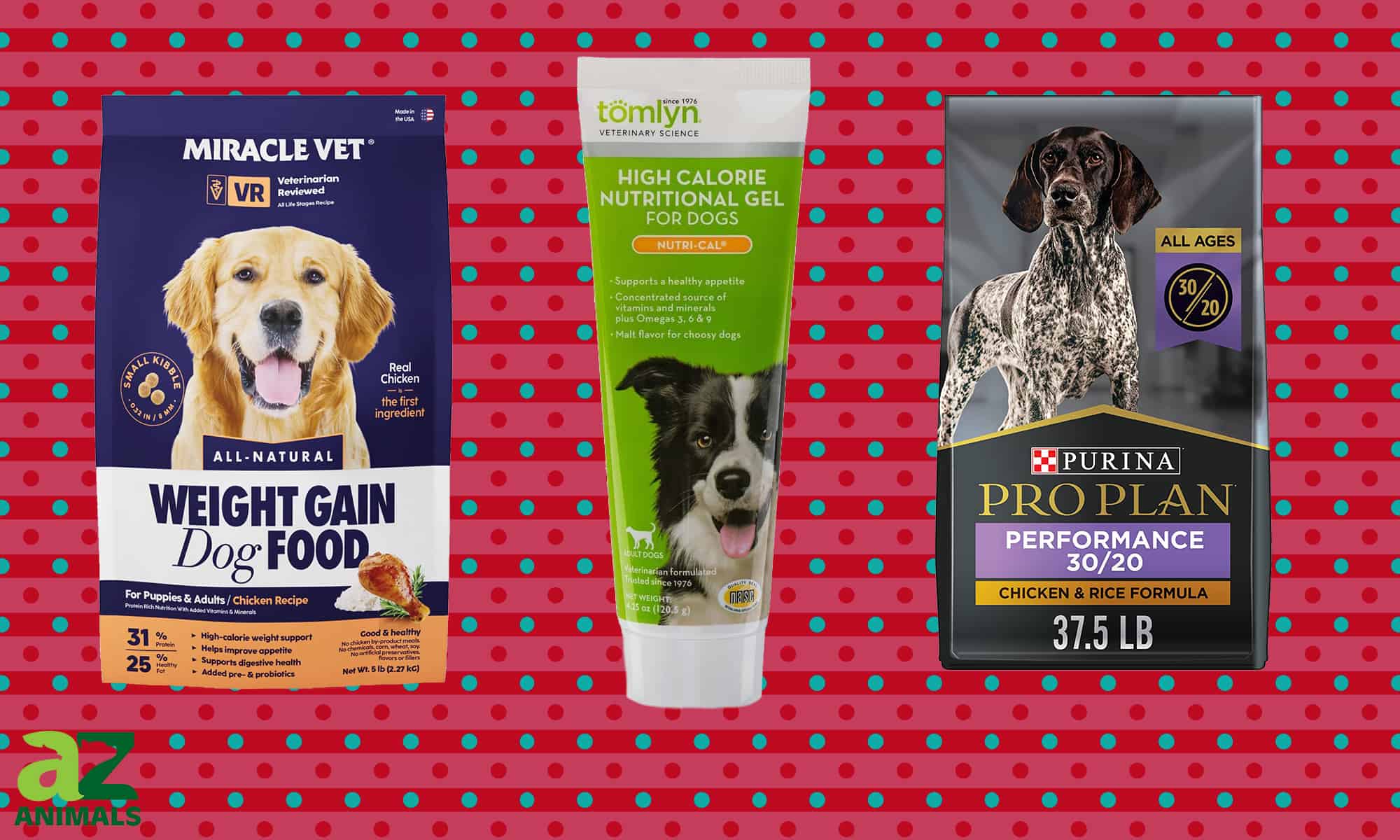


For more expert pet care tips and advice, check out our dedicated Dog Nutrition guides to keep your companions healthy and happy.




