

Introduction
Maintaining a dog’s ideal body weight and ensuring adequate nutritional intake are fundamental aspects of responsible pet ownership. For many dogs, a standard balanced diet suffices, but certain situations necessitate additional caloric support. This is where a high calorie dog supplement becomes a valuable tool. A high calorie dog supplement is a concentrated source of energy, typically rich in fats and proteins, designed to help dogs gain or maintain weight, recover from illness, or meet increased energy demands that cannot be solely fulfilled by regular food. Understanding when and why these supplements are beneficial, and how to use them correctly, is crucial for improving a dog’s overall health, vitality, and quality of life, particularly during periods of stress, recovery, or heightened activity.
💡 Pet Care Key Takeaways:
- Core Focus: Practical health, nutrition, and wellness guidelines for High Calorie Dog Supplement.
- Target Scope: Pet owners, animal caregivers, and veterinary support staff.
- Best Recommendation: Maintain consistent daily routines and consult an accredited veterinarian before introducing major diet or medical changes.
Common Causes and Key Factors
The need for a high calorie dog supplement often arises from several key factors, each impacting a dog’s ability to maintain a healthy weight. One primary reason is recovery from illness or surgery. During convalescence, a dogs appetite may decrease, while its body’s energy requirements for healing increase, making it challenging to consume enough calories through regular meals alone. Similarly, malnutrition or malabsorption issues can prevent dogs from adequately absorbing nutrients from their food, leading to weight loss despite seemingly sufficient intake. For more related activities, check out our “Fortiflora” And “Gut Health”.
High metabolic rates are another significant factor, particularly in very active breeds, working dogs, or highly energetic young dogs. These dogs burn calories at an accelerated pace, often requiring more than typical diets can provide to sustain their energy levels and body mass. Underweight conditions resulting from rescue situations, neglect, or simply being naturally picky eaters also frequently necessitate the introduction of concentrated caloric support.
Furthermore, age-related issues can contribute to a decline in appetite or muscle mass in senior dogs, making a high calorie dog supplement beneficial for maintaining strength and preventing further decline. Pregnant or lactating bitches also have significantly elevated energy needs to support fetal development and milk production, making a caloric boost essential for both the mothers health and the puppies development.
Signs and Symptoms to Observe
Recognizing the signs that a dog may benefit from a high calorie dog supplement involves careful observation of physical condition and behavior. One of the most evident indicators is a low body condition score, where ribs, spine, and hip bones are easily visible or felt without a significant layer of fat or muscle. A healthy dog should have a thin layer of fat covering these bones.
Unexplained weight loss over a short period, even with consistent food intake, is a significant red flag. This can be accompanied by decreased energy levels or lethargy, a reluctance to play, or reduced stamina during walks. In some cases, a dog may exhibit a dull or dry coat, which can be a sign of nutritional deficiency, including inadequate fat intake.
Observing a persistent lack of appetite or a dog consistently leaving food uneaten can also point to a need for more palatable and calorically dense options. Muscle wasting, particularly noticeable around the head, shoulders, or hindquarters, suggests a loss of lean body mass that a high calorie dog supplement could help address. These signs can vary depending on a dogs breed, age, and activity level, making regular body condition assessments a crucial part of routine care.
Practical Solutions and Management Strategies
Implementing a high calorie dog supplement effectively requires a thoughtful approach, starting with a thorough dietary assessment. Before introducing a supplement, evaluating the current diets quality, nutrient balance, and caloric content is essential. Ensuring the primary food source is premium and appropriate for the dogs life stage and activity level can often be the first step.
When a supplement is deemed necessary, choosing the right product is paramount. High calorie dog supplements come in various forms, including palatable pastes, powders, liquids, and nutrient-dense kibble toppers. Products rich in healthy fats (like omega fatty acids) and easily digestible proteins are generally preferred. Carefully following the manufacturers dosage guidelines is crucial, as over-supplementation can lead to digestive upset or unwanted rapid weight gain. Introducing any new supplement gradually can help prevent stomach sensitivities.
Adjusting feeding schedules to include smaller, more frequent meals can also improve caloric intake, especially for dogs with poor appetites. Making meal times positive and stress-free can encourage eating. For dogs recovering from illness, a highly palatable high calorie dog supplement can stimulate appetite. Regular monitoring of the dog’s weight and body condition score provides objective data on the supplement’s effectiveness, allowing for adjustments as needed. Consistency in feeding and observation is key to successful weight management.
When Professional Help May Be Needed
While a high calorie dog supplement can be a beneficial tool for certain dogs, there are clear instances when professional veterinary consultation becomes indispensable. Sudden or unexplained weight loss should always prompt an immediate visit to the veterinarian. This could be indicative of underlying medical conditions such as parasites, dental issues, kidney disease, thyroid problems, cancer, or other serious health concerns that require diagnosis and specific treatment beyond nutritional support.
If a dog fails to gain weight or continues to lose weight despite consistent use of a high calorie dog supplement and appropriate feeding strategies, veterinary intervention is necessary. This suggests that the root cause of the weight issue has not been identified or addressed. Additionally, if a dog exhibits other concerning symptoms alongside weight loss, such as persistent vomiting, diarrhea, chronic lethargy, unusual thirst, or changes in behavior, a comprehensive veterinary examination is crucial. A veterinarian can conduct diagnostic tests, provide accurate diagnoses, and offer tailored dietary recommendations, potentially prescribing specific therapeutic diets or medications. Professional guidance ensures that any high calorie dog supplement chosen is appropriate for the dogs specific health status and nutritional needs, preventing potential adverse effects or delaying necessary medical treatment.
Conclusion
Understanding the role and appropriate application of a high calorie dog supplement is an important aspect of proactive dog care. These specialized products offer valuable support for dogs recovering from illness, those with high energy demands, or individuals struggling to maintain an ideal body weight. By recognizing the signs that indicate a need for such supplementation and implementing practical strategies, dog owners can significantly contribute to their companion’s health and vitality. It is imperative, however, to approach supplementation with responsibility, prioritizing a balanced diet and regular veterinary check-ups. Attentive observation and timely professional consultation ensure that any nutritional interventions, including the use of a high calorie dog supplement, are precisely tailored to a dog’s unique needs, ultimately fostering a longer, healthier, and more energetic life.
Pet Care & Wellness Overview Table
| Life Stage | Daily Activity Level | Key Nutrition / Care Focus |
|---|---|---|
| Puppy / Kitten | High (frequent short bursts) | High-protein growth diet & early socialization |
| Adult Companion | Moderate (30–60 mins daily) | Balanced maintenance nutrition & dental hygiene |
| Senior Pets | Low to Gentle (mindful walks) | Joint support (Glucosamine) & routine vet checks |
Images References

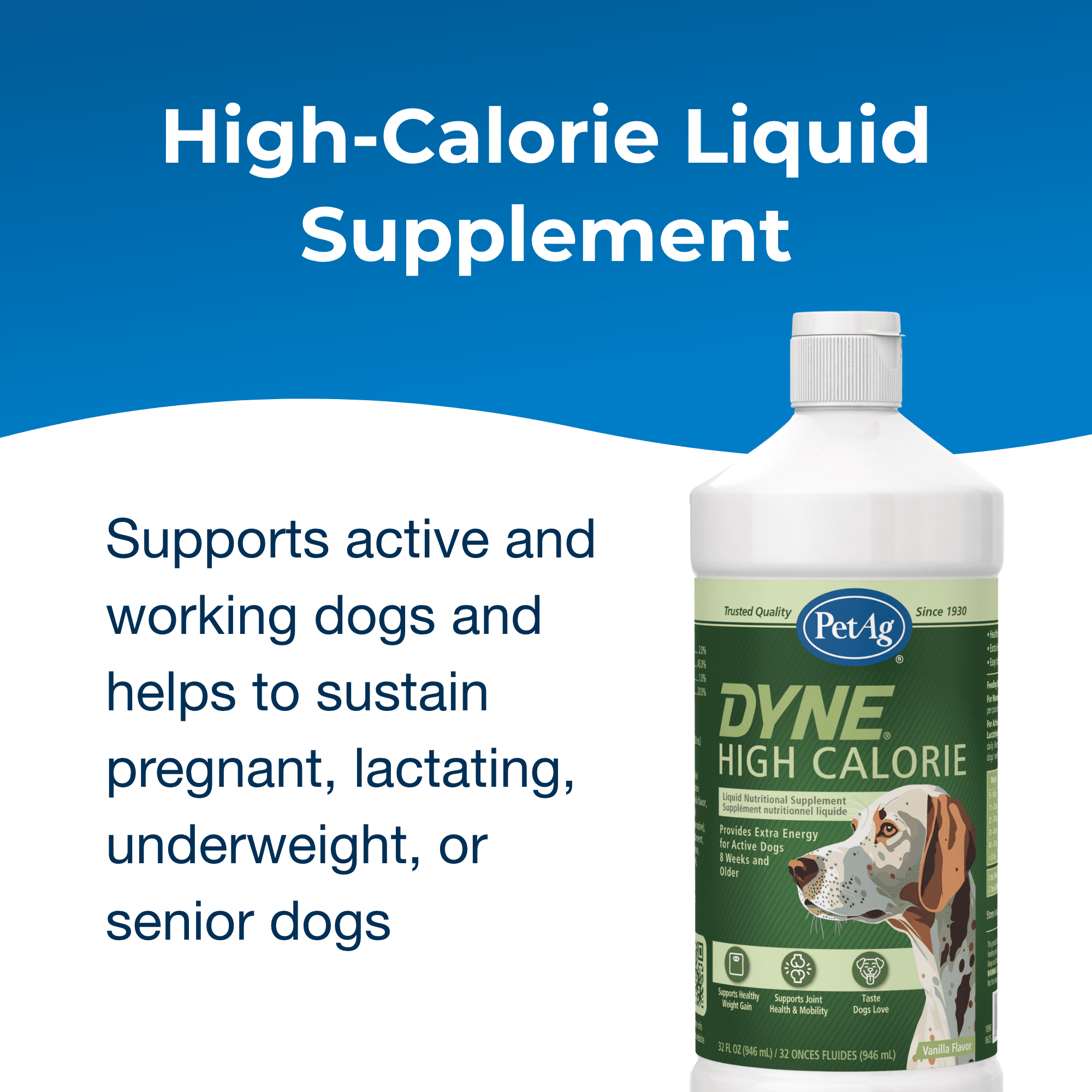


For more expert pet care tips and advice, check out our dedicated Dog Nutrition guides to keep your companions healthy and happy.




