

Introduction
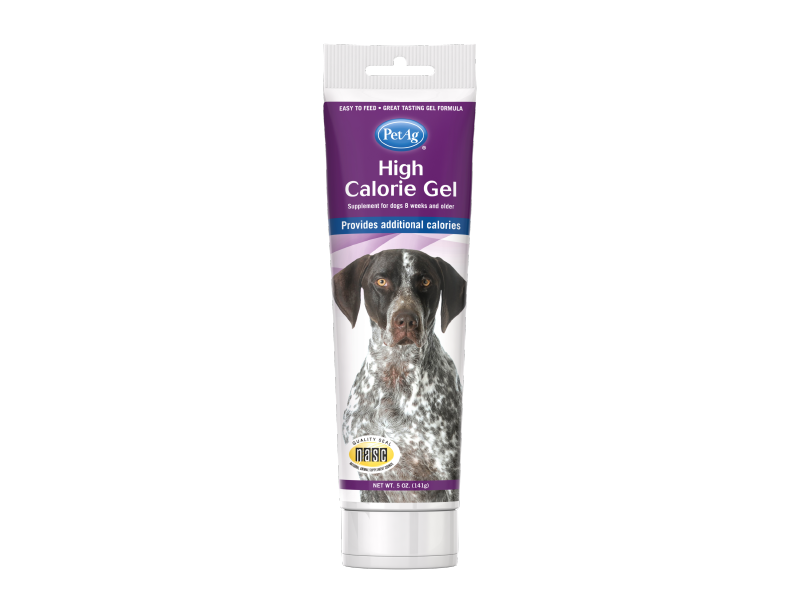
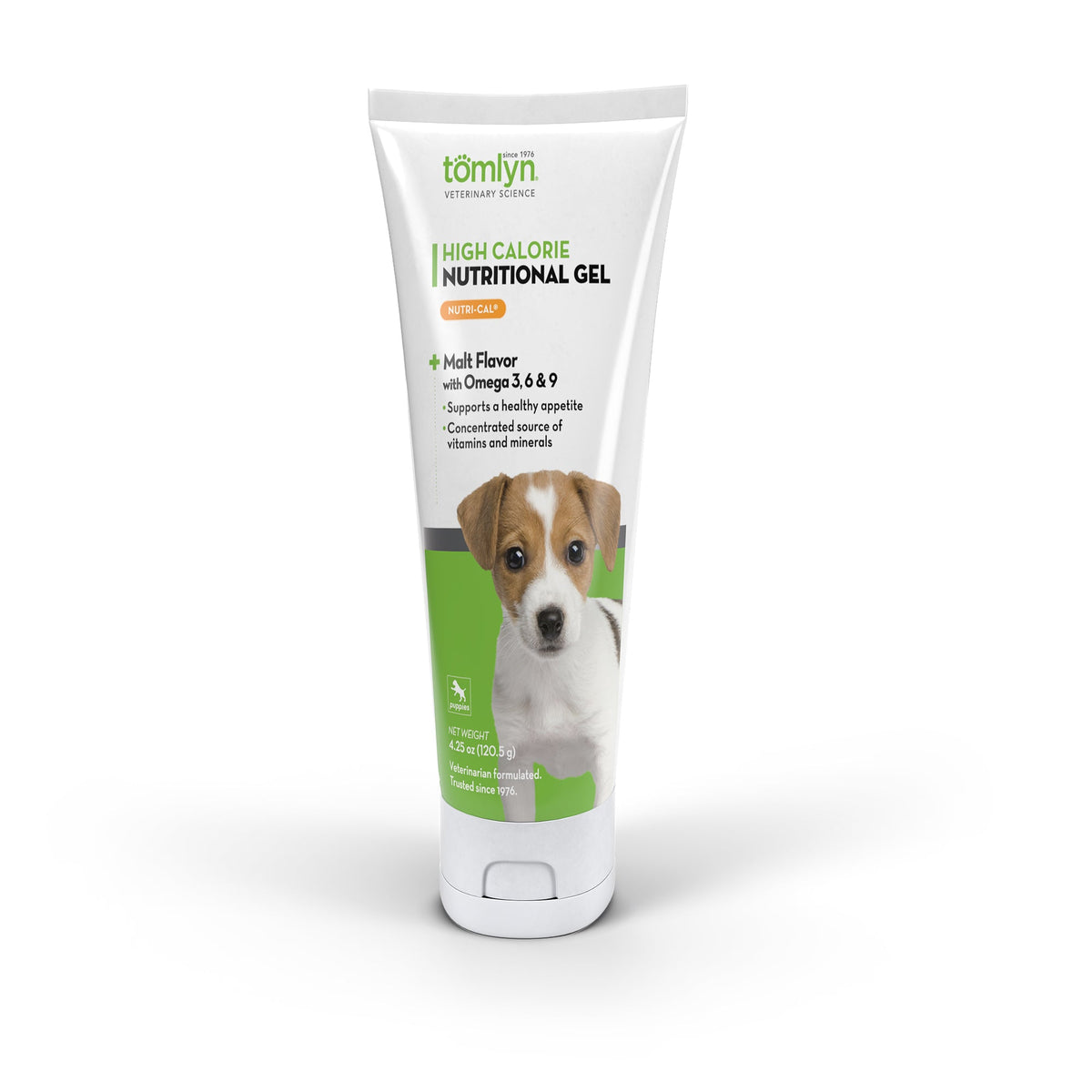
Maintaining optimal nutrition is a cornerstone of canine health, contributing to energy levels, a robust immune system, and overall vitality. In certain situations, a dog’s regular diet may not provide sufficient calories or nutrients to meet its specific needs. This is where a high-calorie gel for dogs can play a vital supportive role. These specialized supplements are formulated to deliver concentrated energy and essential nutrients in a readily digestible form, making them an important tool for dog owners. Understanding when and why these gels are beneficial can significantly contribute to a dogs well-being, aiding in recovery, growth, and the maintenance of a healthy body condition, ultimately enhancing a dog’s quality of life.
💡 Pet Care Key Takeaways:
- Core Focus: Practical health, nutrition, and wellness guidelines for High Calorie Gel For Dogs.
- Target Scope: Pet owners, animal caregivers, and veterinary support staff.
- Best Recommendation: Maintain consistent daily routines and consult an accredited veterinarian before introducing major diet or medical changes.
Common Causes and Key Factors
Several circumstances can necessitate the use of a high-calorie gel for dogs, primarily revolving around increased energy demands or reduced dietary intake. Growing puppies, for instance, have exceptionally high metabolic rates and require dense nutrition for proper development. Similarly, pregnant and lactating female dogs experience significant physiological stress and calorie depletion, making supplemental energy crucial. For more related activities, check out our Ol Roy Ingredients List.
Dogs recovering from illness, injury, or surgery often exhibit reduced appetite or impaired nutrient absorption. During these convalescent periods, a high-calorie gel can provide vital energy to support healing and prevent further weight loss. Elderly dogs, especially those with dental issues or chronic conditions, may struggle to consume adequate amounts of food.
Furthermore, highly active working or athletic dogs may burn more calories than their regular diet can replenish, leading to performance dips or weight loss. Small breed puppies are particularly susceptible to hypoglycemia (low blood sugar), and a high-calorie gel can serve as a quick source of glucose to prevent or manage such episodes. Picky eaters or dogs experiencing stress-related appetite suppression also stand to benefit from the concentrated nutrition these gels offer, helping to bridge nutritional gaps until their appetite returns to normal.
Signs and Symptoms to Observe
Recognizing the indicators that a dog might benefit from a high-calorie gel is essential for proactive care. One of the most common signs is unexplained weight loss or a visible decrease in muscle mass. A dog’s ribs, spine, or hip bones becoming more prominent despite regular feeding can suggest insufficient calorie intake.
Lethargy, reduced stamina, and a general lack of enthusiasm for activities typically enjoyed by the dog are also key indicators of low energy. A dog might become less playful, sleep more than usual, or appear weak and sluggish. In puppies, a failure to thrive, characterized by slow growth compared to littermates or overall weakness, points to nutritional deficiencies.
Specific to small breeds or very young puppies, signs of hypoglycemia can manifest as shaking, disorientation, weakness, wobbly gait, or even collapse. These symptoms demand immediate attention. Additionally, a dull, brittle coat, dry skin, or a delayed recovery from minor ailments can sometimes reflect underlying nutritional inadequacies that a high-calorie gel might help address. Observing these signs prompts an evaluation of the dogs dietary needs and overall health.
Practical Solutions and Management Strategies
Integrating a high-calorie gel into a dogs routine requires a thoughtful approach. These gels are primarily designed as supplements, not as a replacement for a balanced, complete diet. The primary function of these products is to provide concentrated calories and essential nutrients in a small, palatable dose.
When selecting a gel, it is beneficial to look for formulations that include a blend of fats, carbohydrates (often in the form of simple sugars for quick energy), vitamins, and minerals. Some products also contain prebiotics or omega fatty acids to support digestive health and coat quality. Dosage instructions provided by the manufacturer should always be followed diligently, as requirements vary based on the dog’s weight, age, and specific needs.
High-calorie gels are typically administered orally. They can be given directly from the tube, smeared onto the dog’s gums, or mixed into a small amount of palatable food. For picky eaters, finding a flavor the dog enjoys can be crucial. It is important to monitor the dog’s response, observing changes in appetite, energy levels, and body condition. Any adverse reactions or lack of improvement warrants further investigation. Consistent use, as directed, is key to achieving the desired nutritional support, especially during periods of recovery or heightened energy demands.
When Professional Help May Be Needed
While high-calorie gels offer valuable nutritional support, their use should not preclude professional veterinary consultation. If a dog experiences persistent weight loss, a prolonged lack of appetite, or ongoing lethargy despite the use of a high-calorie gel, a veterinary visit is essential. These symptoms could indicate an underlying medical condition requiring specific diagnosis and treatment.
Any suspected episodes of hypoglycemia, especially if they are recurrent or severe, necessitate immediate veterinary attention. Small breed puppies, senior dogs, or dogs with pre-existing health conditions should always have the introduction of any new supplement, including high-calorie gels, approved by a veterinarian. This ensures the product is appropriate for their specific health status and does not interact negatively with any medications. A veterinarian can also provide tailored dosage recommendations and guidance on how to integrate the gel most effectively into the dogs overall care plan, ensuring optimal health outcomes.
Conclusion
High-calorie gels for dogs represent a valuable resource in the realm of canine nutrition, offering concentrated energy and vital nutrients to dogs facing unique dietary challenges. From supporting growing puppies and lactating mothers to aiding in the recovery of sick or underweight canines, these supplements can play a critical role in maintaining health and vitality. Awareness of the signs indicating a need for such supplementation, coupled with a clear understanding of proper administration, empowers dog owners to provide targeted care. However, it is paramount to remember that these gels are supportive tools, not cures. Consistent observation, responsible use, and collaboration with veterinary professionals are key to ensuring a dog’s nutritional needs are comprehensively met, fostering a lifetime of health and well-being.
Pet Care & Wellness Overview Table
| Life Stage | Daily Activity Level | Key Nutrition / Care Focus |
|---|---|---|
| Puppy / Kitten | High (frequent short bursts) | High-protein growth diet & early socialization |
| Adult Companion | Moderate (30–60 mins daily) | Balanced maintenance nutrition & dental hygiene |
| Senior Pets | Low to Gentle (mindful walks) | Joint support (Glucosamine) & routine vet checks |
Images References





For more expert pet care tips and advice, check out our dedicated Dog Nutrition guides to keep your companions healthy and happy.




