
Introduction
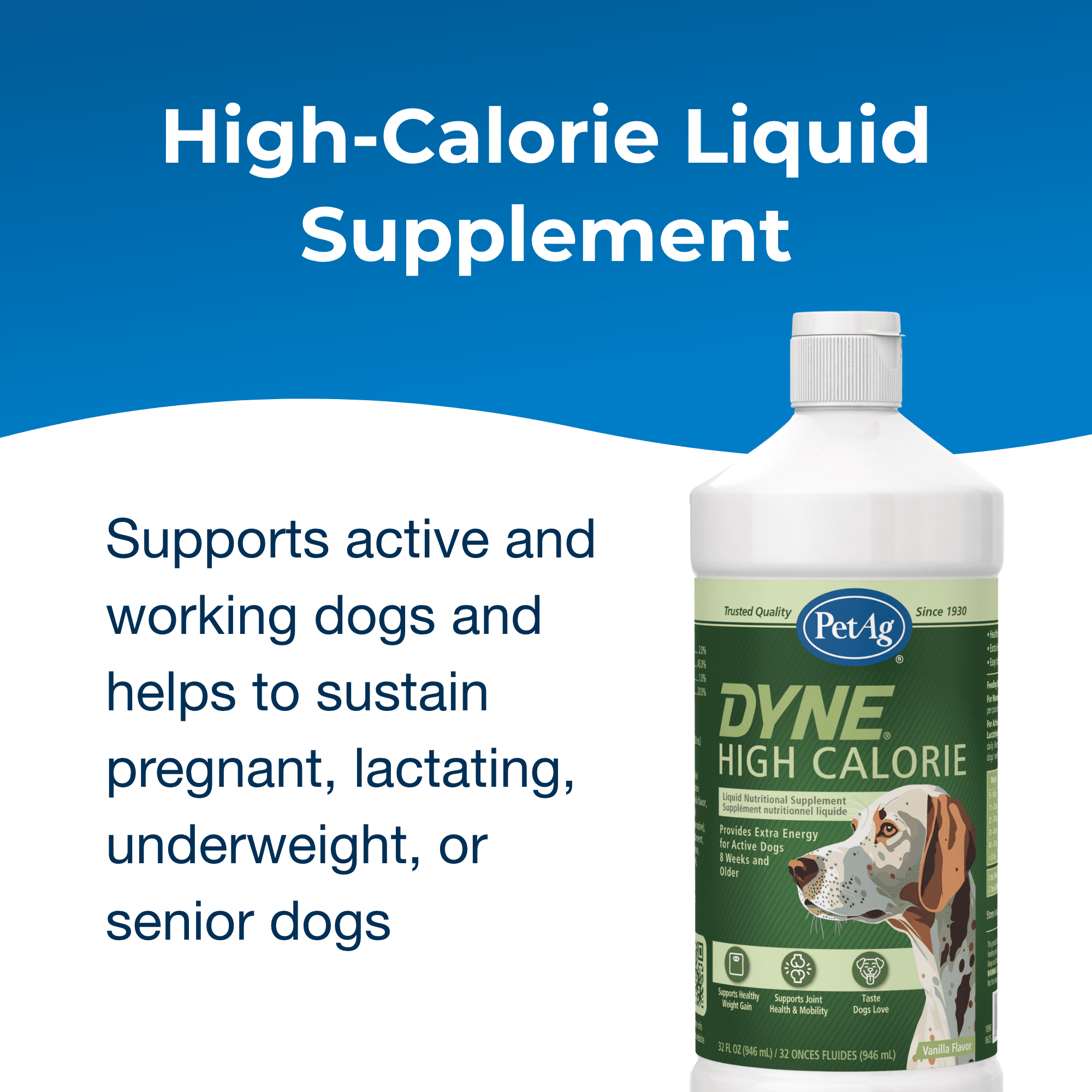
Understanding specialized dietary options is crucial for ensuring optimal canine health and well-being. Among these, high calorie liquid dog food stands out as a vital nutritional tool designed to provide concentrated energy and essential nutrients in an easily digestible form. This specialized dietary approach is often implemented when a dog requires intensive nutritional support, whether due to illness, recovery from surgery, significant weight loss, or an inability to consume solid foods. Recognizing the circumstances that necessitate such a diet and how it can be effectively administered contributes significantly to a dog’s recovery, health maintenance, and overall quality of life. High calorie liquid dog food offers a practical solution to help dogs thrive during challenging periods by delivering necessary sustenance efficiently and gently.
💡 Pet Care Key Takeaways:
- Core Focus: Practical health, nutrition, and wellness guidelines for High Calorie Liquid Dog Food.
- Target Scope: Pet owners, animal caregivers, and veterinary support staff.
- Best Recommendation: Maintain consistent daily routines and consult an accredited veterinarian before introducing major diet or medical changes.
Common Causes and Key Factors
The necessity for high calorie liquid dog food typically arises from a range of health conditions and physiological needs that impact a dog’s ability to eat or digest traditional kibble or wet food. One primary reason involves various medical conditions, such as those affecting the gastrointestinal tract, like inflammatory bowel disease (IBD) flare-ups, pancreatitis, or severe vomiting and diarrhea, which can reduce appetite and nutrient absorption. Dogs recovering from major surgeries, dental procedures, or traumatic injuries may also benefit from liquid nutrition due to pain or mechanical difficulties with chewing. For more related activities, check out our Purina One Xxl 10Kg Feeding Guide 20Kg Dog.
Significant appetite loss, often stemming from advanced age, chronic illness, or side effects from medications, is another key factor. When a dog refuses solid food for an extended period, rapid weight loss and nutritional deficiencies can occur, necessitating a more palatable and digestible form of sustenance. Furthermore, conditions like dysphagia, where a dog struggles to swallow, make liquid diets essential to prevent aspiration and ensure nutrient intake. Highly active or working dogs with extreme caloric demands, or pregnant and nursing mothers, might also require supplemental high calorie liquid food to meet their intense energy needs, especially if they are struggling to maintain weight on solid food alone.
Signs and Symptoms to Observe
Observing a dog’s behavior and physical condition for specific signs and symptoms can indicate a need for a high calorie liquid dog food diet. Persistent weight loss is a critical indicator, often evidenced by prominent ribs, hips, and spine, or a noticeably sunken abdomen. A dog’s energy levels may also decline, leading to increased lethargy, reduced enthusiasm for play, and prolonged periods of rest.
Appetite changes are particularly significant. This includes a dog showing disinterest in food, refusing to eat regular meals, or only picking at food without consuming an adequate amount. Difficulty chewing or swallowing, characterized by dropping food, excessive drooling during meals, gagging, or coughing, strongly suggests that solid food is problematic. Other signs might include signs of dehydration, such as dry gums, sunken eyes, or reduced skin elasticity, especially if the dog is also reluctant to drink water. For dogs recovering from illness or surgery, a veterinarian might recommend a liquid diet proactively, but observing poor recovery, continued weakness, or lack of interest in food post-procedure further supports this need. These observable cues help owners and caregivers determine when specialized nutritional support could be beneficial.
Practical Solutions and Management Strategies
Implementing high calorie liquid dog food requires careful planning and observation. The selection of a suitable product is paramount; options range from commercially prepared prescription diets specifically formulated for various health conditions to over-the-counter liquid supplements. In some cases, with veterinary guidance, homemade liquid diets can be prepared using wholesome ingredients, ensuring they are nutritionally balanced and appropriate for the dog’s specific needs.
Administration methods can vary. For dogs with some appetite, the liquid food can be offered in a bowl, potentially warmed slightly to enhance palatability and aroma. For dogs unwilling or unable to eat from a bowl, syringe feeding can be a necessary method, requiring patience and gentle technique to avoid stress or aspiration. In severe cases of persistent refusal or swallowing difficulties, a veterinarian might recommend the placement of a feeding tube, which allows for direct delivery of nutrition into the stomach under close supervision.
It is crucial to introduce any new liquid diet gradually, starting with small amounts and monitoring the dog’s tolerance and digestive response. The frequency and portion sizes should always be determined by a veterinarian, based on the dog’s caloric needs, weight, and medical condition. Regular monitoring of the dog’s weight, energy levels, and stool consistency provides valuable feedback on the diet’s effectiveness. When transitioning a dog back to solid foods, this process should also be slow and progressive, gradually increasing the texture and decreasing the liquid content to allow the digestive system to adapt.
When Professional Help May Be Needed
While high calorie liquid dog food offers a valuable solution for many dogs, it is often a temporary or supportive measure that requires professional oversight. Veterinary consultation is essential whenever a dog exhibits persistent weight loss, a prolonged lack of appetite, or signs of difficulty eating or swallowing. These symptoms can indicate underlying medical conditions that require diagnosis and specific treatment before a dietary change alone can be fully effective.
If a dog consistently refuses to eat, struggles with consuming any form of food, or shows signs of severe dehydration or lethargy, immediate veterinary attention is warranted. Conditions like advanced dental disease, neurological disorders affecting swallowing, or serious organ dysfunction all necessitate professional medical intervention. Additionally, the decision to use a feeding tube, which provides essential nutrition for dogs with severe issues, must always be made and managed by a veterinarian. Professional guidance ensures the chosen liquid diet is nutritionally complete and balanced for the dog’s specific health requirements, preventing potential deficiencies or complications that could arise from an inappropriate diet.
Conclusion
High calorie liquid dog food serves as an invaluable dietary intervention, playing a crucial role in supporting the health and recovery of dogs facing various challenges. From aiding in recovery from illness and surgery to providing essential nutrition for dogs with poor appetites or difficulty swallowing, this specialized food type offers a concentrated, easily digestible source of energy and nutrients. Understanding its purpose, identifying the signs that necessitate its use, and applying appropriate management strategies are key to maximizing its benefits. Constant observation of a dog’s health and behavior, coupled with proactive and consistent care, remains paramount. Ultimately, collaboration with a veterinarian is critical to ensure that any dietary adjustments, particularly the introduction of high calorie liquid dog food, are tailored to a dogs individual needs, thereby supporting their journey towards improved health and sustained well-being.
Pet Care & Wellness Overview Table
| Life Stage | Daily Activity Level | Key Nutrition / Care Focus |
|---|---|---|
| Puppy / Kitten | High (frequent short bursts) | High-protein growth diet & early socialization |
| Adult Companion | Moderate (30–60 mins daily) | Balanced maintenance nutrition & dental hygiene |
| Senior Pets | Low to Gentle (mindful walks) | Joint support (Glucosamine) & routine vet checks |
Images References

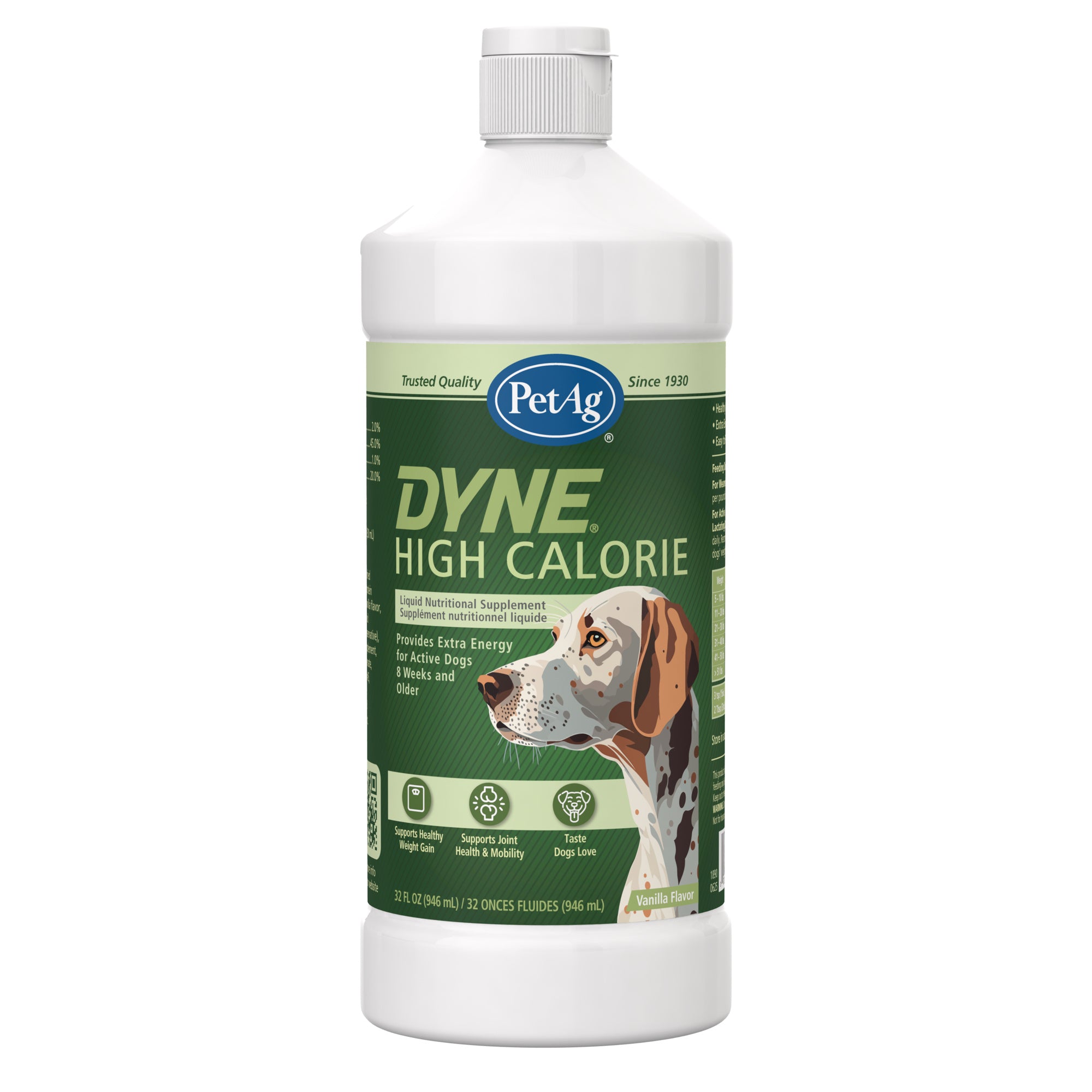


For more expert pet care tips and advice, check out our dedicated Dog Nutrition guides to keep your companions healthy and happy.




