
Introduction
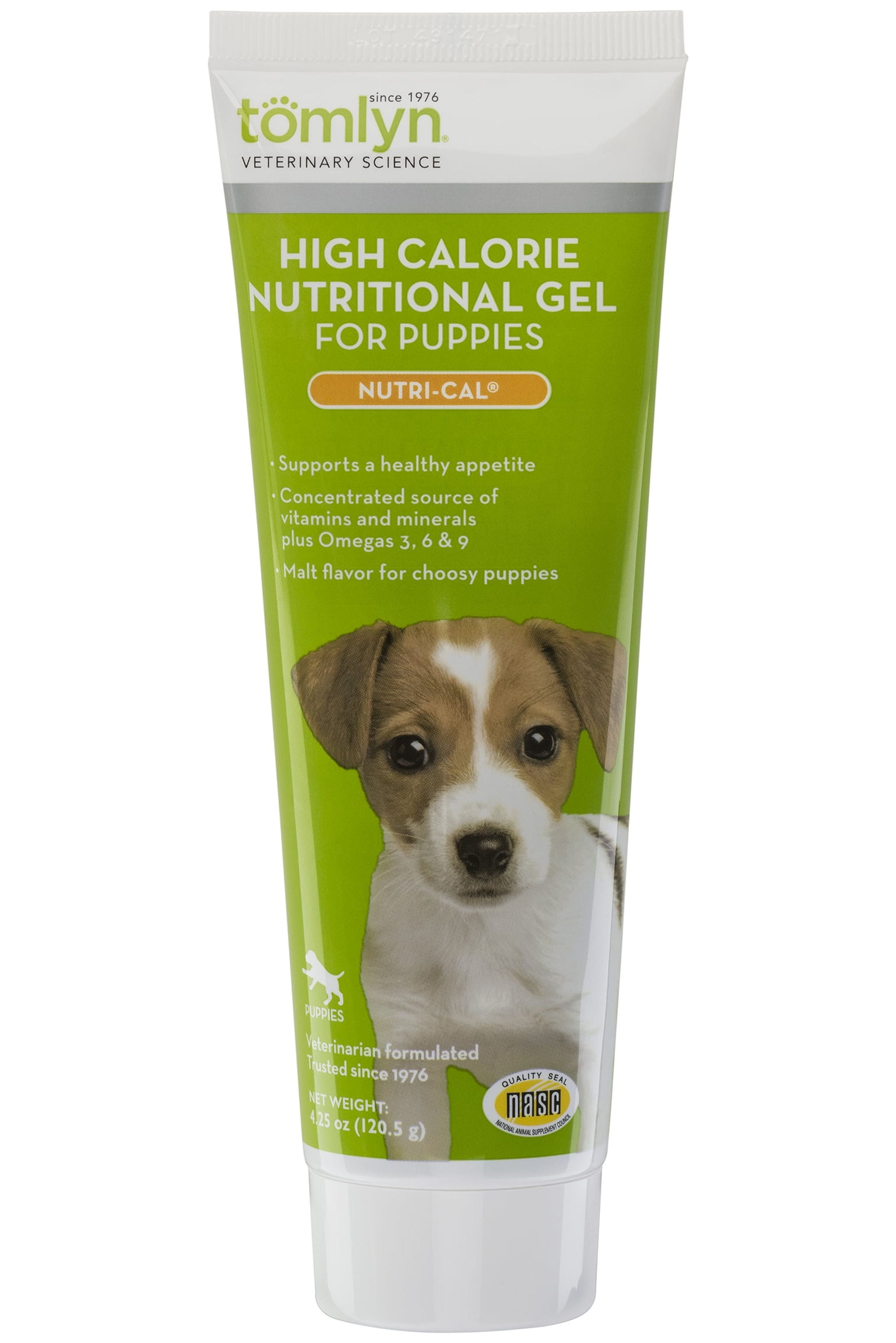
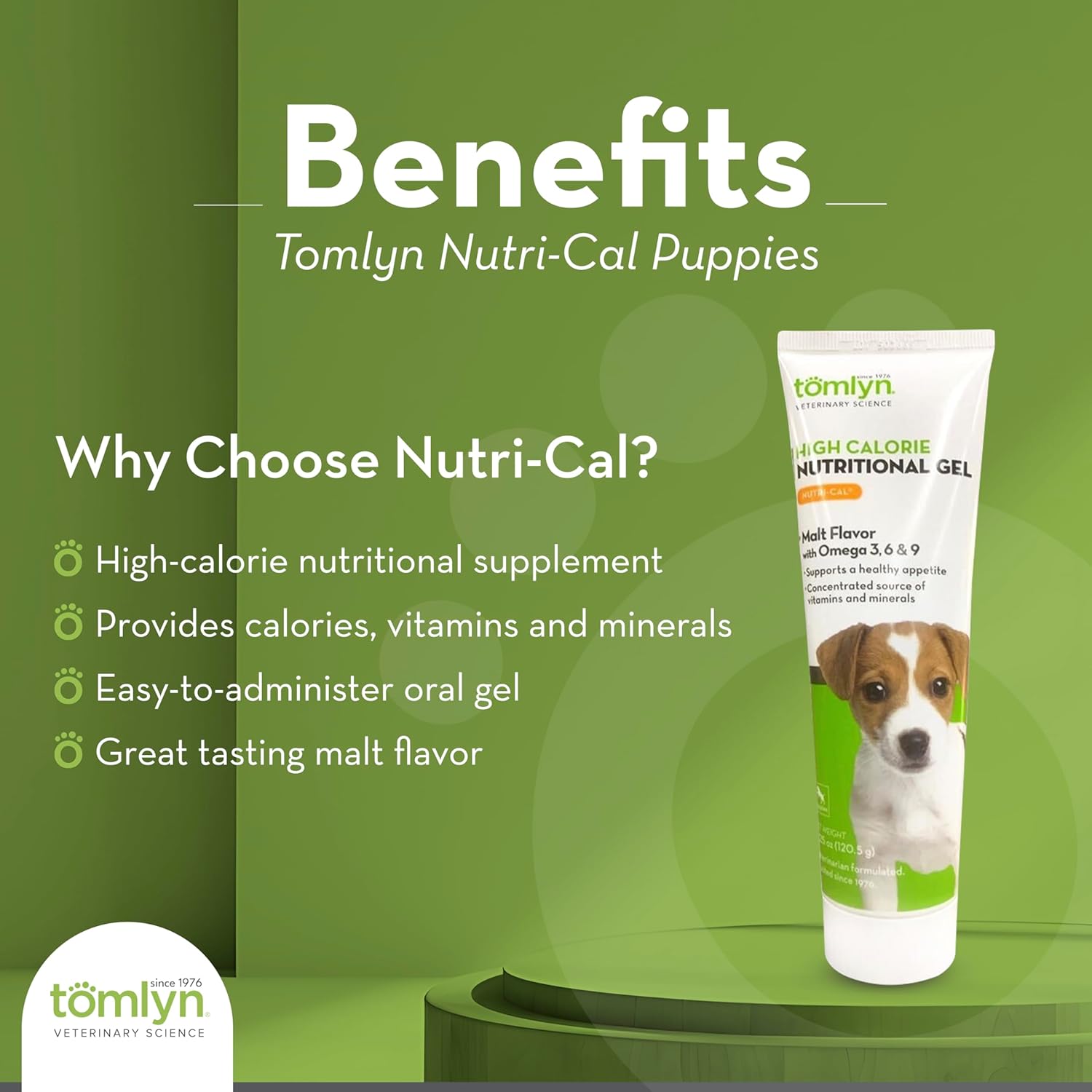
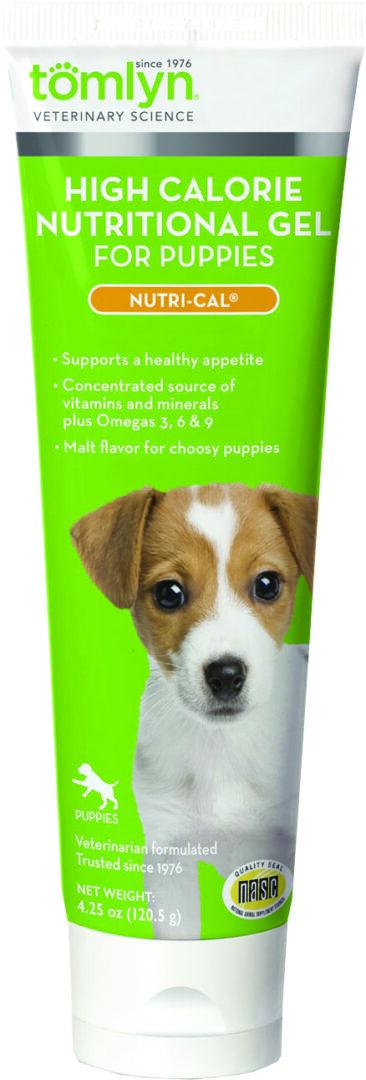
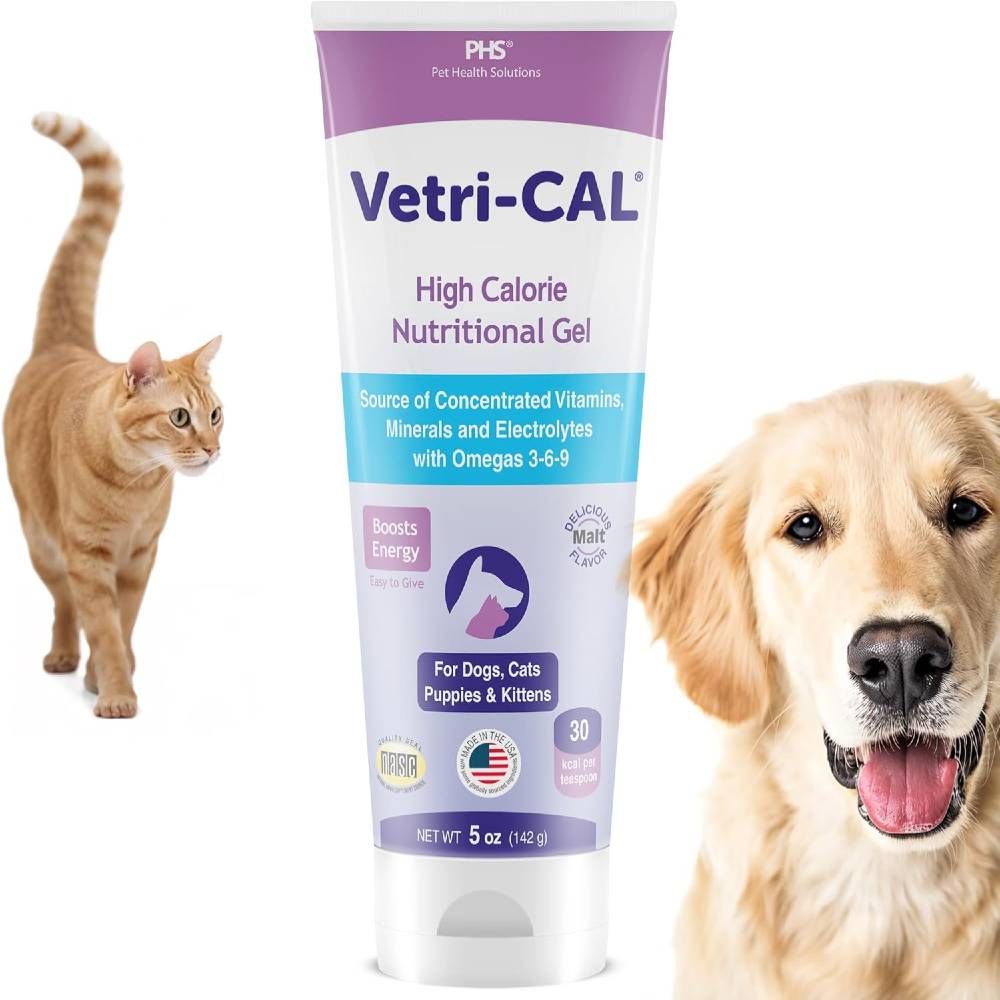
Ensuring optimal nutrition during puppyhood is paramount for healthy development and a strong foundation for life. One specialized tool that can play a crucial role in supporting a puppy’s well-being is a high-calorie nutritional gel. This product provides concentrated energy and essential nutrients in an easily digestible form, designed to give puppies the extra boost they may need. Understanding when and why such a supplement is beneficial allows dog owners to proactively address potential nutritional gaps or energy deficits. Its strategic use can significantly contribute to a puppy’s vitality, growth, and overall quality of life, especially during critical periods of development, recovery, or when facing specific health challenges.
💡 Pet Care Key Takeaways:
- Core Focus: Practical health, nutrition, and wellness guidelines for High Calorie Nutritional Gel For Puppies.
- Target Scope: Pet owners, animal caregivers, and veterinary support staff.
- Best Recommendation: Maintain consistent daily routines and consult an accredited veterinarian before introducing major diet or medical changes.
Common Causes and Key Factors
Several situations can necessitate the use of a high-calorie nutritional gel for puppies, each stemming from various underlying factors. Identifying these common causes helps in determining when supplementation might be appropriate. For more related activities, check out our Natural Balance Puppy Food Quantity Chart.
A primary reason involves puppies that are underweight or failing to thrive. This can occur in large litters where competition for mother’s milk is high, or if a puppy is naturally smaller or weaker than its siblings. Nutritional gels provide an accessible way to supplement caloric intake and encourage healthy weight gain.
Illness or recovery is another significant factor. Puppies battling infections, parasites, or recovering from surgery often experience a decreased appetite and increased energy demands. A high-calorie gel offers concentrated nutrition that is easy to consume, helping to replenish lost energy and support the immune system during convalescence.
Some puppies exhibit finicky eating habits or temporary anorexia due to stress, changes in environment, or minor gastrointestinal upsets. In such cases, a palatable nutritional gel can stimulate appetite and provide vital nutrients when regular food intake is insufficient.
Puppies with exceptionally high energy demands, such as those from highly active breeds or those undergoing rapid growth spurts, may benefit from additional calories to support their metabolism and development. Moreover, small or weak puppies are particularly susceptible to hypoglycemia (low blood sugar). A high-calorie gel can be a rapid and effective way to elevate blood glucose levels and prevent serious complications.
Signs and Symptoms to Observe
Recognizing the signs that a puppy might benefit from a high-calorie nutritional gel is essential for timely intervention. Careful observation of a puppy’s behavior, physical condition, and eating habits can provide valuable clues.
One of the most apparent indicators is low energy levels or lethargy. A healthy puppy is typically energetic and playful. Persistent sluggishness, excessive sleeping beyond normal puppy rest, or disinterest in play might suggest inadequate caloric intake.
Lack of appetite or reduced food intake is another significant symptom. A puppy refusing its regular meals, eating only small amounts, or showing no interest in food over an extended period could be struggling nutritionally.
Weight loss or a failure to gain weight consistently is a critical red flag. Visible ribs, hip bones, or a generally thin appearance are concerning, as is a puppy that remains notably smaller than its littermates over time. Regular weight checks can help monitor growth.
In smaller breeds or very young puppies, weakness or trembling/shaking can be a sign of impending or actual hypoglycemia. This requires immediate attention, as low blood sugar can quickly become life-threatening.
A dull, dry coat or poor overall physical condition can also indicate underlying nutritional deficiencies. While not exclusive to energy deficits, it often accompanies general poor health that a nutritional boost could help address. Observing these signs can guide decisions regarding supplementary care.
Practical Solutions and Management Strategies
When a high-calorie nutritional gel is deemed appropriate, its effective integration into a puppy’s care routine requires thoughtful application. The goal is to provide targeted support without replacing a balanced primary diet.
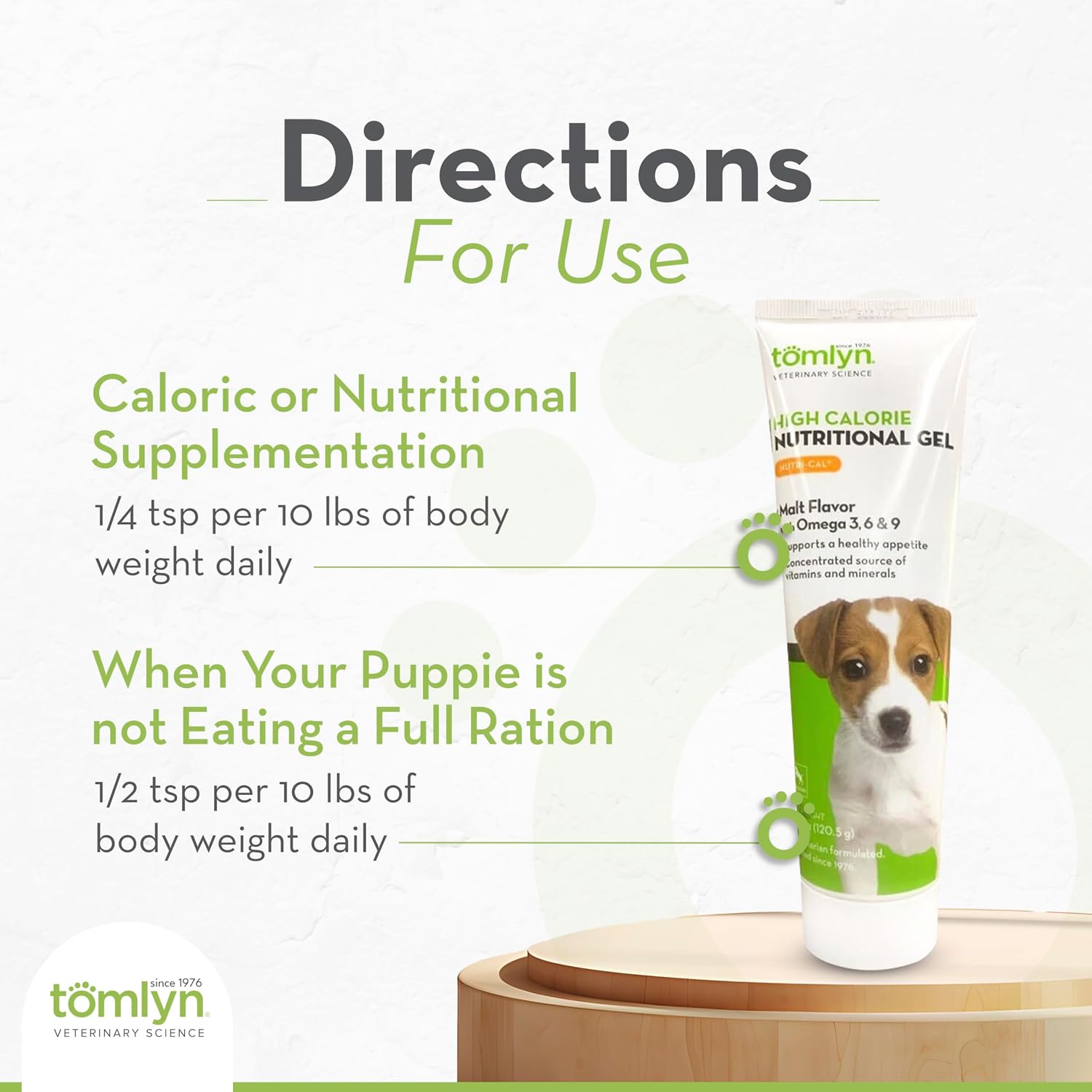
Adhering to proper dosing instructions is fundamental. Manufacturers provide guidelines based on a puppy’s weight and age, but a veterinarian’s advice should always be sought for a tailored recommendation, especially for puppies with health concerns. Over-supplementation can be as detrimental as under-supplementation.
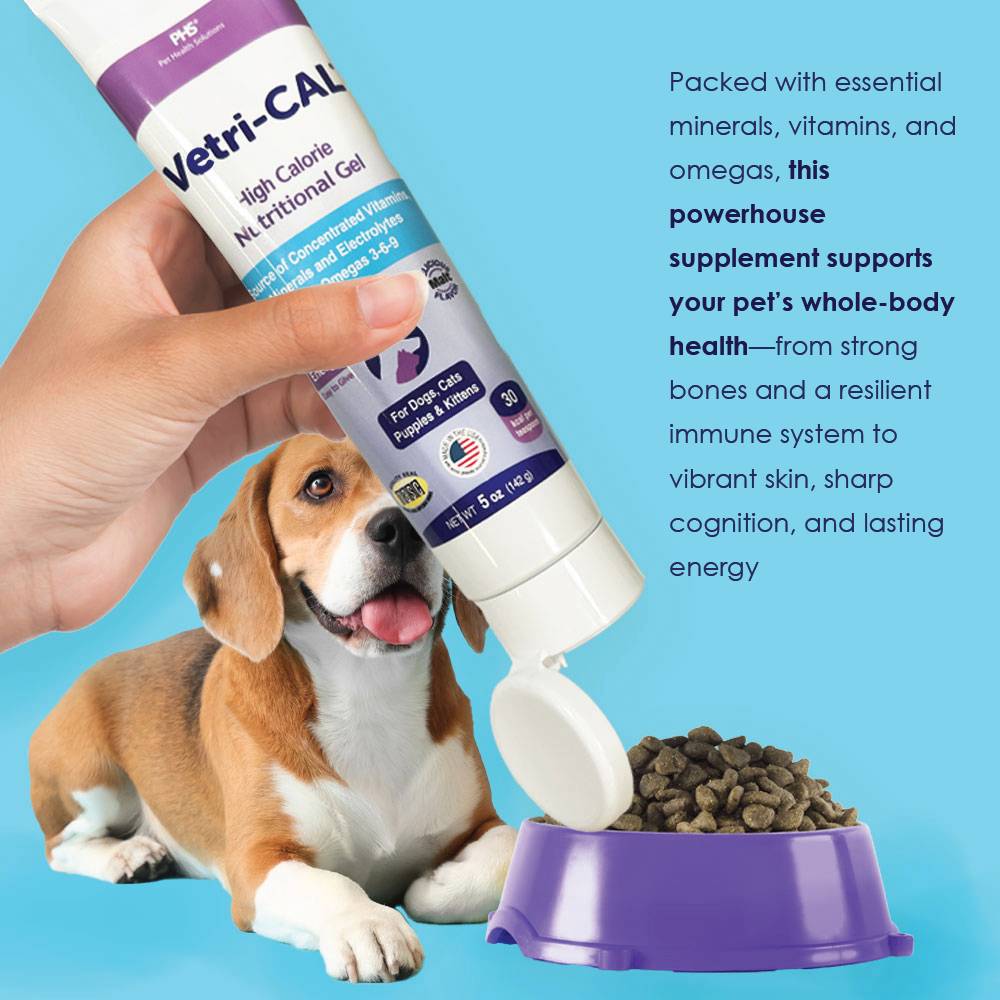
Administering the gel can be done in several ways. Many gels are palatable and can be licked directly from a finger or spoon. For puppies with very poor appetites or weakness, a small, oral syringe can be used to gently place the gel on the gums or tongue, ensuring safe swallowing. The gel can also be mixed into a small amount of wet food to encourage consumption.
It is crucial to remember that a high-calorie nutritional gel is a supplement, not a meal replacement. It should complement a complete and balanced puppy food, providing extra energy and nutrients without displacing the primary source of nutrition. The gel aids in boosting overall caloric intake and nutrient absorption.
Monitoring the puppy’s progress is a vital part of the strategy. Regular weighing, observing energy levels, appetite, and general demeanor helps assess the gel’s effectiveness. Adjustments to the dosage or duration of use can then be made in consultation with a veterinarian.
Finally, creating a supportive environment is essential. This includes ensuring a warm, quiet, and stress-free space, along with constant access to fresh water. As the puppy’s health and appetite improve, a gradual reduction and eventual cessation of the gel can be planned, transitioning fully back to a balanced diet.
When Professional Help May Be Needed
While high-calorie nutritional gels are valuable supportive tools, they are not a substitute for veterinary care. Recognizing when a puppy’s condition warrants professional intervention is crucial for its long-term health and safety.
If a puppy experiences persistent weight loss or a continued failure to thrive despite the consistent use of a nutritional gel, a veterinary consultation is imperative. This indicates that there may be an underlying medical condition that the gel alone cannot address.
Severe lethargy, extreme weakness, or unresponsiveness are emergency signs. These symptoms, particularly when accompanied by trembling or seizures, could point to severe hypoglycemia or other critical health issues requiring immediate veterinary attention.
The presence of vomiting or diarrhea alongside poor appetite or weight loss is also a cause for concern. These symptoms suggest gastrointestinal distress, malabsorption, or infection, which can quickly lead to dehydration and further nutrient depletion.
Any lack of appetite extending for more than 24 hours in a young puppy should prompt a veterinary visit, even if a nutritional gel is being offered. Puppies have limited reserves and can decline rapidly without proper nourishment.
Finally, any other signs of illness, such as fever, difficulty breathing, unusual discharges, or changes in gait, warrant a prompt veterinary assessment. A high-calorie nutritional gel is a supplemental aid; a veterinarian can diagnose underlying conditions and formulate a comprehensive treatment plan that addresses the root cause of the puppy’s struggles.
Conclusion
High-calorie nutritional gels serve as an invaluable resource in the thoughtful care of puppies, offering concentrated energy and essential nutrients during vulnerable times. Understanding their purpose, appropriate application, and the situations in which they can be most beneficial empowers dog owners to provide proactive and supportive care. While these gels can effectively aid in weight gain, boost energy, and support recovery, their role is ultimately supplemental. The foundation of a puppy’s health always rests on a balanced diet, a nurturing environment, and vigilant observation. Recognizing the signs that a puppy might need extra support, combined with timely veterinary consultation when concerns arise, ensures that young dogs receive the comprehensive care necessary to flourish into healthy, vibrant companions. This informed approach fosters strong development and contributes significantly to a puppy’s journey toward a long and happy life.
Pet Care & Wellness Overview Table
| Life Stage | Daily Activity Level | Key Nutrition / Care Focus |
|---|---|---|
| Puppy / Kitten | High (frequent short bursts) | High-protein growth diet & early socialization |
| Adult Companion | Moderate (30–60 mins daily) | Balanced maintenance nutrition & dental hygiene |
| Senior Pets | Low to Gentle (mindful walks) | Joint support (Glucosamine) & routine vet checks |
Images References



For more expert pet care tips and advice, check out our dedicated Dog Nutrition guides to keep your companions healthy and happy.




