

Introduction
Ensuring a puppy’s healthy growth and development is a primary concern for any devoted owner. Sometimes, puppies may struggle to maintain an ideal weight, necessitating a specialized approach to their nutrition. This is where high calorie puppy food for weight gain becomes a crucial consideration. This specific type of diet is formulated to provide an increased caloric density, helping underweight or highly active puppies reach and maintain a healthy body condition. Understanding the role and proper application of such food can significantly contribute to a puppy’s overall well-being, supporting strong bone development, muscle growth, and energy levels essential for their formative months. Addressing weight concerns early can prevent potential health complications and ensure a puppy thrives into adulthood.
💡 Pet Care Key Takeaways:
- Core Focus: Practical health, nutrition, and wellness guidelines for High Calorie Puppy Food For Weight Gain.
- Target Scope: Pet owners, animal caregivers, and veterinary support staff.
- Best Recommendation: Maintain consistent daily routines and consult an accredited veterinarian before introducing major diet or medical changes.
Common Causes and Key Factors
Several factors can lead to a puppy being underweight or requiring a diet rich in calories. One common cause involves underlying health issues, such as intestinal parasites, malabsorption disorders, or chronic illnesses, which can hinder nutrient absorption or increase metabolic demands. Environmental factors, like stress, competition for food among littermates, or an inadequate feeding schedule, can also contribute to insufficient caloric intake. For more related activities, check out our Pitbullnutrition.
Some puppies naturally possess a higher metabolism, particularly those of very active breeds, meaning they burn calories at a faster rate and require more energy to sustain their activity levels. Furthermore, puppies recovering from an illness, surgery, or those experiencing a rapid growth spurt may have temporarily elevated caloric needs to support healing and accelerated development. Ensuring an accurate diagnosis of the root cause, often in consultation with a veterinarian, is essential before implementing significant dietary changes.
Signs and Symptoms to Observe
Recognizing the signs that a puppy might need high calorie puppy food for weight gain involves careful observation of physical appearance and behavior. A primary indicator is a body condition score (BCS) that falls below the ideal range, where ribs, spine, and hip bones are easily visible and felt without much padding. The waistline may appear severely tucked, and there might be a noticeable lack of muscle mass.
Beyond physical cues, an underweight puppy may exhibit lethargy, reduced playfulness, or a general lack of energy compared to its peers. The coat might appear dull or sparse, reflecting poor nutritional status. Some puppies might also show a failure to meet expected growth milestones for their age and breed. Observing consistent low energy, a visible bony structure, or a lack of enthusiasm for food are all signals that warrant attention and potentially a change in dietary strategy.
Practical Solutions and Management Strategies
When addressing the need for weight gain in puppies, selecting an appropriate high calorie puppy food for weight gain is paramount. Such foods are typically dense in calories, rich in easily digestible proteins, and contain higher levels of healthy fats to provide concentrated energy. Owners should look for formulations specifically designed for puppies, ensuring they contain essential nutrients for growth, such as DHA for brain development and balanced calcium-to-phosphorus ratios for bone health.
Feeding frequency also plays a critical role. Instead of one or two large meals, offering smaller, more frequent meals throughout the day can improve digestion and nutrient absorption, maximizing caloric intake without overwhelming the puppy’s digestive system. Creating a calm, consistent feeding environment free from distractions can encourage better food consumption. In some cases, veterinary-approved supplements or palatable food toppers might be recommended to further boost caloric intake and appeal. Regular weighing and body condition scoring allow for monitoring progress and making necessary adjustments to the feeding plan to ensure steady, healthy weight gain.
When Professional Help May Be Needed
While dietary adjustments with high calorie puppy food for weight gain can be highly effective, there are situations where professional veterinary intervention is indispensable. If a puppy consistently fails to gain weight despite appropriate dietary changes, or if weight loss is sudden and unexplained, immediate veterinary consultation is crucial. These circumstances can indicate underlying medical conditions, such as severe parasitic infestations, organ dysfunction, or chronic diseases, that require specific medical treatment.
A veterinarian can perform a thorough examination, conduct diagnostic tests, and rule out or identify any health issues contributing to the puppy’s low weight. They can also provide tailored nutritional advice, recommend specific therapeutic diets, or prescribe medications if necessary. Furthermore, professional guidance is invaluable for establishing an appropriate feeding plan, determining ideal caloric intake for a puppy’s specific needs, and advising on safe and effective weight gain strategies to ensure the puppy’s long-term health and well-being.
Conclusion
Navigating the nutritional needs of a growing puppy, particularly when weight gain is a concern, requires diligence and informed choices. The strategic use of high calorie puppy food for weight gain offers a targeted solution for puppies that are underweight, highly active, or recovering from illness. Owners must remain vigilant in observing their puppy’s physical condition and energy levels, recognizing that a healthy weight is fundamental to proper development. By combining careful observation with appropriate dietary adjustments and seeking professional veterinary guidance when necessary, owners can ensure their young canine companions receive the essential support needed to grow into healthy, happy adults. Prioritizing a puppy’s nutritional well-being is a cornerstone of responsible pet ownership and a vital step in fostering a lifetime of health.
Pet Care & Wellness Overview Table
| Life Stage | Daily Activity Level | Key Nutrition / Care Focus |
|---|---|---|
| Puppy / Kitten | High (frequent short bursts) | High-protein growth diet & early socialization |
| Adult Companion | Moderate (30–60 mins daily) | Balanced maintenance nutrition & dental hygiene |
| Senior Pets | Low to Gentle (mindful walks) | Joint support (Glucosamine) & routine vet checks |
Images References


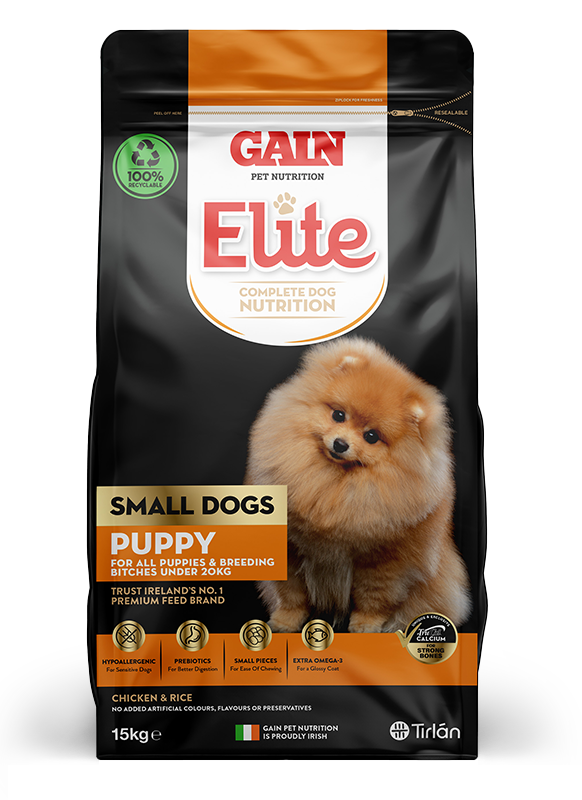



For more expert pet care tips and advice, check out our dedicated Dog Nutrition guides to keep your companions healthy and happy.




