
Introduction
Ensuring a puppy’s healthy growth and development is a primary concern for any dedicated dog owner. In certain circumstances, puppies may require a specific nutritional approach to achieve optimal body weight and support their rapid development. This targeted strategy is often referred to as “high calorie puppy food weight gain.” It involves carefully selecting and administering specialized diets designed to provide concentrated energy and nutrients, aiding puppies that are underweight, recovering from illness, or have unusually high metabolic demands. Understanding when and why this approach is beneficial, and how to implement it safely, is crucial for improving a dog’s overall well-being and ensuring a strong foundation for a healthy life.
💡 Pet Care Key Takeaways:
- Core Focus: Practical health, nutrition, and wellness guidelines for High Calorie Puppy Food Weight Gain.
- Target Scope: Pet owners, animal caregivers, and veterinary support staff.
- Best Recommendation: Maintain consistent daily routines and consult an accredited veterinarian before introducing major diet or medical changes.
Common Causes and Key Factors
The necessity for a high-calorie puppy food strategy for weight gain typically stems from several underlying factors, none of which should be addressed without professional veterinary guidance. One common cause is a puppy being born as a “runt” or the smallest in a litter, struggling to compete for resources during nursing. Similarly, puppies rescued from difficult circumstances often present underweight and malnourished, requiring intensive nutritional support. For more related activities, check out our “Fortiflora” And “Gut Health”.
Health challenges also play a significant role. Puppies recovering from illnesses, parasites, or surgeries may have increased caloric needs to facilitate healing and regain lost weight. Some breeds, particularly very active or large and giant breeds with exceptionally rapid growth spurts, might naturally burn through calories at an accelerated rate, making it challenging to maintain an ideal body condition on standard puppy food. Malabsorption issues, though less common, can also hinder nutrient uptake, necessitating a more energy-dense diet. Environmental factors, such as high stress or competition for food in multi-pet households, can also contribute to a puppy’s inability to gain weight effectively.
Signs and Symptoms to Observe
Identifying a puppy that genuinely needs a weight gain strategy involves careful observation of physical indicators and overall demeanor. One of the most prominent signs is the visible prominence of ribs, spine, and hip bones, which are not merely easily felt but distinctly apparent even without palpation. A lack of adequate muscle mass, making the puppy feel bony rather than firm, is another key indicator.
Behavioral cues can also provide insights. A consistently low energy level or lethargy, even after sufficient rest, may suggest insufficient caloric intake. Poor coat quality, characterized by dullness, dryness, or excessive shedding, can also be linked to nutritional deficiencies. It is important to compare a puppys growth rate against breed-specific growth charts and the development of littermates or other puppies of the same age; a noticeable lag in growth or failure to meet expected milestones can signal a need for intervention. In severe cases, puppies may struggle to maintain a stable body temperature due to a lack of insulating fat. Distinguishing between a naturally lean, healthy puppy and one that is genuinely underweight requires a professional assessment.
Practical Solutions and Management Strategies
Implementing a successful high-calorie puppy food weight gain plan requires a thoughtful and gradual approach, always commencing with a thorough veterinary consultation. The veterinarian will accurately assess the puppy’s body condition, rule out any underlying medical issues, and recommend a specific caloric target and feeding schedule.
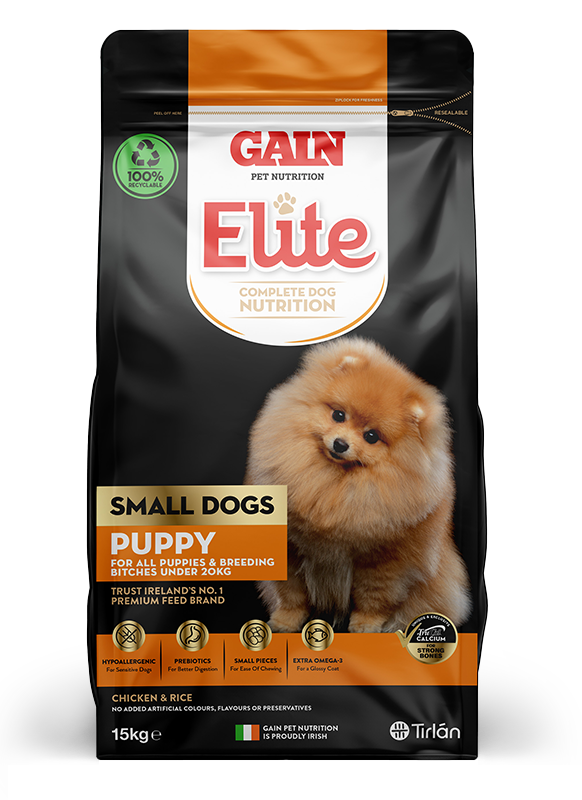
Selecting the appropriate food is paramount. Owners should look for formulations explicitly labeled “high calorie,” “performance,” “growth,” or specific “large breed puppy” diets. These foods are typically more energy-dense, often featuring higher fat content (a concentrated source of calories) and high-quality proteins essential for muscle development. Digestibility is also crucial, as a puppy needs to absorb the nutrients efficiently.
Feeding frequency and portion sizes require careful management. Instead of increasing meal sizes dramatically, offering smaller, more frequent meals throughout the day can improve digestion and nutrient absorption, preventing an overloaded digestive system. Gradual increases in food quantity, as advised by the veterinarian, allow the puppy’s system to adapt. If recommended, certain supplements like probiotics can support gut health and enhance nutrient absorption. Creating a calm, consistent feeding environment, free from competition from other pets or household disturbances, can also encourage better food intake. Regular monitoring of the puppy’s weight and body condition score will help track progress and allow for adjustments to the feeding plan as needed. When transitioning to a new food, a slow, gradual introduction over several days prevents digestive upset.
When Professional Help May Be Needed
Professional veterinary consultation is not merely an option but a critical first step when considering a high-calorie diet for puppy weight gain. A veterinarian’s assessment is essential to confirm that a puppy is indeed underweight and to rule out any underlying medical conditions, such as parasites, malabsorption disorders, or other illnesses, that might be preventing healthy weight gain. Attempting to address weight issues without a diagnosis can delay appropriate treatment and potentially worsen a puppy’s health.
Further veterinary intervention is needed if a puppy fails to gain weight despite dietary adjustments, or if it experiences any adverse reactions to a new food, such as persistent diarrhea, vomiting, or a sudden loss of appetite. These symptoms could indicate digestive intolerance or an ongoing health issue requiring medical attention. Regular follow-up appointments allow the veterinarian to monitor the puppy’s progress, adjust the nutritional plan as development progresses, and ensure the puppy is thriving safely and appropriately.
Conclusion
The strategic use of high-calorie puppy food for weight gain represents a vital nutritional intervention for puppies facing specific health challenges or developmental needs. It is a carefully considered approach, designed to provide concentrated energy and essential nutrients to support healthy growth and a robust immune system. However, its implementation must always be guided by professional veterinary advice, ensuring that the need is genuine and that any underlying health issues are addressed. Through attentive observation, appropriate dietary choices, and consistent monitoring, dog owners can effectively support their puppies in achieving an optimal body condition, laying a strong foundation for a vibrant and healthy life. Prioritizing responsible and informed care remains paramount for the well-being of every furry companion.
Pet Care & Wellness Overview Table
| Life Stage | Daily Activity Level | Key Nutrition / Care Focus |
|---|---|---|
| Puppy / Kitten | High (frequent short bursts) | High-protein growth diet & early socialization |
| Adult Companion | Moderate (30–60 mins daily) | Balanced maintenance nutrition & dental hygiene |
| Senior Pets | Low to Gentle (mindful walks) | Joint support (Glucosamine) & routine vet checks |
Images References




For more expert pet care tips and advice, check out our dedicated Dog Nutrition guides to keep your companions healthy and happy.




