

Introduction
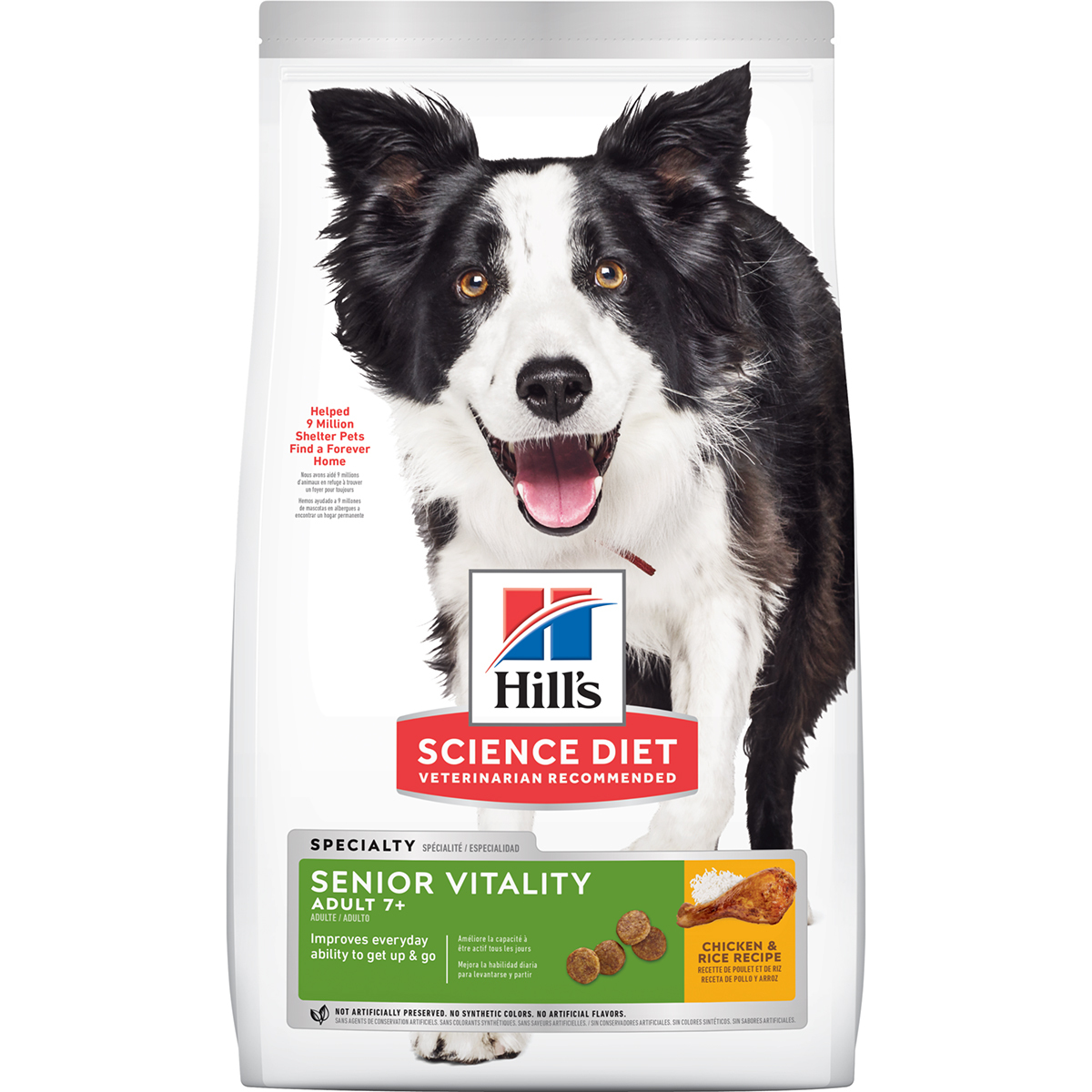
As dogs transition into their senior years, their nutritional requirements often shift significantly. While some older canines may face weight gain due to decreased activity, a notable segment experiences unintended weight loss, muscle wasting, or difficulty maintaining a healthy body condition. This is where the specialized diet known as “high calorie senior dog food” becomes a crucial consideration for maintaining an aging companion’s health and vitality. Understanding this dietary approach involves recognizing the unique physiological changes in senior dogs and how a nutrient-dense diet can help counteract age-related challenges, ultimately improving their well-being and overall quality of life.
💡 Pet Care Key Takeaways:
- Core Focus: Practical health, nutrition, and wellness guidelines for High Calorie Senior Dog Food.
- Target Scope: Pet owners, animal caregivers, and veterinary support staff.
- Best Recommendation: Maintain consistent daily routines and consult an accredited veterinarian before introducing major diet or medical changes.
Common Causes and Key Factors
Several factors contribute to a senior dog’s potential need for high-calorie food. Age-related physiological changes are primary among these. As dogs age, nutrient absorption in the gastrointestinal tract can become less efficient, meaning more calories and nutrients are needed just to maintain existing body mass. Dental issues, such as painful teeth or gum disease, can make eating uncomfortable or difficult, leading to reduced food intake. Furthermore, a decrease in the senses of smell and taste can make food less appealing, resulting in a diminished appetite. For more related activities, check out our Pitbullnutrition.
Underlying medical conditions frequently play a role. Chronic diseases common in senior dogs, such as kidney disease, heart disease, or cancer, can lead to muscle loss (sarcopenia) and a general decline in body condition. Some gastrointestinal disorders can impair digestion and absorption, necessitating a more calorie-dense diet. Additionally, certain medications prescribed for age-related ailments may have side effects that suppress appetite or affect nutrient metabolism.
While less common, some senior dogs may also exhibit increased energy expenditure due to conditions like cognitive dysfunction, which can manifest as restlessness or pacing. Environmental factors, such as competition for food in multi-pet households or insufficient access to food, though less direct, can also contribute to a senior dog’s weight loss. Recognizing these diverse factors is the first step in addressing the need for specialized nutrition.
Signs and Symptoms to Observe
Identifying the need for high-calorie senior dog food begins with careful observation of a dog’s physical condition and eating habits. The most evident sign is noticeable weight loss, where ribs, hips, and spine may become more prominent and easily palpable without significant pressure. This is often accompanied by a visible decrease in muscle mass, particularly over the hindquarters, back, and shoulders, which can contribute to weakness and difficulty with mobility.
Changes in appetite or eating behavior are also key indicators. A senior dog might show reduced enthusiasm for meals, become pickier about food, or take an unusually long time to finish eating. Sometimes, a dog may approach its food bowl but then walk away without consuming much, or drop food due to dental pain. Lethargy, decreased energy levels, and an overall reduction in activity that is more pronounced than typical aging can also signal inadequate calorie intake. Furthermore, a dull, dry, or poor-quality coat can be a symptom of nutritional deficiencies. Observing these signs consistently, especially if they are progressive, warrants further investigation into dietary adjustments.
Practical Solutions and Management Strategies
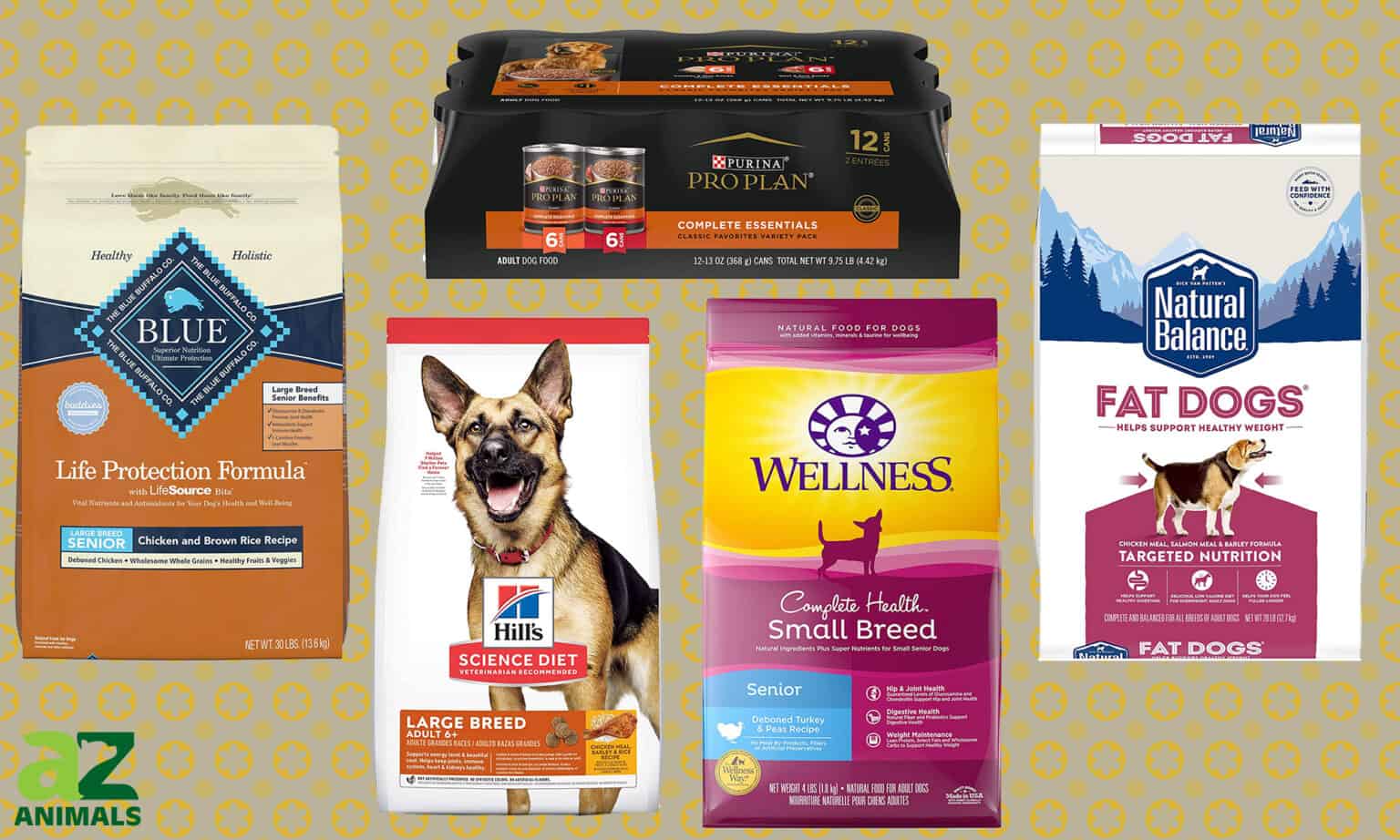
Implementing high-calorie senior dog food requires careful selection and strategic feeding. The chosen food should be highly digestible, nutrient-dense, and palatable to encourage consumption. Look for options with higher fat content (which provides concentrated calories) and ample, high-quality protein to support muscle maintenance, rather than just preventing further loss. Ingredients that are easily broken down and absorbed are crucial for seniors with potentially compromised digestive systems.
Feeding strategies can significantly impact success. Offering smaller, more frequent meals throughout the day can be less overwhelming for an older dog and help manage any digestive sensitivities. Creating a quiet, calm, and accessible feeding environment can reduce stress and encourage eating. Enhancing palatability through simple methods like warming the food to release its aroma or adding a small amount of low-sodium broth, water, or a vet-approved topper can entice a hesitant eater.
Regular monitoring of a dog’s weight and body condition score is essential to track progress. A gradual transition to the new diet, typically over 7-10 days, helps prevent gastrointestinal upset. Ensuring excellent dental hygiene is also paramount; pain-free chewing is fundamental to adequate food intake. Consistent access to fresh, clean water must always be provided, as hydration is vital for overall health and nutrient metabolism.
When Professional Help May Be Needed
While careful dietary management can address many senior dog nutritional needs, there are situations where veterinary consultation or professional nutritional guidance becomes essential. Persistent or unexplained weight loss, even after adjustments to a high-calorie diet, always warrants a thorough veterinary examination. This could indicate an underlying medical condition that requires specific treatment beyond dietary changes.
Other alarming symptoms that necessitate immediate veterinary attention include sudden or severe changes in appetite, persistent vomiting, diarrhea, lethargy, or any signs of pain or discomfort during eating. A veterinarian can conduct diagnostic tests to identify conditions such as kidney disease, hyperthyroidism, cancer, or dental issues that contribute to weight loss and malnourishment.
Furthermore, if difficulty arises in selecting an appropriate high-calorie senior dog food, or if a dog has complex medical conditions requiring a highly specialized diet, consulting with a veterinarian or a board-certified veterinary nutritionist is highly recommended. These professionals can provide tailored dietary plans that consider specific health needs, medication interactions, and individual preferences, ensuring the best possible nutritional support for an aging companion.
Conclusion
Recognizing and addressing the unique nutritional demands of an aging canine is a cornerstone of responsible pet ownership. High calorie senior dog food offers a targeted solution for older dogs experiencing weight loss, muscle atrophy, or decreased appetite, helping to maintain their energy levels, support organ function, and preserve overall vitality. Understanding the contributing factors, observing key signs, and implementing practical feeding strategies are crucial steps in this process. Prioritizing consistent observation and not hesitating to seek professional veterinary guidance when necessary empowers owners to provide the most appropriate and supportive care, thereby enhancing a beloved senior dog’s comfort and quality of life through their golden years.
Pet Care & Wellness Overview Table
| Life Stage | Daily Activity Level | Key Nutrition / Care Focus |
|---|---|---|
| Puppy / Kitten | High (frequent short bursts) | High-protein growth diet & early socialization |
| Adult Companion | Moderate (30–60 mins daily) | Balanced maintenance nutrition & dental hygiene |
| Senior Pets | Low to Gentle (mindful walks) | Joint support (Glucosamine) & routine vet checks |
Images References



For more expert pet care tips and advice, check out our dedicated Dog Nutrition guides to keep your companions healthy and happy.




