

Introduction
Understanding a dog’s nutritional needs is fundamental to ensuring a long, healthy, and vibrant life. Among the various nutrients essential for canine well-being, protein plays a critical role in almost every bodily function. For some dogs, a standard diet may require additional support to meet specific protein demands, leading owners to consider high protein supplements for dogs. These supplements are specifically designed to provide an additional concentrated source of protein, complementing a dogs regular diet. This topic becomes particularly relevant for pet owners whose dogs are highly active, aging, recovering from illness or injury, or require support for muscle maintenance and development. Gaining insight into the appropriate use and benefits of high protein supplementation can significantly contribute to a dog’s physical health, energy levels, and overall quality of life.
💡 Pet Care Key Takeaways:
- Core Focus: Practical health, nutrition, and wellness guidelines for High Protein Supplements For Dogs.
- Target Scope: Pet owners, animal caregivers, and veterinary support staff.
- Best Recommendation: Maintain consistent daily routines and consult an accredited veterinarian before introducing major diet or medical changes.
Common Causes and Key Factors
The decision to consider high protein supplements for dogs often stems from various factors related to a dog’s life stage, activity level, or health status. Young, growing puppies, for instance, have elevated protein requirements to support rapid development of muscles, bones, and organs. Highly active or working dogs, such as agility competitors, hunting dogs, or service animals, expend significant energy and experience greater muscle turnover, necessitating increased protein intake for repair and recovery. For more related activities, check out our Ol Roy Ingredients List.
As dogs age, many experience sarcopenia, a natural loss of muscle mass. High-quality protein supplementation can help mitigate this decline, supporting mobility and maintaining lean body mass in senior canines. Additionally, dogs recovering from surgery, injury, or certain illnesses may benefit from an extra protein boost to aid in tissue repair and immune function. Certain dietary choices, while otherwise balanced, may not provide optimal protein levels for a dog with specific performance or health goals. Understanding these underlying needs is crucial before considering any form of supplementation.
Signs and Symptoms to Observe
Observing a dogs physical condition and behavior can provide clues regarding its nutritional status, including potential protein needs. Signs that a dog might benefit from enhanced protein intake include noticeable muscle wasting, particularly in senior dogs or those recovering from periods of inactivity. A dull, brittle coat, excessive shedding, or slow wound healing can also indicate insufficient protein, as protein is vital for skin and coat health and tissue regeneration.
Lethargy, poor stamina during exercise, or a prolonged recovery time after physical activity might suggest that current protein levels are not adequately supporting muscle repair and energy metabolism. While these signs can be indicative of various health issues, they warrant a review of the dog’s diet and a discussion with a veterinary professional. Conversely, it is important to note that excessive protein, especially in dogs with pre-existing kidney or liver conditions, can manifest as increased thirst, urination, or digestive upset, highlighting the importance of balanced nutrition and professional guidance.
Practical Solutions and Management Strategies
When considering high protein supplements for dogs, a strategic approach ensures both safety and effectiveness. The initial step involves a thorough review of the dog’s current diet with a veterinarian or a certified veterinary nutritionist. This assessment helps determine if supplementation is truly necessary or if the existing diet can be adjusted to meet protein requirements.
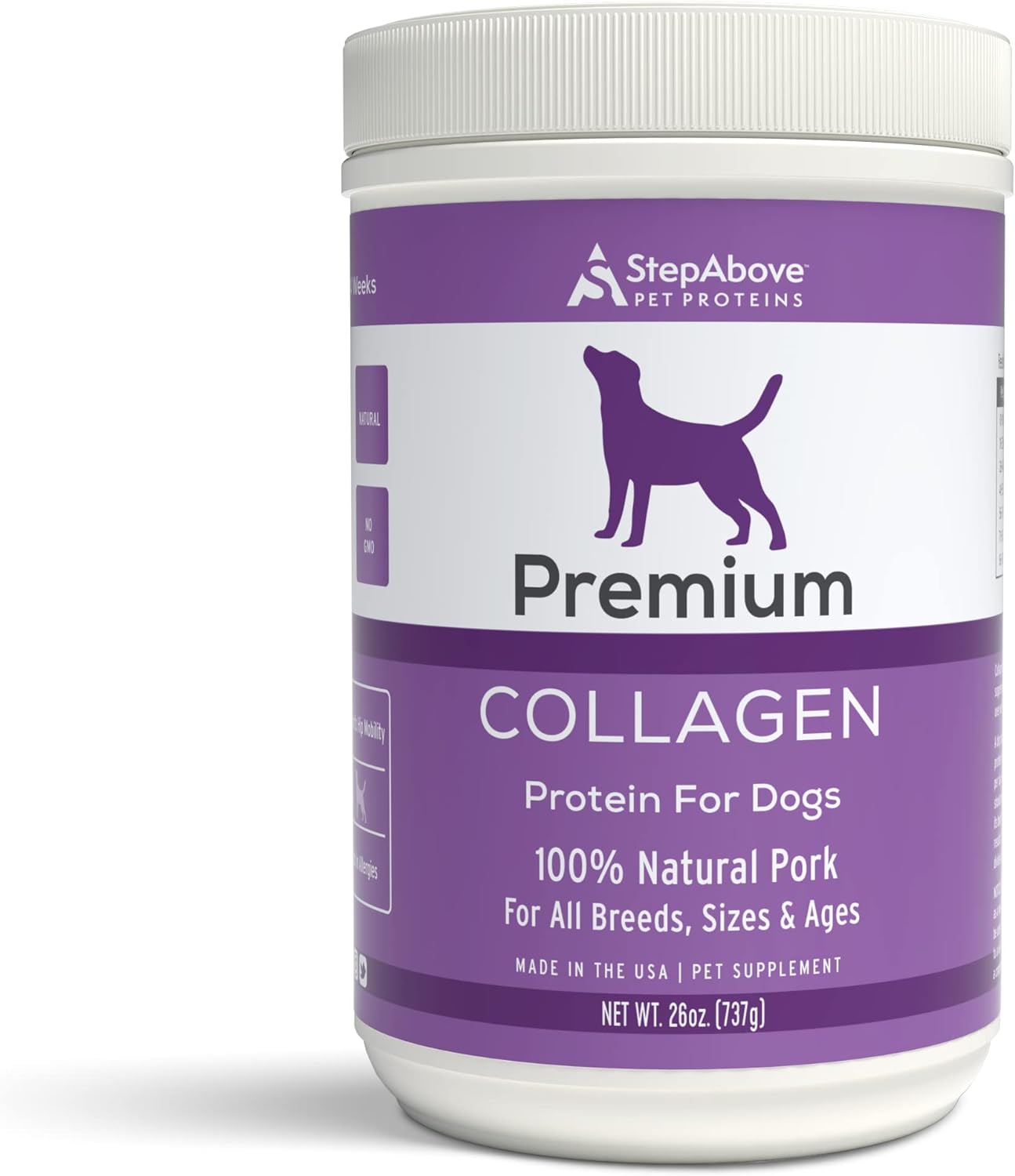
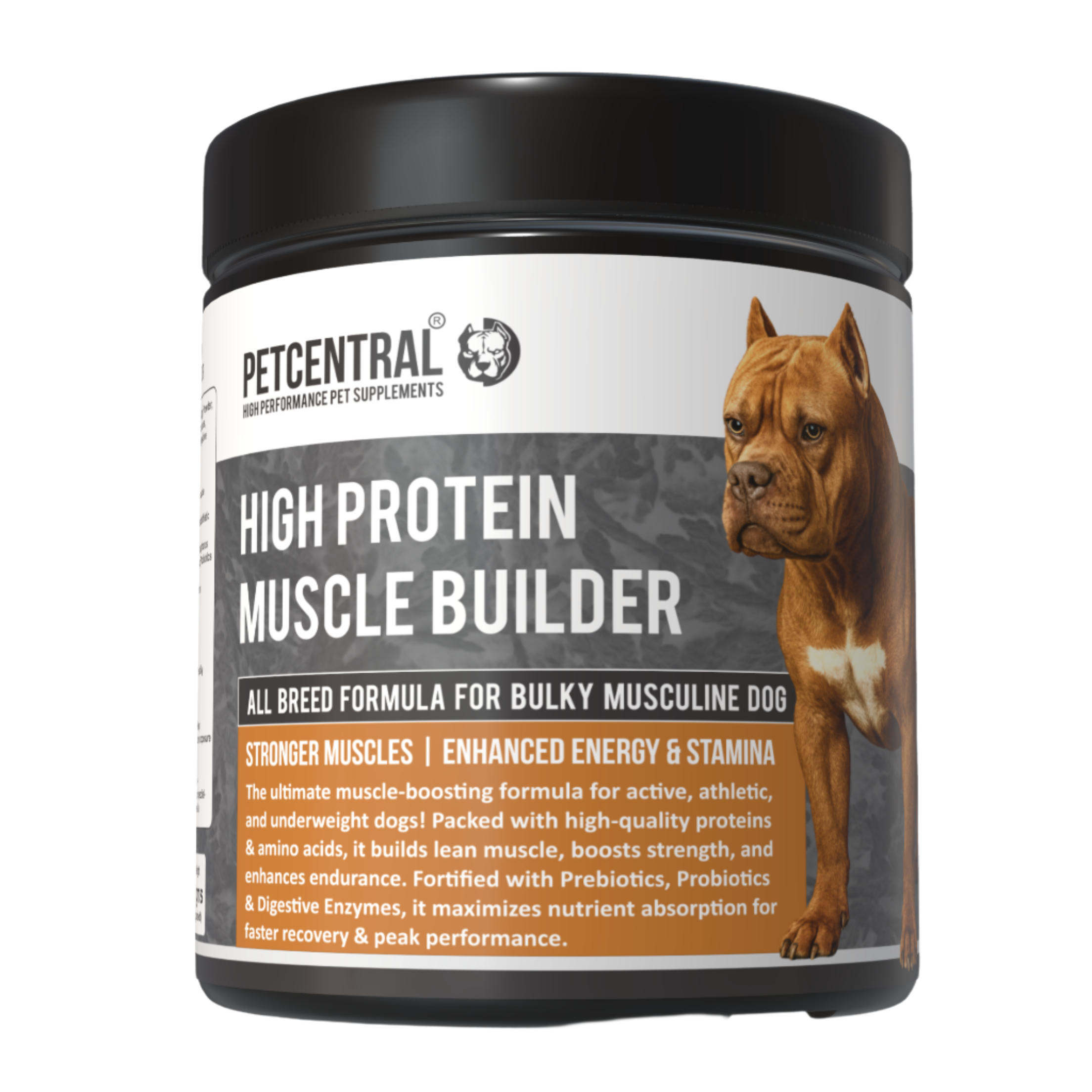
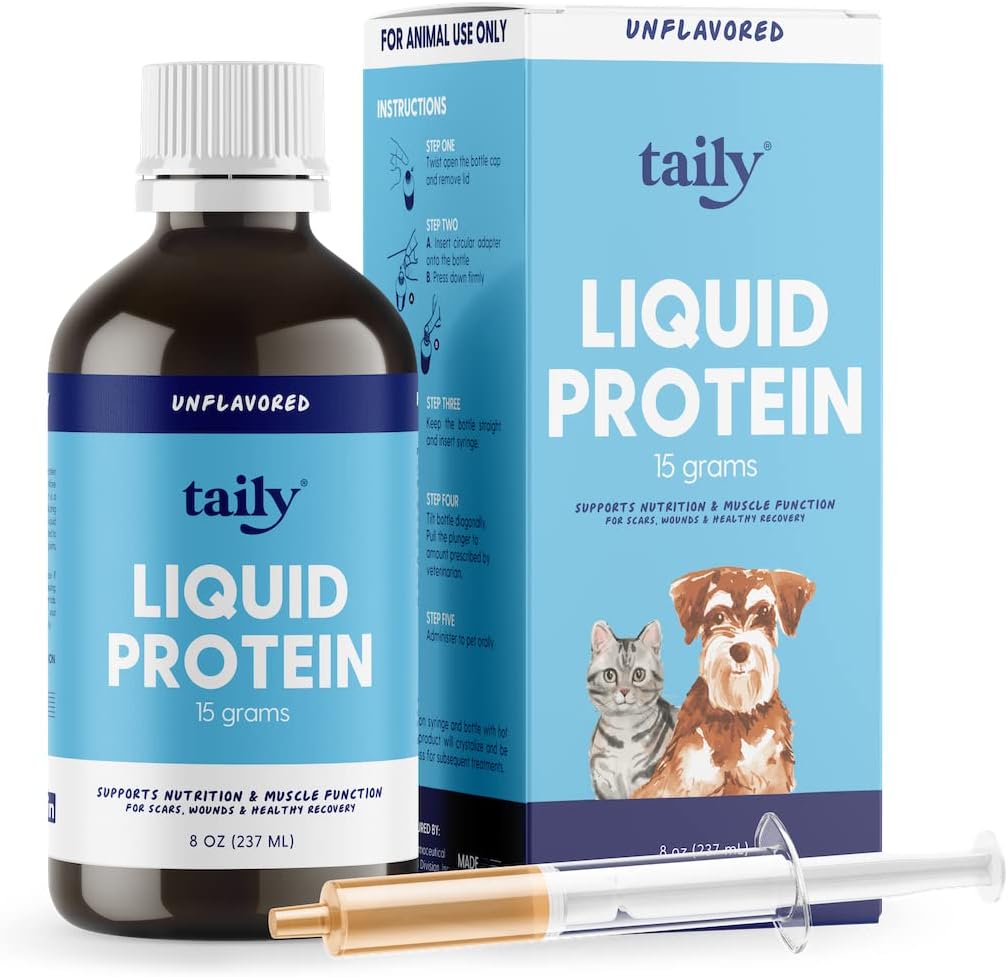
Should supplementation be deemed appropriate, choosing a high-quality product is paramount. Supplements are available in various forms, including powders, chews, and meal toppers, with common protein sources being whey, casein, egg, and meat concentrates. When selecting a supplement, prioritize products from reputable brands that provide clear ingredient lists, dosage instructions, and ideally, third-party testing for purity and safety.
Introducing any new supplement gradually is recommended to allow the dog’s digestive system to adjust. Careful adherence to manufacturer dosing guidelines, alongside veterinary recommendations, prevents over-supplementation. Continuous monitoring of the dogs health, energy levels, coat quality, and digestive function will help assess the supplement’s efficacy and any potential adverse reactions. It is crucial to remember that supplements are intended to complement a complete and balanced diet, not replace it.
When Professional Help May Be Needed
The decision to incorporate high protein supplements for dogs should ideally be made in consultation with a veterinary professional. This is particularly important before introducing any new supplement to puppies, senior dogs, or dogs with pre-existing health conditions such as kidney disease, liver disease, or allergies. A veterinarian can provide tailored advice based on a dog’s specific breed, age, activity level, and medical history.
Professional guidance is also indispensable if a dog exhibits any concerning signs of protein deficiency or excess, or if its general health is not improving despite dietary adjustments. A veterinary nutritionist can formulate a precise dietary plan that incorporates the right balance of macronutrients and micronutrients, ensuring the dog receives optimal nutrition without risk of harm. Regular veterinary check-ups allow for ongoing assessment and adjustment of dietary strategies as a dog’s needs evolve throughout its life.
Conclusion
High protein supplements for dogs can play a valuable role in supporting canine health and vitality, particularly for dogs with elevated nutritional demands due to life stage, activity level, or recovery needs. Understanding the ‘why’ behind supplementation, recognizing observable signs, and implementing practical, informed strategies are key to harnessing these benefits responsibly. Prioritizing high-quality products and, most importantly, seeking professional veterinary guidance before introducing any new supplement ensures that decisions are made in the dog’s best interest. A holistic approach to canine nutrition, combining a balanced diet with targeted supplementation when necessary, is fundamental to fostering a dog’s optimal well-being and a fulfilling life.
Pet Care & Wellness Overview Table
| Life Stage | Daily Activity Level | Key Nutrition / Care Focus |
|---|---|---|
| Puppy / Kitten | High (frequent short bursts) | High-protein growth diet & early socialization |
| Adult Companion | Moderate (30–60 mins daily) | Balanced maintenance nutrition & dental hygiene |
| Senior Pets | Low to Gentle (mindful walks) | Joint support (Glucosamine) & routine vet checks |
Images References



For more expert pet care tips and advice, check out our dedicated Dog Nutrition guides to keep your companions healthy and happy.




