Introduction
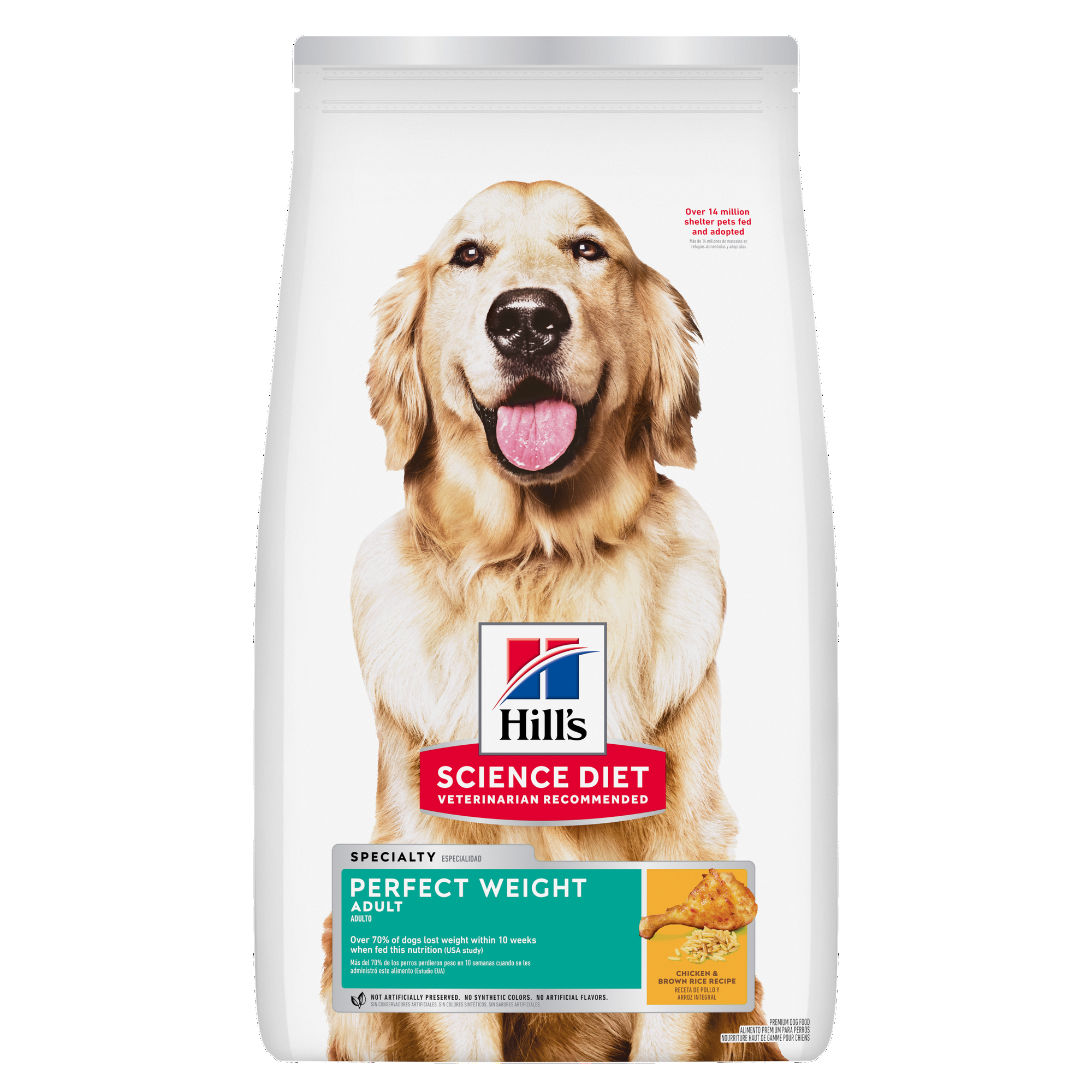
Maintaining an ideal body weight is paramount for a dog’s overall health and longevity. The concept of “Hill’s Diet Perfect Weight” refers to a comprehensive approach to canine nutrition, often involving specialized pet food formulations from Hill’s Pet Nutrition, designed to help dogs achieve and maintain their optimal weight. This is particularly relevant given the rising prevalence of canine obesity, a condition that can significantly impact a dog’s quality of life and predispose them to various health complications. Understanding the principles behind achieving a perfect weight, often supported by targeted dietary solutions, can lead to substantial improvements in a dogs physical well-being, energy levels, and overall happiness. Explore more in our Dog Nutrition collection.
💡 Pet Care Key Takeaways:
- Core Focus: Practical health, nutrition, and wellness guidelines for Hills Diet Perfect Weight.
- Target Scope: Pet owners, animal caregivers, and veterinary support staff.
- Best Recommendation: Maintain consistent daily routines and consult an accredited veterinarian before introducing major diet or medical changes.
Common Causes and Key Factors
Several factors contribute to a dog being overweight or struggling to reach a perfect weight. A primary cause is an imbalance between caloric intake and expenditure. Overfeeding, even by small amounts daily, accumulates over time. This often involves inaccurate portion sizing, excessive high-calorie treats, or supplementing meals with human food not appropriate for canine consumption. For more related activities, check out our “Fortiflora” And “Gut Health”.
Insufficient physical activity is another significant contributor. Many dogs, especially those living in urban environments or with less active lifestyles, do not receive adequate exercise to burn off consumed calories. Age also plays a role, as a dog’s metabolism naturally slows down with maturity, requiring fewer calories to maintain weight. Discover more free resources across our collection library.
Genetic predisposition can make certain breeds more susceptible to weight gain, including Labrador Retrievers, Beagles, Dachshunds, and Pugs. Additionally, sterilization (spaying or neutering) can alter a dog’s metabolism, leading to a reduced caloric need. While essential for pet population control and health, this procedure necessitates careful adjustment of diet and exercise to prevent weight gain. Less commonly, underlying medical conditions such as hypothyroidism can also contribute to weight gain, though these typically present with other symptoms and require veterinary diagnosis.
Signs and Symptoms to Observe
Recognizing when a dog is not at its perfect weight is crucial for timely intervention. Observable signs often include difficulty feeling the dog’s ribs without pressing firmly, as they become covered by an excessive layer of fat. A healthy dog should exhibit a discernible waistline when viewed from above, tapering in behind the ribs. An absence of this waistline, or a body shape that is more tubular or rounded, indicates excess weight.
A sagging abdomen or a pronounced belly can also be a clear indicator. Beyond physical appearance, behavioral changes may signal a weight issue. These can include reduced stamina during walks or playtime, increased lethargy, or reluctance to engage in physical activities that were once enjoyed. Dogs carrying excess weight may also struggle with mobility, experiencing difficulty jumping onto furniture or climbing stairs. Increased panting, even after minimal exertion, can also be a symptom of a dog working harder to move its body. These signs can vary based on the dog’s age, breed, and individual metabolism, making regular observation essential.
Practical Solutions and Management Strategies
Achieving and maintaining a dog’s perfect weight typically involves a multi-faceted approach, with specialized diets playing a central role. The initial and most critical step involves a consultation with a veterinarian to accurately assess the dog’s current body condition score, determine its ideal weight, and rule out any underlying medical conditions contributing to weight gain.
A veterinarian may recommend a specific weight management food, such as formulations from the Hill’s Perfect Weight line. These diets are typically designed with a precise balance of lower calories, higher fiber content for satiety, and specific nutrients to support lean muscle mass during weight loss. It is important to transition to any new food gradually to avoid digestive upset.
Accurate portion control is paramount. Feeding guidelines on pet food packaging should be followed meticulously, often using a kitchen scale for precise measurement rather than relying on scoops, as scoop sizes can vary. Establishing a consistent feeding schedule, typically two meals a day, can help manage hunger and metabolism.
Complementary to dietary changes, a structured exercise routine tailored to the dog’s breed, age, and current fitness level is essential. This could involve daily walks, fetch, swimming, or engaging in dog sports. Activity levels should be increased gradually to prevent injury. Treat management also requires attention; opting for low-calorie dog treats or healthy alternatives like plain carrots, green beans, or apple slices (in moderation) is advisable. The calories from treats should always be factored into the dogs total daily caloric intake. Consistent monitoring through regular weigh-ins and body condition scoring at home or during vet visits helps track progress and allows for adjustments to the plan as needed.
When Professional Help May Be Needed
While many owners can successfully manage a dog’s weight with careful attention to diet and exercise, there are situations where professional veterinary intervention or specialized guidance becomes indispensable. If a dog is not showing consistent weight loss despite dedicated efforts with a structured diet and exercise plan, a veterinary re-evaluation is warranted to explore potential medical reasons or to adjust the management strategy.
Professional help is also crucial if a dog exhibits other concerning health symptoms in conjunction with weight issues, as these could indicate a more complex underlying condition. For dogs with significant obesity, concurrent health problems (such as arthritis or heart conditions), or those requiring a highly individualized weight loss plan, a veterinarian can provide a tailored approach, monitor progress safely, and recommend appropriate dietary solutions and activity modifications. Veterinary professionals can offer precise body condition scoring, set realistic ideal weight targets, and provide ongoing support and adjustments throughout the weight management journey, ensuring the dog’s health and safety.
Conclusion
Achieving and maintaining a dog’s perfect weight is a profound investment in its long-term health and happiness. By understanding the common factors contributing to weight imbalances, recognizing the subtle signs of an unhealthy weight, and implementing practical, veterinarian-guided strategies, dog owners can significantly enhance their companion’s quality of life. Specialized diets, such as those within the Hill’s Perfect Weight range, when combined with appropriate portion control, regular exercise, and consistent monitoring, form the cornerstone of a successful weight management program. Proactive care and a commitment to healthy habits ensure that dogs enjoy an active, comfortable, and vibrant life, reflecting the educational mission of petsanimalsworld.com to support devoted pet ownership.
Pet Care & Wellness Overview Table
| Life Stage | Daily Activity Level | Key Nutrition / Care Focus |
|---|---|---|
| Puppy / Kitten | High (frequent short bursts) | High-protein growth diet & early socialization |
| Adult Companion | Moderate (30–60 mins daily) | Balanced maintenance nutrition & dental hygiene |
| Senior Pets | Low to Gentle (mindful walks) | Joint support (Glucosamine) & routine vet checks |
Images References