
Introduction
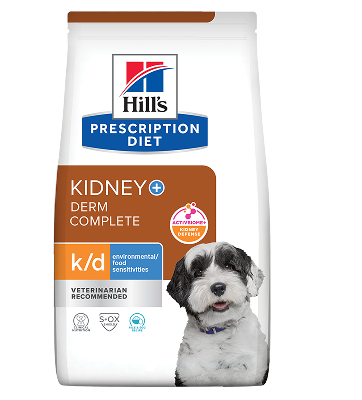
Managing kidney disease in dogs presents a significant challenge for pet owners, often requiring meticulous attention to dietary details. One crucial aspect of this management involves providing appropriate, kidney-friendly snacks. The topic of “Hill’s Nutrition dog treats for kidney disease” refers specifically to a specialized category of treats formulated to support canine kidney health, working in conjunction with therapeutic diets. Understanding these treats and their purpose is vital because regular dog treats can inadvertently undermine the delicate nutritional balance required for dogs with compromised kidney function. When a dog is diagnosed with kidney disease, their kidneys struggle to filter waste products from the blood efficiently. Proper nutrition plays a pivotal role in reducing the workload on these organs, helping to slow disease progression and improve a dogs overall well-being and quality of life. These specially designed treats offer a way to provide enjoyment and reinforcement without compromising a carefully constructed therapeutic diet.
💡 Pet Care Key Takeaways:
- Core Focus: Practical health, nutrition, and wellness guidelines for Hill's Nutrition Dog Treats For Kidney Disease.
- Target Scope: Pet owners, animal caregivers, and veterinary support staff.
- Best Recommendation: Maintain consistent daily routines and consult an accredited veterinarian before introducing major diet or medical changes.
Common Causes and Key Factors
The necessity for specialized dietary interventions, including specific treats, stems from the underlying condition of canine kidney disease. This condition can manifest in acute or chronic forms. Acute kidney injury often arises suddenly from causes such as toxin ingestion, severe infections, trauma, or certain medications. Chronic kidney disease (CKD), however, typically develops slowly over months or years, more commonly affecting older dogs. Key factors contributing to CKD include genetic predispositions in certain breeds (e.g., Cocker Spaniels, German Shepherds, Bull Terriers), dental disease leading to bacterial spread, high blood pressure, and other systemic illnesses. For more related activities, check out our “Fortiflora” And “Gut Health”.
Regardless of the cause, compromised kidney function significantly alters a dog’s nutritional requirements. The kidneys’ reduced ability to process waste products means that diets high in protein, phosphorus, and sodium can exacerbate the condition. High phosphorus levels, in particular, accelerate the progression of kidney damage. Standard commercial dog treats are often rich in these very components, making them unsuitable for dogs with kidney issues. Consequently, understanding the specific nutritional demands imposed by kidney disease is crucial for appreciating why products like Hill’s Nutrition dog treats for kidney disease are not just optional snacks, but a considered component of comprehensive care.
Signs and Symptoms to Observe
Recognizing the signs of kidney disease in dogs is the first step towards appropriate management, which then dictates the need for specialized dietary items. The symptoms can be subtle in early stages, often becoming more pronounced as the disease progresses. Owners should observe for increased thirst (polydipsia) and consequently increased urination (polyuria). A dog may also exhibit decreased appetite, leading to weight loss and muscle wasting. Lethargy, weakness, and a general lack of energy are also common indicators.
Other observable signs include vomiting, diarrhea, and bad breath (halitosis) that may have a chemical or ammonia-like odor due to the buildup of toxins in the bloodstream. Dogs may also appear dehydrated, even with increased water intake. These signs do not significantly vary with age or breed; however, older dogs are inherently more susceptible to chronic kidney disease. Any combination of these symptoms warrants an immediate veterinary consultation to obtain a diagnosis and establish a tailored management plan, which invariably includes specific dietary recommendations and may involve prescription treats.
Practical Solutions and Management Strategies
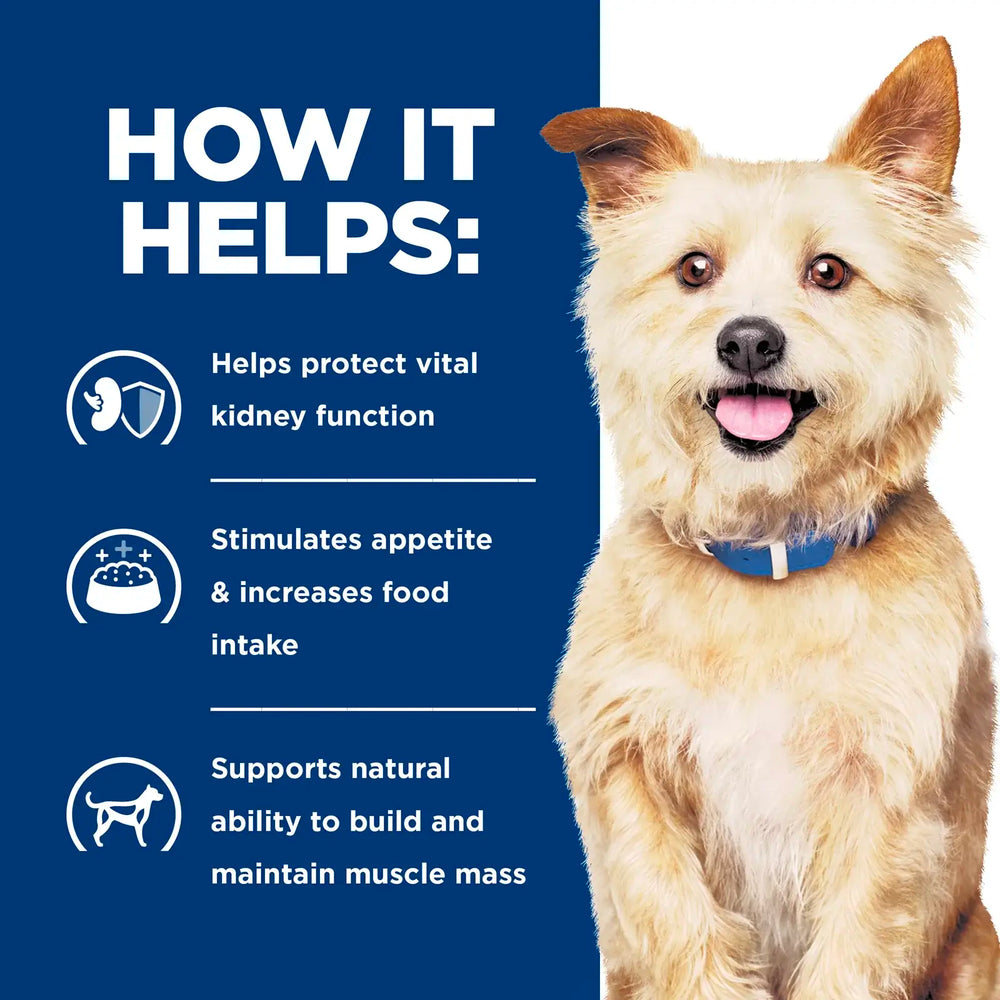
Effectively managing canine kidney disease heavily relies on dietary modification, and this extends beyond the main meals to include treats. The primary goal of a kidney-friendly diet is to reduce the workload on the kidneys while still providing adequate nutrition. This often involves specific formulations that are lower in phosphorus, controlled in high-quality protein, and have adjusted sodium levels. Hill’s Nutrition dog treats for kidney disease are specifically designed to align with these dietary principles.
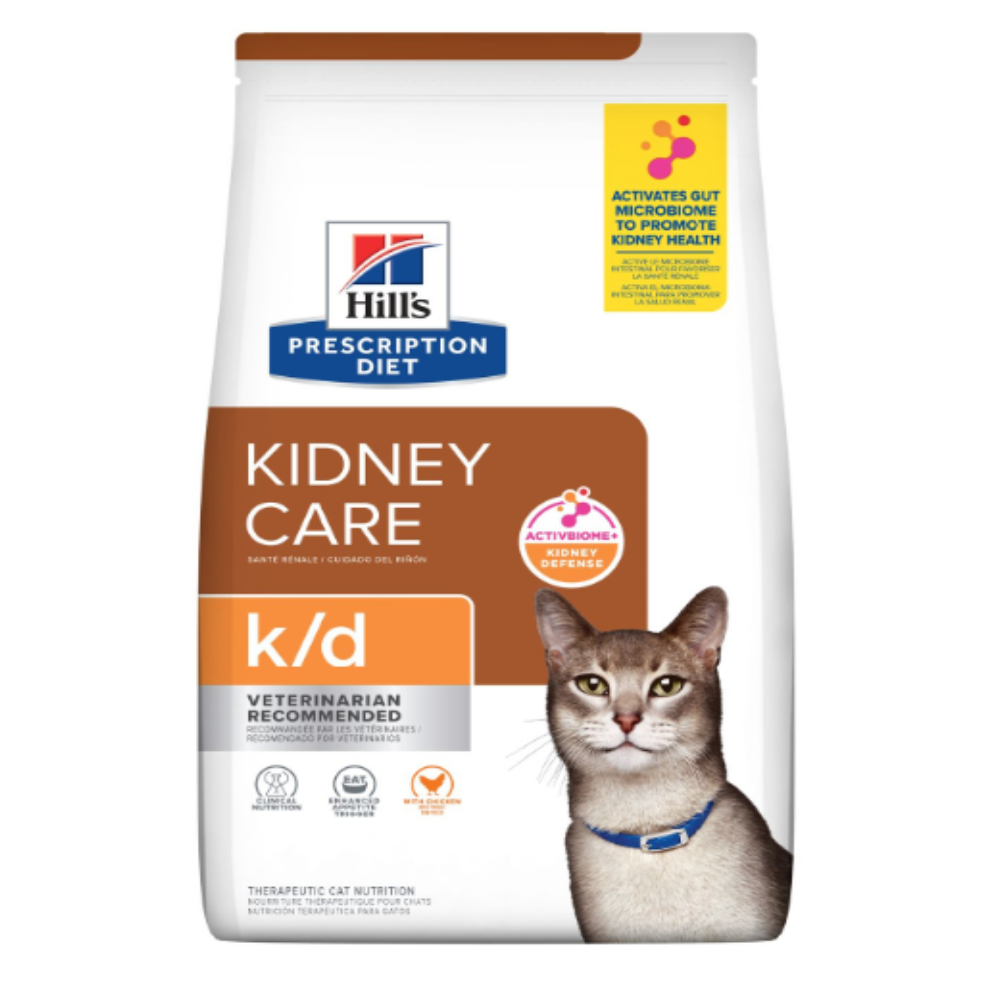
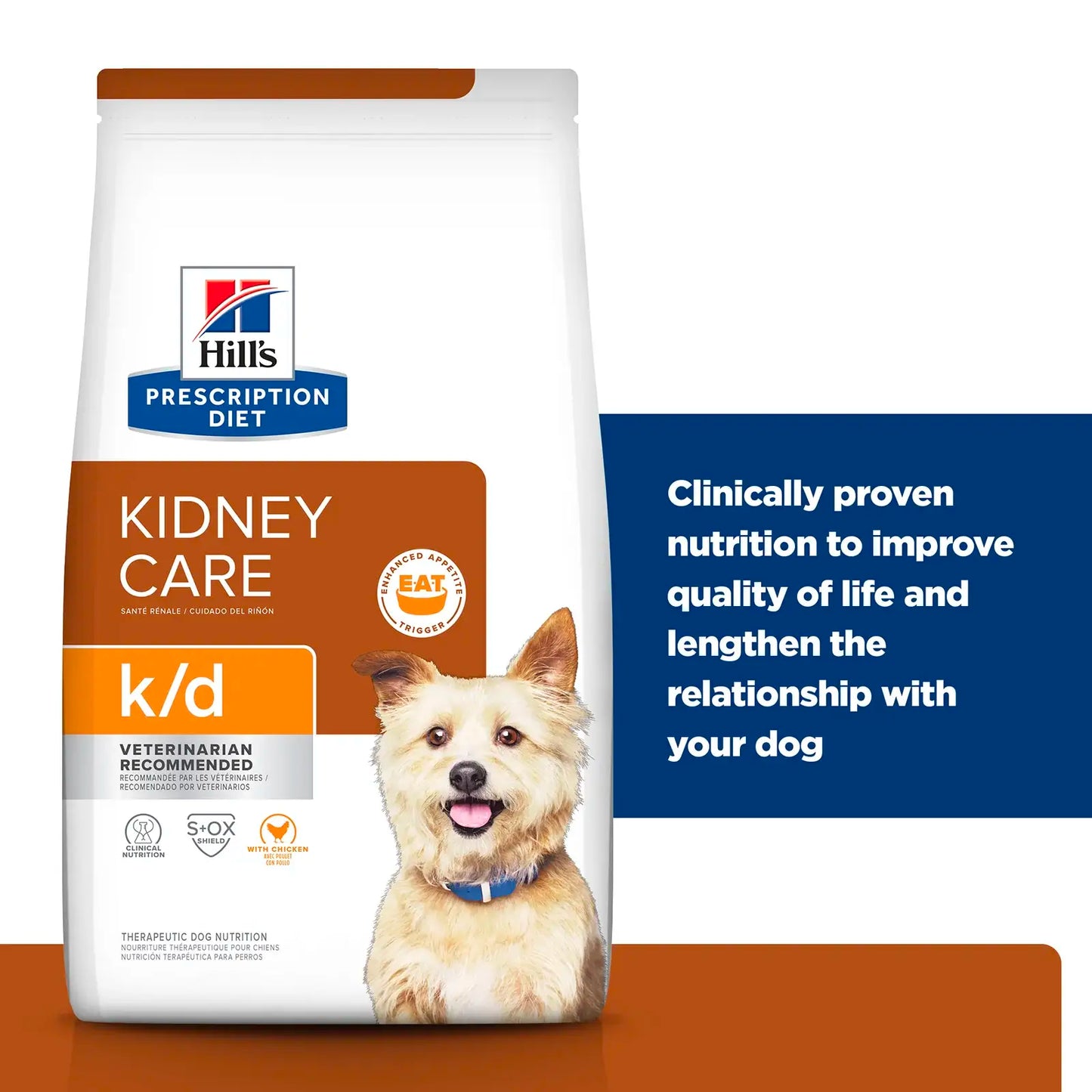
These treats, typically part of the Hill’s Prescription Diet k/d line, are formulated with precise nutritional profiles that complement therapeutic kidney diets. They are characterized by:
- Low Phosphorus: This is critical for dogs with kidney disease as excessive phosphorus contributes to kidney damage progression.
- Controlled, High-Quality Protein: While protein reduction is necessary, the protein provided must be of high quality to prevent muscle loss without overloading the kidneys with waste products.
- Controlled Sodium: Helps to manage fluid balance and blood pressure, which can be affected by kidney disease.
- Added Omega-3 Fatty Acids: These have anti-inflammatory properties that can benefit kidney health.
Incorporating these treats into a dog’s routine requires careful consideration. They should be offered in moderation and not replace the main therapeutic food. The treats are intended to provide positive reinforcement, aid in training, or simply offer an enjoyable snack without disrupting the carefully balanced therapeutic diet. It is important to adhere to the feeding guidelines provided by the manufacturer and the veterinarian to ensure optimal dietary management. For dogs with reduced appetite due to kidney disease, the palatability of these specialized treats can sometimes stimulate interest in food, though they should never be used as a primary food source.
When Professional Help May Be Needed
The management of canine kidney disease, including the use of specialized diets and treats, absolutely necessitates professional veterinary involvement. A proper diagnosis of kidney disease can only be made by a veterinarian through blood tests (measuring creatinine, BUN, phosphorus levels) and urinalysis. Once diagnosed, a veterinarian will determine the stage of kidney disease and recommend an appropriate therapeutic diet.
Hill’s Nutrition dog treats for kidney disease are typically part of a prescription diet line, meaning they are only available through veterinary recommendation and purchase. This highlights the critical role of veterinary oversight. Owners should never attempt to self-diagnose kidney disease or implement dietary changes, especially with specialized prescription foods or treats, without professional guidance. Regular follow-up appointments are also crucial to monitor the dog’s response to treatment, adjust dietary plans as needed, and address any new symptoms. A veterinarian can provide specific advice on portion sizes for treats, ensuring they do not compromise the overall nutritional strategy for kidney health.
Conclusion
Navigating the complexities of canine kidney disease demands a holistic approach to care, with nutrition standing as a cornerstone of effective management. Hill’s Nutrition dog treats for kidney disease represent a thoughtful innovation within this framework, providing pet owners with a safe and appropriate option for rewarding their companions without undermining vital dietary restrictions. These specialized treats, characterized by their controlled phosphorus, protein, and sodium levels, are designed to complement prescription renal diets, offering both nutritional support and an enhanced quality of life for dogs facing this chronic condition. Awareness of the signs of kidney disease, diligent observation of a dog’s health, and consistent adherence to veterinary-prescribed dietary plans are paramount. By understanding the critical role of products like Hill’s Nutrition dog treats for kidney disease and working closely with veterinary professionals, owners can significantly contribute to their dog’s comfort and longevity, exemplifying responsible and compassionate pet care.
Pet Care & Wellness Overview Table
| Life Stage | Daily Activity Level | Key Nutrition / Care Focus |
|---|---|---|
| Puppy / Kitten | High (frequent short bursts) | High-protein growth diet & early socialization |
| Adult Companion | Moderate (30–60 mins daily) | Balanced maintenance nutrition & dental hygiene |
| Senior Pets | Low to Gentle (mindful walks) | Joint support (Glucosamine) & routine vet checks |
Images References



For more expert pet care tips and advice, check out our dedicated Dog Nutrition guides to keep your companions healthy and happy.




