Introduction
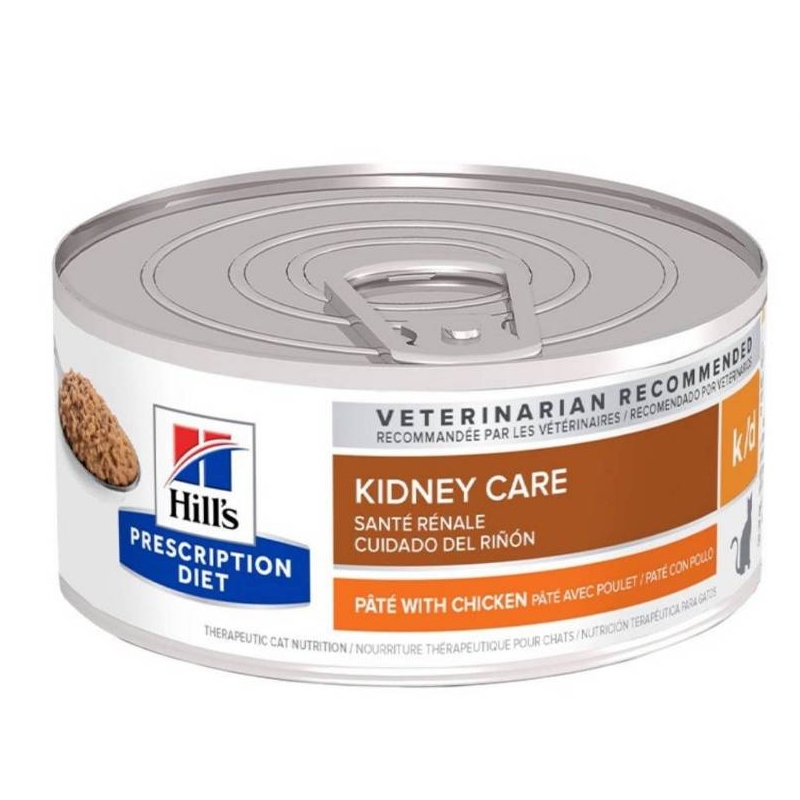
The health and longevity of a canine companion are deeply intertwined with proper nutrition. For many dog owners, understanding specialized diets becomes critical when a beloved pet faces health challenges. Among these, the “Hill’s renal diet” stands out as a crucial therapeutic option for dogs diagnosed with kidney disease. This specialized veterinary diet, primarily recognized through products like Hill’s Prescription Diet k/d, is formulated to support kidney function and improve the quality of life for dogs experiencing renal issues. Kidney disease, or renal disease, is a common condition, particularly in older dogs, though it can affect canines of any age or breed. It arises when the kidneys, vital organs responsible for filtering waste from the blood and maintaining fluid and electrolyte balance, begin to fail. Recognizing the importance of a renal diet and adhering to its guidelines can significantly impact a dog’s well-being, potentially slowing disease progression and alleviating discomfort, thereby improving a dogs overall quality of life. Explore more in our Dog Nutrition collection.
💡 Pet Care Key Takeaways:
- Core Focus: Practical health, nutrition, and wellness guidelines for Hill's Renal Diet.
- Target Scope: Pet owners, animal caregivers, and veterinary support staff.
- Best Recommendation: Maintain consistent daily routines and consult an accredited veterinarian before introducing major diet or medical changes.
Common Causes and Key Factors
Kidney disease in dogs can manifest in acute or chronic forms, with chronic kidney disease (CKD) being the more common reason for the long-term management provided by a Hill’s renal diet. The underlying causes of CKD are multifaceted. Age is a significant factor, as kidney function naturally declines in senior dogs. However, other elements contribute to the development and progression of the disease. For more related activities, check out our Pitbullnutrition.
Genetic predispositions play a role in certain breeds, making them more susceptible to kidney problems. Past illnesses, such as severe infections or exposure to toxins (e.g., certain medications, antifreeze, lilies), can cause irreversible damage to kidney tissues. Injuries, dental disease leading to bacterial infections that spread to the kidneys, and even some congenital conditions can also impair renal function over time. When the kidneys are compromised, they struggle to filter metabolic waste products like urea and creatinine from the bloodstream, leading to their accumulation. This buildup of toxins, known as uremia, causes many of the symptoms associated with kidney disease. Regular dog food, with its typically higher levels of phosphorus and protein, can place additional strain on already struggling kidneys, underscoring the necessity of a specialized renal diet for managing the condition effectively. Discover more free resources across our collection library.
Signs and Symptoms to Observe
Recognizing the signs of kidney disease early is essential for prompt veterinary intervention and the implementation of appropriate dietary management, such as a Hill’s renal diet. The symptoms of kidney disease can be subtle at first and often progress gradually, which can make early detection challenging. Owners should be vigilant for any changes in a dog’s behavior or physical condition.
Common observable signs include an increase in thirst (polydipsia) and a corresponding increase in urination (polyuria). A dog may also exhibit a decreased appetite or complete refusal of food, leading to noticeable weight loss. Lethargy, weakness, and a general lack of energy are also frequent indicators. Other symptoms can include vomiting, diarrhea, and a noticeable change in breath odor, often described as ammonia-like or metallic (uremic breath), due to the buildup of toxins. The dog’s coat might appear dull or unkempt, and mouth ulcers can sometimes develop. These signs can vary in intensity depending on the stage and severity of the kidney disease, as well as the dog’s age and breed. For instance, an older dog might show more generalized signs of aging, masking the specific symptoms of kidney decline. Any persistent combination of these symptoms warrants an immediate veterinary consultation.
Practical Solutions and Management Strategies
Managing canine kidney disease primarily revolves around supportive care, with the “Hill’s renal diet” representing a cornerstone of this approach. These therapeutic diets are specifically formulated to reduce the workload on the kidneys while providing complete and balanced nutrition for the dog. The scientific principles behind a renal diet aim to address several key aspects of kidney disease progression.
A critical component is the reduced phosphorus content. High phosphorus levels can exacerbate kidney damage and lead to dangerous mineral imbalances. Renal diets carefully control phosphorus to help slow the progression of the disease. Similarly, the diet features controlled levels of high-quality protein. While protein is essential for muscle maintenance and overall health, excessive amounts can produce more waste products that the compromised kidneys struggle to filter. High-quality protein ensures that the dog’s nutritional needs are met without overtaxing the renal system.
Furthermore, Hill’s renal diets are typically enriched with omega-3 fatty acids, known for their anti-inflammatory properties, which can help mitigate inflammation in the kidneys. Low sodium levels assist in managing blood pressure, a common complication of kidney disease. Increased B vitamins are often included to replenish those lost through increased urination, and antioxidants help combat oxidative stress on kidney cells. Products like Hill’s Prescription Diet k/d come in various forms (wet, dry) and flavors to improve palatability, which is vital since dogs with kidney disease often have a reduced appetite. A gradual transition to the new diet is crucial to prevent digestive upset and encourage acceptance. Consistent access to fresh, clean water is also paramount to support hydration and kidney function. Strict adherence to the prescribed renal diet, as directed by a veterinarian, is fundamental for achieving the best possible outcome.
When Professional Help May Be Needed
The diagnosis and ongoing management of kidney disease, including the prescription of a Hill’s renal diet, necessitates the expertise of a veterinary professional. It is never advisable for dog owners to attempt to diagnose or treat kidney disease independently or to initiate a specialized diet without veterinary guidance. A veterinarian can accurately diagnose kidney disease through a combination of blood tests (assessing parameters like creatinine, blood urea nitrogen, and phosphorus levels) and urine tests. These diagnostics help determine the severity and stage of the disease, guiding the choice of therapeutic interventions.
Regular follow-up visits are crucial for dogs on a renal diet. These appointments allow the veterinarian to monitor kidney function, assess the dog’s response to the diet, and make any necessary adjustments to the treatment plan. Signs that indicate a need for immediate veterinary attention include a sudden worsening of symptoms such as extreme lethargy, complete refusal to eat or drink, persistent vomiting, or disorientation. These could signify a uremic crisis or other complications requiring urgent medical intervention. In complex cases or when a dog shows particular dietary challenges, consulting with a board-certified veterinary nutritionist in conjunction with the primary veterinarian can provide tailored nutritional strategies and support.
Conclusion
The journey of caring for a dog with kidney disease can be challenging, but with the right knowledge and tools, it is possible to provide a high quality of life. The “Hill’s renal diet” stands as a testament to advanced veterinary nutrition, offering a scientifically formulated approach to managing canine kidney conditions. Understanding the principles behind this specialized diet, recognizing the early signs of kidney issues, and maintaining consistent communication with a veterinarian are all crucial components of effective long-term care. While kidney disease cannot be cured, proper dietary management and veterinary oversight can significantly slow its progression, alleviate symptoms, and extend a dog’s comfortable lifespan. Proactive health management, keen observation, and unwavering commitment to veterinary recommendations empower dog owners to make a profound difference in their beloved companion’s well-being, reinforcing the commitment to comprehensive care advocated by petsanimalsworld.com.
Pet Care & Wellness Overview Table
| Life Stage | Daily Activity Level | Key Nutrition / Care Focus |
|---|---|---|
| Puppy / Kitten | High (frequent short bursts) | High-protein growth diet & early socialization |
| Adult Companion | Moderate (30–60 mins daily) | Balanced maintenance nutrition & dental hygiene |
| Senior Pets | Low to Gentle (mindful walks) | Joint support (Glucosamine) & routine vet checks |
Images References