

Understanding Hill’s Science Diet for Dogs
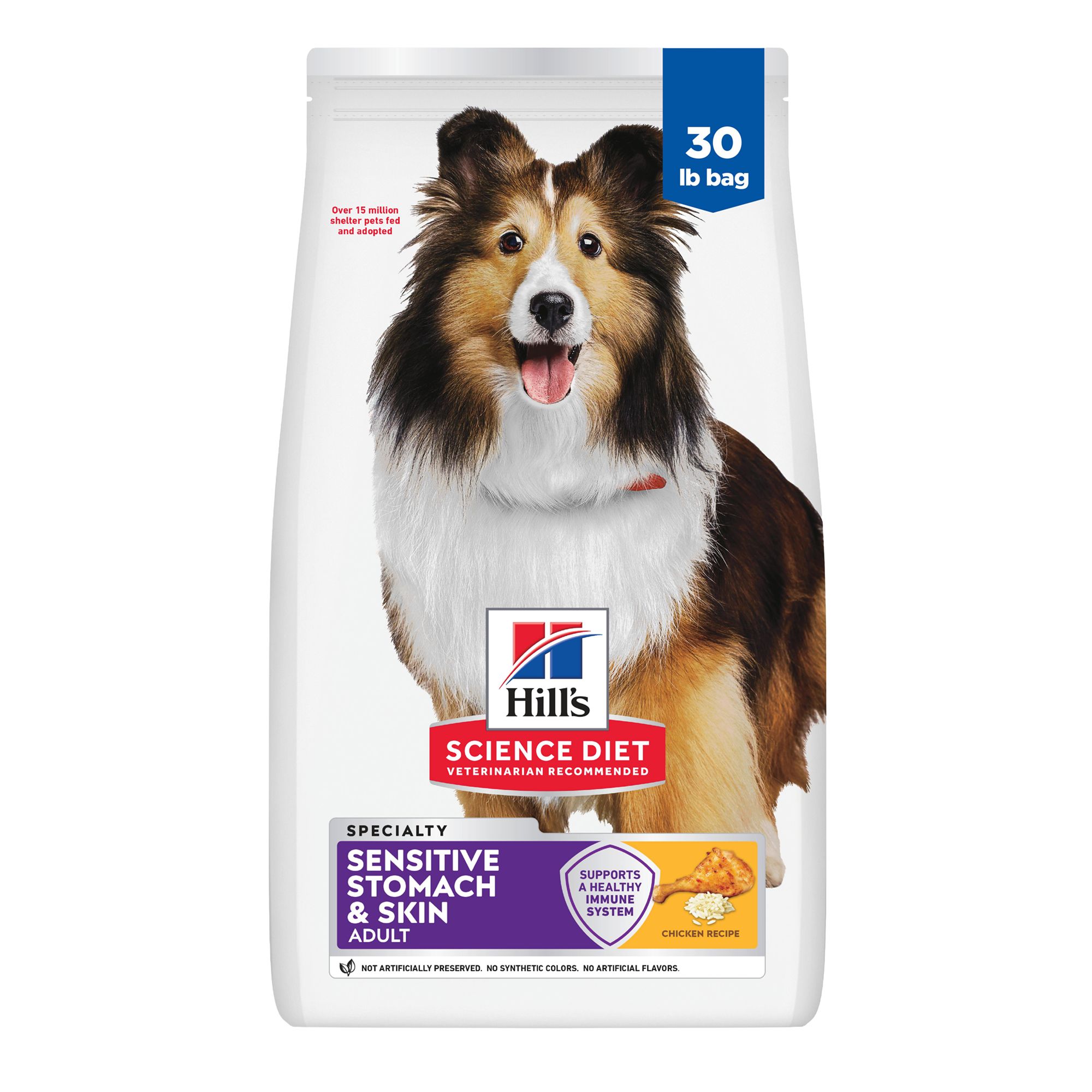
Choosing the right nutrition is one of the most significant decisions a dog owner makes regarding their companion’s well-being. Among the myriad options available, Hill’s Science Diet for dogs stands out as a brand frequently recognized for its scientifically formulated approach to canine nutrition. This comprehensive line of dog food is developed with veterinary insight, aiming to provide targeted nutrition for various life stages, breed sizes, and specific health concerns. Understanding the principles behind this diet can empower dog owners to make informed choices that contribute positively to their pet’s health, vitality, and overall quality of life. Proactive nutritional management is a cornerstone of responsible pet ownership, impacting everything from energy levels and coat health to digestive comfort and immune function.
💡 Pet Care Key Takeaways:
- Core Focus: Practical health, nutrition, and wellness guidelines for Hill's Science Diet For Dogs.
- Target Scope: Pet owners, animal caregivers, and veterinary support staff.
- Best Recommendation: Maintain consistent daily routines and consult an accredited veterinarian before introducing major diet or medical changes.
The Scientific Basis
The foundation of Hill’s Science Diet for dogs lies in extensive scientific research and a deep understanding of canine nutritional requirements. This approach addresses common nutritional needs and specific health challenges. Key factors driving its development and widespread use include:. For more related activities, check out our Pitbullnutrition.
- Research and Development: Hill’s Pet Nutrition invests heavily in research, collaborating with veterinarians, nutritionists, and food scientists. This ensures formulations are based on the latest scientific findings in animal nutrition.
- Targeted Nutrition for Life Stages: Dogs have varying nutritional needs as they age. Hill’s Science Diet offers specific formulas for puppies (supporting growth and development), adult dogs (maintaining health and energy), and senior dogs (addressing aging concerns like joint health and cognitive function).
- Addressing Specific Health Needs: Beyond life stages, many dogs benefit from diets tailored to particular health issues. Formulas exist for weight management, sensitive stomachs, skin and coat health, joint mobility, oral care, and urinary health.
- Quality Ingredients and Balanced Nutrients: Each formula is crafted with high-quality ingredients to provide a precise balance of proteins, fats, carbohydrates, vitamins, and minerals. This careful balance supports optimal body function and prevents deficiencies or excesses.
- Veterinary Recommendation: The brand is frequently recommended by veterinary professionals worldwide due to its consistent research and proven efficacy in managing various canine health conditions through diet.
- Digestibility: Formulas are designed for high digestibility, ensuring that dogs can efficiently absorb the maximum amount of nutrients from their food, which is crucial for overall health.
Observing the Benefits
When a dog is receiving appropriate nutrition, such as that provided by a well-chosen Hill’s Science Diet for dogs formula, several positive indicators can be observed. These signs reflect a dog’s overall health and well-being, and their presence suggests that their nutritional needs are being met effectively.
- Healthy Weight and Body Condition: A dog maintains an ideal body weight, neither overweight nor underweight, with a clearly visible waist and ribs that are easily felt but not seen.
- Lustrous Coat and Healthy Skin: The fur appears shiny and soft, without excessive shedding, dryness, or dandruff. The skin should be supple and free from redness, irritation, or excessive itching.
- Good Digestive Health: Regular, well-formed stools are a hallmark of a healthy digestive system. There should be an absence of chronic diarrhea, constipation, or excessive flatulence.
- Appropriate Energy Levels: Dogs exhibit vitality and energy suitable for their age, breed, and activity level. A well-nourished dog is typically alert and engaged.
- Strong Immune System: A balanced diet supports a robust immune system, potentially leading to fewer minor illnesses and a quicker recovery from stress.
- Clear, Bright Eyes: Eyes should be clear, bright, and free from excessive discharge, indicating good overall health.
- Improved Mobility and Joint Health: For dogs on joint support formulas, noticeable improvements in gait, activity, and comfort during movement can be observed.
Practical Solutions and Management Strategies with Hill’s Science Diet
Successfully integrating Hill’s Science Diet for dogs into a dog’s routine involves careful consideration and consistent practices to ensure optimal health benefits. Thoughtful management strategies are crucial for maximizing the diet’s effectiveness.
- Selecting the Correct Formula: The first step involves accurately identifying the most suitable Hill’s Science Diet formula. This requires evaluating a dog’s life stage (puppy, adult, senior), breed size, activity level, and any existing health concerns. Consulting a veterinarian can provide invaluable guidance in this selection process.
- Gradual Food Transition: When switching to a new food, a gradual transition over 7-10 days is essential. This prevents digestive upset. Begin by mixing a small amount of the new food with the old, slowly increasing the proportion of the new food each day until the transition is complete.
- Accurate Portion Control: Adhering to the feeding guidelines provided on the Hill’s Science Diet packaging is vital. These guidelines are based on a dog’s weight and activity level. Using a measuring cup ensures consistent portion sizes, helping to maintain an ideal body condition and prevent overfeeding or underfeeding.
- Consistent Feeding Schedule: Establishing a regular feeding schedule helps regulate a dog’s metabolism and digestive system. Most adult dogs thrive on two meals per day.
- Fresh Water Availability: Always ensure a dog has constant access to clean, fresh drinking water. Hydration is as crucial as nutrition for overall health.
- Proper Food Storage: Store dog food in its original bag, sealed within an airtight container, in a cool, dry place. This preserves freshness, prevents spoilage, and protects against pests.
- Regular Veterinary Check-ups: Integrate discussions about a dog’s diet into routine veterinary visits. A veterinarian can assess a dog’s current nutritional status and recommend adjustments as needed.
When Professional Help May Be Needed Regarding Diet
While Hill’s Science Diet for dogs offers a wide range of well-formulated options, there are specific circumstances where professional veterinary consultation becomes imperative. These situations highlight the importance of expert guidance in managing a dog’s health and nutritional needs.
- Persistent Digestive Issues: If a dog experiences ongoing symptoms such as vomiting, diarrhea, excessive flatulence, or a significant loss of appetite despite being on a suitable diet, veterinary intervention is necessary to rule out underlying health conditions.
- Unexplained Weight Changes: Sudden or gradual, unexplained weight loss or gain, even when portion control is managed, warrants a veterinary examination. These changes can indicate metabolic issues or other health problems.
- Development of New or Worsening Health Conditions: Any new skin issues, coat dullness, lethargy, changes in mobility, or other noticeable symptoms that do not resolve with general care should prompt a visit to the veterinarian.
- Suspected Food Allergies or Sensitivities: If a dog displays signs such as chronic itching, ear infections, paw licking, or gastrointestinal upset after consuming certain ingredients, a veterinarian can help diagnose food allergies and recommend an appropriate hypoallergenic or limited-ingredient diet.
- Difficulty Choosing the Right Formula: For dogs with complex health profiles or multiple conditions, selecting the optimal Hill’s Science Diet formula can be challenging. A veterinarian possesses the expertise to recommend the best therapeutic or preventive diet.
- Management of Chronic Diseases: Dogs with pre-existing medical conditions, such as diabetes, kidney disease, or advanced joint issues, often require very specific dietary management. A veterinarian’s guidance is crucial to ensure the chosen diet supports their treatment plan.
Conclusion
The journey of providing a dog with optimal nutrition is a continuous one, deeply impacting their vitality and longevity. Hill’s Science Diet for dogs offers a robust framework built on scientific research and veterinary expertise, presenting a range of meticulously formulated options designed to meet diverse canine needs. By understanding the principles behind this diet, observing a dog’s responses to their food, and proactively seeking veterinary guidance, owners can make informed choices that lay a strong foundation for their companion’s health. Prioritizing nutrition through well-researched options contributes significantly to a dog’s overall well-being, ensuring a life filled with energy, comfort, and the joy that comes from being a cherished family member. Responsible and informed nutritional decisions are truly an investment in a dog’s happy and healthy future.
Pet Care & Wellness Overview Table
| Life Stage | Daily Activity Level | Key Nutrition / Care Focus |
|---|---|---|
| Puppy / Kitten | High (frequent short bursts) | High-protein growth diet & early socialization |
| Adult Companion | Moderate (30–60 mins daily) | Balanced maintenance nutrition & dental hygiene |
| Senior Pets | Low to Gentle (mindful walks) | Joint support (Glucosamine) & routine vet checks |
Images References




For more expert pet care tips and advice, check out our dedicated Dog Nutrition guides to keep your companions healthy and happy.




