

Introduction
Maintaining optimal digestive health is paramount for a dog’s overall well-being and vitality. When a canine companion experiences gastrointestinal upset, finding a suitable and effective nutritional solution becomes a top priority for responsible pet owners. Hill’s Science Diet i/d dog food represents a specialized dietary approach formulated to support digestive health in dogs facing various gastrointestinal challenges. Understanding the unique properties and purpose of this therapeutic diet can significantly contribute to managing digestive issues, alleviating discomfort, and improving a dog’s quality of life. This particular diet is often recommended by veterinarians for its highly digestible formula designed to soothe the digestive tract and promote nutrient absorption, addressing conditions ranging from acute stomach upset to chronic digestive disorders.
💡 Pet Care Key Takeaways:
- Core Focus: Practical health, nutrition, and wellness guidelines for Hill's Science Diet Id Dog Food.
- Target Scope: Pet owners, animal caregivers, and veterinary support staff.
- Best Recommendation: Maintain consistent daily routines and consult an accredited veterinarian before introducing major diet or medical changes.
Common Causes and Key Factors
Canine digestive issues can stem from a multitude of sources, necessitating specific dietary interventions like Hill’s Science Diet i/d. One common factor is dietary indiscretion, where a dog consumes inappropriate items, leading to stomach upset. Food sensitivities or allergies also frequently manifest as gastrointestinal distress, causing chronic vomiting or diarrhea. Stress, a change in environment, or even certain medications can disrupt the delicate balance of a dog’s digestive system. Furthermore, underlying medical conditions such as inflammatory bowel disease, exocrine pancreatic insufficiency, or malabsorption syndromes require precise nutritional management. The symptoms associated with these factors often include changes in stool quality, appetite fluctuations, and general lethargy, indicating a need for a diet specifically engineered to be gentle and effective. For more related activities, check out our “Fortiflora” And “Gut Health”.
Signs and Symptoms to Observe
Recognizing the signs of digestive discomfort in a dog is crucial for timely intervention. The most apparent indicators often include episodes of vomiting or diarrhea, which can vary in frequency and severity. Changes in stool consistency, such as very soft, watery, or mucous-laden feces, are significant red flags. Some dogs may exhibit a noticeable decrease in appetite or complete refusal of food, while others might show increased gas, abdominal distension, or discomfort when touched around the stomach area. Weight loss, a dull coat, or a general lack of energy and enthusiasm can also signal chronic digestive problems impacting nutrient absorption. These symptoms can occur in dogs of any age or breed but may be more pronounced in puppies or senior dogs due to their less robust or more sensitive digestive systems. Careful observation of these signs helps veterinarians diagnose the underlying issue and recommend appropriate nutritional support.
Practical Solutions and Management Strategies
Managing digestive issues often involves implementing a specialized diet such as Hill’s Science Diet i/d dog food. This therapeutic formula is crafted with highly digestible ingredients to reduce the workload on the digestive system, allowing it to rest and recover. It typically includes an optimal blend of soluble and insoluble fibers to promote healthy stool formation and support beneficial gut bacteria. The diet is also fortified with prebiotics and often ginger, ingredients known for their roles in gut health and calming the digestive tract. Additionally, elevated levels of electrolytes and B vitamins are usually present to replenish those lost during episodes of vomiting or diarrhea. When transitioning a dog to this diet, a gradual introduction over several days is essential to prevent further gastrointestinal upset. Consistent feeding according to veterinary guidance and monitoring the dog’s response are key to successful management.
When Professional Help May Be Needed
While Hill’s Science Diet i/d dog food offers significant support for digestive health, its introduction should always be under the guidance of a veterinarian. A professional diagnosis is crucial to ensure the correct underlying cause of digestive distress is identified. Persistent or worsening symptoms, such as severe vomiting, bloody diarrhea, extreme lethargy, or signs of intense abdominal pain, warrant immediate veterinary attention. These could indicate a more serious condition requiring medical intervention beyond dietary management. A veterinarian can conduct necessary diagnostic tests, rule out life-threatening illnesses, and prescribe the most appropriate course of treatment, including determining if a specific therapeutic diet like Hill’s Science Diet i/d is the most suitable long-term solution for the dog’s particular needs.
Conclusion
Hill’s Science Diet i/d dog food stands as a valuable tool in the comprehensive management of canine digestive issues, offering a specialized nutritional approach designed to alleviate symptoms and promote gut recovery. Understanding the common triggers for gastrointestinal upset, recognizing the observable signs of distress, and implementing appropriate dietary strategies are crucial steps for responsible dog ownership. The highly digestible nature and targeted ingredients of this therapeutic diet can significantly contribute to a dog’s comfort and health. However, it is paramount to reiterate that expert veterinary consultation is indispensable for accurate diagnosis and the proper recommendation of any specialized diet. Through informed choices and consistent care, dogs experiencing digestive challenges can lead happier, healthier lives.
Pet Care & Wellness Overview Table
| Life Stage | Daily Activity Level | Key Nutrition / Care Focus |
|---|---|---|
| Puppy / Kitten | High (frequent short bursts) | High-protein growth diet & early socialization |
| Adult Companion | Moderate (30–60 mins daily) | Balanced maintenance nutrition & dental hygiene |
| Senior Pets | Low to Gentle (mindful walks) | Joint support (Glucosamine) & routine vet checks |
Images References


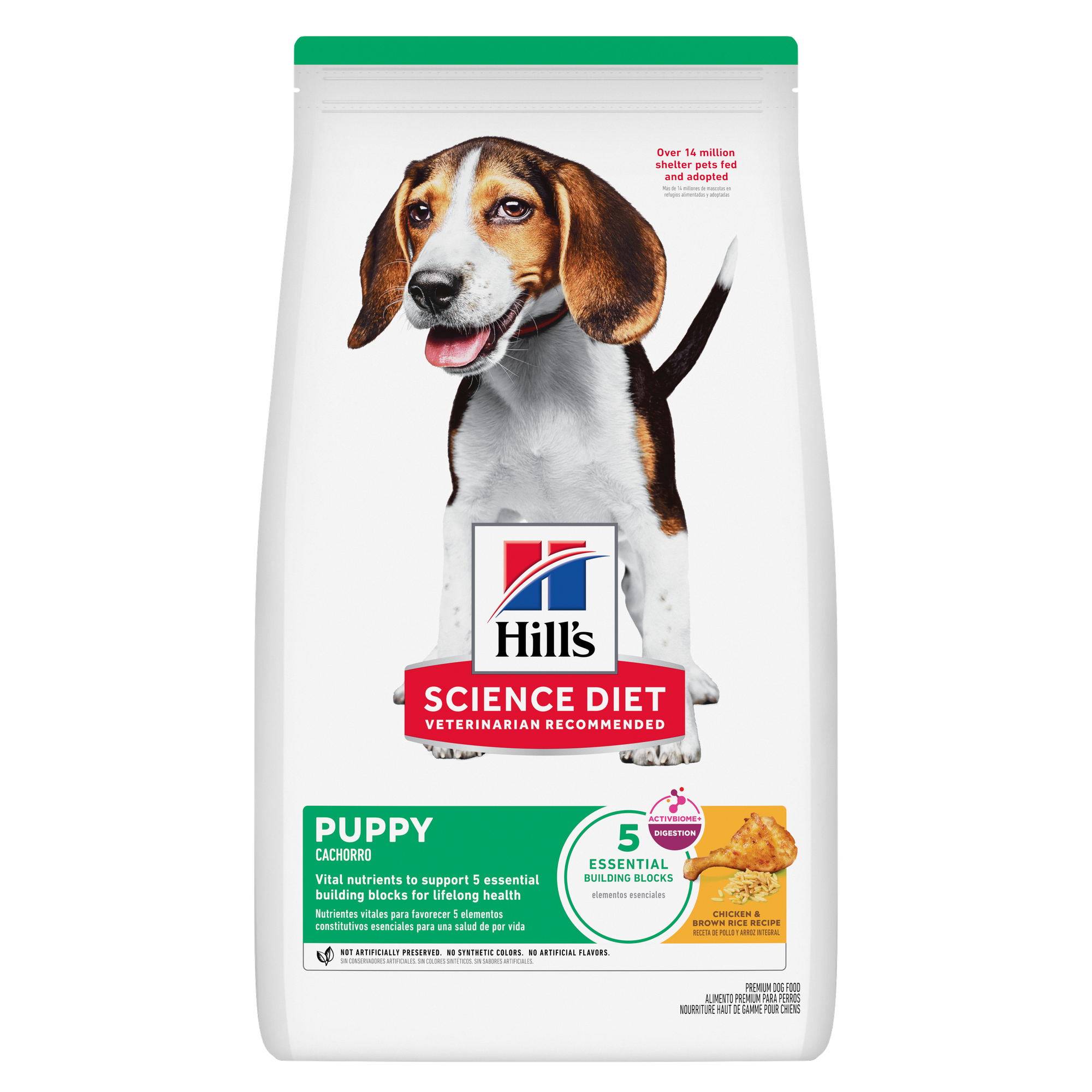


For more expert pet care tips and advice, check out our dedicated Dog Nutrition guides to keep your companions healthy and happy.




