

Introduction
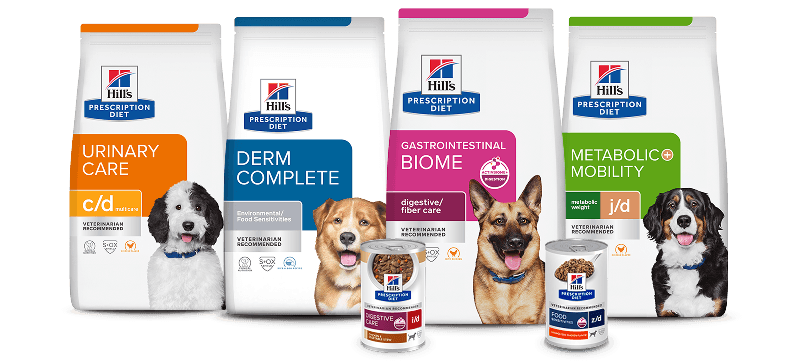
Understanding a dog’s nutritional needs is a cornerstone of responsible pet ownership. For many dogs, a standard commercial diet provides adequate nourishment, but certain health challenges necessitate a more specialized approach. This is where Hill’s special diet dog food plays a crucial role. These formulations, often referred to as veterinary diets or prescription diets, are meticulously engineered to manage or alleviate specific health conditions that go beyond the scope of general wellness nutrition. The importance of these diets arises when dogs develop medical issues such as allergies, kidney disease, gastrointestinal disorders, obesity, or urinary tract problems. By providing targeted nutritional support, Hill’s special diets are designed to help mitigate symptoms, support healing, and ultimately improve a dogs overall well-being and quality of life, allowing them to lead healthier, happier lives.
💡 Pet Care Key Takeaways:
- Core Focus: Practical health, nutrition, and wellness guidelines for Hills Special Diet Dog Food.
- Target Scope: Pet owners, animal caregivers, and veterinary support staff.
- Best Recommendation: Maintain consistent daily routines and consult an accredited veterinarian before introducing major diet or medical changes.
Common Causes and Key Factors
The necessity for Hill’s special diet dog food stems from a variety of underlying health conditions that impact a dog’s physiological functions. One common factor is the presence of food allergies or sensitivities, which can manifest as dermatological issues like chronic itching or digestive upset such as vomiting and diarrhea. In such cases, specialized diets often feature novel proteins or hydrolyzed proteins to minimize allergic reactions. For more related activities, check out our Natural Balance Puppy Food Quantity Chart.
Another significant cause is kidney disease, a condition where the kidneys struggle to filter waste products effectively. Renal support diets are formulated with controlled levels of phosphorus and protein to reduce the burden on compromised kidneys. Similarly, liver disease requires diets that assist liver function with specific protein types and restricted copper levels.
Gastrointestinal disorders, including inflammatory bowel disease, pancreatitis, or chronic diarrhea, frequently necessitate highly digestible formulas with specific fiber blends to promote gut health and nutrient absorption. Furthermore, urinary tract issues, such as the formation of bladder stones (struvite or calcium oxalate), are addressed with diets that modify urine pH and mineral concentrations to dissolve existing stones and prevent new ones.
Weight management is another critical area. Obesity can lead to numerous secondary health problems, including joint issues and diabetes. Specialized weight-loss diets are typically calorie-reduced and fiber-enriched to promote satiety while supporting safe weight reduction. Other conditions, such as joint pain, heart disease, or post-surgical recovery, also benefit from targeted nutritional interventions designed with specific nutrients to support healing and maintain optimal health. A professional veterinary diagnosis is the key factor in determining which specific special diet is appropriate for a dog’s unique needs.
Signs and Symptoms to Observe
Recognizing the signs and symptoms that might indicate a dog requires Hill’s special diet dog food is crucial for early intervention and effective management. Observable indicators can vary widely depending on the underlying health condition.
For gastrointestinal issues, owners might notice chronic vomiting, persistent diarrhea, unusually soft stools, excessive gas, a sudden loss of appetite, or unexplained weight loss. Dogs with food allergies or sensitivities often display dermatological signs such as persistent scratching, paw licking, skin rashes, recurrent ear infections, or a dull, unhealthy coat.
Signs related to urinary tract problems can include frequent urination, straining to urinate, blood in the urine, or urinating in inappropriate places. Dogs experiencing kidney or liver disease might exhibit increased thirst, frequent urination, lethargy, decreased appetite, weight loss, or changes in coat quality.
Regarding weight management, a noticeable increase in body weight, difficulty moving, or a general lack of energy could signal obesity. Conversely, unexplained weight loss despite a normal appetite could indicate malabsorption or another underlying condition. These signs may vary in intensity and presentation based on a dog’s age, breed, and environmental factors. Any persistent or concerning changes in a dog’s behavior or physical health warrant a thorough veterinary examination to determine the root cause.
Practical Solutions and Management Strategies
Effectively managing a dogs health with Hill’s special diet dog food requires a structured approach centered around veterinary guidance and consistent adherence. The first and most critical step involves a comprehensive consultation with a veterinarian. A precise diagnosis of the dog’s condition is essential before any special diet is introduced, as these diets are formulated for specific medical purposes. A veterinarian will prescribe the appropriate Hill’s special diet, ensuring it aligns directly with the dog’s health needs.
Once a special diet is prescribed, strict adherence is paramount. It is crucial to feed only the prescribed food, avoiding table scraps, unapproved treats, or other pet foods, as these can counteract the therapeutic benefits of the specialized diet. When transitioning a dog to a new diet, a gradual introduction over several days is recommended to prevent digestive upset. This typically involves mixing increasing proportions of the new food with decreasing amounts of the old food.
Portion control, as directed by the veterinarian, is also vital to ensure the dog receives the correct nutrient balance and calorie intake. Using a measuring cup or a kitchen scale can help maintain accuracy. Consistency in feeding times and amounts helps regulate the dog’s metabolism and digestive system. Regular monitoring of the dog’s condition, including changes in symptoms, weight, and overall demeanor, allows for an assessment of the diet’s effectiveness. Any observations should be reported to the veterinarian for ongoing management and potential adjustments. Ensuring constant access to fresh water is also important, especially with certain diets designed to manage urinary health.
When Professional Help May Be Needed
Deciding when professional help is needed concerning a dog’s diet and health is a vital aspect of responsible pet ownership. Any persistent or concerning signs or symptoms, such as chronic vomiting, diarrhea, skin issues, changes in urination, unexplained weight fluctuations, or lethargy, are clear indicators that a veterinary consultation is appropriate. These symptoms often signal an underlying health condition that requires professional diagnosis and treatment.
A veterinarian’s expertise is indispensable for diagnosing specific medical conditions that necessitate a specialized diet. Hill’s special diet dog food and similar therapeutic diets are not general wellness foods; they are formulated to address particular health issues and often require a prescription. Therefore, a professional diagnosis is the only way to ensure the dog receives the correct specialized nutrition for its specific condition.
Even after a special diet has been prescribed, ongoing professional monitoring is often necessary. Regular check-ups allow the veterinarian to assess the diet’s effectiveness, make adjustments as needed, and monitor the dog’s overall progress. If a dog’s condition does not improve or appears to worsen despite adhering to the prescribed diet, immediate veterinary attention is warranted. Concerns about a dog’s acceptance of a special diet, managing multiple pets with different dietary needs, or any questions regarding the long-term management of a health condition should also prompt a discussion with a veterinary professional.
Conclusion
Hill’s special diet dog food represents a critical category of canine nutrition, offering targeted support for a myriad of health challenges that extend beyond general dietary needs. These specialized formulations, ranging from gastrointestinal support to renal care and weight management, are meticulously designed to manage specific medical conditions, alleviate symptoms, and promote long-term well-being. The crucial role of these diets underscores the importance of a professional veterinary diagnosis, which serves as the gateway to identifying the precise nutritional requirements for a dog’s unique health situation. Consistent observation of a dog’s behavior and physical condition, combined with strict adherence to veterinary guidance regarding the chosen special diet, forms the foundation of effective health management. By embracing a proactive approach and collaborating closely with veterinary professionals, owners can leverage the power of specialized nutrition to significantly improve their dog’s health, comfort, and overall quality of life, reaffirming the commitment to comprehensive and compassionate pet care.
Pet Care & Wellness Overview Table
| Life Stage | Daily Activity Level | Key Nutrition / Care Focus |
|---|---|---|
| Puppy / Kitten | High (frequent short bursts) | High-protein growth diet & early socialization |
| Adult Companion | Moderate (30–60 mins daily) | Balanced maintenance nutrition & dental hygiene |
| Senior Pets | Low to Gentle (mindful walks) | Joint support (Glucosamine) & routine vet checks |
Images References





For more expert pet care tips and advice, check out our dedicated Dog Nutrition guides to keep your companions healthy and happy.




