Introduction
Understanding the dietary needs of a dog diagnosed with kidney disease is paramount for enhancing its longevity and overall quality of life. A holistic diet for dogs with kidney disease represents a comprehensive approach that extends beyond mere nutrient restriction, focusing instead on the dogs entire well-being, the root causes of the condition, and supporting the body’s natural healing processes. This dietary philosophy is particularly relevant for dogs experiencing chronic kidney disease (CKD), a common ailment, especially in older canines, where kidney function gradually declines. By carefully managing a dog’s nutritional intake through a holistic lens, it becomes possible to alleviate symptoms, slow disease progression, and maintain a dogs comfort and vitality, significantly improving its daily experience and fostering a stronger bond with its owner. Explore more in our Dog Nutrition collection.
💡 Pet Care Key Takeaways:
- Core Focus: Practical health, nutrition, and wellness guidelines for Holistic Diet For Dogs With Kidney Disease.
- Target Scope: Pet owners, animal caregivers, and veterinary support staff.
- Best Recommendation: Maintain consistent daily routines and consult an accredited veterinarian before introducing major diet or medical changes.
Common Causes and Key Factors
Chronic kidney disease in dogs can stem from a variety of factors, often progressing silently before obvious symptoms appear. Age is a significant contributor, with the natural wear and tear on organs over time. Genetic predispositions exist in certain breeds, making them more susceptible. Environmental toxins, certain medications, recurring infections, or even dental disease can also play a role in damaging kidney function. For more related activities, check out our Pitbullnutrition.
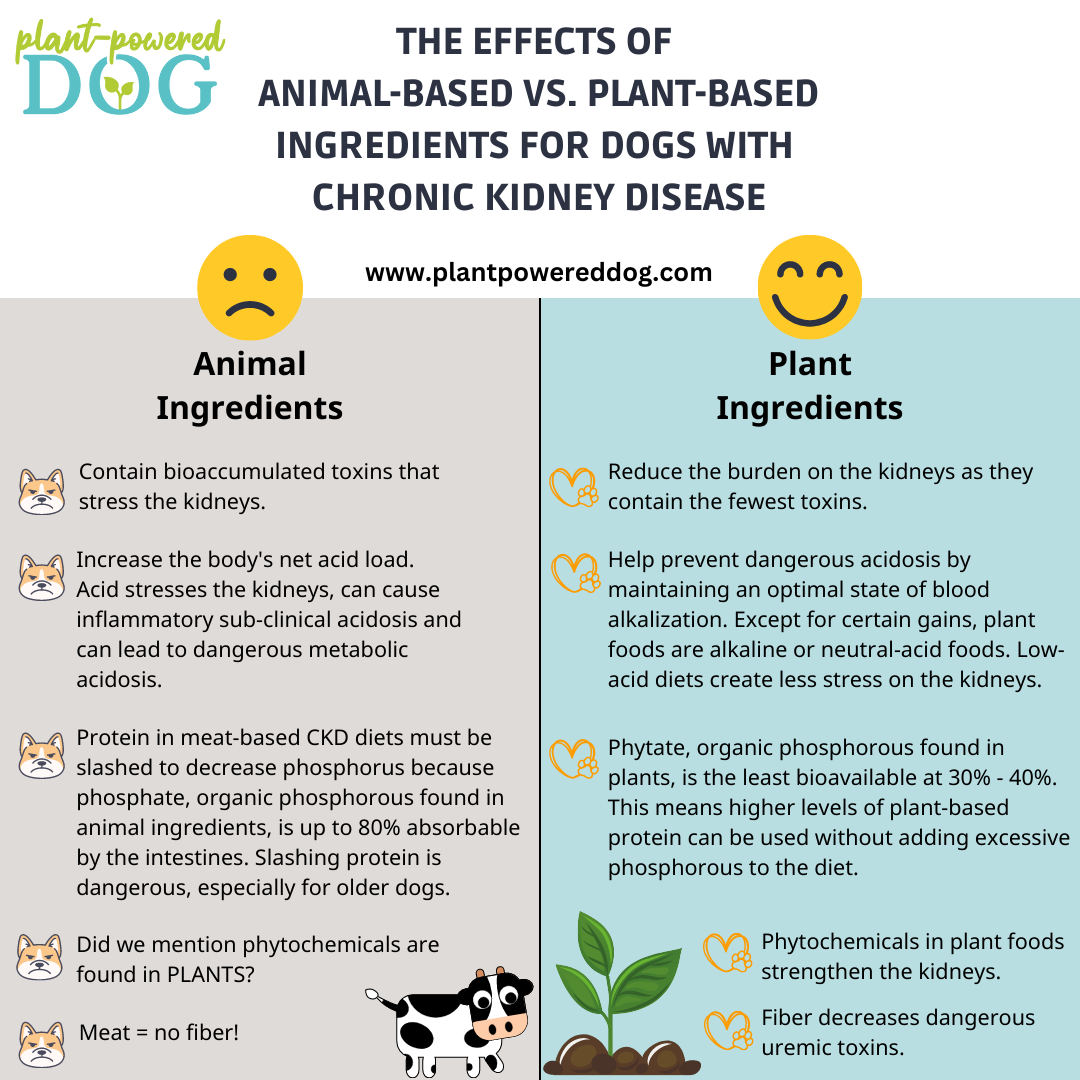
Once kidney function is compromised, the kidneys lose their ability to efficiently filter waste products from the blood, regulate blood pressure, and maintain proper electrolyte balance. The role of a holistic diet in this context is to mitigate these challenges. Key dietary factors that become crucial include the quality and quantity of protein, phosphorus levels, sodium intake, and the inclusion of beneficial nutrients such as omega-3 fatty acids and antioxidants. Traditional veterinary diets for kidney disease often focus on reducing protein and phosphorus; a holistic approach broadens this to consider digestibility, nutrient bioavailability, and the overall synergistic effect of ingredients on the dogs system. Discover more free resources across our collection library.
Signs and Symptoms to Observe
Recognizing the signs and symptoms of kidney disease is essential for early intervention and effective dietary management. Initial indicators can be subtle and easily overlooked. Common observable changes include an increase in thirst (polydipsia) and a corresponding increase in urination (polyuria), as the kidneys struggle to concentrate urine. Dogs may also exhibit a noticeable decrease in appetite, leading to weight loss and muscle wasting.
As the disease progresses, other symptoms may emerge. Lethargy, weakness, and a general lack of energy are frequently reported. Gastrointestinal disturbances such as vomiting and diarrhea can occur due to the buildup of toxins in the bloodstream. A dull, unkempt coat and bad breath (uremic breath) are also potential indicators. Understanding these signs helps in tailoring a holistic dietary plan, as specific ingredients or supplements can often address particular symptoms, contributing to the dog’s comfort and well-being.
Practical Solutions and Management Strategies
Implementing a holistic diet for dogs with kidney disease involves careful planning and a multi-faceted approach. Collaboration with a veterinarian is always the foundational step, ensuring any dietary changes align with the dogs specific medical needs.
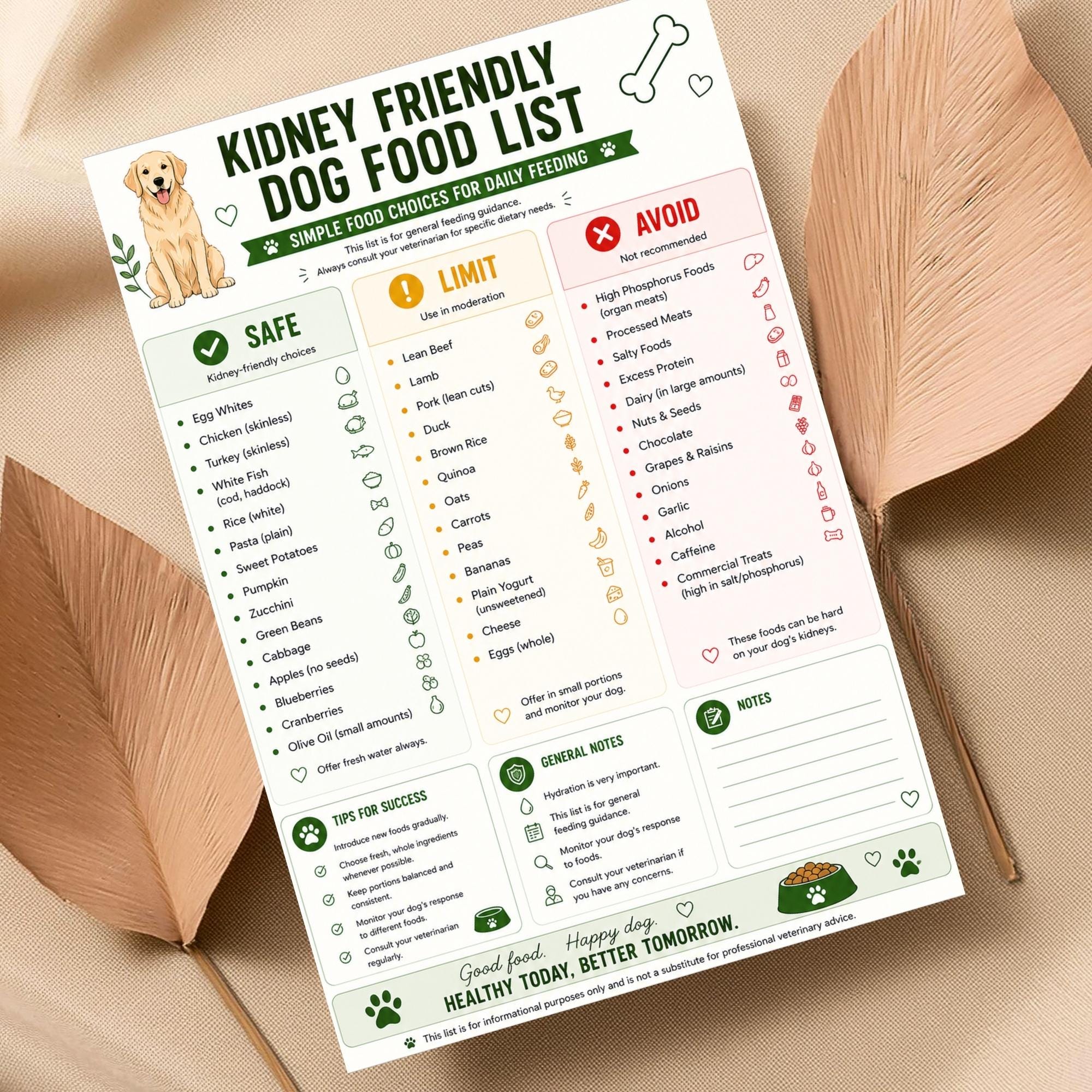
Protein Management: While protein restriction has been a cornerstone of kidney diets, the focus in a holistic approach shifts to providing high-quality, easily digestible protein in controlled amounts. Sources such as eggs, lean muscle meats (chicken breast, turkey, venison), and certain fish can provide essential amino acids without unduly stressing the kidneys. The goal is to prevent muscle loss while minimizing the production of nitrogenous waste.
Phosphorus Control: This is perhaps one of the most critical aspects. Elevated phosphorus levels contribute to kidney damage. A holistic diet emphasizes naturally low-phosphorus ingredients, including fresh vegetables, certain grains in moderation (if tolerated), and ensuring protein sources are also low in phosphorus. In some cases, veterinary-prescribed phosphorus binders might be necessary to complement the diet.
Hydration: Maintaining optimal hydration is vital. Feeding wet food, adding water to dry kibble, or incorporating low-sodium broths can encourage fluid intake. Ensuring constant access to fresh, clean water is also crucial for flushing toxins and preventing dehydration.
Omega-3 Fatty Acids: These powerful anti-inflammatory agents, found in fish oil (EPA and DHA), can help reduce inflammation in the kidneys and potentially slow disease progression. Supplementation, under veterinary guidance, is often recommended.
Antioxidants and Vitamins: Incorporating antioxidant-rich fruits and vegetables (e.g., blueberries, kale, carrots) can combat oxidative stress. B vitamins, which are often depleted due to increased urination, may also require supplementation to support metabolism and energy levels.
Sodium Restriction: Managing sodium intake is important for controlling blood pressure, which can be elevated in dogs with kidney disease. Avoiding high-sodium treats, processed foods, and certain human foods is advisable.
Digestibility: Prioritizing highly digestible ingredients reduces the workload on the digestive system, allowing nutrients to be absorbed more efficiently.
Transitioning to a new diet should always be gradual, typically over 7-10 days, to prevent gastrointestinal upset. For owners considering home-cooked meals, consulting with a board-certified veterinary nutritionist is indispensable to ensure the diet is complete and balanced for a dog with kidney disease, as deficiencies can exacerbate health issues.
When Professional Help May Be Needed
Professional veterinary consultation is indispensable at multiple stages when managing kidney disease in dogs. The initial diagnosis of kidney disease requires veterinary confirmation, blood tests, and urinalysis to assess the stage and severity of the condition. Following diagnosis, a veterinarian can provide specific guidance on appropriate dietary modifications tailored to the individual dog’s health status.
Regular monitoring, including periodic blood and urine tests, is crucial to track the disease’s progression and the effectiveness of the dietary and medical management plan. If a dog’s symptoms worsen despite dietary adjustments, or if new symptoms emerge, immediate veterinary attention is warranted. This could indicate a need for medication, such as phosphorus binders, blood pressure medication, or appetite stimulants, in addition to dietary changes. For those considering a home-prepared diet, a consultation with a board-certified veterinary nutritionist is essential to ensure nutritional adequacy and prevent unintended harm from imbalanced recipes. This ensures the diet supports the dog’s overall health while specifically addressing the challenges posed by kidney disease.
Conclusion
Adopting a holistic dietary approach for dogs with kidney disease is a powerful strategy for supporting their health and extending their comfortable years. This comprehensive view considers not just the kidneys, but the entire physiological system, aiming to reduce the workload on damaged organs while providing essential nutrients for overall vitality. Through careful management of protein quality, phosphorus levels, hydration, and the inclusion of beneficial supplements, significant improvements in a dogs well-being can be observed. Constant vigilance, consistent dietary adherence, and regular veterinary oversight are the cornerstones of successful management. By embracing this informed and dedicated approach, owners can play a crucial role in maintaining their dog’s comfort, energy, and zest for life, even in the face of a challenging diagnosis, reinforcing the commitment petsanimalsworld.com has to enlightened pet care.
Pet Care & Wellness Overview Table
| Life Stage | Daily Activity Level | Key Nutrition / Care Focus |
|---|---|---|
| Puppy / Kitten | High (frequent short bursts) | High-protein growth diet & early socialization |
| Adult Companion | Moderate (30–60 mins daily) | Balanced maintenance nutrition & dental hygiene |
| Senior Pets | Low to Gentle (mindful walks) | Joint support (Glucosamine) & routine vet checks |
Images References