
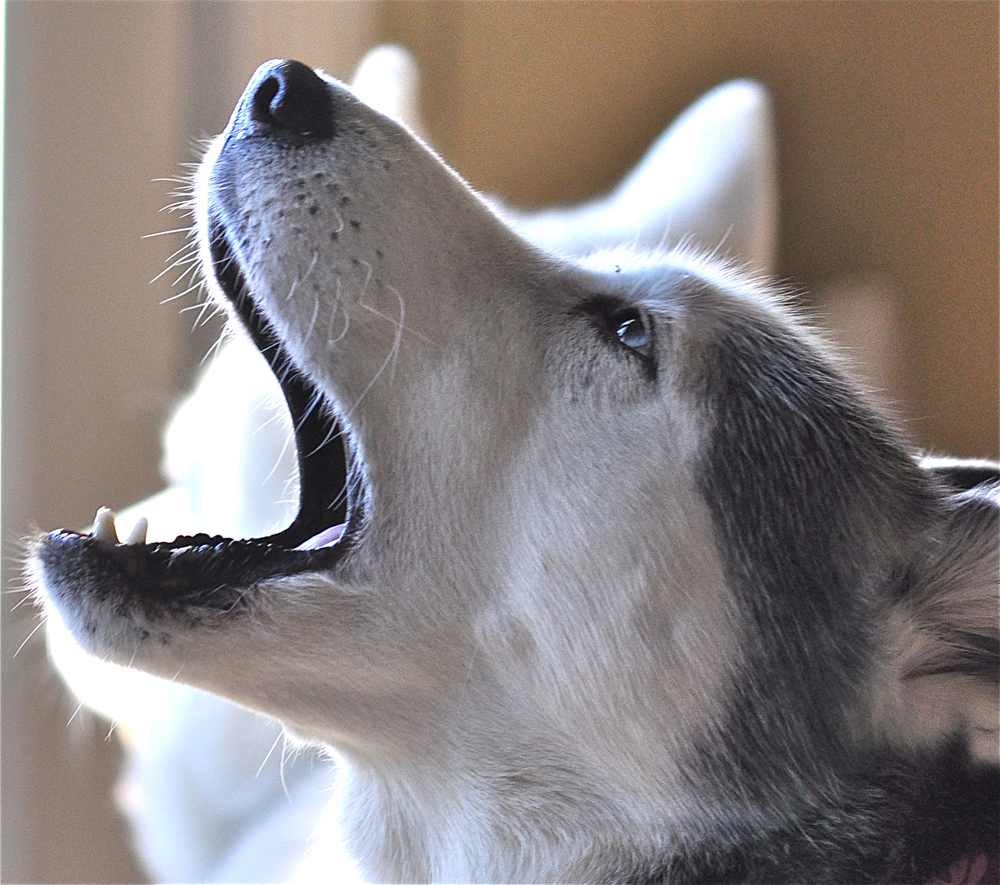
Understanding the vocal nature of northern arctic breeds helps caretakers decode complex canine communication patterns.
According to the American Kennel Club, Siberian Huskies are renowned for being exceptionally vocal dogs that prefer communicating through a rich repertoire of sounds rather than simple barking. During clinical consultations and behavioral evaluations in the practice, guardians frequently express surprise at the sheer variety of noises these arctic canines produce. Beyond the classic howling associated with sled dogs, a distinct high-pitched vocalization often captures attention. Decoding this unique auditory signal requires patience, keen observation, and a solid understanding of canine ethology. Recognizing the motivation behind canine vocalizations transforms a confusing noise into a clear message, bridging the gap between human interpretation and animal intent.
💡 Pet Care Key Takeaways:
- Core Focus: Practical health, nutrition, and wellness guidelines for Husky Whine.
- Target Scope: Pet owners, animal caregivers, and veterinary support staff.
- Best Recommendation: Maintain consistent daily routines and consult an accredited veterinarian before introducing major diet or medical changes.
A husky whine is defined as a sustained, high-pitched vocalization driven by emotional arousal rather than physical pain or aggression. In clinical practice, this specific sound often manifests when these energetic dogs anticipate a long-awaited walk, a meal, or interaction with family members. Unlike standard stress whimpers observed in other breeds, northern vocalizations carry a melodic, almost conversational quality that reflects their historic pack-oriented ancestry. Puppies and adults alike utilize this sound to manipulate their environment, quickly learning that specific noises yield immediate attention or desired outcomes.
Persistent vocal patterns can indicate underlying emotional states that directly impact overall domestic harmony and canine well-being.
Addressing vocal habits effectively requires looking beyond the noise itself to evaluate environmental stressors, exercise deficits, and social fulfillment. When a working breed lacks adequate mental stimulation or physical exertion, frustration mounts, leading to chronic vocalizing that tests household patience. Furthermore, persistent whining can occasionally signal underlying discomfort or subtle health issues that warrant a thorough physical examination. Careful assessment ensures that medical causes are ruled out before addressing the behavior strictly through environmental modifications or obedience protocols.
Siberian Huskies possess a distinct vocal range that includes howling, yodeling, and whining, evolved from pack communication needs — American Kennel Club
Managing this distinct vocal behavior relies on positive reinforcement, patience, and avoiding inadvertent rewards for noisy outbursts.
Correcting excessive vocalization involves teaching alternative behaviors through reward-based Dog Training methods rather than punishment or shouting. When caretakers accidentally reward whining by providing attention or treats immediately following the noise, the behavior inadvertently strengthens over time. Instead, withholding attention until quiet behavior occurs teaches the animal that silence is the most effective tool for gaining desired rewards. Consistency across all household members remains paramount to ensure the dog receives clear, predictable boundaries regarding communication.
Successful management strategies require avoiding common pitfalls like yelling and instead focusing on proactive mental enrichment.
Raising awareness about common mistakes helps prevent unintentional reinforcement of undesirable habits during daily routines. Shouting at a vocal dog often backfires, as the animal perceives the human response as joining in the chorus or offering exciting engagement. Integrating puzzle feeders, scent games, and structured obedience sessions redirects nervous energy into productive cognitive tasks. Providing adequate outlets for natural instincts ultimately reduces the frequency and intensity of stress-related whimpering.
Positive reinforcement training methods are proven to reduce anxiety-driven vocalizations by building confidence and clear communication channels — American Society for the Prevention of Cruelty to Animals
Pet Care & Wellness Overview Table
| Life Stage | Daily Activity Level | Key Nutrition / Care Focus |
|---|---|---|
| Puppy / Kitten | High (frequent short bursts) | High-protein growth diet & early socialization |
| Adult Companion | Moderate (30–60 mins daily) | Balanced maintenance nutrition & dental hygiene |
| Senior Pets | Low to Gentle (mindful walks) | Joint support (Glucosamine) & routine vet checks |
Images References
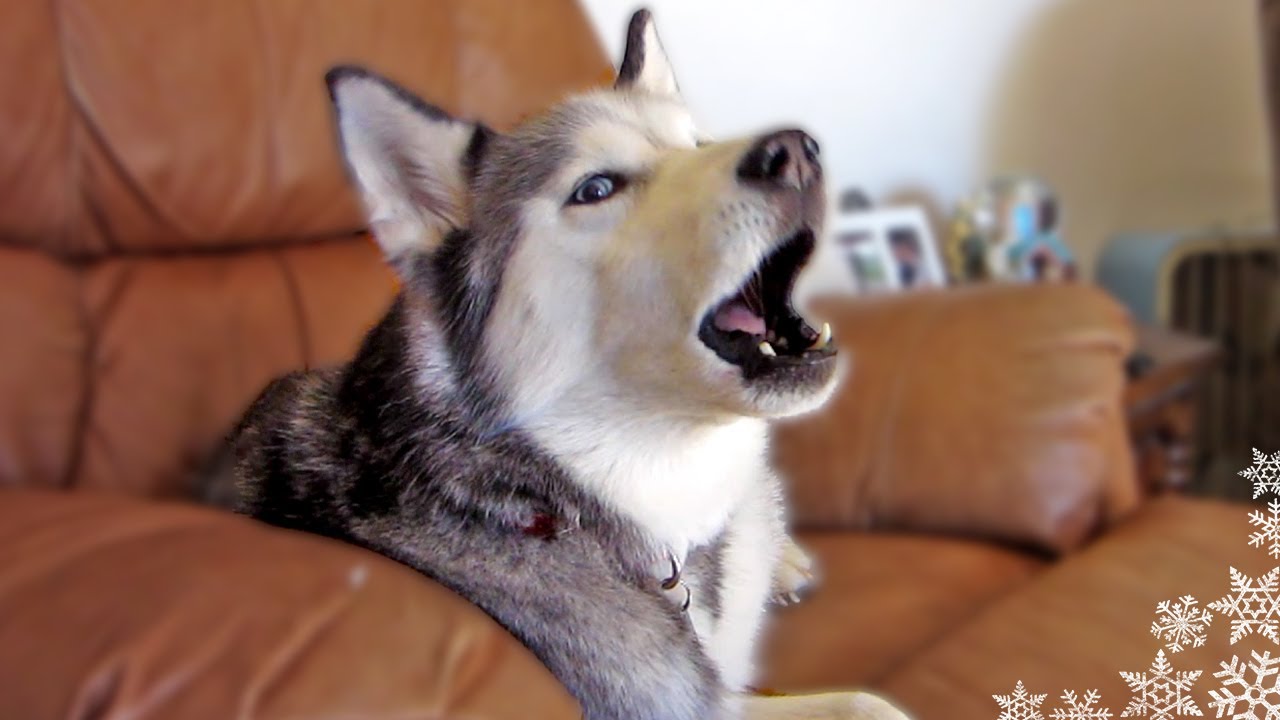





Breed-specific traits and high energy reserves significantly influence how frequently and intensely these dogs utilize their vocal cords.
Exploring specific Dog Breeds reveals that independent working dogs often vocalize when their high expectations for activity are unmet. Understanding the unique temperament of northern sled dogs helps guardians provide appropriate outlets for their stamina, keeping both physical health and behavioral wellness in balance. Regular exercise routines tailored to working lineages prevent boredom and subsequently lower the daily volume within the home.
Professional guidance becomes necessary when vocalizations escalate due to severe anxiety or fail to improve with standard management techniques.
Consulting a certified behaviorist or veterinarian is essential if the vocal behavior stems from separation anxiety, compulsive disorders, or unmanaged pain. Healthcare providers can run diagnostics to ensure internal comfort, while specialized behavioral experts can design customized modification plans for complex cases. Exploring resources within Dog Behavior offers further insight into deciphering subtle canine signals before they escalate into disruptive habits.
Supporting overall wellness ensures a harmonious environment for both human family members and their spirited canine companions.
Mastering the nuances of canine communication deepens the bond between people and their animal companions while fostering a peaceful home environment. Delving into comprehensive guides on Dog Care equips owners with the practical knowledge needed to meet every stage of a pet’s life with confidence. Visit PetsAnimalsWorld.com today to explore expert-backed articles designed to help every pet thrive.




