
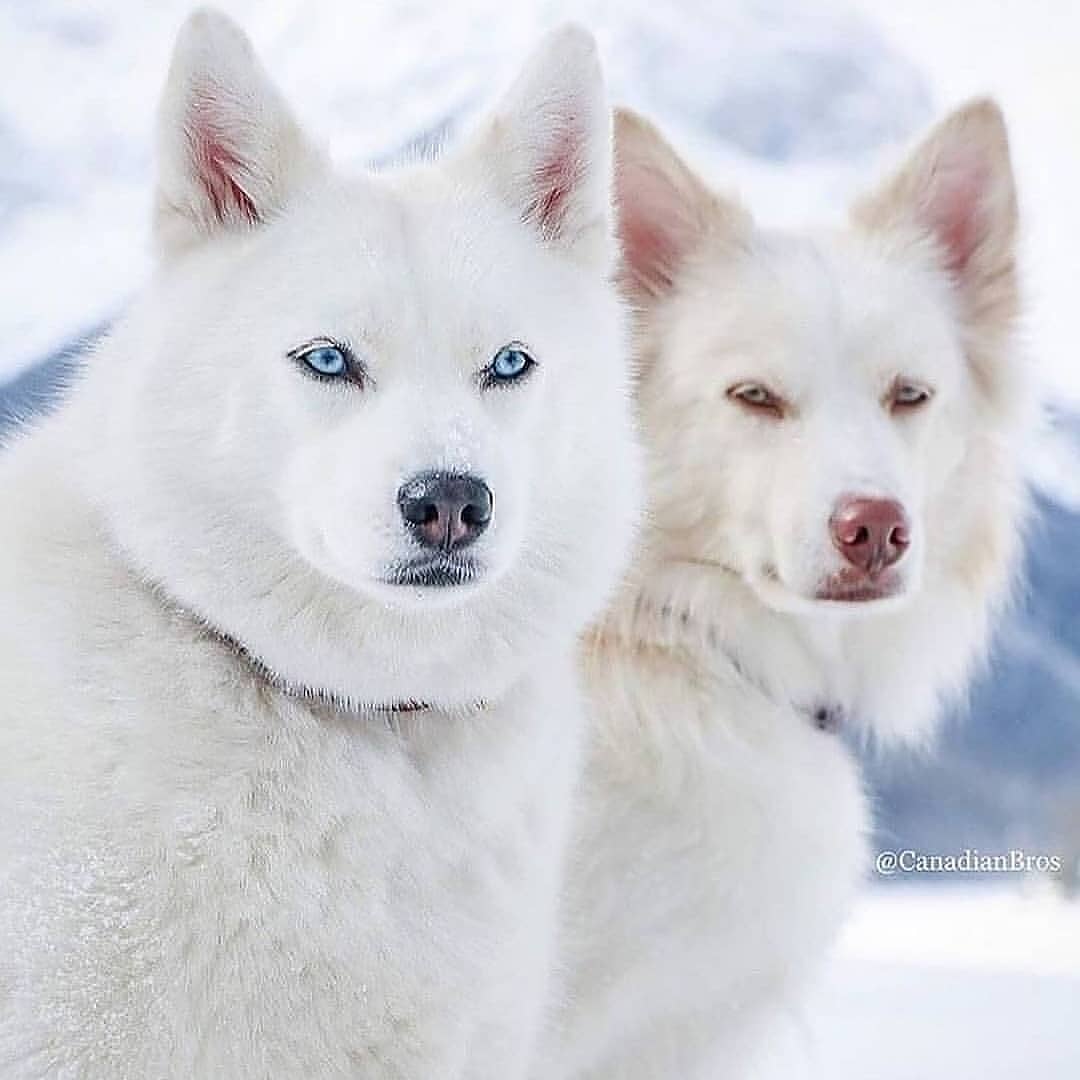
According to the American Kennel Club, coat color in the Siberian Husky is remarkably diverse, ranging from jet black to pure white, yet true genetic conditions often look deceptively similar at first glance. Standing inside a clinical examination room, professionals frequently encounter caretakers who mistake a standard white coat for a rare medical condition. Recognizing the biological distinctions between a pure white pigment mask and a complete lack of melanin requires looking past the surface fur to examine the skin, nose, and eyes. Consequently, understanding these physiological traits prevents unnecessary medical worry while providing deeper insight into the unique makeup of the working dog family.
💡 Pet Care Key Takeaways:
- Core Focus: Practical health, nutrition, and wellness guidelines for Is There A Albino Husky Or Just White.
- Target Scope: Pet owners, animal caregivers, and veterinary support staff.
- Best Recommendation: Maintain consistent daily routines and consult an accredited veterinarian before introducing major diet or medical changes.
Albinism in Siberian Huskies is an extremely rare genetic mutation characterized by a total absence of melanin, whereas white huskies simply possess standard white fur masking genes.
True albinism occurs due to a genetic defect that halts the production of melanin, the pigment responsible for coloring skin, hair, and eyes. An albino dog will display completely pink or pale blue eyes, pink eye rims, a pink nose, and translucent white skin that lacks any dark pigmentation. Conversely, a standard white Siberian Husky features dark pigmentation on the nose, lips, and eye rims, alongside amber, brown, or blue eyes. Exploring the catalog of Dog Breeds reveals that true albinism is exceedingly rare across all canine families, making most frosted-looking dogs standard white specimens with normal pigmentation characteristics.
True albinism introduces significant health vulnerabilities such as severe sun sensitivity and vision impairments, while standard white huskies enjoy robust health identical to their darker-coated counterparts.
Melanin plays a critical protective role by shielding the skin from ultraviolet radiation and assisting in the proper neurological development of the optical system. Because albino canines lack this crucial compound, they face a heightened risk of sunburn, skin cancer, and severe photophobia, which is an extreme sensitivity to light. Standard white huskies, protected by normally pigmented skin underneath their dense double coats, do not suffer from these specific pigment-related medical vulnerabilities. Routine veterinary examinations remain vital for monitoring skin health, ensuring that caretakers address any environmental sensitivities before they escalate into painful conditions.
True albinism involves a complete lack of melanin affecting eyes, skin, and hair, whereas standard white huskies retain normal dark pigment on their noses and paw pads. — American Kennel Club
Proper management for extraordinarily light-coated canines involves specialized environmental adjustments to safeguard against ultraviolet exposure and optical strain.
Caretakers managing dogs with true albinism must minimize direct sun exposure during peak daylight hours to prevent painful dermal burns. Utilizing canine-safe sunscreen on exposed areas like the bridge of the nose and the tips of the ears offers essential daily protection. Furthermore, maintaining shaded indoor resting spaces helps manage photophobia without restricting the animal’s natural need for indoor exploration. Regular consultations regarding specialized Dog Health protocols ensure that any pigment-deficient pet receives tailored preventive care throughout every life stage.
Avoiding common pitfalls regarding pigmentation care requires vigilant observation and a commitment to verified veterinary guidelines rather than relying on visual assumptions.
One frequent mistake involves assuming all white-coated canines share the same medical vulnerabilities, leading to unnecessary restrictions on normal outdoor activities. Another oversight is failing to inspect the skin beneath the thick fur coat for early signs of solar dermatitis or atypical growths. Owners should never apply human sunscreens, as certain chemical formulations contain ingredients toxic to canines, such as zinc oxide or fragrance compounds. Instead, professional guidance from practitioners associated with organizations like the American Veterinary Medical Association helps establish safe, effective protective routines.
Canine sunscreens must be specially formulated for pets, as many human sunblock products contain toxic ingredients like zinc oxide that can cause heavy metal poisoning if ingested. — American Society for the Prevention of Cruelty to Animals
Pet Care & Wellness Overview Table
| Life Stage | Daily Activity Level | Key Nutrition / Care Focus |
|---|---|---|
| Puppy / Kitten | High (frequent short bursts) | High-protein growth diet & early socialization |
| Adult Companion | Moderate (30–60 mins daily) | Balanced maintenance nutrition & dental hygiene |
| Senior Pets | Low to Gentle (mindful walks) | Joint support (Glucosamine) & routine vet checks |
Images References


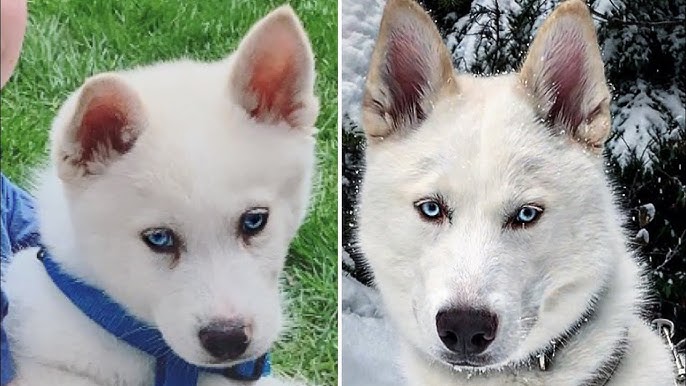
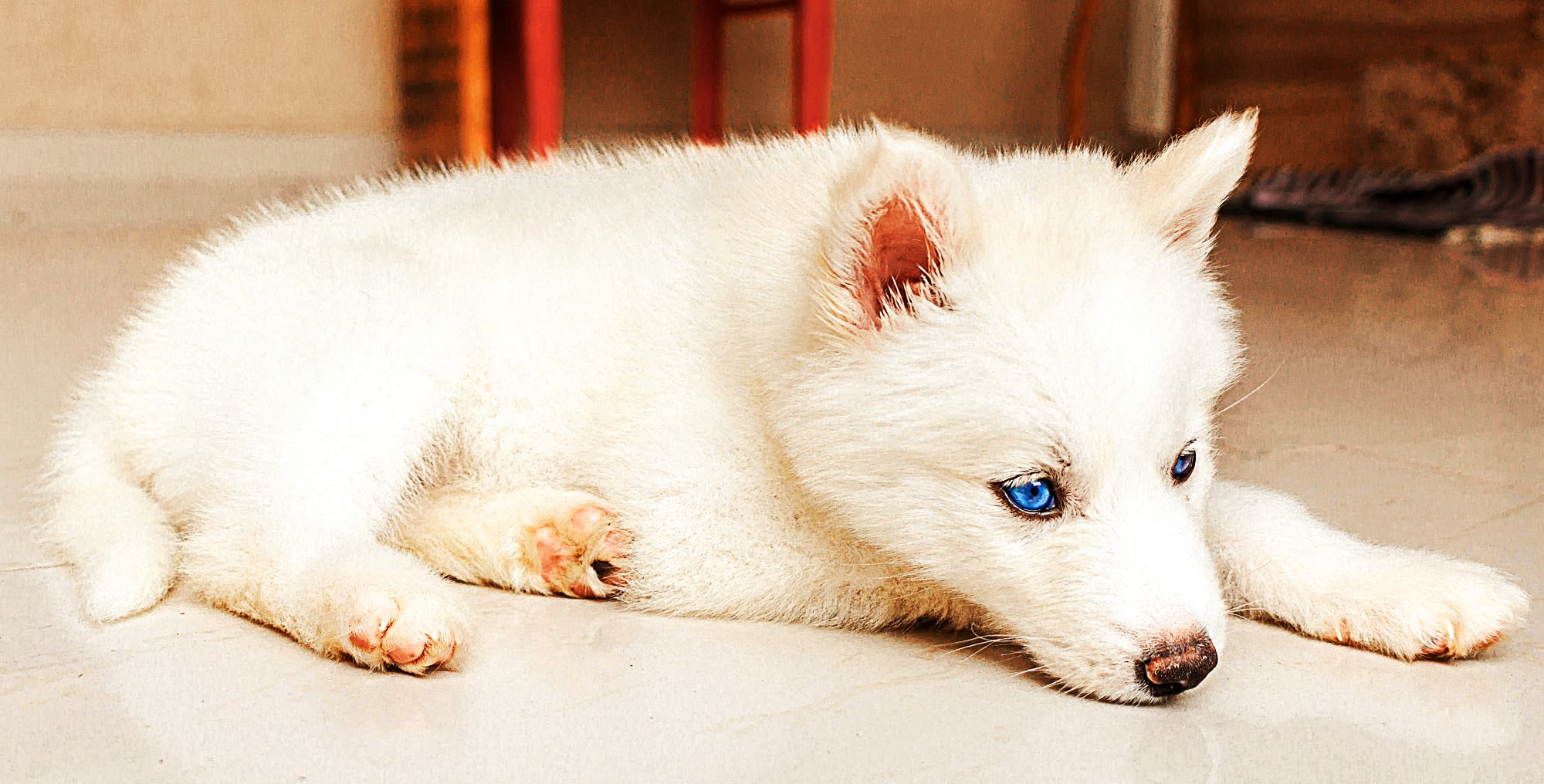

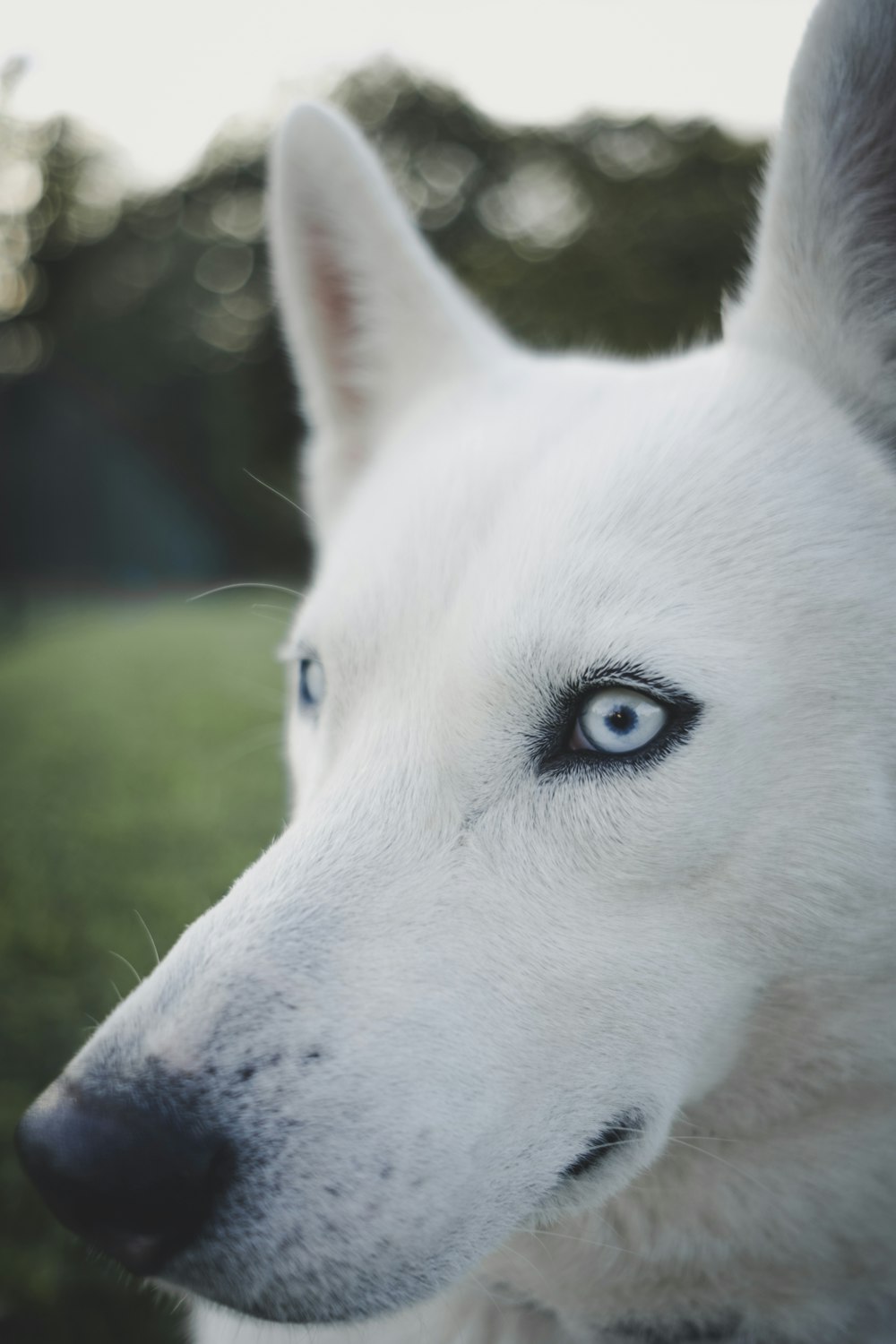
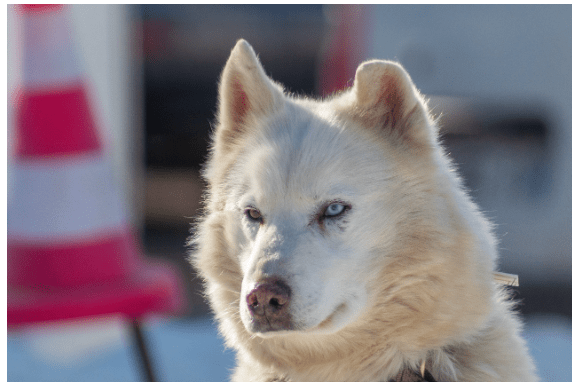
Temperament, physical conformation, and working heritage remain entirely consistent across all color variations within the Siberian Husky standard.
Regardless of whether a husky sports a traditional agouti pattern, a striking copper coat, or a solid white exterior, its core behavioral tendencies stay deeply rooted in its sled-dog ancestry. These animals possess high endurance, independent problem-solving skills, and a friendly yet mischievous disposition that requires consistent physical and mental stimulation. Reviewing informative guides on Dog Behavior helps owners understand how prey drive and high energy levels manifest daily. Proper physical outlets prevent destructive habits, ensuring that every individual husky thrives regardless of its specific shade of fur.
Professional veterinary evaluation is always recommended when noticing unusual pigment changes, vision difficulties, or skin abnormalities in any canine companion.
While distinguishing between an albino husky and a standard white variant can often be accomplished through visual inspection of the nose and eyes, a definitive diagnosis requires professional clinical examination. Veterinarians can perform specialized eye examinations and genetic testing if underlying congenital abnormalities are suspected. Attempting to self-diagnose complex dermatological or optical conditions can delay necessary medical interventions and compromise long-term well-being. Partnering with a licensed practitioner guarantees that the pet receives accurate diagnostic assessments and tailored care plans suited to its unique physiological makeup.
Maintaining an ongoing dialogue with veterinary professionals and utilizing reliable resources ensures optimal well-being for every canine companion.
Appreciating the genetic diversity found within the canine world deepens the bond between owners and their four-legged family members. By staying informed about coat genetics, sun protection, and general upkeep, caretakers provide a safe, nurturing environment where their dogs can flourish. Exploring the extensive library at PetsAnimalsWorld.com offers continuous education on proper Dog Care principles, helping every pet parent navigate the rewarding journey of dog ownership with confidence and expertise.




