

According to the American Kennel Club, classic Greyhounds are defined by their ultra-short, single-layer coats that require minimal maintenance. Yet, many animal lovers often search for information regarding greyhound dog long hair, frequently confusing the traditional racing Greyhound with other distinct breeds or rare genetic variations. Working hands-on in veterinary clinics and grooming spaces reveals that many pet owners bring home mixed-breed rescues under the assumption they have acquired a fluffy, long-haired variant of the classic running hound. Understanding the actual genetics and maintenance requirements of these alternative coats prevents future frustration during grooming routines. Explore more in our Dog Breeds collection.
💡 Pet Care Key Takeaways:
- Core Focus: Practical health, nutrition, and wellness guidelines for Greyhound Dog Long Hair.
- Target Scope: Pet owners, animal caregivers, and veterinary support staff.
- Best Recommendation: Maintain consistent daily routines and consult an accredited veterinarian before introducing major diet or medical changes.
Greyhound dog long hair typically refers to distinct breeds like the Silken Windhound or long-haired whippet variations rather than traditional Greyhounds.
True purebred Greyhounds never possess long hair due to strict genetic coding for short coats. However, alternative sighthounds—dogs bred for speed and hunting by sight—do showcase silky, flowing plumes of fur. A prime example is the Silken Windhound, a recognized breed featuring a medium-to-long, elegant coat that demands regular brushing to remain tangle-free. Additionally, long-haired Whippets, sometimes affectionately called miniature long-haired greyhounds by the public, carry a recessive gene that produces feathering around the legs, chest, and tail. Recognizing these distinctions ensures proper breed identification and sets realistic expectations for daily upkeep.
Managing a feathered or long sighthound coat requires dedicated grooming strategies to protect fragile skin and prevent painful matting.
Sighthounds are renowned for having exceptionally thin skin and very little body fat, making their external surfaces prone to abrasions and irritation. When a sighthound possesses long hair, that fine fur tends to trap debris, burrs, and moisture much faster than a standard smooth coat. Daily brushing with a soft-bristle pin brush helps distribute natural oils without scratching delicate dermal layers. Furthermore, keeping the feathers around the paws and hindquarters trimmed prevents painful snowballs from forming during winter walks, safeguarding overall Dog Health.
Sighthounds possess roughly half the body fat of other dog breeds of comparable size, leaving their skin exceptionally vulnerable to friction and environmental hazards. — American Society for the Prevention of Cruelty to Animals
Proper grooming routines and protective gear ensure long-haired sighthound variants stay comfortable across changing seasonal climates.
Maintaining an alternative long sighthound coat involves a balanced routine of gentle bathing, low-heat blow-drying, and consistent detangling sessions. Because these dogs lack heavy undercoats, harsh de-shedding tools can easily damage their fragile epidermis and pull out live hair unnecessarily. Utilizing high-quality canine conditioners keeps the silky strands smooth and less susceptible to static electricity, which frequently builds up in dry indoor environments. Neglecting routine maintenance can quickly lead to pelting, where the fur mats tightly against the skin and restricts movement, turning a simple grooming task into a medical concern.
Preventing common grooming pitfalls keeps delicate hound skin healthy and free from painful friction sores.
One frequent mistake novice owners make is using slicker brushes with excessive force on thin-skinned hounds, which frequently causes micro-abrasions. Instead, line brushing—lifting sections of hair to brush systematically from the skin outward—yields safe and effective results. Another hazard involves letting wet long hair air-dry in cold weather, as these dogs chill rapidly due to their lean physiques. Investing in well-fitted canine apparel provides necessary warmth, protecting both the coat and the underlying musculature during chilly outings.
Alternative long-haired sighthound breeds generally require weekly line brushing to prevent mats from forming near friction points like the collar line and armpits. — American Kennel Club
Pet Care & Wellness Overview Table
| Life Stage | Daily Activity Level | Key Nutrition / Care Focus |
|---|---|---|
| Puppy / Kitten | High (frequent short bursts) | High-protein growth diet & early socialization |
| Adult Companion | Moderate (30–60 mins daily) | Balanced maintenance nutrition & dental hygiene |
| Senior Pets | Low to Gentle (mindful walks) | Joint support (Glucosamine) & routine vet checks |
Images References

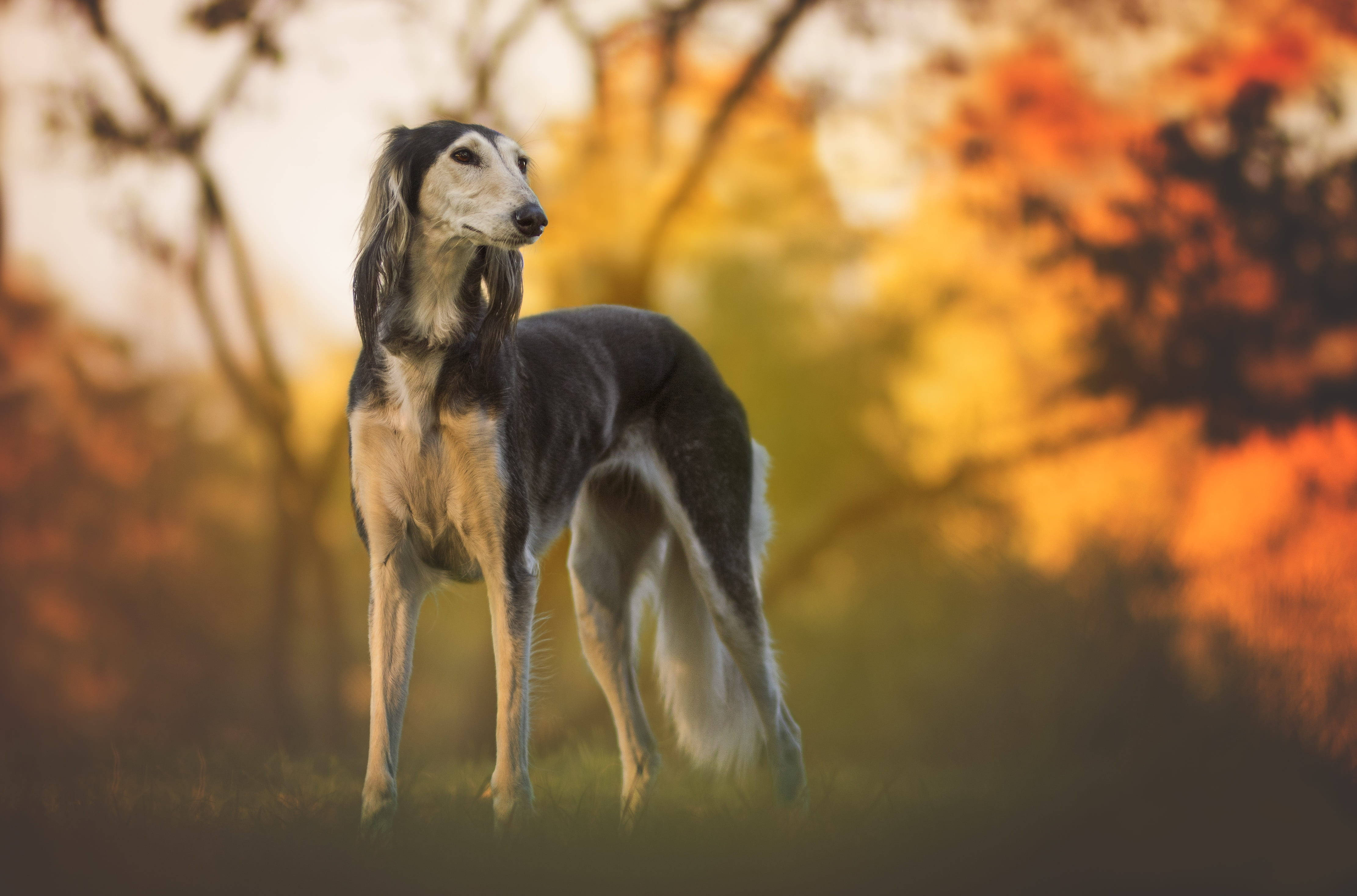

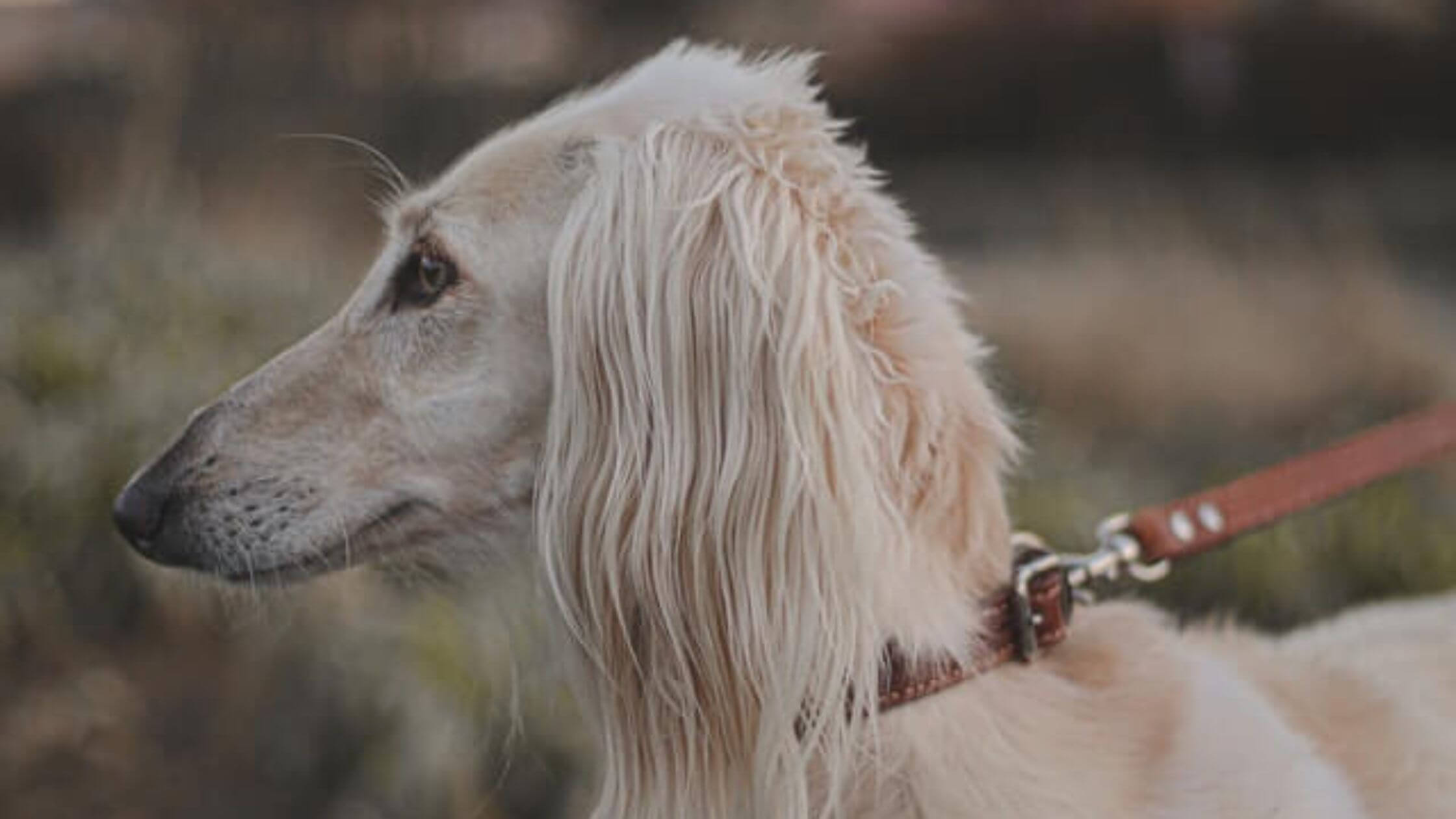


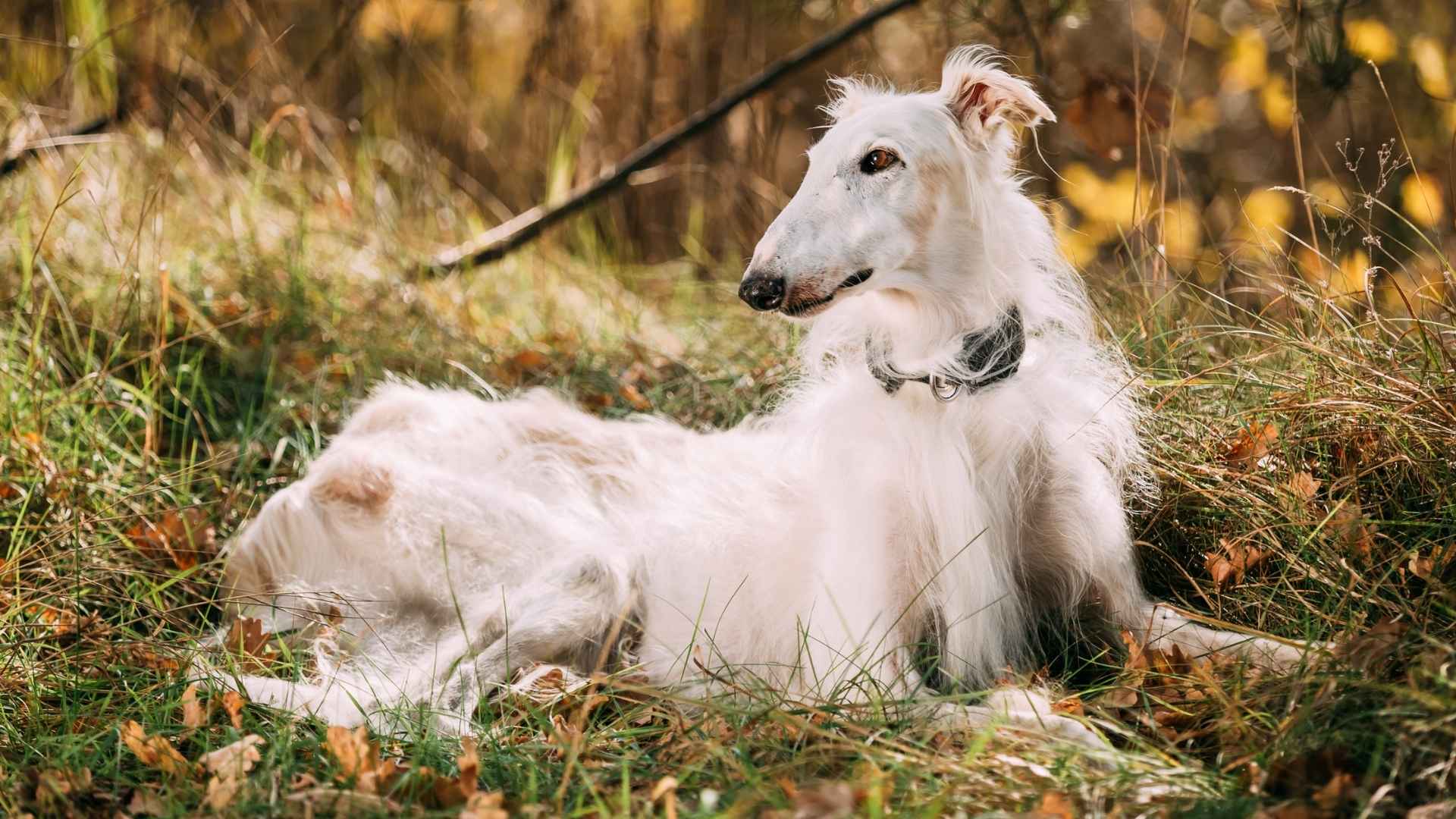
Breed history and gentle temperaments shape how these coated hounds interact with their human companions.
Breeds featuring greyhound dog long hair traits usually share the gentle, affectionate, and sensitive temperament of their smooth-coated cousins. They thrive indoors as notorious couch potatoes, requiring moderate sprints rather than grueling endurance exercises to burn off excess energy. Introducing grooming tools during early puppyhood through positive reinforcement builds lifelong trust and cooperation. Understanding these behavioral nuances helps families provide enriching environments tailored specifically to sensitive, slender breeds.
Professional veterinary guidance remains essential when coat changes signal underlying medical or nutritional issues.
Sudden changes in coat texture, excessive hair loss, or patchy thinning warrant a thorough examination by a licensed veterinarian. Nutritional deficiencies, hormonal imbalances, and dermatological allergies frequently manifest as dull, brittle fur in sensitive hounds. Never attempt to treat unexplained skin lesions or severe matting at home without professional oversight, as aggressive pulling can tear paper-thin skin. Partnering with veterinary professionals ensures any internal health concerns receive accurate diagnosis and safe treatment protocols.
Embracing the joy of caring for elegant sighthounds with alternative coats builds a rewarding bond for every dedicated pet owner.
Caring for a hound with flowing locks requires patience, gentle hands, and a commitment to routine upkeep. By exploring specialized resources available on PetsAnimalsWorld.com, owners can deepen their knowledge across multiple topics, including proper Dog Nutrition and effective Dog Care. Embracing these responsibilities ensures that every slender companion enjoys a comfortable, healthy, and stylish life by your side.




