The Fascination Surrounding the Rare White Shiba Inu
The question of whether a white Shiba Inu exists frequently captures the curiosity of prospective dog owners browsing through various Dog Breeds. According to the American Kennel Club, the Shiba Inu standard recognizes red, sesame, black and tan, and cream as the standard coat colors, leading many enthusiasts to wonder about completely white variants. While entirely white dogs do appear within the breed, understanding the genetics and kennel club standards behind this coloration helps clarify what owners are actually seeing.
💡 Pet Care Key Takeaways:
- Core Focus: Practical health, nutrition, and wellness guidelines for Is There A White Shiba Inu.
- Target Scope: Pet owners, animal caregivers, and veterinary support staff.
- Best Recommendation: Maintain consistent daily routines and consult an accredited veterinarian before introducing major diet or medical changes.
Understanding Cream Coats Versus True White Shiba Inus
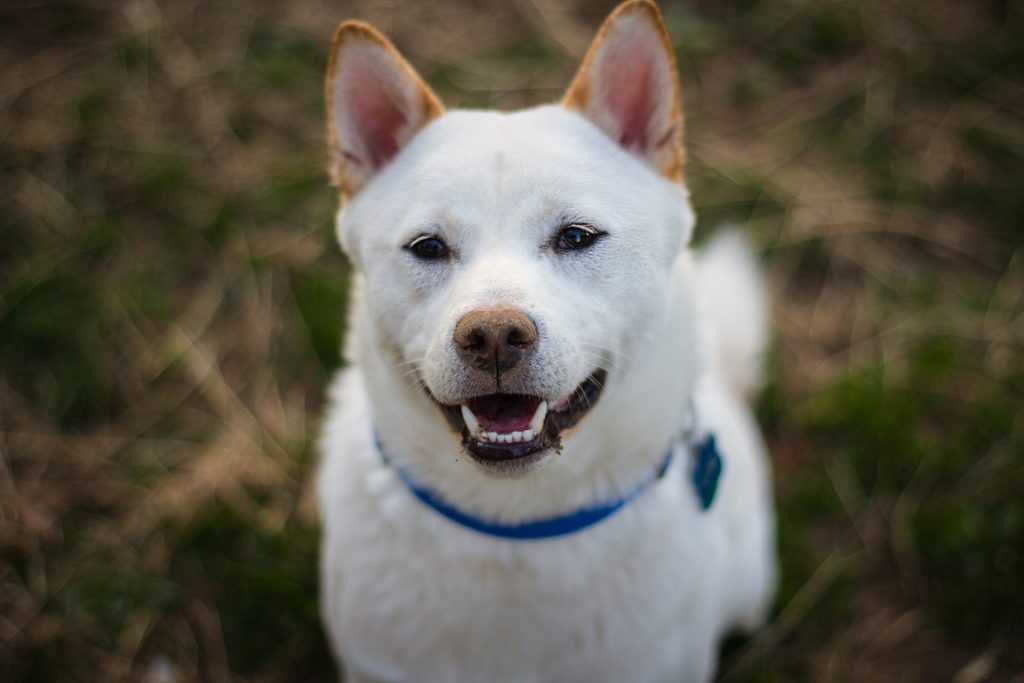
A white Shiba Inu typically exhibits a very pale cream or off-white coloration rather than a stark, snow-white pigment. In genetic terms, the gene responsible for this lighter shade is often referred to as recessive red or cream masking, which dilutes the rich red pigmentation normally associated with the breed. Official breed standards classify this pale shade as cream rather than white because a pure, stark white coat lacks the subtle shading, known as urajiro, that defines the traditional Shiba appearance. Urajiro describes the lighter ventral coloration found on the cheeks, jaw, neck, chest, stomach, and legs of standard-colored Shibas, and this pale marking can sometimes blend into an all-over cream coat, creating the visual impression of a white dog.
Genetics, Breeding Practices, and Health Considerations
Cream-colored Shiba Inus share the same baseline anatomical traits, nutritional needs, and potential health sensitivities as their red or black-and-tan counterparts when managed through proper Dog Health protocols. Responsible breeders focus primarily on temperament, structural soundness, and genetic health testing rather than breeding specifically for rare color variations. While the cream coat itself does not inherently cause health problems, dogs with extremely pale coats can sometimes experience increased skin sensitivity to ultraviolet light, much like fair-skinned humans. Furthermore, prospective owners should carefully research breeders who advertise extremely rare or high-priced “snow-white” Shibas, as breeding solely for aesthetic novelty without regard for genetic diversity can inadvertently pass down hereditary conditions.
The American Kennel Club recognizes four standard coat colors for the Shiba Inu: red, black and tan, sesame, and cream. — American Kennel Club
Managing Coat Care and Daily Maintenance for Lighter Coats
Maintaining a clean and healthy coat on a cream Shiba Inu requires consistent attention to grooming and proper Dog Care routines. Because lighter fur easily reveals dirt, mud, and tear staining around the eyes, regular brushing with a slicker brush and medium-bristle comb helps remove loose undercoat hair and surface debris before it mats. Shibas are naturally fastidious animals that groom themselves similarly to cats, but their double coats still shed heavily twice a year during seasonal changes. Bathing should be done only when necessary to preserve the natural oils that protect the skin and hair follicles from dryness and irritation.
Practical Grooming Tips and Common Misconceptions
A common mistake among owners of lighter-colored dogs is over-bathing with harsh whitening shampoos that can strip natural oils and cause severe skin irritation. Instead, utilize gentle, hypoallergenic shampoos formulated for sensitive skin if a bath is truly required. Regular paw checks after outdoor excursions will prevent mud from staining the light fur between the toes. Owners should also monitor tear production, as clear discharge can oxidize on cream-colored facial fur, leaving reddish-brown stains that require gentle wiping with a damp, canine-safe cloth.
Double-coated dog breeds shed their undercoat heavily during seasonal changes, requiring frequent brushing rather than frequent bathing to manage loose hair. — Association of Professional Dog Trainers
Pet Care & Wellness Overview Table
| Life Stage | Daily Activity Level | Key Nutrition / Care Focus |
|---|---|---|
| Puppy / Kitten | High (frequent short bursts) | High-protein growth diet & early socialization |
| Adult Companion | Moderate (30–60 mins daily) | Balanced maintenance nutrition & dental hygiene |
| Senior Pets | Low to Gentle (mindful walks) | Joint support (Glucosamine) & routine vet checks |
Images References




Temperament and Behavioral Characteristics of the Breed
Coat color has no direct influence on personality, meaning a cream or pale-coated Shiba possesses the same spirited, independent, and confident temperament as any other color variant. Proper socialization and positive reinforcement strategies explored within Dog Training resources are essential for managing the breed’s natural independence and strong prey drive. Shibas are known for being alert, intelligent, and occasionally aloof with strangers, making early exposure to different environments, people, and other animals a vital part of raising a well-adjusted companion.
When to Consult a Veterinarian or Professional Trainer
Professional guidance becomes necessary if an owner notices sudden skin changes, persistent scratching, or severe behavioral challenges that do not respond to basic management. Veterinary consultation is recommended for skin conditions, excessive shedding outside of seasonal blowouts, or signs of discomfort. For persistent fearfulness, resource guarding, or reactivity, consulting a qualified, certified professional trainer who utilizes humane, science-based methods ensures the safety and emotional well-being of the dog.
Closing Thoughts on White and Cream Shiba Inus
While a true snow-white Shiba Inu is generally considered outside the traditional breed standard, the pale cream variant remains a striking and beloved option for many dog enthusiasts. Prioritizing health, temperament, and proper care over specific color preferences ensures a rewarding relationship with this ancient Japanese breed. Explore more expert advice and resources by visiting PetsAnimalsWorld.com.