
Introduction
Maintaining a dog’s vitality and mobility as it ages or navigates its active life is a top priority for responsible pet owners. A crucial aspect of this care involves supporting the skeletal system, particularly the joints. Joint health supplements for dogs refer to a category of nutritional products specifically formulated to promote the health and function of canine joints. These supplements typically contain ingredients aimed at supporting cartilage integrity, reducing inflammation, and improving overall joint lubrication and comfort. This issue commonly arises due to natural wear and tear over a dog’s lifetime, genetic predispositions in certain breeds, past injuries, or conditions such as osteoarthritis. Understanding the role and benefits of these supplements can significantly improve a dogs comfort, mobility, and overall quality of life, allowing them to enjoy their daily activities with greater ease and less pain.
💡 Pet Care Key Takeaways:
- Core Focus: Practical health, nutrition, and wellness guidelines for Joint Health Supplements For Dogs.
- Target Scope: Pet owners, animal caregivers, and veterinary support staff.
- Best Recommendation: Maintain consistent daily routines and consult an accredited veterinarian before introducing major diet or medical changes.
Common Causes and Key Factors
Joint issues in dogs are multifaceted, often stemming from a combination of factors that contribute to the degeneration or inflammation of cartilage and surrounding joint tissues. The primary cause of joint discomfort in dogs is often related to age. As dogs grow older, the natural cushioning cartilage in their joints begins to wear down, leading to conditions like osteoarthritis. For more related activities, check out our Can Apoquel Cause Aggression In Dogs.
Breed predisposition plays a significant role, with larger and giant breeds, such as German Shepherds, Labrador Retrievers, and Golden Retrievers, being genetically predisposed to conditions like hip and elbow dysplasia. These conditions involve abnormal joint formation, leading to instability and premature arthritis.
Excess weight and obesity place immense additional stress on a dog’s joints, exacerbating existing problems and accelerating cartilage degradation. Even a few extra pounds can significantly impact joint health, particularly in the hips, knees, and elbows.
A dog’s activity level and lifestyle also contribute. High-impact activities, repetitive movements, or strenuous exercise without proper conditioning can lead to micro-traumas or injuries that compromise joint integrity. Conversely, a sedentary lifestyle can lead to weakened muscles that support joints, reducing stability. Past injuries or trauma, even if seemingly healed, can predispose a joint to future problems. Finally, inadequate nutrition during growth can impair bone and cartilage development, setting the stage for future joint issues.
Signs and Symptoms to Observe
Recognizing the subtle and overt signs of joint discomfort is vital for timely intervention. Dog owners often observe changes in a dog’s mobility and behavior that indicate underlying joint issues.
Mobility changes are among the most common indicators. This can manifest as limping, stiffness, particularly after resting or waking up, difficulty rising from a lying position, or a reluctance to jump onto furniture or climb stairs. A dog might also exhibit a decreased desire to go for walks or participate in previously enjoyed activities like running or playing fetch. The gait might appear altered, with a shorter stride or an unevenness in movement.
Behavioral shifts can also signal discomfort. A dog experiencing joint pain might become more withdrawn, irritable when touched, or even aggressive if pain is anticipated. Increased lethargy or a general lack of enthusiasm are also potential signs. Some dogs may seek out warmer, softer places to rest, attempting to alleviate pressure on their joints.
Physical indicators include licking or chewing excessively at a specific joint, which can be an attempt to self-soothe. Muscle atrophy in an affected limb due to disuse can become apparent over time. In some cases, audible clicks or pops might be heard from the joints during movement. The presentation of these signs can vary; younger dogs with developmental issues might show intermittent lameness, while older dogs with arthritis often exhibit more generalized stiffness and pain that worsens in cold or damp weather.
Practical Solutions and Management Strategies
Managing and improving canine joint health requires a comprehensive approach, often involving a combination of lifestyle adjustments, dietary considerations, and the strategic use of supplements.
Weight management is paramount. Maintaining a lean body weight significantly reduces the stress placed on joints. This involves feeding a balanced, high-quality diet appropriate for the dog’s age, breed, and activity level, and carefully monitoring calorie intake.
Controlled exercise is crucial. Instead of high-impact activities, which can exacerbate joint issues, focus on low-impact alternatives like swimming, short and frequent leash walks, or controlled treadmill sessions. These activities help maintain muscle strength and joint flexibility without excessive wear and tear. Always incorporate gentle warm-up and cool-down periods.
Environmental modifications can greatly enhance a dogs comfort and mobility. Providing orthopedic beds with good support can alleviate pressure on aching joints. Ramps or pet stairs can assist dogs in accessing elevated surfaces like furniture or vehicles, preventing painful jumping. On slippery floors, consider using rugs or anti-slip mats to provide better traction and prevent falls. Maintaining a warm environment can also help soothe stiff joints.
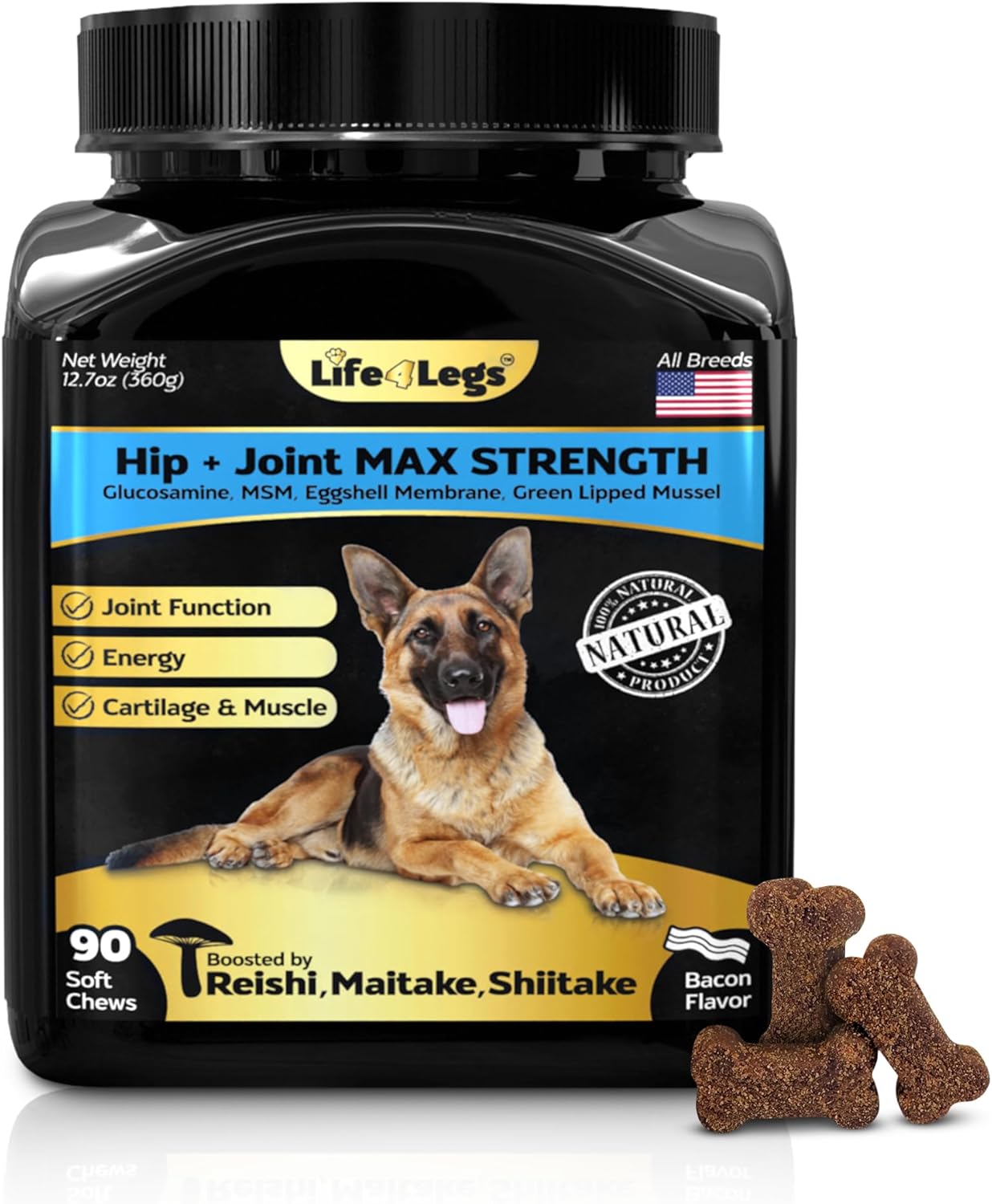
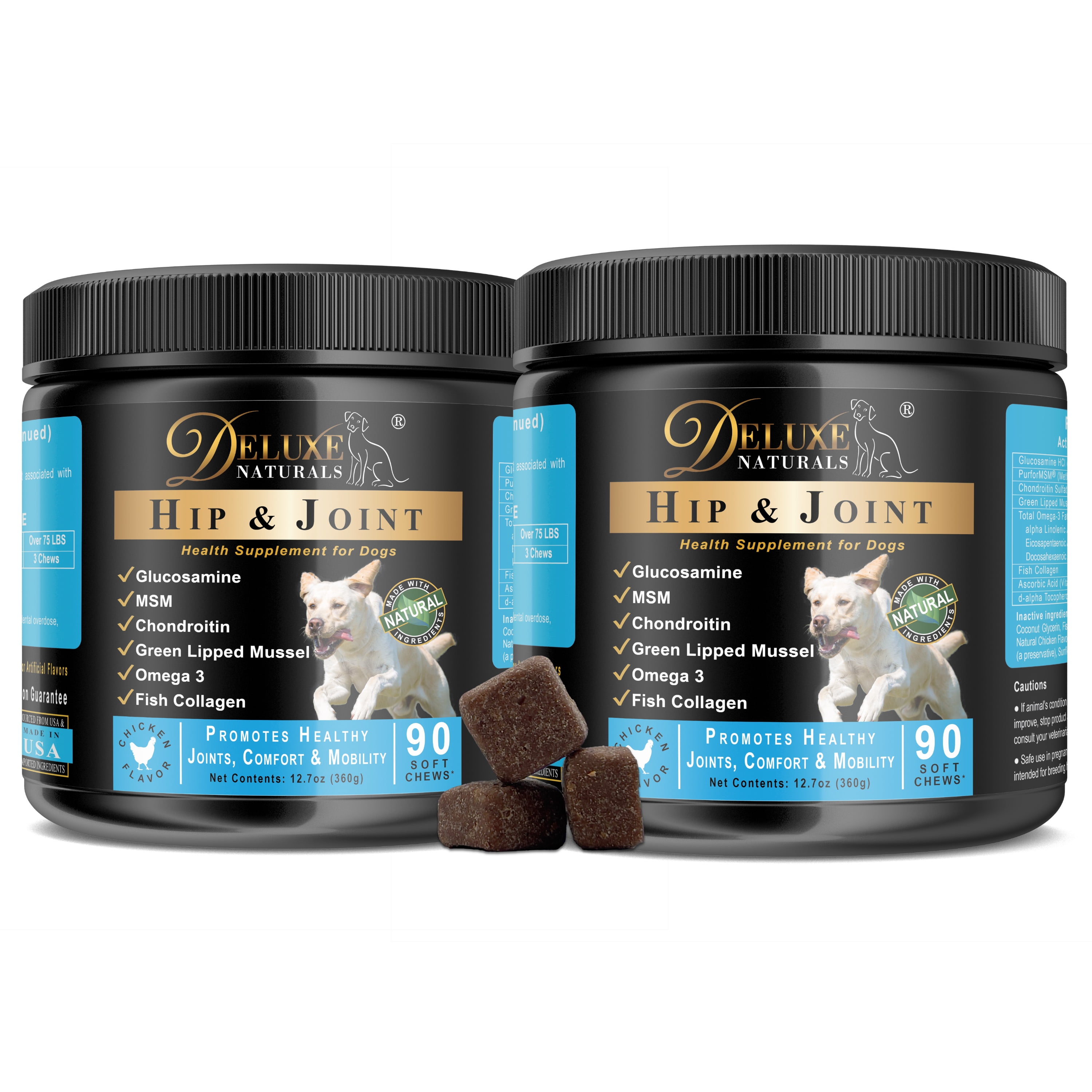
Joint health supplements for dogs play a vital role in supporting joint structure and function. Key ingredients commonly found in these supplements include:
- Glucosamine and Chondroitin Sulfate: These are fundamental building blocks of cartilage, helping to repair and maintain its integrity.
- MSM (Methylsulfonylmethane): An organic sulfur compound with anti-inflammatory properties, often used to alleviate pain and swelling.
- Omega-3 Fatty Acids (EPA and DHA): Found in fish oil, these powerful anti-inflammatory agents can reduce joint pain and stiffness.
- Green-Lipped Mussel (GLM): A rich source of Omega-3s, glucosamine, chondroitin, and other minerals, known for its anti-inflammatory and joint-protective qualities.
- Hyaluronic Acid: Helps to lubricate joints and maintain the viscosity of synovial fluid.
- Collagen: A structural protein vital for healthy cartilage, bones, and connective tissues.
When selecting a supplement, it is important to choose high-quality products from reputable manufacturers to ensure efficacy and safety.
When Professional Help May Be Needed
While diligent home care and appropriate supplementation can significantly support a dogs joint health, there are specific situations where veterinary consultation becomes indispensable. Ignoring persistent or worsening symptoms can lead to prolonged discomfort and more severe conditions.
Professional veterinary attention is necessary if a dog exhibits sudden or severe lameness, an inability to bear weight on a limb, or vocalizes pain when moving. These signs could indicate an acute injury, such as a ligament tear, fracture, or severe dislocation, requiring immediate medical intervention.
If symptoms of stiffness or pain persist or worsen despite consistent home management, including diet control, exercise modification, and the use of joint health supplements, a visit to the veterinarian is crucial. A professional diagnosis can identify underlying conditions, such as advanced osteoarthritis, autoimmune joint disease, or even certain types of cancer affecting the bones or joints.
Before initiating any new supplement regimen, especially if a dog has pre-existing health conditions or is currently on other medications, veterinary guidance is highly recommended. A veterinarian can provide tailored recommendations, ensuring the chosen supplements are appropriate and do not interact negatively with other treatments. Diagnostic tools such as X-rays, MRI, or blood tests can provide a definitive diagnosis, leading to a more targeted and effective treatment plan, which might include prescription pain relief, anti-inflammatory medications, or advanced therapies like regenerative medicine or surgery.
Conclusion
Prioritizing a dog’s joint health is fundamental to ensuring a long, active, and comfortable life. The proactive use of joint health supplements for dogs, alongside thoughtful lifestyle adjustments and environmental considerations, forms a cornerstone of comprehensive canine care. Remaining vigilant for subtle signs of discomfort or changes in mobility allows for early intervention, which is key to managing progressive joint conditions effectively. By integrating appropriate nutrition, maintaining a healthy weight, providing suitable exercise, and utilizing targeted supplementation, dog owners can significantly support their canine companions’ joint function. Collaborating with a veterinarian remains essential for diagnosis and personalized treatment plans, ensuring that every dog receives the best possible care to maintain its mobility and enhance its overall quality of life.
Pet Care & Wellness Overview Table
| Life Stage | Daily Activity Level | Key Nutrition / Care Focus |
|---|---|---|
| Puppy / Kitten | High (frequent short bursts) | High-protein growth diet & early socialization |
| Adult Companion | Moderate (30–60 mins daily) | Balanced maintenance nutrition & dental hygiene |
| Senior Pets | Low to Gentle (mindful walks) | Joint support (Glucosamine) & routine vet checks |
Images References



For more expert pet care tips and advice, check out our dedicated Dog Health guides to keep your companions healthy and happy.




