
Introduction
Maintaining a dogs overall health is a primary concern for responsible pet owners, and kidney function plays a vital role in this endeavor. The kidneys are essential organs responsible for filtering waste products from the blood, regulating blood pressure, producing hormones, and maintaining electrolyte balance. When these vital organs begin to struggle, a dog’s health can quickly decline. This is where the concept of kidney support supplements for dogs becomes highly relevant. These specialized supplements are formulated to assist in maintaining renal health, either proactively or as part of a broader management plan for dogs already experiencing kidney challenges. Understanding the role and potential benefits of these supplements can empower dog owners to make informed decisions alongside their veterinarian, ultimately contributing to a better quality of life and prolonged well-being for their canine companions.
💡 Pet Care Key Takeaways:
- Core Focus: Practical health, nutrition, and wellness guidelines for Kidney Support Supplements For Dogs.
- Target Scope: Pet owners, animal caregivers, and veterinary support staff.
- Best Recommendation: Maintain consistent daily routines and consult an accredited veterinarian before introducing major diet or medical changes.
Common Causes and Key Factors
Kidney issues in dogs can arise from a variety of factors, making proactive care and understanding crucial. One of the most common causes is age; as dogs grow older, their kidneys, like other organs, can naturally decline in function. Chronic Kidney Disease (CKD) often progresses slowly over months or years, frequently going unnoticed until significant damage has occurred. Genetic predisposition also plays a role, with certain breeds showing a higher susceptibility to kidney conditions. For more related activities, check out our “Fortiflora” And “Gut Health”.
Acute Kidney Injury (AKI), though less common than CKD, can result from sudden events such as exposure to toxins (e.g., antifreeze, certain medications, specific plants), severe dehydration, infections, trauma, or reduced blood flow to the kidneys. Additionally, underlying health conditions like dental disease, high blood pressure, and certain cancers can indirectly impact kidney health. A diet lacking in proper nutrition or one that places undue strain on the kidneys can also contribute to long-term renal stress, highlighting the interconnectedness of a dog’s overall physiological balance.
Signs and Symptoms to Observe
Recognizing the early signs of kidney problems in dogs can be challenging, as symptoms often do not become apparent until a significant portion of kidney function has been lost. However, diligent observation by owners is invaluable. One of the most noticeable indicators is a change in thirst and urination patterns. Dogs with compromised kidney function may exhibit increased thirst (polydipsia) and, consequently, increased urination (polyuria), sometimes leading to accidents indoors.
Other common signs include a decrease in appetite, leading to weight loss and muscle wasting. Lethargy, weakness, and an overall reduction in activity levels are also frequently observed. Dogs might experience nausea and vomiting, which can further exacerbate dehydration and nutrient deficiencies. Changes in coat quality, a dull appearance, or a lingering odor on the breath (uremic breath) due to the buildup of toxins can also signal underlying kidney issues. In some cases, oral ulcers or pale gums may be present. These symptoms can vary in intensity depending on the dog’s age, the stage of kidney disease, and their individual health status, underscoring the importance of vigilance and prompt veterinary attention when such changes are noted.
Practical Solutions and Management Strategies
Managing kidney health in dogs, particularly when dealing with established conditions, involves a multi-faceted approach. Dietary management is often the cornerstone, with veterinarians frequently recommending therapeutic kidney diets. These specialized diets are typically formulated with controlled levels of high-quality protein, reduced phosphorus, and sometimes lower sodium, designed to minimize the workload on the kidneys and slow disease progression.
Ensuring adequate hydration is equally critical. Access to fresh, clean water at all times is paramount, and some owners find that incorporating wet food or adding water to dry kibble can help increase a dog’s fluid intake.
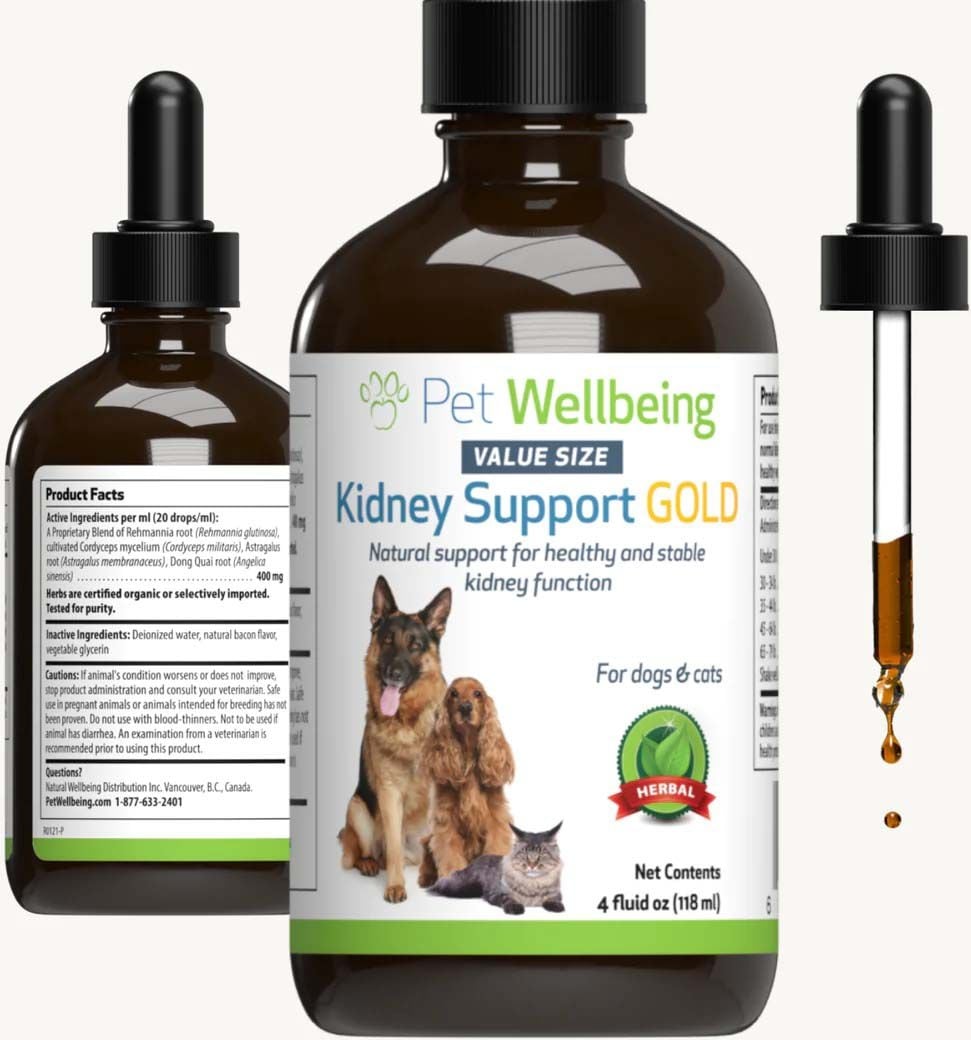
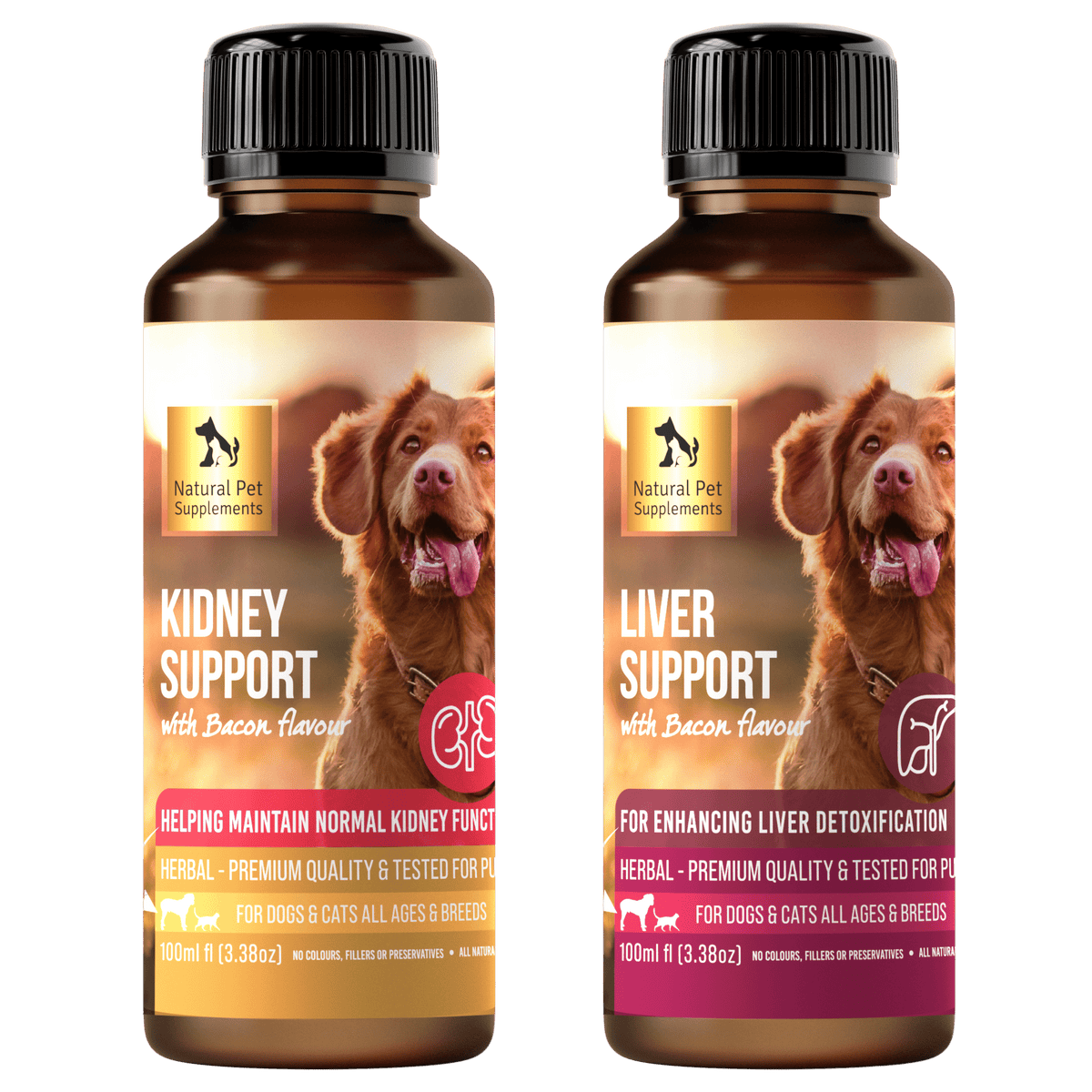
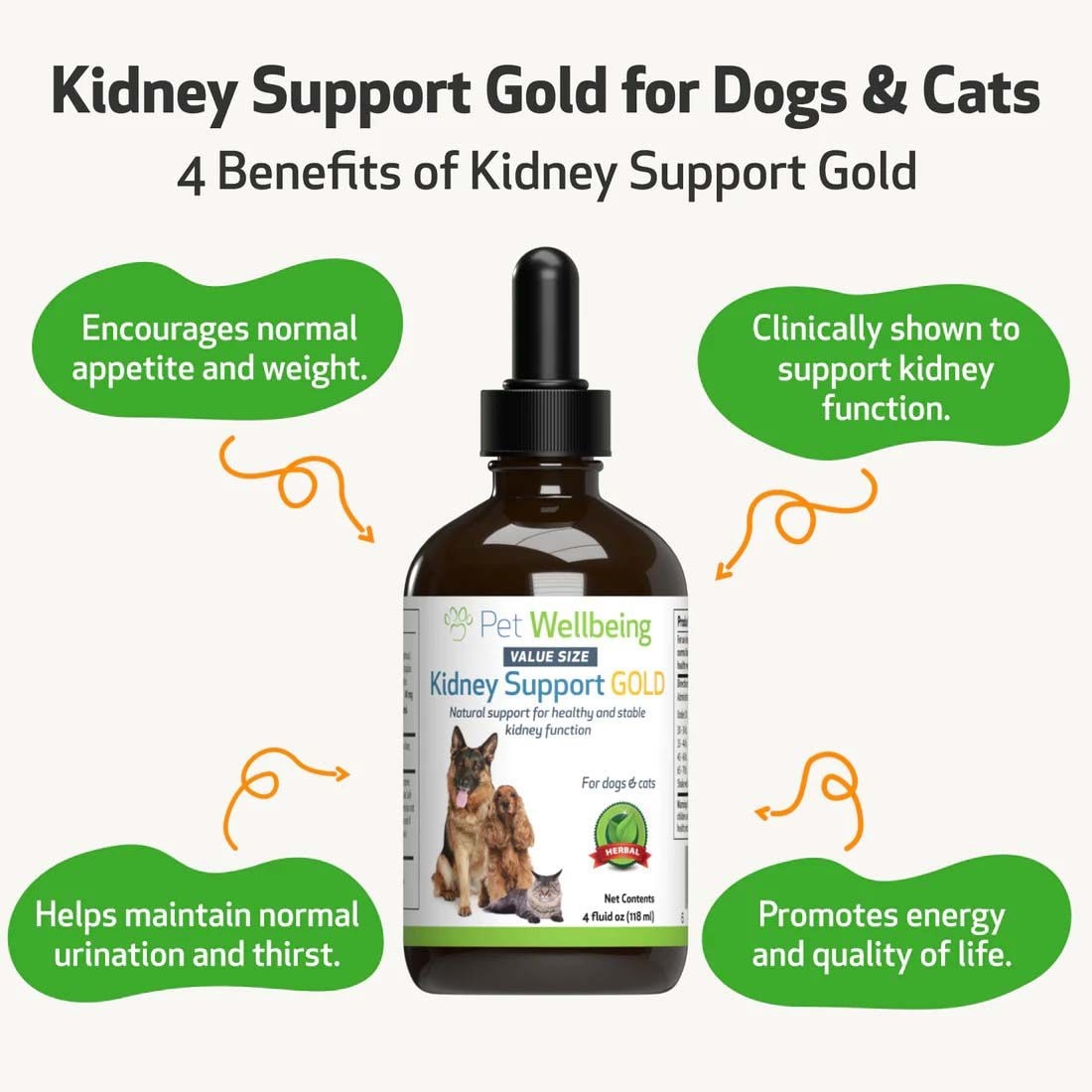
This is where kidney support supplements for dogs can play a complementary role. These supplements are not a cure for kidney disease but are designed to support kidney function and address specific challenges associated with renal compromise. Common ingredients found in these supplements include:
- Omega-3 Fatty Acids: Known for their anti-inflammatory properties, which can help reduce inflammation within the kidneys.
- Antioxidants (e.g., Vitamin E, C, CoQ10): Combat oxidative stress, which can damage kidney cells.
- B Vitamins: Often depleted in dogs with kidney disease due to increased urination, these can help maintain energy levels and metabolism.
- Phosphorus Binders: These compounds, often given with meals, bind to phosphorus in the diet, preventing its absorption and reducing the burden on compromised kidneys.
- Probiotics and Prebiotics: May support gut health and help reduce the buildup of uremic toxins.
- Herbal Ingredients (e.g., Rehmannia, Astragalus, Nettle): Some botanical extracts are believed to have kidney-supportive properties, though their efficacy should always be discussed with a veterinarian.
Environmental enrichment, stress reduction, and consistent veterinary check-ups also form crucial components of a holistic management strategy, helping to improve the overall well-being of the dog.
When Professional Help May Be Needed
The decision to introduce kidney support supplements for dogs or make significant dietary changes should always be made under the guidance of a qualified veterinarian. Kidney issues are complex, and self-diagnosis or self-treatment can lead to detrimental outcomes. If a dog displays any of the aforementioned signs of kidney problems, immediate veterinary consultation is essential. A veterinarian can perform a thorough physical examination, blood tests (including BUN, creatinine, phosphorus), urinalysis, and potentially imaging studies to accurately diagnose the condition, determine its severity, and rule out other underlying health concerns.
Professional guidance is critical because the appropriate treatment protocol, including specific dietary recommendations and the selection of suitable kidney support supplements, will vary significantly based on the type and stage of kidney disease. Regular follow-up appointments, including blood and urine tests, are necessary to monitor the dog’s response to treatment and adjust the management plan as the disease progresses or as the dog’s condition changes. A veterinarian can also provide insights into fluid therapy, medication for nausea or blood pressure, and other supportive care tailored to the individual needs of the canine patient, ensuring a comprehensive and effective approach to renal health management.
Conclusion
Understanding and proactively addressing canine kidney health is a cornerstone of responsible pet ownership. The kidneys perform indispensable functions, and their decline can significantly impact a dog’s vitality and longevity. While age and genetics play their part, awareness of common causes and vigilance for early signs are paramount for timely intervention. Kidney support supplements for dogs, when chosen and administered under veterinary supervision, can offer valuable assistance as part of a comprehensive management plan, complementing therapeutic diets and other treatments. Emphasizing professional veterinary diagnosis and ongoing monitoring ensures that any interventions are appropriate and beneficial. By maintaining a keen eye on their dog’s behavior and health, and working closely with a veterinarian, owners can help their beloved companions navigate potential kidney challenges, promoting comfort, extending healthy years, and preserving the cherished bond shared.
Pet Care & Wellness Overview Table
| Life Stage | Daily Activity Level | Key Nutrition / Care Focus |
|---|---|---|
| Puppy / Kitten | High (frequent short bursts) | High-protein growth diet & early socialization |
| Adult Companion | Moderate (30–60 mins daily) | Balanced maintenance nutrition & dental hygiene |
| Senior Pets | Low to Gentle (mindful walks) | Joint support (Glucosamine) & routine vet checks |
Images References





For more expert pet care tips and advice, check out our dedicated Dog Nutrition guides to keep your companions healthy and happy.




