
Introduction
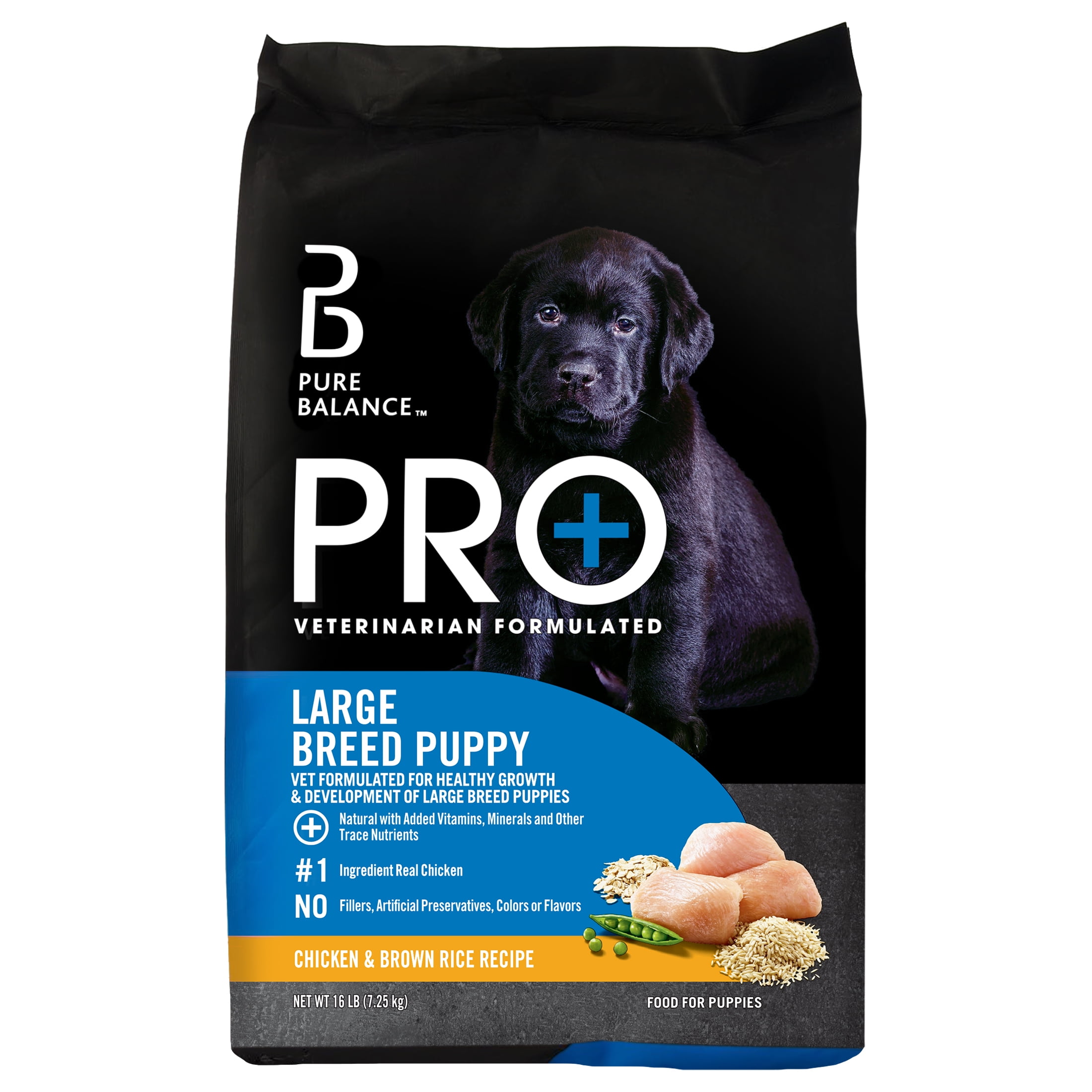
Ensuring optimal health for a large breed puppy begins with a foundational element: appropriate nutrition. Large breed puppy food is a specialized dietary formulation designed to meet the unique growth requirements of canines expected to weigh over 50 pounds (approximately 23 kg) as adults. Breeds such as Golden Retrievers, German Shepherds, Labradors, Great Danes, and Rottweilers experience a rapid and prolonged growth phase compared to their smaller counterparts. Feeding a standard puppy diet to a large breed puppy can inadvertently lead to an accelerated growth rate, increasing the risk of developmental orthopedic diseases, which can significantly impact a dogs mobility and overall quality of life. Understanding the specific nutritional nuances of these specialized foods is crucial for promoting healthy skeletal development, optimal body condition, and long-term well-being from puppyhood into adulthood.
💡 Pet Care Key Takeaways:
- Core Focus: Practical health, nutrition, and wellness guidelines for Large Breed Puppy Food.
- Target Scope: Pet owners, animal caregivers, and veterinary support staff.
- Best Recommendation: Maintain consistent daily routines and consult an accredited veterinarian before introducing major diet or medical changes.
Common Causes and Key Factors
The necessity for specialized large breed puppy food stems from several key biological and physiological factors inherent to these larger canine breeds. A primary concern is their accelerated growth rate. Large breed puppies grow much faster than small or medium breeds, but their skeletal development matures more slowly. If their diet provides excessive calories, it can lead to unnaturally rapid weight gain and bone development, placing undue stress on their developing joints and growth plates. For more related activities, check out our Dog Training Xl Bully.
Another critical factor is the precise balance of essential minerals, particularly calcium and phosphorus. An incorrect ratio or excessive levels of calcium can interfere with bone mineralization, potentially contributing to conditions such as hip and elbow dysplasia, osteochondrosis dissecans (OCD), and panosteitis. Large breed puppy formulas are meticulously designed to provide a controlled caloric intake and an optimal calcium-to-phosphorus ratio to support steady, healthy growth rather than rapid, problematic expansion.
Furthermore, large breeds are often genetically predisposed to certain orthopedic conditions. Their diet must support the development of strong muscles and healthy cartilage, which helps mitigate the risk factors associated with these predispositions. High-quality protein sources are essential for muscle development, while specific fatty acids like DHA (docosahexaenoic acid) contribute to brain and eye development, and sometimes, prebiotics are included to support digestive health in these growing animals.
Signs and Symptoms to Observe
Monitoring a large breed puppy’s growth and behavior provides valuable insights into its overall health and the efficacy of its diet. Observable signs related to inappropriate nutrition can manifest in various ways. One of the most critical indicators is an overly rapid weight gain or a “pot-bellied” appearance, which suggests the puppy may be consuming too many calories, potentially accelerating growth beyond a healthy pace.
Skeletal issues can present as limping, an unusual gait, reluctance to play or jump, or difficulty rising. These signs might suggest discomfort or pain in the joints or bones, possibly linked to developmental orthopedic diseases exacerbated by an unbalanced diet. Swelling in joints or bowing of the legs can also be indicative of skeletal problems.
While less common with commercial diets, poor coat quality, lethargy, or digestive upset (such as persistent diarrhea or vomiting) can sometimes signal an inappropriate diet or an underlying health issue. Observing a puppy’s energy levels, its interaction with its environment, and its general comfort helps identify when a dietary adjustment or professional consultation might be necessary. The specific manifestation of these signs can vary by breed, age, and individual puppy constitution.
Practical Solutions and Management Strategies
The cornerstone of managing a large breed puppy’s growth is the careful selection and administration of its diet. The primary solution involves choosing a commercial large breed puppy food specifically formulated to address their unique nutritional requirements. These foods typically feature a controlled calorie content to prevent overly rapid growth and a carefully balanced calcium-to-phosphorus ratio to support healthy skeletal development.
Adhering strictly to the manufacturer’s feeding guidelines is essential. These guidelines are usually based on a puppy’s current weight and anticipated adult weight. Adjustments may be necessary based on the puppy’s individual activity level and body condition score. Regular monitoring of the puppy’s weight and body condition helps ensure it maintains an ideal lean physique, avoiding both underweight and overweight conditions. Overfeeding, even with appropriate food, can negate its benefits.
Establishing a consistent feeding schedule, typically two to three meals per day for young puppies, aids in digestion and helps regulate metabolism. Treats should be given sparingly and factored into the total daily caloric intake. When transitioning a puppy from one food to another, or from puppy food to an adult large breed formula (usually between 12-24 months of age, depending on the breed), a gradual change over 7-10 days minimizes digestive upset. Consulting with a veterinarian can provide tailored advice on diet progression and specific nutritional needs.
When Professional Help May Be Needed
While careful dietary management is paramount, there are specific situations where professional veterinary intervention becomes necessary. Persistent or worsening lameness, limping, or any signs of pain or discomfort in a large breed puppy’s joints or limbs warrant immediate veterinary attention. These symptoms could indicate developmental orthopedic diseases that require diagnosis and treatment.
Significant deviations from a healthy growth curve, such as a puppy growing too rapidly or failing to gain weight appropriately despite adequate food intake, should also prompt a veterinary visit. A veterinarian can assess the puppy’s overall health, review its diet, and rule out any underlying medical conditions.
Unexplained digestive issues like chronic diarrhea or recurrent vomiting, which do not resolve with simple dietary adjustments, also necessitate a professional evaluation. Concerns regarding the suitability of a particular large breed puppy food, or the need for specific dietary recommendations due to a puppy’s unique health profile or allergies, are also best addressed by a qualified veterinary professional. Regular veterinary check-ups are always advised to monitor a large breed puppy’s development and ensure its long-term health.
Conclusion
The thoughtful selection and consistent feeding of large breed puppy food represent a critical investment in a large breed dog’s lifelong health and well-being. By understanding the unique nutritional demands of these rapidly growing canines, owners can proactively mitigate the risks of developmental orthopedic issues and support robust, balanced growth. Awareness of appropriate caloric intake, mineral ratios, and high-quality ingredients empowers owners to make informed dietary choices. Continuous observation for signs of discomfort or imbalance, coupled with adherence to professional veterinary guidance, ensures that a large breed puppy receives the optimal foundation for a healthy, active life. Prioritizing specialized nutrition during these formative months is a testament to dedicated canine care.
Pet Care & Wellness Overview Table
| Life Stage | Daily Activity Level | Key Nutrition / Care Focus |
|---|---|---|
| Puppy / Kitten | High (frequent short bursts) | High-protein growth diet & early socialization |
| Adult Companion | Moderate (30–60 mins daily) | Balanced maintenance nutrition & dental hygiene |
| Senior Pets | Low to Gentle (mindful walks) | Joint support (Glucosamine) & routine vet checks |
Images References





For more expert pet care tips and advice, check out our dedicated Dog Breeds guides to keep your companions healthy and happy.


