

Introduction
Understanding a dog’s nutritional needs is paramount for its overall health and longevity. For some canine companions, a standard diet simply does not suffice, leading to various health complications. This is where limited diet dog food becomes a critical component of their care. Also known as novel protein or restricted ingredient diets, this specialized food type is formulated with a minimal number of ingredients, often featuring protein sources and carbohydrates that are less commonly found in traditional dog foods. The primary purpose of limited diet dog food is to identify and manage adverse food reactions, such as allergies or sensitivities, or to support specific health conditions requiring precise nutrient profiles. Recognizing when and why a limited diet might be necessary is a crucial step for dog owners to improve their pet’s well-being, alleviate discomfort, and enhance their quality of life.
💡 Pet Care Key Takeaways:
- Core Focus: Practical health, nutrition, and wellness guidelines for Limited Diet Dog Food.
- Target Scope: Pet owners, animal caregivers, and veterinary support staff.
- Best Recommendation: Maintain consistent daily routines and consult an accredited veterinarian before introducing major diet or medical changes.
Common Causes and Key Factors
Several underlying reasons necessitate the implementation of a limited diet for dogs. One of the most prevalent is a food allergy, which is an immune response to a specific protein. Common allergens include beef, chicken, dairy, wheat, soy, and corn, often leading to persistent skin or gastrointestinal issues. Distinct from allergies are food sensitivities or intolerances, which do not involve an immune response but can cause similar digestive upset, flatulence, or skin irritation. For more related activities, check out our Pitbullnutrition.
Beyond allergic reactions, specific medical conditions can also mandate a restricted diet. Dogs diagnosed with Inflammatory Bowel Disease (IBD), chronic pancreatitis, or certain metabolic disorders often require carefully controlled diets to manage symptoms and support organ function. Furthermore, a limited diet serves as a vital diagnostic tool. Veterinarians frequently recommend an elimination diet trial, using novel protein or hydrolyzed protein food, to systematically rule out potential allergens and pinpoint the exact trigger of adverse reactions. Genetic predispositions also play a role, with certain breeds showing a higher propensity for developing food-related issues, making early consideration of dietary management beneficial.
Signs and Symptoms to Observe
Dogs experiencing adverse food reactions or needing a limited diet often display a range of observable signs that can significantly impact their comfort and behavior. One of the most common indicators involves dermatological problems. This can manifest as persistent itching, excessive scratching, biting or licking paws, recurring ear infections (often with a yeasty odor), hot spots, skin redness, rashes, or hair loss. These skin issues can be generalized or localized, causing significant distress to the animal.
Gastrointestinal upset is another prominent symptom. Owners may notice chronic or intermittent vomiting, diarrhea, frequent bowel movements, excessive flatulence, a rumbling stomach, or apparent abdominal pain. In some cases, a dog might experience a decreased appetite or unexplained weight loss despite adequate food intake. Behavioral changes can also accompany these physical symptoms; a dog might become restless, lethargic, or show increased anxiety due to chronic discomfort. The onset of these signs can vary; they might appear in puppyhood, or emerge later in life after years of consuming a particular diet, highlighting the importance of continuous observation throughout a dog’s lifespan.
Practical Solutions and Management Strategies
Managing a dog’s health with limited diet dog food requires a structured approach and meticulous attention to detail. The first and most critical step involves a thorough veterinary consultation. A veterinarian can correctly diagnose the underlying issue and recommend the most appropriate type of limited diet, which might include a novel protein, hydrolyzed protein, or a specifically restricted ingredient formula.
When implementing the diet, strict adherence is non-negotiable, especially during an elimination trial. This means absolutely no treats, table scraps, flavored medications, or any food items not explicitly approved as part of the limited diet. Even small amounts of an offending ingredient can invalidate the trial and prolong the diagnostic process. Environmental control is also essential, ensuring the dog cannot access other pets’ food or scavenge for food outdoors.
Transitioning to the new food should be done gradually over several days to a week. This helps prevent further gastrointestinal upset as the dog’s digestive system adjusts. A common method involves mixing increasing proportions of the new food with decreasing proportions of the old food. Throughout the process, meticulous monitoring is vital. Maintaining a detailed log of the dog’s symptoms, energy levels, stool consistency, and any observed changes can provide valuable information for the veterinarian and help assess the diet’s effectiveness. Consistency and patience are key factors in successfully managing a dog on a limited diet.
When Professional Help May Be Needed
While dog owners play a crucial role in observing and managing their pet’s diet, certain situations necessitate professional intervention. A veterinary consultation is always the first step when considering a limited diet, as proper diagnosis is essential. Professional guidance becomes particularly critical if a dog’s symptoms persist, worsen, or change unexpectedly despite diligent adherence to a prescribed limited diet. This could indicate the presence of multiple allergies, an incorrect diagnosis, or an underlying condition not addressed by the diet alone.
Difficulty in identifying specific triggers, or challenges in effectively implementing and maintaining the strict dietary regimen, also warrant professional support. If a dog experiences significant weight loss, severe lethargy, dehydration, or exhibits signs of intense pain, immediate veterinary attention is required. Furthermore, professional help is invaluable for diagnostic procedures beyond a simple diet trial, such as blood tests, allergy testing, or intestinal biopsies, which may be needed to conclusively identify the root cause of the dog’s health issues. Veterinarians can also provide tailored advice on selecting appropriate limited diet dog food formulas, navigate potential ingredient cross-contamination, and manage any secondary infections (e.g., skin or ear infections) that frequently accompany allergic reactions.
Conclusion
The thoughtful implementation of limited diet dog food is a powerful tool in managing and alleviating a range of canine health issues, from frustrating food allergies and sensitivities to complex gastrointestinal disorders. Understanding the ‘what’ and ‘why’ behind these specialized diets empowers dog owners to make informed decisions that directly impact their pet’s comfort and health. Through diligent observation of symptoms, partnership with veterinary professionals, and consistent, meticulous dietary management, significant improvements in a dog’s quality of life can be achieved. Prioritizing appropriate nutrition through a carefully chosen limited diet ensures that canine companions can lead happier, healthier lives, free from the discomfort caused by adverse food reactions.
Pet Care & Wellness Overview Table
| Life Stage | Daily Activity Level | Key Nutrition / Care Focus |
|---|---|---|
| Puppy / Kitten | High (frequent short bursts) | High-protein growth diet & early socialization |
| Adult Companion | Moderate (30–60 mins daily) | Balanced maintenance nutrition & dental hygiene |
| Senior Pets | Low to Gentle (mindful walks) | Joint support (Glucosamine) & routine vet checks |
Images References


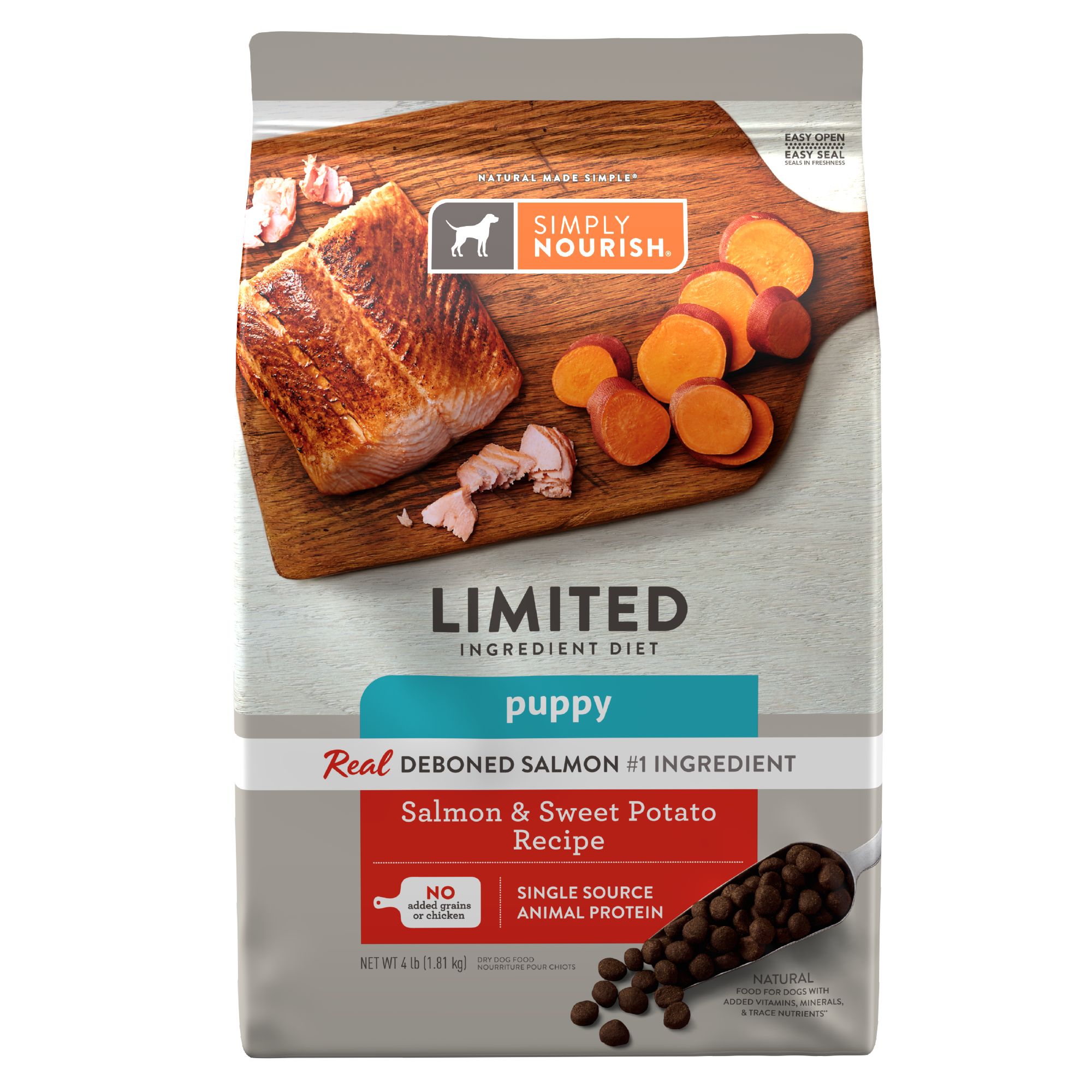


For more expert pet care tips and advice, check out our dedicated Dog Nutrition guides to keep your companions healthy and happy.




