

Introduction
Maintaining optimal health and energy levels for canine companions is a priority for responsible dog owners. In certain situations, dogs may require additional caloric support beyond their regular diet to thrive. This is where a product known as liquid dyne for dogs can play a crucial role. Liquid dyne is a high-calorie, concentrated nutritional supplement designed to provide extra energy and promote healthy weight gain in dogs facing various challenges. Understanding its purpose and appropriate application can significantly improve a dog’s well-being, support recovery, and help maintain vitality during demanding life stages.
💡 Pet Care Key Takeaways:
- Core Focus: Practical health, nutrition, and wellness guidelines for Liquid Dyne For Dogs.
- Target Scope: Pet owners, animal caregivers, and veterinary support staff.
- Best Recommendation: Maintain consistent daily routines and consult an accredited veterinarian before introducing major diet or medical changes.
Common Causes and Key Factors
Several circumstances can necessitate the introduction of a high-calorie supplement like liquid dyne for dogs into a canine’s regimen. One primary factor is underweight or malnutrition, often observed in rescue dogs, those recovering from illness, or individuals with naturally fast metabolisms. Dogs with high energy demands, such as working breeds, sporting dogs, or pregnant and nursing mothers, also frequently benefit from concentrated caloric intake to support their increased needs. For more related activities, check out our “Fortiflora” And “Gut Health”.
Furthermore, senior dogs may experience a decrease in appetite or struggle to maintain weight due to age-related changes or underlying health issues. Similarly, canines undergoing post-surgical recovery or battling chronic illness often face appetite suppression and require easily digestible, calorie-dense nutrition to aid healing. Even picky eaters who consistently consume less than ideal quantities of their regular food can benefit from liquid dyne as a supplemental source of essential calories. Understanding these underlying reasons helps in identifying when such nutritional support might be considered.
Signs and Symptoms to Observe
Observing a dog’s physical condition and behavior provides valuable insights into its nutritional status and potential need for caloric supplementation. Key indicators of insufficient caloric intake or the need for added nutritional support include noticeable weight loss or an underweight appearance, where ribs, hips, and spinal bones become visibly prominent or easily palpable.
Another common sign is lethargy or reduced energy levels, manifesting as decreased willingness to play, excessive sleeping, or a general lack of enthusiasm for activities typically enjoyed. A dull, dry, or excessively shedding coat can also signal nutritional deficiencies. Additionally, a persistent reduction in appetite, where a dog consistently skips meals or eats only small portions, is a significant indicator. In dogs recovering from illness or strenuous activity, a slow or incomplete recovery with prolonged weakness or fatigue suggests inadequate caloric support for the healing process. Observing any of these signs warrants further investigation into a dog’s dietary needs.
Practical Solutions and Management Strategies
When considering the use of liquid dyne for dogs, a structured approach is essential for efficacy and safety. The most crucial first step involves consulting a veterinarian to accurately diagnose any underlying health issues contributing to weight loss or low energy and to determine the appropriate dosage. A veterinarian can provide tailored guidance based on the dog’s specific needs, breed, age, and health status.
Once prescribed, adhering to the proper dosage is paramount. Liquid dyne can typically be administered in various ways: mixed directly into regular food, offered as a treat, or given orally via a syringe for dogs with particularly poor appetites. A gradual introduction helps prevent digestive upset as the dog adjusts to the new supplement. Owners should consistently monitor the dog’s progress, tracking changes in weight, energy levels, and appetite, and report these observations to the veterinarian. It is important to remember that liquid dyne is a supplement and not a replacement for a balanced, complete diet. Proper storage according to manufacturer instructions ensures the product’s potency and safety.
When Professional Help May Be Needed
While liquid dyne for dogs can be a valuable tool, it is critical to recognize situations where professional veterinary intervention is non-negotiable. Any instance of unexplained or sudden weight loss should always trigger an immediate veterinary visit, as it can be a symptom of serious underlying medical conditions that require diagnosis and treatment. Similarly, persistent anorexia or a prolonged refusal to eat warrants professional attention, as prolonged lack of food can lead to severe health complications.
If a dog shows no improvement or continues to lose weight despite consistent supplementation with liquid dyne, further veterinary assessment is necessary to re-evaluate the treatment plan or investigate other causes. Owners should also seek professional help if their dog exhibits additional signs of illness, such as vomiting, diarrhea, lethargy that worsens, or any indications of pain. Liquid dyne supports recovery and nutritional intake, but it is not a cure for underlying diseases, emphasizing the importance of veterinary guidance throughout the process.
Conclusion
Liquid dyne for dogs represents a valuable nutritional aid for canines requiring additional caloric support to maintain or regain optimal health. From highly active working dogs to those recovering from illness or struggling with appetite, this high-calorie supplement can be a key component of a comprehensive care strategy. Successful implementation relies heavily on careful observation of a dog’s physical condition, understanding the common factors that necessitate its use, and, most importantly, consistent veterinary consultation. By working closely with veterinary professionals and maintaining an attentive approach to a dog’s well-being, owners can effectively utilize tools like liquid dyne to support their canine companion’s vitality and overall quality of life.
Pet Care & Wellness Overview Table
| Life Stage | Daily Activity Level | Key Nutrition / Care Focus |
|---|---|---|
| Puppy / Kitten | High (frequent short bursts) | High-protein growth diet & early socialization |
| Adult Companion | Moderate (30–60 mins daily) | Balanced maintenance nutrition & dental hygiene |
| Senior Pets | Low to Gentle (mindful walks) | Joint support (Glucosamine) & routine vet checks |
Images References
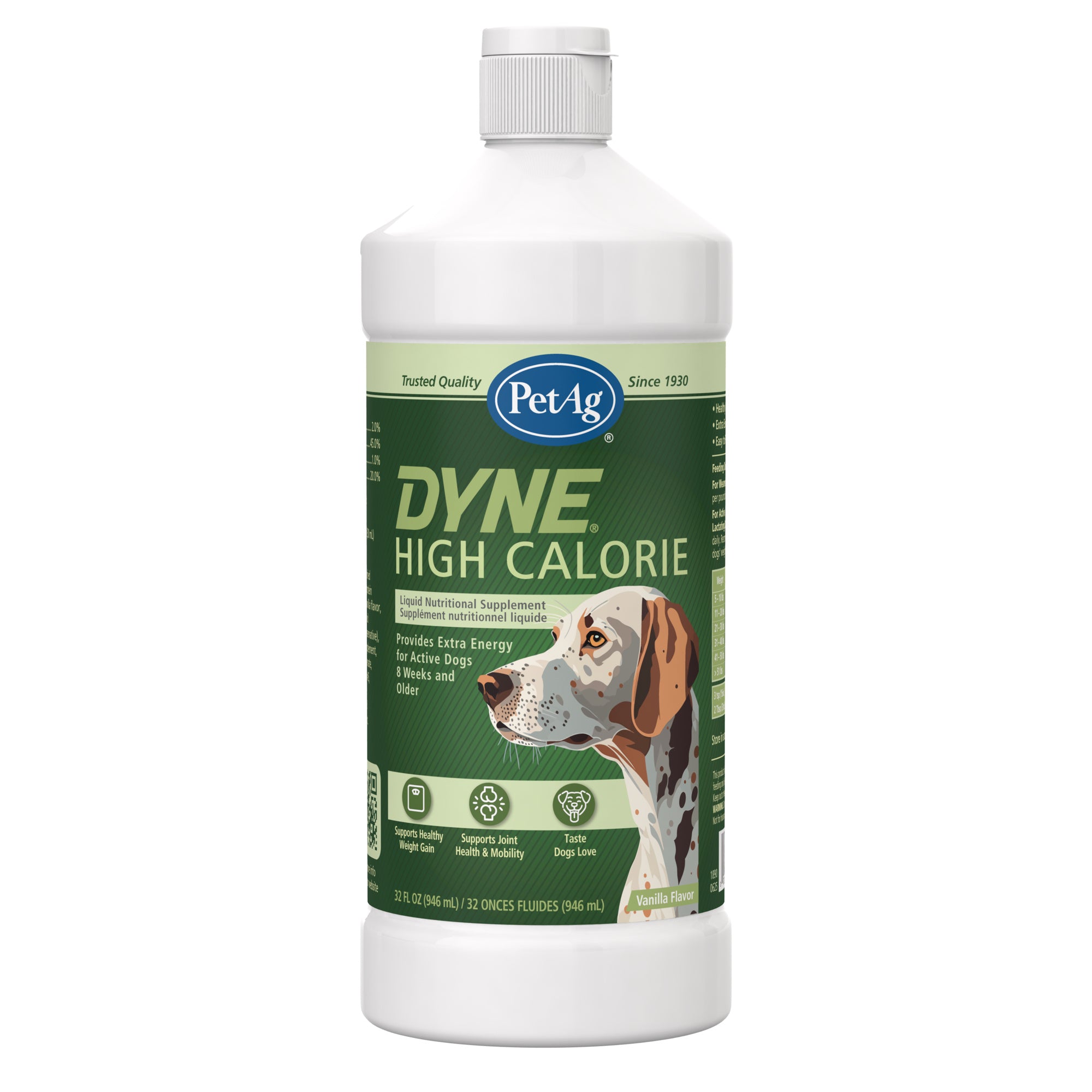




For more expert pet care tips and advice, check out our dedicated Dog Nutrition guides to keep your companions healthy and happy.




