

Introduction
Understanding the role and benefits of liquid foods for dogs is invaluable for responsible pet ownership. This specific dietary approach involves providing sustenance in a liquid or semi-liquid form, differing significantly from traditional kibble or canned food textures. While solid foods form the cornerstone of a healthy canine diet, there are numerous circumstances where liquid formulations become not just beneficial, but essential for a dog’s health and recovery. This includes situations involving dental issues, illness, post-surgical recovery, or age-related challenges. Recognizing when and why liquid foods are appropriate can profoundly improve a dog’s nutritional intake, ensure adequate hydration, and significantly contribute to overall well-being and quality of life, particularly during vulnerable periods.
💡 Pet Care Key Takeaways:
- Core Focus: Practical health, nutrition, and wellness guidelines for Liquid Foods For Dogs.
- Target Scope: Pet owners, animal caregivers, and veterinary support staff.
- Best Recommendation: Maintain consistent daily routines and consult an accredited veterinarian before introducing major diet or medical changes.
Common Causes and Key Factors
The necessity of incorporating liquid foods for dogs often stems from a range of underlying health conditions or life stages that impede the consumption of solid meals. One primary factor is the presence of dental issues, such as severe gum disease, missing teeth, or recent oral surgery, which can make chewing painful or impossible. Gastrointestinal upsets, including persistent nausea, vomiting, or inflammatory bowel disease, might also necessitate a switch to easily digestible liquid diets that are gentler on the digestive system. Furthermore, dogs recovering from major surgery or suffering from debilitating illnesses often experience a significant loss of appetite or a weakened state, making liquid nourishment easier to consume and absorb. Age plays another critical role; very young puppies might benefit from a temporary liquid supplement during weaning, while senior dogs frequently develop decreased appetites, dental problems, or swallowing difficulties (dysphagia), prompting a need for softer or liquid food options. Conditions like kidney disease, which can lead to appetite suppression and a need for increased fluid intake, also make liquid foods a practical dietary solution. In some instances, highly active dogs in warm climates might benefit from the added hydration liquid foods provide, even without specific health issues. For more related activities, check out our Ol Roy Ingredients List.
Signs and Symptoms to Observe
Observing a dog’s behavior around food offers crucial insights into whether liquid foods for dogs might be a necessary consideration. A primary indicator is a noticeable difficulty in eating solid kibble or chunks of wet food. This might manifest as dropping food, reluctance to chew, or exhibiting signs of pain or discomfort during meal times. Dogs experiencing oral pain may approach their food bowl with hesitation, whine while attempting to eat, or turn their head away from the food. Beyond eating difficulties, significant weight loss or visible muscle wasting, despite consistent food offerings, signals inadequate nutrient intake. Dehydration is another critical symptom, indicated by lethargy, sunken eyes, dry gums, or reduced skin elasticity. A dog’s complete refusal of their usual solid food, coupled with a demonstrated interest in softer or more liquid textures, is a strong signal. Gastrointestinal distress, such as recurring vomiting or diarrhea after consuming solids but not liquids, suggests an inability to properly digest or tolerate harder foods. Any general weakness or lethargy that cannot be attributed to other factors could also point to a nutritional deficit that liquid foods could help address. These signs can vary depending on a dog’s age, breed, and overall health status, necessitating careful and consistent observation.
Practical Solutions and Management Strategies
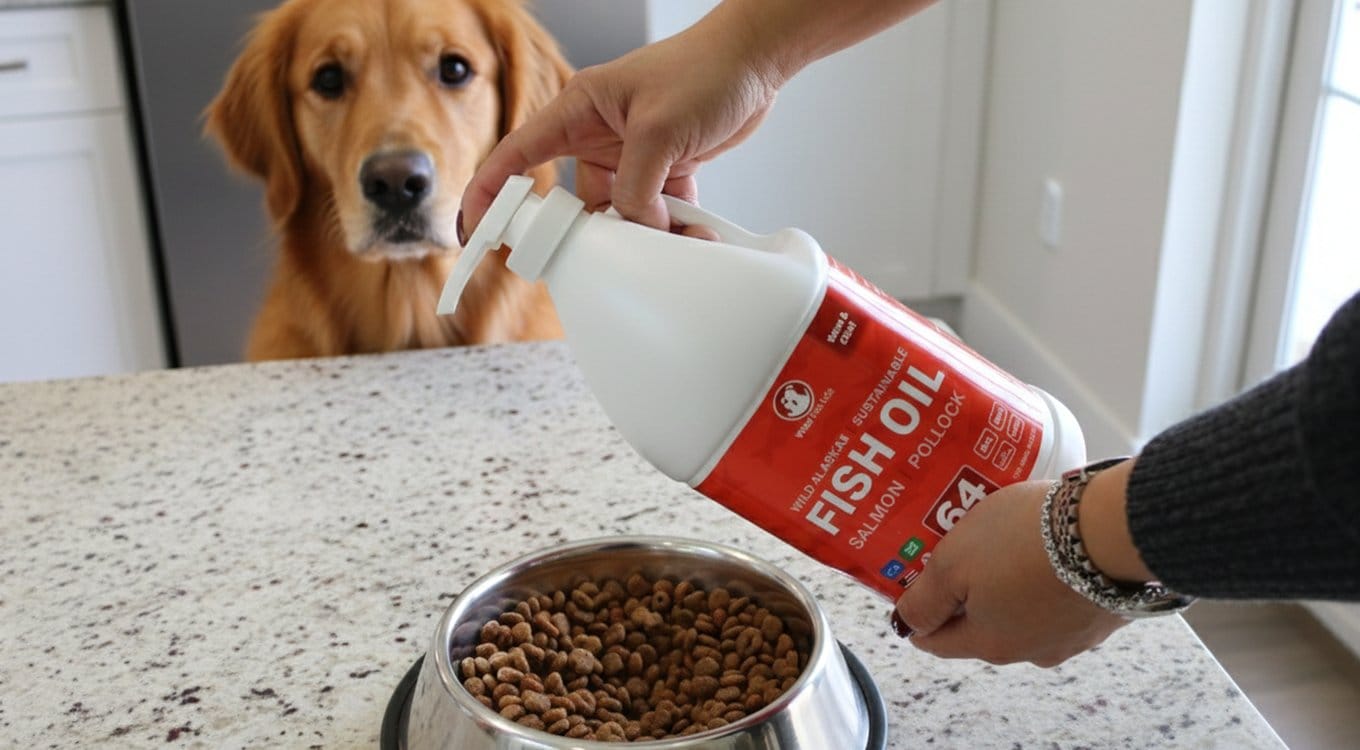
Implementing liquid foods for dogs requires a thoughtful approach, often beginning with a professional veterinary consultation to diagnose any underlying issues. Once a need is established, practical solutions can be explored to ensure proper nutrition and hydration. Commercial veterinary prescription liquid diets are available for specific medical conditions, offering complete and balanced nutrition tailored to particular health needs. For dogs requiring a gentler approach, blending high-quality canned dog food with water or low-sodium, dog-safe broth can create an appealing liquid consistency. Homemade liquid food options can also be prepared, such as pureeing cooked lean meats (chicken or turkey) with steamed vegetables (sweet potato, pumpkin, carrots) and adding water or bone broth. It is crucial, however, that homemade diets are formulated under veterinary guidance to ensure they are nutritionally complete and balanced for long-term feeding. Soaking dry kibble in water or broth until it forms a soft, mushy consistency is another simple strategy for dogs struggling with hard textures. Feeding techniques also play a significant role. Offering frequent small meals can be less overwhelming for sick or weak dogs. Warming liquid food slightly can enhance its aroma and palatability, encouraging consumption. For dogs unable to eat from a bowl, syringe feeding might be necessary, always performed with extreme care and under veterinary instruction to prevent aspiration. Consistent access to fresh water remains paramount, even when liquid foods are provided, ensuring overall hydration is maintained.
When Professional Help May Be Needed
While offering liquid foods for dogs can be a beneficial home care strategy, recognizing when professional veterinary intervention is necessary remains critical for canine health. Any sudden or persistent loss of appetite, particularly if a dog refuses food for more than 24 hours, warrants immediate veterinary attention. Unexplained or significant weight loss, which can indicate serious underlying health problems, also necessitates a professional evaluation. Observing signs of pain during eating, such as vocalization, head-shaking, or pawing at the mouth, demands prompt investigation by a veterinarian to identify dental issues, oral injuries, or other sources of discomfort. Persistent lethargy, repeated vomiting, severe diarrhea, or any signs of difficulty swallowing like gagging or coughing during meals are alarming symptoms that require urgent medical assessment. If a dog struggles to maintain hydration despite being offered liquid foods and fresh water, veterinary assistance is crucial to prevent dangerous dehydration. For dog owners considering long-term liquid feeding, consulting with a veterinary nutritionist is highly recommended. This ensures that any homemade or specialized liquid diet provides all essential nutrients in the correct proportions, preventing deficiencies or imbalances that could further compromise a dog’s health. Early intervention often leads to more favorable outcomes and better management of health conditions.
Conclusion
The thoughtful provision of liquid foods for dogs represents a vital component of comprehensive canine care, particularly in situations where conventional diets pose challenges. Whether addressing dental issues, aiding recovery from illness or surgery, or supporting the nutritional needs of aging companions, liquid formulations can significantly enhance a dog’s well-being. Consistent observation of a dog’s eating habits and overall health is paramount, enabling timely adjustments to their diet. The importance of veterinary consultation cannot be overstated, as professional guidance ensures that any dietary changes are appropriate, nutritionally complete, and responsive to specific health requirements. By remaining informed and proactive, dog owners can effectively utilize liquid foods to support their cherished pets through various life stages and health circumstances, reinforcing the commitment to their comfort and vitality.
Pet Care & Wellness Overview Table
| Life Stage | Daily Activity Level | Key Nutrition / Care Focus |
|---|---|---|
| Puppy / Kitten | High (frequent short bursts) | High-protein growth diet & early socialization |
| Adult Companion | Moderate (30–60 mins daily) | Balanced maintenance nutrition & dental hygiene |
| Senior Pets | Low to Gentle (mindful walks) | Joint support (Glucosamine) & routine vet checks |
Images References



For more expert pet care tips and advice, check out our dedicated Dog Nutrition guides to keep your companions healthy and happy.




