
Introduction
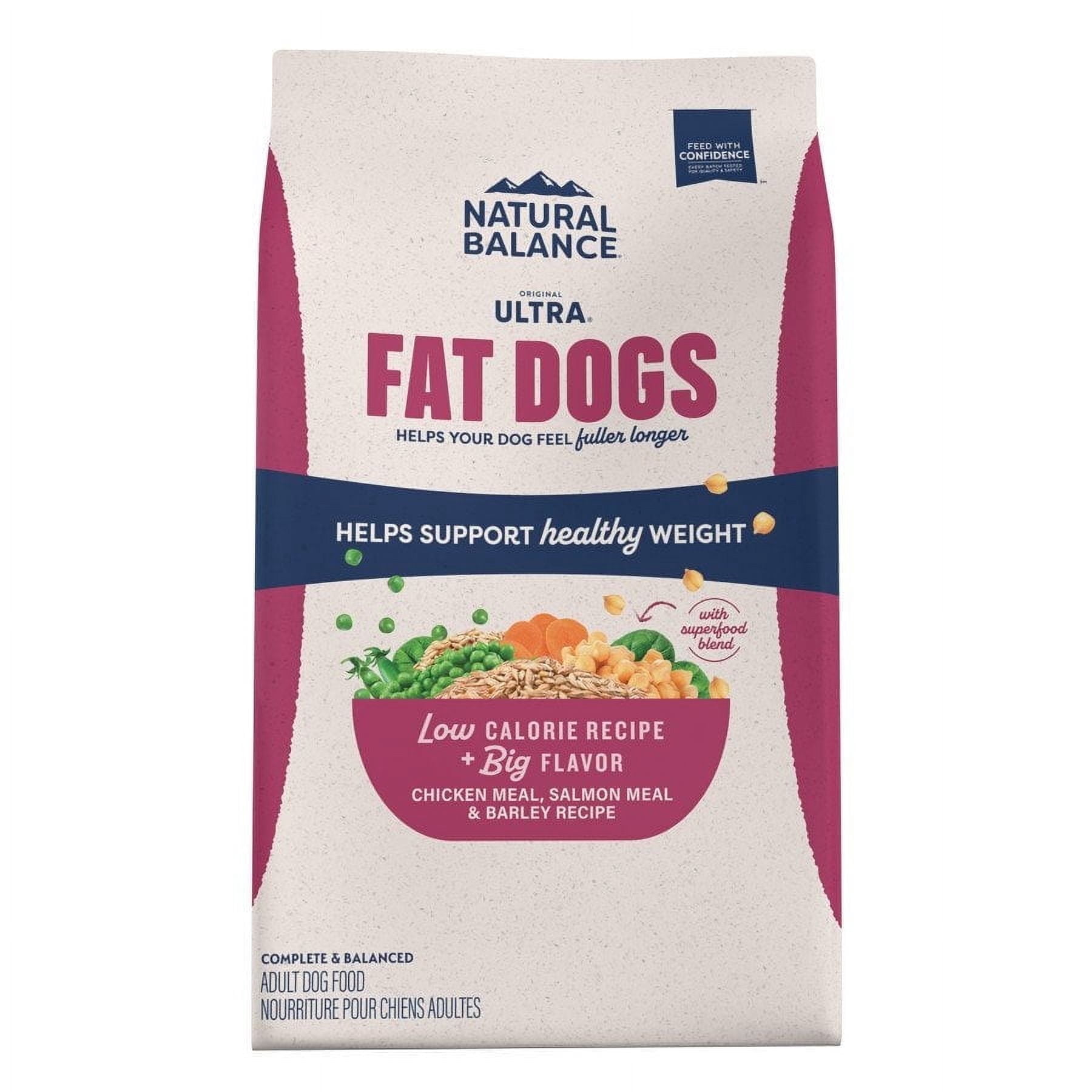
Maintaining an optimal weight is crucial for a dog’s health and longevity, and understanding dietary choices plays a significant role in achieving this. Low calorie dry dog food represents a specialized nutritional option designed to help dogs achieve or maintain a healthy weight. This particular type of food is formulated with fewer calories per serving compared to standard adult dog foods, often achieved through adjustments in fat content, increased fiber, and balanced protein levels. The importance of this dietary approach becomes clear when addressing concerns such as canine obesity, managing weight for less active senior dogs, or supporting breeds prone to weight gain. Properly utilizing low calorie dry dog food can significantly improve a dogs mobility, reduce the risk of weight-related health issues, and enhance overall well-being and quality of life.
💡 Pet Care Key Takeaways:
- Core Focus: Practical health, nutrition, and wellness guidelines for Low Calorie Dry Dog Food.
- Target Scope: Pet owners, animal caregivers, and veterinary support staff.
- Best Recommendation: Maintain consistent daily routines and consult an accredited veterinarian before introducing major diet or medical changes.
Common Causes and Key Factors
The primary reason for considering low calorie dry dog food often stems from a caloric imbalance where a dog consumes more energy than it expends. One significant factor is overfeeding, which can occur when portion sizes are not accurately measured or when excessive treats supplement regular meals. Insufficient physical activity is another major contributor; dogs that lead sedentary lifestyles, whether due to age, owner routine, or environmental constraints, burn fewer calories, making them more susceptible to weight gain. For more related activities, check out our Purina One Xxl 10Kg Feeding Guide 20Kg Dog.
Breed predisposition also plays a crucial role. Certain breeds, such as Beagles, Labrador Retrievers, and Basset Hounds, are genetically more prone to obesity. Furthermore, age can be a contributing factor; as dogs mature, their metabolism naturally slows, and their energy requirements decrease, necessitating a dietary adjustment to prevent weight gain. Neutering or spaying can also alter a dog’s metabolism, often leading to a reduced caloric need, which, if not addressed, can result in increased body fat. Underlying health conditions, though less common, can sometimes contribute to weight gain, making veterinary consultation essential for comprehensive management.
Signs and Symptoms to Observe
Recognizing the signs that a dog might benefit from a low calorie diet is the first step toward effective weight management. The most obvious indicator is visible weight gain, often manifesting as a loss of a discernible waistline or difficulty in feeling the ribs without pressing firmly. A dogs body condition score, which typically ranges from 1 (emaciated) to 9 (severely obese), can provide a more objective assessment, with an ideal score generally falling between 4 and 5.
Behavioral changes can also signal a need for dietary adjustment. Increased lethargy, a reluctance to engage in play or exercise, or difficulty performing routine activities like jumping into a car or climbing stairs are common observations. Labored breathing, especially after minimal exertion, can indicate excess weight placing strain on the respiratory and cardiovascular systems. Skin and coat issues, such as dullness or excessive shedding, may also arise as a secondary effect of poor overall health exacerbated by obesity. These signs can vary by age, breed, and current activity level, but any noticeable deviation from a dog’s normal energetic state warrants attention.
Practical Solutions and Management Strategies
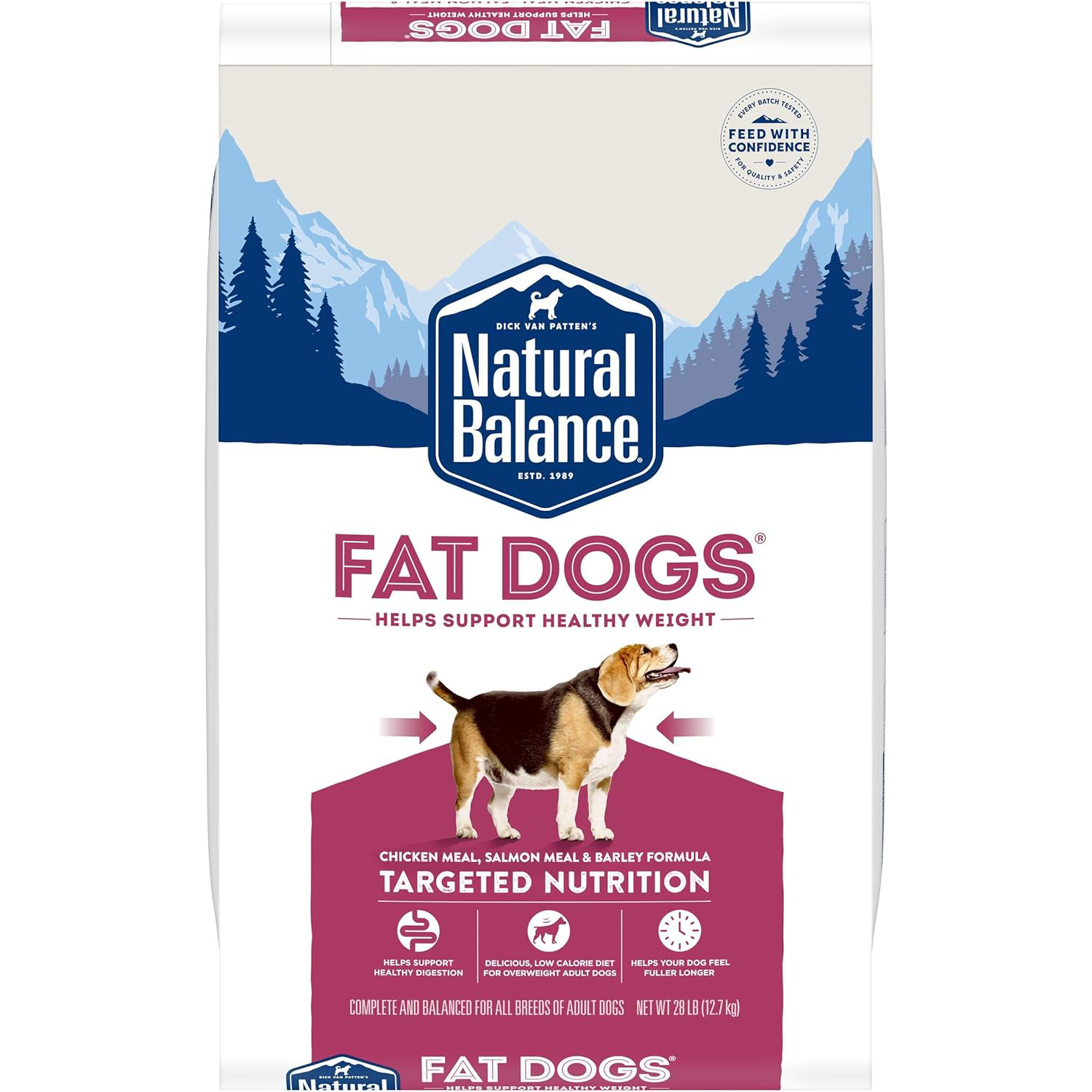
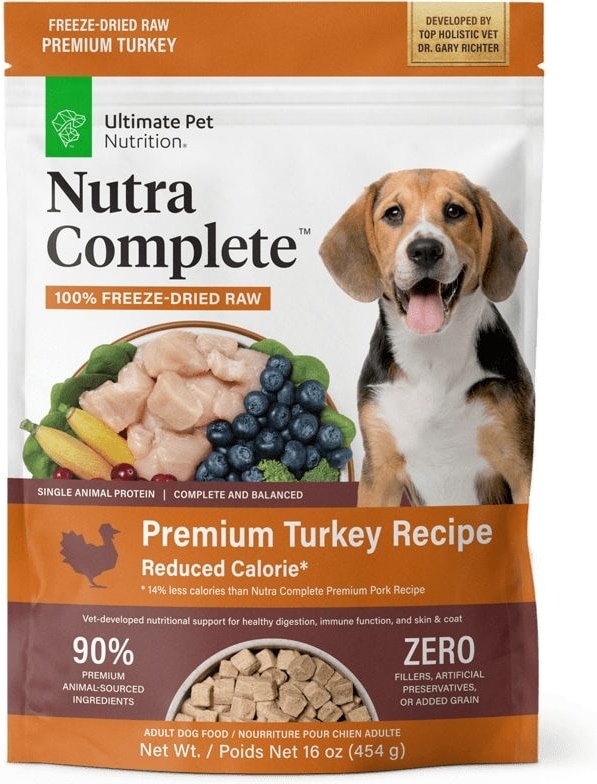
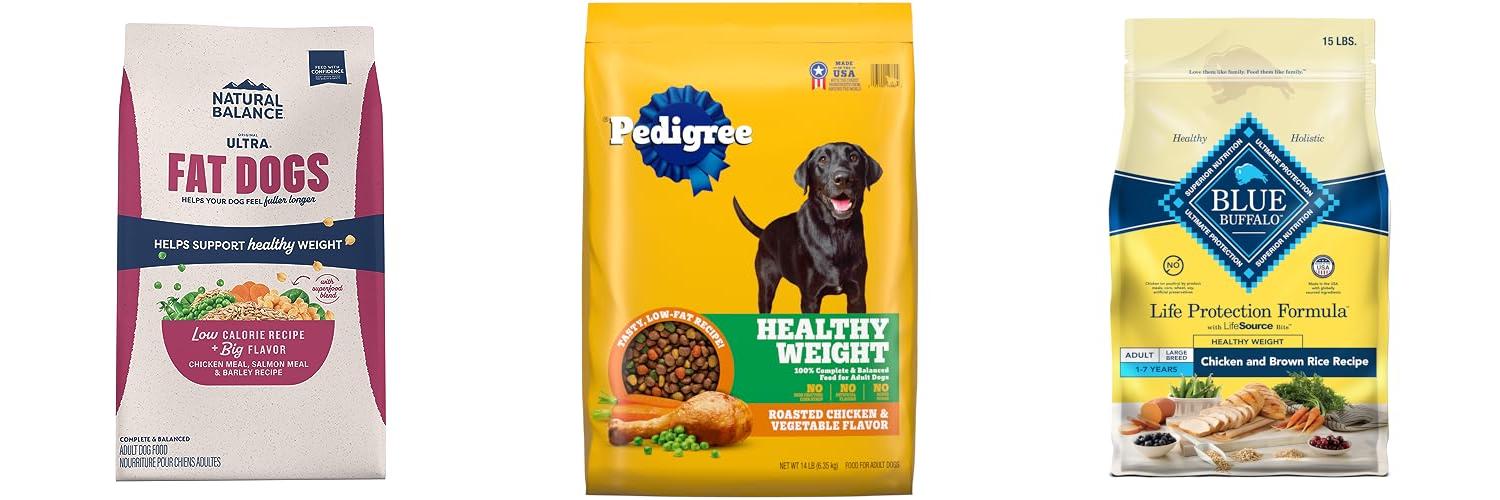
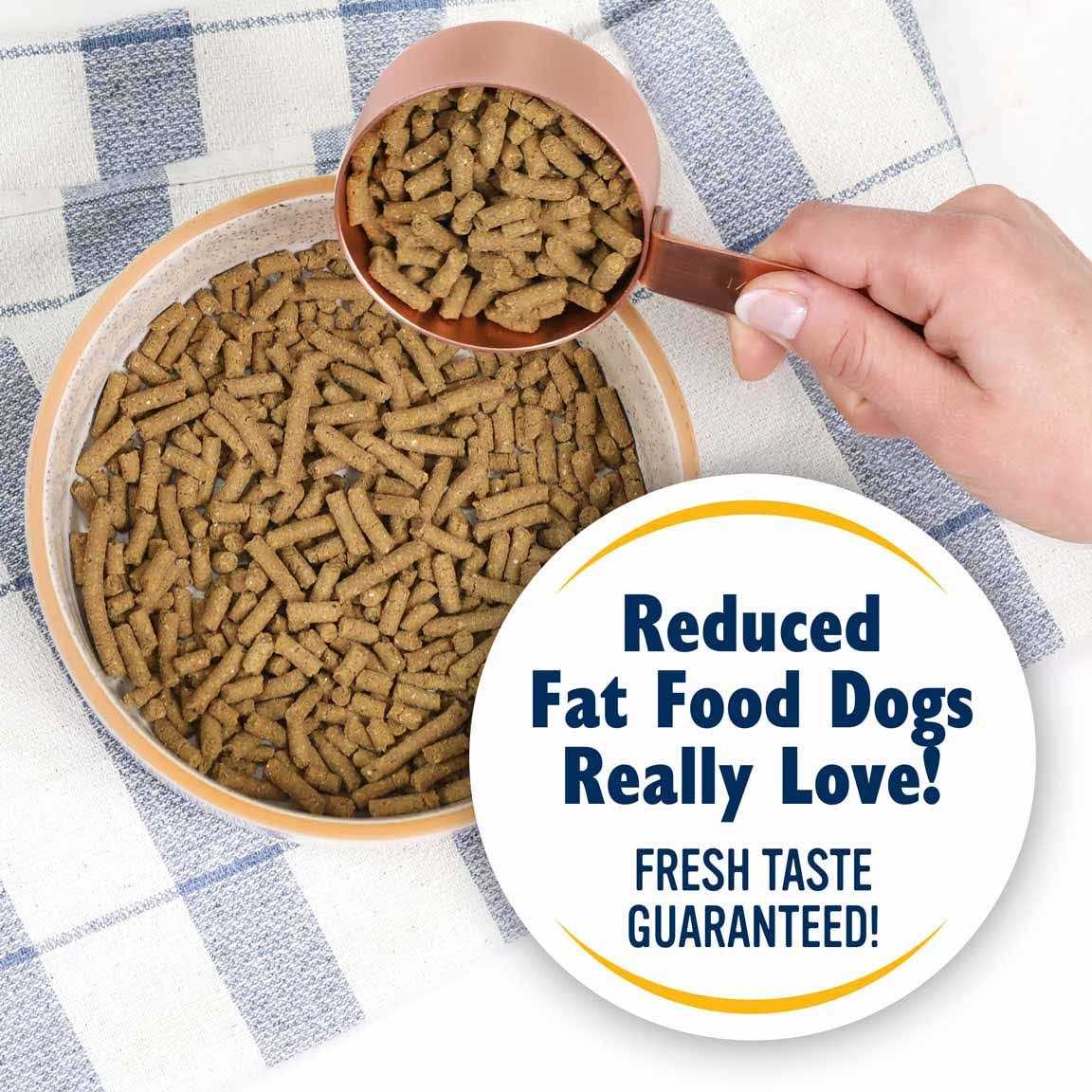
Implementing low calorie dry dog food effectively requires a structured approach to diet and lifestyle. The first step involves selecting a high-quality low calorie formula. These foods typically feature reduced fat content, increased dietary fiber to promote satiety, and adequate protein levels to maintain muscle mass during weight loss. It is crucial to read nutrient labels carefully, comparing caloric content per cup or gram, and to choose products specifically labeled for weight management.
Accurate portion control is paramount. Using a kitchen scale to measure food by weight rather than volume provides the most precise feeding. Following the feeding guidelines on the chosen food package, while adjusting based on a dogs current weight, target weight, and activity level, is essential. Dividing daily portions into two or three smaller meals can also help manage hunger and stabilize energy levels. Alongside dietary changes, increasing a dogs physical activity is vital. This can include daily walks, interactive play, swimming, or engaging in dog sports. Gradually increasing exercise intensity and duration helps burn calories and improve overall fitness. Monitoring progress through regular weigh-ins and body condition assessments allows for informed adjustments to the feeding plan, ensuring a steady and healthy rate of weight loss, typically 1-2% of body weight per week.
When Professional Help May Be Needed
While many cases of canine weight management can be addressed at home with diligent care, certain situations warrant professional veterinary consultation. If a dog is severely obese, with a body condition score of 7 or higher, a veterinarian can help develop a safe and effective weight loss plan. This plan might involve prescription diet foods tailored for rapid, controlled weight reduction, or specific dietary recommendations based on individual health needs.
Furthermore, if a dog fails to lose weight despite consistent efforts with a low calorie diet and increased exercise, an underlying medical condition could be contributing to the weight gain. Conditions such as hypothyroidism or Cushing’s disease can impact metabolism and require specific veterinary treatment. A veterinarian can conduct diagnostic tests to rule out such issues. Professional guidance is also invaluable for managing concurrent health problems, such as arthritis or diabetes, where weight loss is critical for improving quality of life but requires careful medical supervision to prevent complications.
Conclusion
Managing a dog’s weight through appropriate dietary choices, particularly the use of low calorie dry dog food, is a cornerstone of responsible pet ownership. Understanding the implications of excess weight, recognizing the signs, and implementing practical solutions are all vital steps toward ensuring a dogs long-term health. The careful selection and precise feeding of low calorie dry dog food, combined with regular physical activity, can significantly mitigate the risks associated with canine obesity and promote a vibrant, active life. Consistent observation and a proactive approach, supported by professional veterinary advice when necessary, empower owners to maintain their dogs ideal body condition, thereby enhancing their overall well-being and strengthening the bond shared.
Pet Care & Wellness Overview Table
| Life Stage | Daily Activity Level | Key Nutrition / Care Focus |
|---|---|---|
| Puppy / Kitten | High (frequent short bursts) | High-protein growth diet & early socialization |
| Adult Companion | Moderate (30–60 mins daily) | Balanced maintenance nutrition & dental hygiene |
| Senior Pets | Low to Gentle (mindful walks) | Joint support (Glucosamine) & routine vet checks |
Images References





For more expert pet care tips and advice, check out our dedicated Dog Nutrition guides to keep your companions healthy and happy.




