

Introduction
Kidney disease represents a significant health challenge for many canine companions, often necessitating careful and specialized management to maintain their comfort and quality of life. Among the most critical components of this management is the implementation of a low protein diet. This dietary approach is not merely about reducing protein intake; it is a carefully formulated strategy designed to support compromised kidney function and mitigate the progression of renal disease. Understanding the principles and practicalities of a low protein diet empowers dog owners to play an active role in their pet’s health, directly contributing to improved well-being and potentially extending a dog’s healthy lifespan.
💡 Pet Care Key Takeaways:
- Core Focus: Practical health, nutrition, and wellness guidelines for Low Protein Diet For Dogs With Kidney Disease.
- Target Scope: Pet owners, animal caregivers, and veterinary support staff.
- Best Recommendation: Maintain consistent daily routines and consult an accredited veterinarian before introducing major diet or medical changes.
Common Causes and Key Factors
Kidney disease in dogs, often referred to as chronic kidney disease (CKD), typically involves a progressive and irreversible decline in kidney function. The kidneys perform vital roles, including filtering waste products from the blood, regulating blood pressure, producing hormones, and maintaining electrolyte balance. When these organs become impaired, they struggle to effectively perform these functions. Common causes of CKD include advanced age, genetic predispositions in certain breeds (such as Cavalier King Charles Spaniels, Bull Terriers, and German Shepherds), infections, toxins, and congenital abnormalities. For more related activities, check out our Pitbullnutrition.
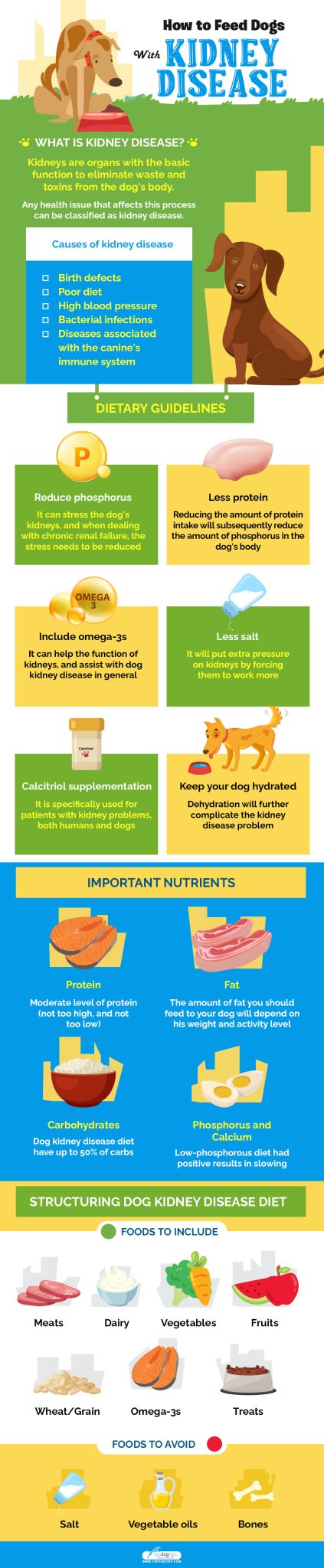
In a healthy dog, protein is an essential nutrient. However, when kidneys are diseased, the byproducts of protein metabolism, particularly urea and creatinine, can accumulate in the bloodstream, leading to a condition called uremia. This accumulation makes dogs feel unwell and can further damage the kidneys. A low protein diet for dogs with kidney disease is specifically formulated to reduce the workload on the kidneys by minimizing the production of these waste products, thereby slowing the progression of the disease and alleviating associated symptoms. The key is to provide high-quality protein in controlled amounts, ensuring the dog receives adequate nutrition without overwhelming the compromised kidneys.
Signs and Symptoms to Observe
Recognizing the signs of kidney disease is crucial for timely intervention and the initiation of appropriate dietary management. While these symptoms can be subtle in the early stages, they often become more pronounced as the disease progresses. Owners should be vigilant for changes in their dog’s behavior and physical condition.
Common indicators include increased thirst (polydipsia) and consequently, increased urination (polyuria), as the kidneys lose their ability to concentrate urine. Lethargy, weakness, and a general decrease in activity levels are also frequently observed. A diminished appetite, leading to weight loss and muscle wasting, can be a significant concern. Other signs may include vomiting, diarrhea, bad breath (halitosis) with an ammonia-like odor due to uremic toxins, and pale gums. The presence of any combination of these symptoms warrants immediate veterinary attention, as early diagnosis and management, including dietary changes, can significantly impact the disease’s trajectory.
Practical Solutions and Management Strategies
Managing kidney disease through a low protein diet requires a strategic approach. The primary goal of such a diet is to reduce the kidney’s workload while still providing sufficient calories and essential nutrients. This is achieved through specially formulated therapeutic renal diets, which are distinct from general commercial dog foods.
These prescription diets typically feature controlled, high-quality protein levels that meet the dog’s minimum requirements without excess. The protein sources are highly digestible, maximizing nutrient absorption and minimizing waste. Furthermore, renal diets are often restricted in phosphorus, as phosphorus retention is a common issue in kidney disease that can exacerbate progression. They also tend to be supplemented with omega-3 fatty acids, which possess anti-inflammatory properties that can benefit kidney health, and may include antioxidants and B vitamins.
Transitioning a dog to a new diet should always be done gradually over several days to weeks to avoid digestive upset. Monitoring the dog’s weight, appetite, and overall condition is essential. Ensuring consistent access to fresh water is also paramount, as hydration is vital for kidney function. In some cases, appetite stimulants or anti-nausea medications may be necessary to ensure adequate food intake, especially during initial adjustment periods or advanced disease stages.
When Professional Help May Be Needed
The management of kidney disease, particularly the implementation of a low protein diet, is a complex process that demands professional veterinary guidance. A veterinarian’s role begins with an accurate diagnosis of kidney disease, typically through blood tests (measuring creatinine, BUN, and phosphorus) and urine analysis (evaluating specific gravity and protein-to-creatinine ratio). Once diagnosed, the veterinarian will stage the disease according to the International Renal Interest Society (IRIS) guidelines, which helps determine the appropriate level of dietary intervention and other treatments.
Prescribing a specific therapeutic renal diet is a critical veterinary decision, as the exact protein, phosphorus, and other nutrient levels must be tailored to the individual dog’s stage of kidney disease and overall health. Attempting to formulate a homemade low protein diet without expert nutritional advice can be detrimental, potentially leading to nutrient deficiencies or providing inadequate kidney support. Regular follow-up appointments, including repeat blood and urine tests, are essential to monitor the dog’s response to the diet, assess disease progression, and make any necessary adjustments to the treatment plan. Veterinarians can also provide advice on managing secondary complications and ensuring the dog maintains a good quality of life.
Conclusion
A low protein diet is a cornerstone in the management of kidney disease in dogs, offering a vital means to support compromised renal function and improve a dog’s overall well-being. Understanding the rationale behind this specialized dietary approach, recognizing the signs of kidney impairment, and committing to the prescribed nutritional plan are all crucial for responsible dog ownership. While the concept of dietary modification may seem daunting, the benefits of proactive and consistent care are profound. By working closely with veterinary professionals, owners can ensure their beloved canine companions receive the precise nutritional support needed, helping to mitigate symptoms, slow disease progression, and ultimately enhance the quality and longevity of their lives.
Pet Care & Wellness Overview Table
| Life Stage | Daily Activity Level | Key Nutrition / Care Focus |
|---|---|---|
| Puppy / Kitten | High (frequent short bursts) | High-protein growth diet & early socialization |
| Adult Companion | Moderate (30–60 mins daily) | Balanced maintenance nutrition & dental hygiene |
| Senior Pets | Low to Gentle (mindful walks) | Joint support (Glucosamine) & routine vet checks |
Images References





For more expert pet care tips and advice, check out our dedicated Dog Nutrition guides to keep your companions healthy and happy.




