

Introduction
The topic of metabolic diet dog food is gaining considerable attention among dog owners committed to their companion animals’ long-term health and well-being. This specialized category of nutrition refers to diets meticulously formulated to influence a dog’s metabolism, often with specific health goals in mind. These diets are typically designed to manage weight, support specific organs, or address underlying metabolic conditions such as diabetes or hypothyroidism. Understanding the principles behind metabolic diet dog food is paramount for owners whose dogs may struggle with obesity, chronic illnesses, or age-related metabolic slowdowns. Implementing an appropriate metabolic diet can significantly improve a dogs overall health, enhance energy levels, and contribute to a longer, more comfortable life by providing the precise nutritional support required for metabolic balance.
💡 Pet Care Key Takeaways:
- Core Focus: Practical health, nutrition, and wellness guidelines for Metabolic Diet Dog Food.
- Target Scope: Pet owners, animal caregivers, and veterinary support staff.
- Best Recommendation: Maintain consistent daily routines and consult an accredited veterinarian before introducing major diet or medical changes.
Common Causes and Key Factors
The necessity for metabolic diet dog food often arises from a combination of factors impacting a dog’s metabolic health. One of the most prevalent causes is canine obesity, which stems from an imbalance between calorie intake and energy expenditure. Overfeeding, excessive treat consumption, and insufficient physical activity are primary contributors to weight gain, subsequently stressing a dog’s metabolic system. For more related activities, check out our Ol Roy Ingredients List.
Beyond lifestyle choices, certain biological factors play a significant role. Genetic predispositions can make some breeds more susceptible to weight gain or specific metabolic disorders. For instance, Labrador Retrievers and Beagles are often prone to obesity, while breeds like Samoyeds and Golden Retrievers may be at higher risk for conditions like hypothyroidism. Age is another crucial factor; senior dogs typically have slower metabolisms and reduced activity levels, requiring fewer calories to maintain a healthy weight.
Underlying medical conditions, such as canine diabetes mellitus, Cushing’s disease, or hypothyroidism, directly impact a dog’s metabolism and necessitate a precisely formulated metabolic diet for management. Even certain medications can influence weight and metabolism, making dietary adjustments essential. A dog’s environment, including its access to exercise and the quality of food available, also significantly contributes to its metabolic health profile.
Signs and Symptoms to Observe
Observing a dog for signs that may indicate a need for metabolic dietary intervention is a proactive step toward maintaining optimal health. The most evident sign is unexplained weight gain or an inability to lose weight despite reasonable food intake. Owners might notice a loss of a visible waistline, difficulty feeling the ribs, or the development of fat pads over the hips and back.
Behavioral indicators often accompany metabolic imbalances. Reduced energy levels, increased lethargy, and a reluctance to engage in usual activities or exercise are common. A dog might show signs of discomfort during movement, such as stiffness or difficulty rising, particularly if excess weight is straining joints. Changes in appetite, such as persistent begging for food or a sudden decrease in interest, can also be red flags.
Other symptoms to note include changes in coat quality, such as a dull, greasy, or flaky coat, which can be indicative of underlying metabolic or thyroid issues. Excessive thirst and increased urination are critical signs that could point to diabetes, requiring immediate veterinary attention. These signs can vary considerably based on a dogs age, breed, and overall health status, emphasizing the importance of regular observation and understanding a dogs individual baseline.
Practical Solutions and Management Strategies
Managing a dog’s metabolic health through specialized diets involves a strategic approach, beginning with a professional veterinary assessment. A veterinarian can accurately diagnose any underlying conditions and recommend the most suitable metabolic diet dog food tailored to a dog’s specific needs, whether for weight management, diabetic support, or other metabolic concerns.
Precise calorie control is a cornerstone of metabolic dietary management. Owners should meticulously measure food portions according to veterinary guidelines, avoiding estimation. This often means using a kitchen scale for accuracy and adjusting portions as weight changes occur. A metabolic diet typically features a balanced macronutrient profile: higher protein content helps maintain lean muscle mass and promote satiety, while controlled fat levels provide essential energy without excess calories. High-fiber ingredients are often included to increase feelings of fullness and support digestive health, and complex carbohydrates with a low glycemic index help manage blood sugar levels.
Beyond diet, regular and appropriate exercise is critical. The type and intensity of activity should be tailored to a dog’s age, breed, and physical condition, gradually increasing as stamina improves. Consistency in both diet and exercise is vital for sustained results. Owners should also implement strategies to monitor progress, such as regular weigh-ins and body condition scoring, making adjustments to the diet or exercise regimen under veterinary guidance. Additionally, using food-dispensing toys can provide mental stimulation and slow down eating, while careful management of treatsopting for low-calorie options or incorporating them into the daily calorie allowanceprevents unintended calorie intake.
When Professional Help May Be Needed
While diligent home care is essential, there are distinct situations where professional veterinary assistance for metabolic diet dog food becomes indispensable. A veterinary consultation is crucial when a dog exhibits significant weight gain or obesity, as determining the ideal body weight and a safe rate of weight loss requires expert calculation. Similarly, if a dog is suspected of having an underlying medical condition such as diabetes, hypothyroidism, or Cushing’s disease, a veterinarian must provide an accurate diagnosis and prescribe a specific therapeutic diet.
Professional guidance is also necessary if a dog shows no significant improvement in weight or health despite consistent efforts with an at-home diet and exercise plan. Veterinary nutritionists or certified professional dog trainers specializing in behavior may also offer invaluable support for complex cases, especially when behavioral issues like excessive begging or food guarding complicate dietary management. Furthermore, for dogs requiring prescription metabolic diets, professional oversight ensures the diet is appropriate, properly balanced, and monitored for effectiveness and any potential side effects. Engaging with a veterinary team guarantees that a dog receives the most effective and safest approach to metabolic health.
Conclusion
Understanding and utilizing metabolic diet dog food represents a proactive and powerful approach to ensuring a dog’s health and longevity. These specialized diets are not merely about weight control but about providing precise nutritional support to optimize a dog’s metabolic function, address specific health conditions, and enhance overall vitality. The journey toward a healthier metabolic state for a dog hinges on careful observation of signs, a clear understanding of contributing factors, and the implementation of practical, veterinarian-guided strategies. By prioritizing appropriate metabolic nutrition and consistent care, owners can significantly improve their dog’s quality of life, fostering a more energetic, comfortable, and fulfilling companionship. The commitment to a dog’s metabolic health is a profound investment in its future well-being.
Pet Care & Wellness Overview Table
| Life Stage | Daily Activity Level | Key Nutrition / Care Focus |
|---|---|---|
| Puppy / Kitten | High (frequent short bursts) | High-protein growth diet & early socialization |
| Adult Companion | Moderate (30–60 mins daily) | Balanced maintenance nutrition & dental hygiene |
| Senior Pets | Low to Gentle (mindful walks) | Joint support (Glucosamine) & routine vet checks |
Images References


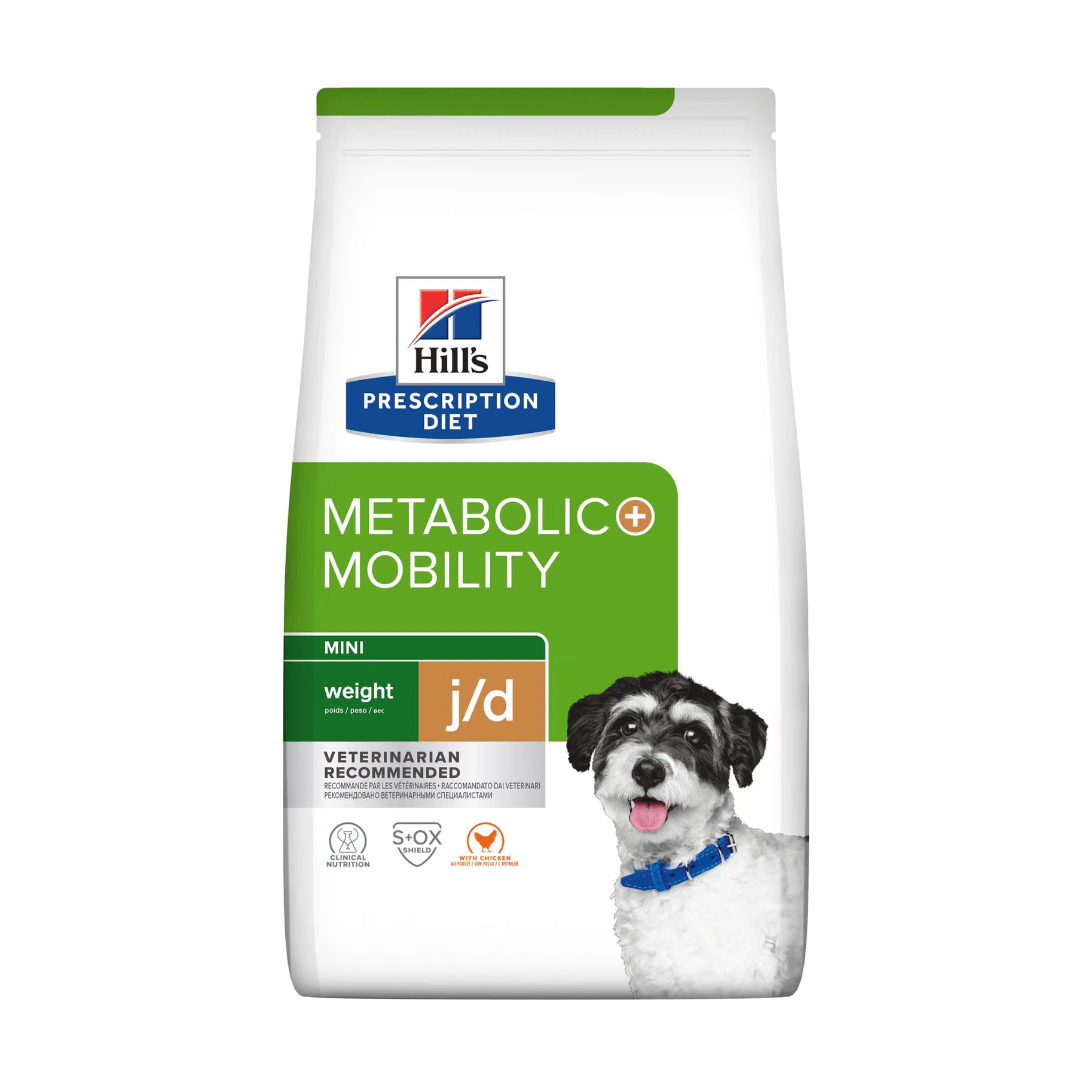
For more expert pet care tips and advice, check out our dedicated Dog Nutrition guides to keep your companions healthy and happy.




