Introduction
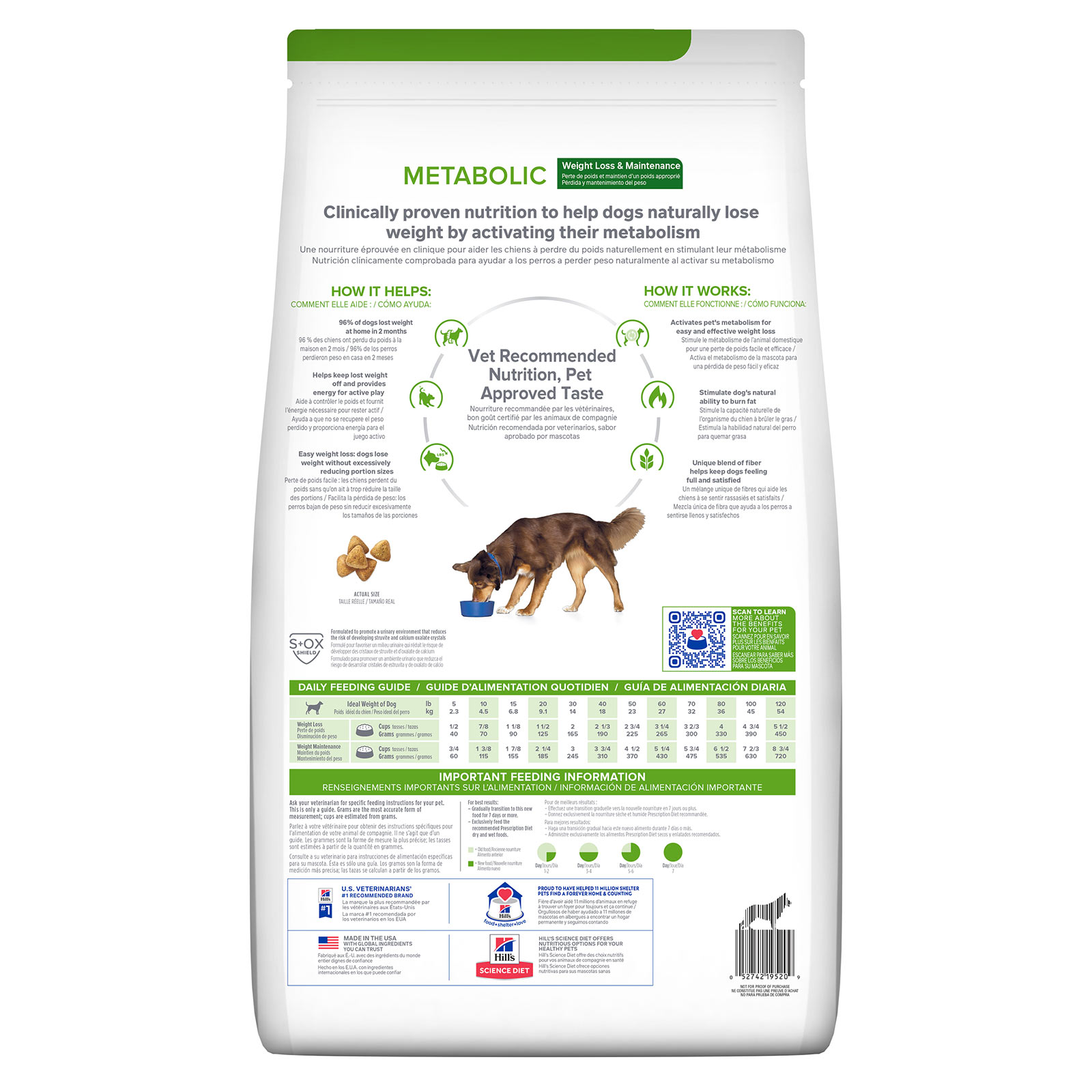
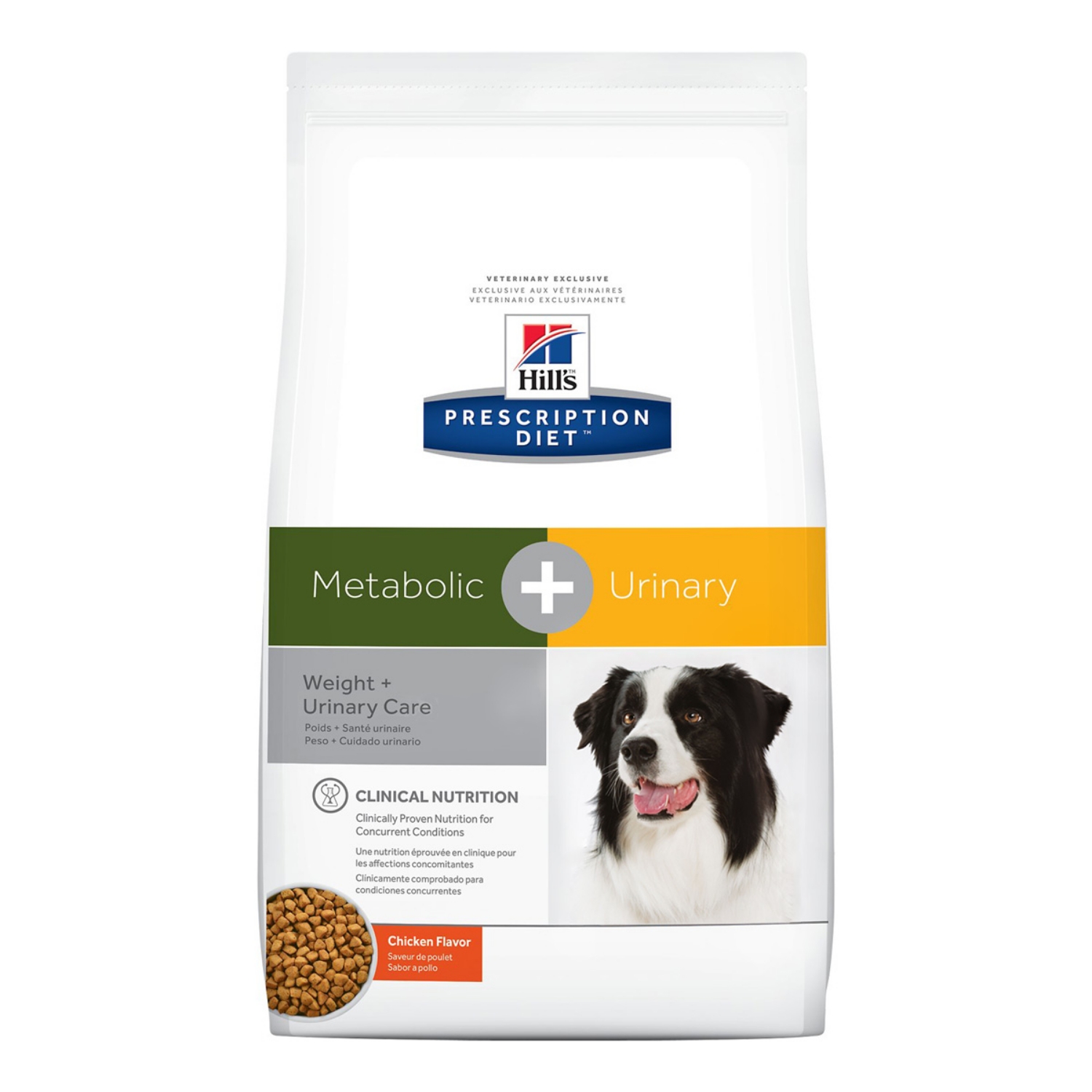
For many dog owners, maintaining canine health involves careful attention to nutrition. A metabolic diet for dogs represents a specialized nutritional approach, meticulously designed to address specific metabolic imbalances, support organ function, or manage particular health conditions within a dog’s body. This is far more than just a typical diet; it is a precisely formulated dietary plan aimed at influencing the body’s chemical processes to optimize health and manage disease. Understanding when and why such a diet becomes necessary is crucial for proactively safeguarding a dog’s well-being. By adjusting nutrient ratios, caloric intake, and specific ingredients, a metabolic diet can play a pivotal role in improving a dog’s quality of life, extending longevity, and enhancing overall health by bringing internal systems into better balance. Explore more in our Dog Nutrition collection.
💡 Pet Care Key Takeaways:
- Core Focus: Practical health, nutrition, and wellness guidelines for Metabolic Diet For Dogs.
- Target Scope: Pet owners, animal caregivers, and veterinary support staff.
- Best Recommendation: Maintain consistent daily routines and consult an accredited veterinarian before introducing major diet or medical changes.
Common Causes and Key Factors
The necessity for a metabolic diet often arises from a range of underlying health conditions or predispositions that impact a dog’s internal processing of nutrients and energy. One primary factor is the presence of chronic diseases such as diabetes mellitus, where the body struggles with insulin production or utilization, requiring diets that stabilize blood glucose. Similarly, kidney disease or liver disease necessitates diets with controlled levels of protein, phosphorus, and sodium to reduce the burden on compromised organs.
Obesity also represents a significant metabolic challenge, often requiring a carefully controlled caloric intake and specific nutrient profiles to encourage healthy weight loss without muscle mass depletion. Certain genetic predispositions in specific breeds can make dogs more susceptible to metabolic issues like pancreatitis or hypothyroidism, where specialized diets become instrumental in management.
Furthermore, age can be a key factor; older dogs often experience a slower metabolism and may develop age-related conditions that benefit from tailored nutrition. Inadequate or imbalanced prior diets, coupled with insufficient physical activity, can also contribute to the development of metabolic dysfunction, highlighting the importance of a holistic approach to canine health. For more related activities, check out our “Fortiflora” And “Gut Health”.
Signs and Symptoms to Observe
Observable changes in a dog’s demeanor or physical state often serve as early indicators that a metabolic issue might be present and that a specialized diet could be beneficial. Owners should pay close attention to unexplained fluctuations in weight, either significant gain or loss, which can signal conditions like hypothyroidism or diabetes. Changes in appetite and thirst are also critical; increased hunger (polyphagia) alongside weight loss, or excessive thirst (polydipsia) and increased urination (polyuria), are classic signs of diabetes.
A noticeable decrease in energy levels, increased lethargy, or a general reluctance to engage in usual activities can point towards various metabolic disturbances. The condition of a dog’s coat and skin can also offer clues, with a dull coat, hair loss, or dry, flaky skin potentially indicating thyroid issues or nutritional deficiencies.
Digestive upsets such as chronic vomiting, diarrhea, or even persistent constipation, particularly when combined with other symptoms, can suggest problems with nutrient absorption or organ function. Observing these signs, which may vary in intensity depending on a dog’s age, breed, and the specific underlying condition, is essential for prompt veterinary intervention. Discover more free resources across our collection library.
Practical Solutions and Management Strategies
The cornerstone of managing metabolic health through diet is always a thorough consultation with a veterinarian. A metabolic diet is not a “one-size-fits-all” approach but a highly customized plan. The first step involves an accurate diagnosis of any underlying condition, followed by a veterinary professional’s recommendation for a specific prescription therapeutic diet. These diets are formulated with precise control over protein, fat, carbohydrate, fiber, and mineral levels to support specific organ systems and metabolic processes.
Dietary formulation might involve restricted phosphorus for kidney disease, controlled carbohydrates and high fiber for diabetes, or specific fatty acid profiles for liver support. Portion control is paramount, with strict adherence to recommended feeding amounts to prevent over or underfeeding. Consistency in feeding schedules also plays a vital role, especially for conditions like diabetes, where regular mealtimes help stabilize blood sugar.
In addition to the diet itself, integrating appropriate levels of physical activity can significantly enhance metabolic function and aid in weight management. Any treats or supplements must be explicitly approved by the veterinarian to ensure they do not counteract the therapeutic benefits of the metabolic diet. Regular monitoring of a dog’s weight, blood work, and overall condition is essential to assess the diet’s effectiveness and make any necessary adjustments over time.
When Professional Help May Be Needed
For any suspicion of a metabolic issue or the need for a specialized diet, professional veterinary consultation is not merely recommended but absolutely imperative. Dog owners should seek immediate veterinary attention if any of the previously mentioned signs and symptoms are observed, particularly if they are persistent or worsening. These include unexplained weight changes, significant alterations in appetite or thirst, persistent lethargy, or recurring digestive problems.
Only a qualified veterinarian can conduct the necessary diagnostic tests to accurately identify the underlying medical condition responsible for metabolic imbalances. Once a diagnosis is made, a veterinarian will prescribe the appropriate metabolic diet, ensuring it is specifically tailored to the dog’s unique needs and health status. Attempting to implement a metabolic diet without professional guidance can be detrimental to a dog’s health, potentially leading to nutrient deficiencies, exacerbating existing conditions, or delaying proper treatment. Regular follow-up appointments are also crucial for monitoring progress, adjusting the diet as needed, and managing the overall health plan effectively.
Conclusion
Understanding the concept of a metabolic diet for dogs empowers owners to play a proactive role in their companion’s health. These specialized nutritional plans are powerful tools in managing and mitigating the effects of various metabolic conditions, from diabetes and kidney disease to obesity and thyroid disorders. The key to successful implementation lies in diligent observation, swift action upon noticing symptoms, and, most critically, close collaboration with veterinary professionals. By embracing a medically guided dietary approach, dog owners can provide their canine companions with the targeted support necessary to improve their health, manage complex conditions, and ultimately enhance their overall quality of life, reflecting petsanimalsworld.com’s commitment to informed and responsible pet care.
Pet Care & Wellness Overview Table
| Life Stage | Daily Activity Level | Key Nutrition / Care Focus |
|---|---|---|
| Puppy / Kitten | High (frequent short bursts) | High-protein growth diet & early socialization |
| Adult Companion | Moderate (30–60 mins daily) | Balanced maintenance nutrition & dental hygiene |
| Senior Pets | Low to Gentle (mindful walks) | Joint support (Glucosamine) & routine vet checks |
Images References