

Introduction
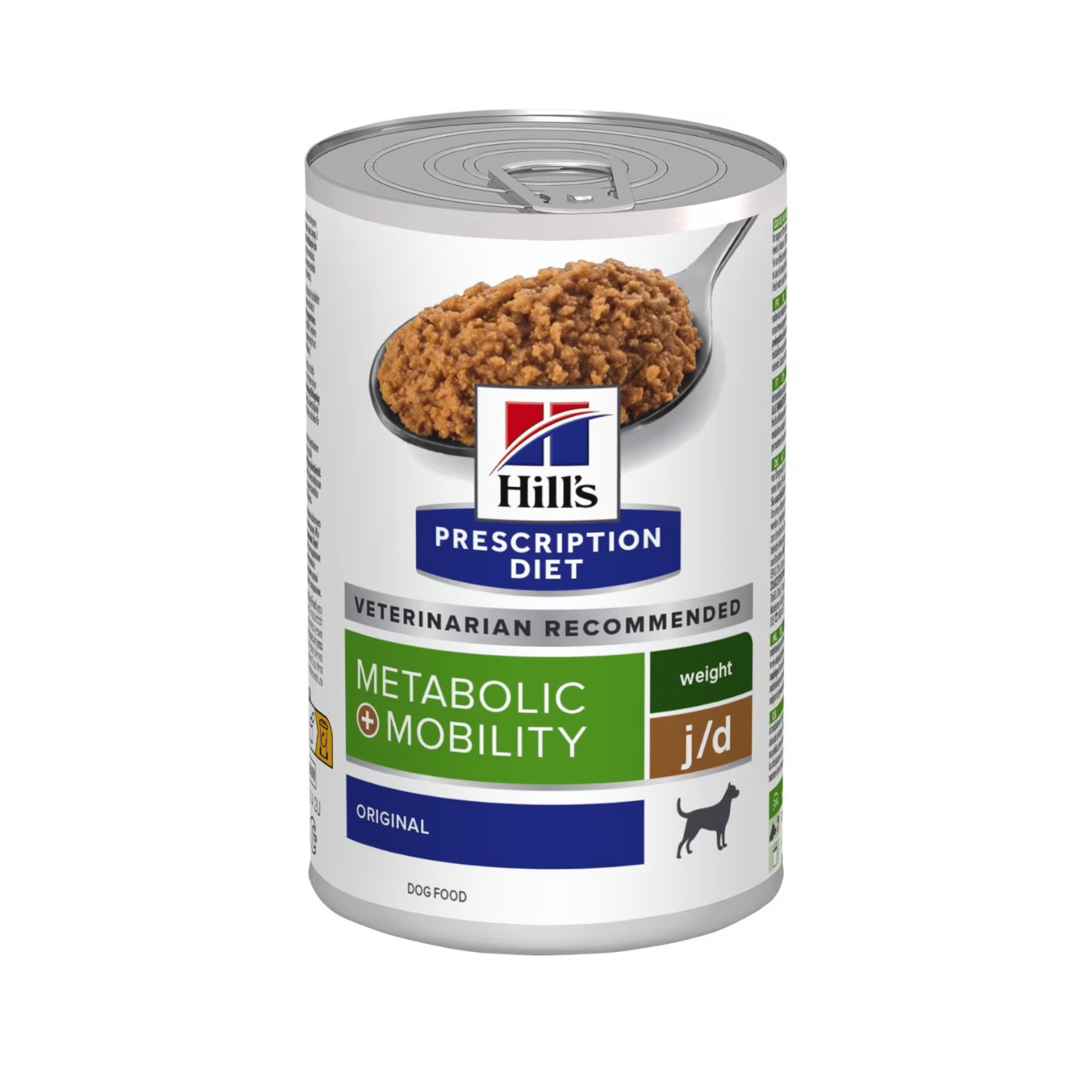
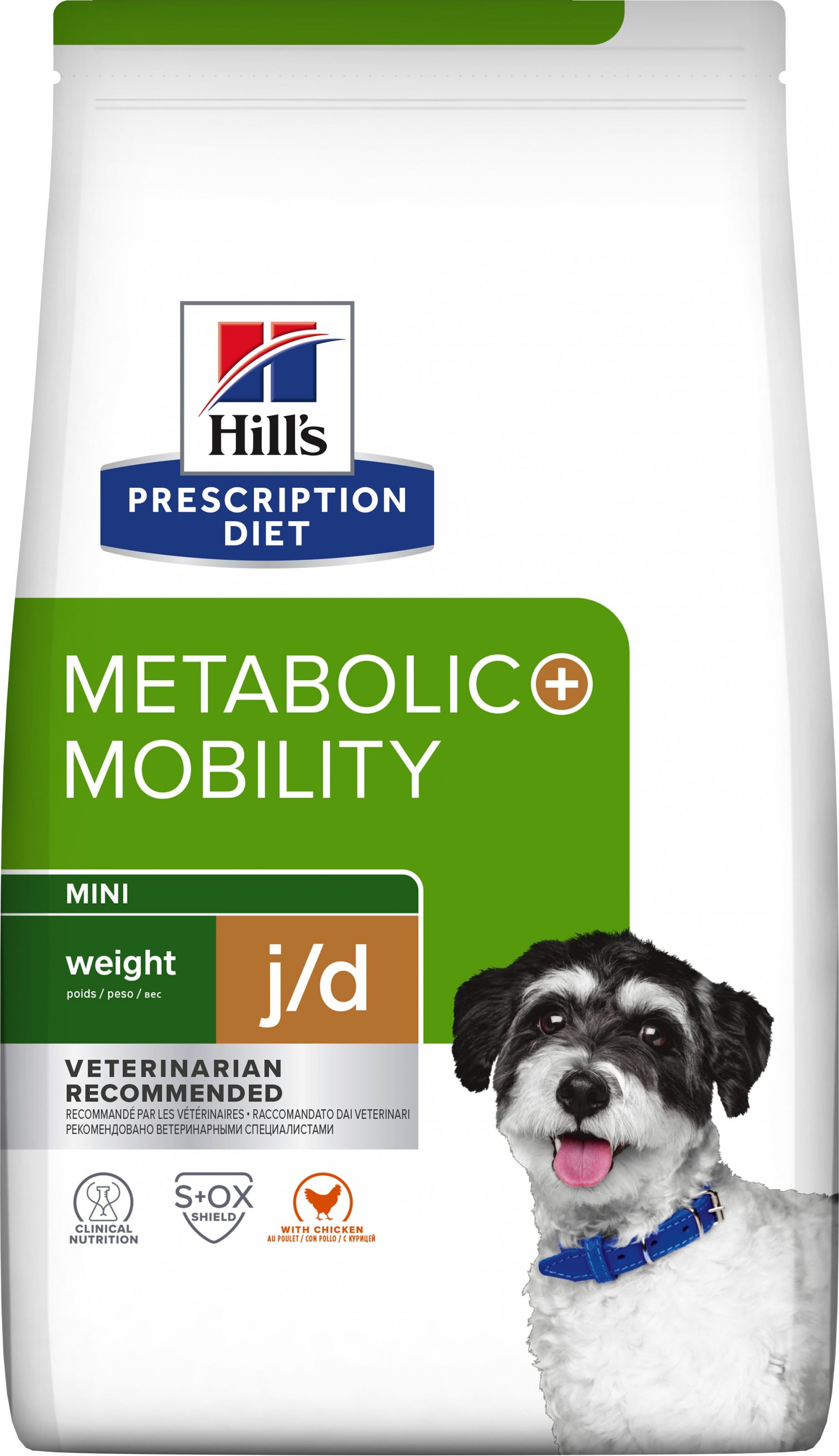
Understanding a dog’s nutritional needs is fundamental to its long-term health and vitality. A key concept in advanced canine nutrition is “metabolic food for dogs.” This refers to specially formulated diets designed to support, manage, or even treat specific metabolic processes within a dog’s body. These foods are not merely standard kibble; they are precision-engineered to address imbalances or support organs involved in metabolism, such as the thyroid, liver, kidneys, or pancreas. The necessity for metabolic food often arises when a dog experiences conditions like obesity, diabetes, kidney disease, or certain endocrine disorders. By providing targeted nutritional support, these diets play a crucial role in maintaining optimal body weight, regulating energy levels, improving organ function, and ultimately enhancing a dogs overall well-being and quality of life. Awareness of metabolic food options empowers owners to make informed dietary choices that directly impact their companion’s health journey.
💡 Pet Care Key Takeaways:
- Core Focus: Practical health, nutrition, and wellness guidelines for Metabolic Food For Dogs.
- Target Scope: Pet owners, animal caregivers, and veterinary support staff.
- Best Recommendation: Maintain consistent daily routines and consult an accredited veterinarian before introducing major diet or medical changes.
Common Causes and Key Factors
The need for a metabolic food often stems from a combination of biological, lifestyle, and medical factors that disrupt a dog’s natural metabolic balance. Genetic predispositions play a significant role, with certain breeds showing higher susceptibility to conditions like obesity, diabetes mellitus, or hypothyroidism. For instance, breeds such as Labrador Retrievers and Beagles are frequently noted for their propensity to gain weight, while some terriers and Poodles can be more prone to diabetes. For more related activities, check out our Pitbullnutrition.
Lifestyle choices, particularly diet and exercise, are primary contributors. Overfeeding, the consumption of high-calorie treats, and a sedentary lifestyle are common environmental factors leading to excessive weight gain and subsequent metabolic stress. A lack of regular physical activity reduces a dog’s caloric expenditure, further exacerbating weight issues and impacting metabolic rate.
Underlying medical conditions are also crucial determinants. Hypothyroidism, where the thyroid gland produces insufficient hormones, slows metabolism and typically results in weight gain and lethargy. Diabetes mellitus, a disorder affecting insulin production or utilization, requires careful dietary management to regulate blood sugar. Kidney or liver diseases necessitate diets that reduce the metabolic load on these organs, while Cushing’s disease can lead to weight gain and changes in body fat distribution. Even the natural aging process can slow a dog’s metabolism, increasing the likelihood of weight issues in senior animals. Neutering or spaying can also lead to a slight decrease in metabolic rate, requiring adjustments to caloric intake to prevent weight gain.
Signs and Symptoms to Observe
Recognizing the signs that a dog might benefit from a metabolic food involves careful observation of physical and behavioral indicators. Changes in a dogs weight are often the most apparent symptom. Unexplained weight gain, despite no change in food intake, or difficulty losing weight can signal a slowed metabolism or an underlying condition. Conversely, unexplained weight loss accompanied by an increased appetite might indicate conditions like diabetes or hyperthyroidism, though hyperthyroidism is less common in dogs than in cats.
Alterations in energy levels are also significant. A dog that becomes unusually lethargic, displays reduced enthusiasm for walks or play, or spends more time resting than typically observed, could be experiencing metabolic slowdown or discomfort from excess weight. Conversely, increased restlessness or anxiety could also be a subtle indicator of underlying metabolic stress.
Appetite and thirst changes warrant attention. A dog exhibiting excessive hunger despite regular meals, or an increase in thirst leading to more frequent urination, could point towards conditions such as diabetes. Poor coat quality, including dryness, dullness, or excessive shedding, can be a symptom of various metabolic disturbances, particularly thyroid issues. Some dogs might also show changes in their stool consistency or frequency. These signs can vary based on the dog’s age, breed, and the specific metabolic challenge it faces, emphasizing the importance of a comprehensive assessment when such changes are noted.
Practical Solutions and Management Strategies
Effectively managing a dogs metabolic health through specialized food requires a multifaceted approach focused on dietary precision and lifestyle adjustments. The cornerstone of this strategy is the careful selection of a metabolic food, which should always be done in consultation with a veterinarian. These specialized diets are formulated with specific nutrient profilesoften lower in calories, controlled in fat and protein, and higher in fiberto support weight management, blood sugar regulation, or specific organ function.
Accurate portion control is paramount. Measuring food precisely according to veterinary guidelines, rather than free-feeding, prevents overconsumption and ensures the dog receives the correct caloric intake. Establishing a consistent feeding schedule helps regulate digestion and metabolism. Avoiding human food scraps and limiting high-calorie treats is crucial, as these can quickly undermine the benefits of a specialized diet. If treats are necessary, opting for low-calorie, vet-approved options or using small portions of the metabolic food itself is advisable.
Alongside dietary changes, regular and appropriate exercise is indispensable. The type and intensity of activity should be tailored to the dog’s age, breed, current health condition, and mobility. For dogs needing weight loss, a gradual increase in activity, such as longer walks or structured play sessions, helps burn calories and improve metabolic rate. Environmental enrichment, including puzzle toys or training sessions, can also help keep dogs mentally stimulated and reduce boredom-related eating.
Consistent monitoring of body weight and body condition score is essential to track progress and make necessary adjustments to the dietary plan. Regular weigh-ins at home or during veterinary visits provide objective data on the diet’s effectiveness. These strategies, when implemented consistently, can significantly improve a dog’s metabolic health and overall well-being.
When Professional Help May Be Needed
While diligent home care is vital, there are specific circumstances where professional veterinary intervention becomes indispensable for managing a dog’s metabolic health. Any unexplained or persistent changes in a dog’s weight, appetite, energy levels, or water intake warrant immediate veterinary consultation. These signs can be indicators of serious underlying medical conditions that require accurate diagnosis and specialized treatment beyond simple dietary adjustments.
Prior to initiating any significant dietary changes, particularly switching to a specialized metabolic food, professional guidance is crucial. A veterinarian can conduct a thorough examination, perform necessary diagnostic tests (such as blood work or urinalysis), and accurately diagnose conditions like hypothyroidism, diabetes, or kidney disease. Based on this diagnosis, a tailored metabolic food plan can be prescribed, ensuring it addresses the dogs specific needs without inadvertently causing nutritional deficiencies or exacerbating other health issues.
Regular follow-up appointments are also essential, especially when managing chronic metabolic conditions. These visits allow the veterinarian to monitor the dog’s response to the new diet and treatment, adjust medication dosages if necessary, and track key health markers. For complex cases or when a dog does not respond as expected to standard metabolic diets, seeking advice from a board-certified veterinary nutritionist may be appropriate. Their expertise can provide advanced dietary strategies and formulations to optimize health outcomes. Approaching metabolic health with a collaborative effort between the owner and veterinary professionals ensures the most effective and responsible care for the dog.
Conclusion
Understanding the concept and application of metabolic food for dogs is a critical aspect of proactive pet care. These specialized diets are far more than just pet food; they are carefully formulated tools designed to support and manage a dog’s internal biological processes, addressing specific health challenges from obesity and diabetes to kidney and thyroid disorders. By recognizing the common causes and key factors that necessitate such diets, along with observing subtle signs and symptoms, owners can play a pivotal role in their dogs early intervention and management. Implementing practical solutions, guided by veterinary expertise, ensures that a dog receives the precise nutritional support needed to thrive. The journey towards optimal metabolic health requires ongoing vigilance, accurate observation, and consistent care, always underpinned by professional veterinary guidance. Through this dedicated approach, the quality of life for canine companions can be significantly enhanced, allowing them to enjoy healthier, more vibrant years.
Pet Care & Wellness Overview Table
| Life Stage | Daily Activity Level | Key Nutrition / Care Focus |
|---|---|---|
| Puppy / Kitten | High (frequent short bursts) | High-protein growth diet & early socialization |
| Adult Companion | Moderate (30–60 mins daily) | Balanced maintenance nutrition & dental hygiene |
| Senior Pets | Low to Gentle (mindful walks) | Joint support (Glucosamine) & routine vet checks |
Images References





For more expert pet care tips and advice, check out our dedicated Dog Nutrition guides to keep your companions healthy and happy.




