

Introduction
Understanding canine nutrition extends far beyond ensuring adequate protein and fat intake. A critical, yet often overlooked, aspect of a dog’s diet involves the micronutrients for dogs. These essential substances, comprising vitamins and minerals, are required in smaller quantities compared to macronutrients (proteins, fats, and carbohydrates), but their role in maintaining optimal health and physiological function is absolutely vital. Micronutrients act as cofactors for enzymes, support immune function, promote healthy growth, facilitate nerve transmission, and ensure robust bone structure, among countless other crucial processes.
💡 Pet Care Key Takeaways:
- Core Focus: Practical health, nutrition, and wellness guidelines for Micronutrients For Dogs.
- Target Scope: Pet owners, animal caregivers, and veterinary support staff.
- Best Recommendation: Maintain consistent daily routines and consult an accredited veterinarian before introducing major diet or medical changes.
Issues related to micronutrients for dogs commonly arise when diets are imbalanced, whether due to poor-quality commercial foods, improperly formulated homemade meals, or specific health conditions affecting absorption. A lack of specific vitamins or minerals can lead to a cascade of health problems that might manifest subtly at first, gradually impacting a dog’s energy levels, coat quality, behavior, and overall vitality. By gaining a clear understanding of these tiny but powerful nutritional components, dog owners can make informed decisions that significantly contribute to their companion’s well-being, long-term health, and overall quality of life. For more related activities, check out our Ol Roy Ingredients List.
Common Causes and Key Factors
Maintaining an optimal balance of micronutrients for dogs is a complex process influenced by several key factors. Deficiencies or imbalances typically stem from dietary inadequacies or impaired physiological functions.
- Dietary Imbalance: The most prevalent cause of micronutrient issues is an unbalanced diet. Commercial pet foods, while convenient, can vary significantly in quality. Lower-grade foods may contain ingredients with poor bioavailability or lack sufficient concentrations of essential vitamins and minerals. Conversely, homemade or raw diets, if not meticulously formulated by a veterinary nutritionist, frequently fall short of providing a complete and balanced spectrum of micronutrients. Feeding an excessive amount of treats or table scraps can also dilute the nutritional completeness of a dog’s primary diet.
- Absorption Issues: Even with a nutrient-rich diet, a dog’s body might struggle to absorb these vital components. Gastrointestinal diseases such as inflammatory bowel disease (IBD), exocrine pancreatic insufficiency, or chronic parasitic infections can compromise the gut lining and disrupt nutrient uptake. Certain medications can also interfere with the absorption of specific vitamins and minerals.
- Increased Nutritional Demand: Life stages and specific health conditions can significantly elevate a dog’s need for micronutrients. Growing puppies require higher levels of certain minerals for bone development, while pregnant or lactating dogs have increased demands across the board to support their offspring. Senior dogs may experience reduced digestive efficiency and altered metabolism, necessitating higher intake or more bioavailable forms of micronutrients. Dogs recovering from illness, surgery, or those with chronic conditions also have heightened nutritional requirements.
- Food Processing and Storage: The manufacturing processes of commercial dog food, particularly high-heat extrusion, can degrade some heat-sensitive vitamins. Improper storage of pet food can also lead to the loss of nutrient potency over time. Exposure to air, light, and moisture can break down vitamins and minerals, rendering them less effective.
Signs and Symptoms to Observe
Recognizing the signs of micronutrient deficiencies in dogs can be challenging, as symptoms are often non-specific and can overlap with various other health issues. However, observant owners can look for patterns of physical or behavioral changes that might indicate a nutritional imbalance involving micronutrients for dogs.
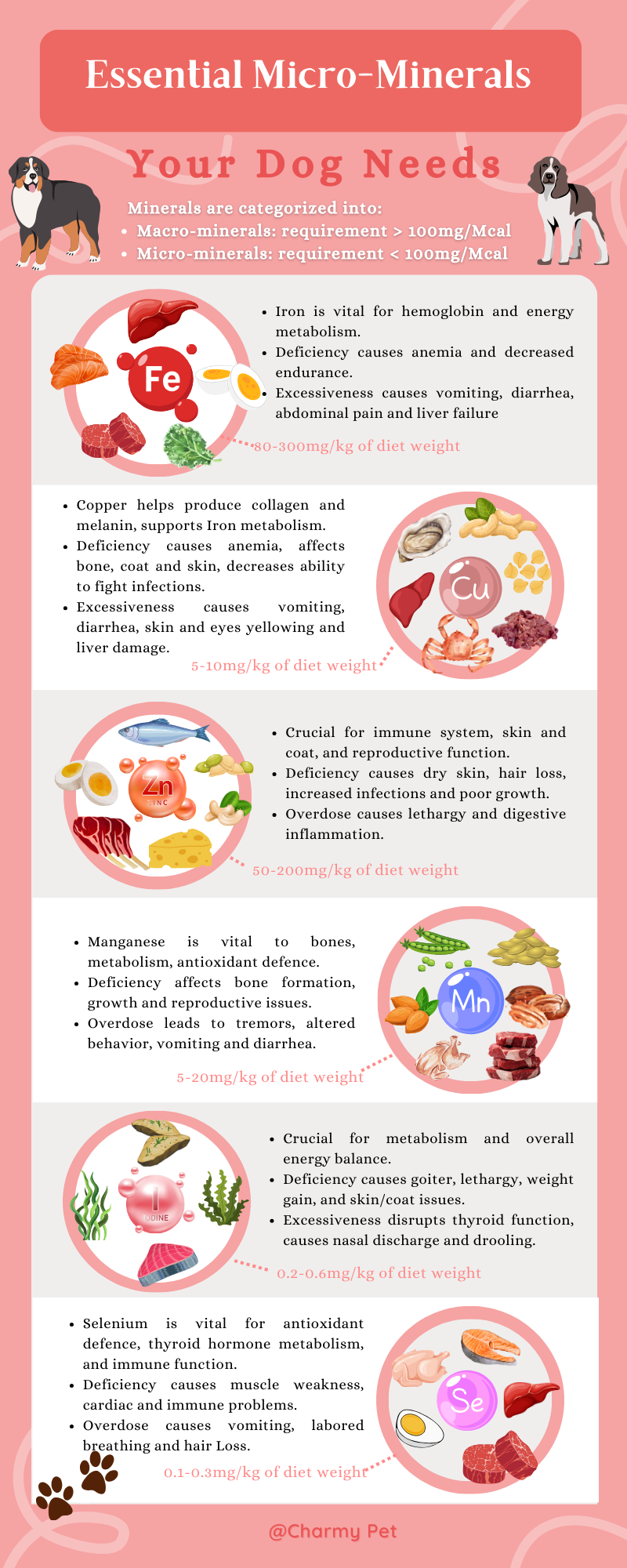
- Coat and Skin Health: A dull, dry, or brittle coat, excessive shedding beyond seasonal norms, flaky skin, slow healing of minor wounds, or recurrent skin infections can suggest deficiencies in vitamins such as A, E, B vitamins (biotin), or minerals like zinc and selenium.
- Energy Levels and Behavior: Lethargy, decreased stamina, unexplained weakness, poor appetite, or unusual irritability might be linked to insufficient B vitamins, which are crucial for energy metabolism, or minerals like iron.
- Growth and Development: In puppies, stunted growth, skeletal deformities, or delayed development are serious indicators of deficiencies in calcium, phosphorus, or vitamin D, which are essential for bone health.
- Immune System Function: Dogs that experience frequent infections, prolonged recovery times from illness, or recurring bouts of allergies may have a compromised immune system due to inadequate intake of vitamins C, E, or minerals like zinc and selenium.
- Digestive Upset: Chronic or recurrent episodes of vomiting and diarrhea could point to deficiencies in B vitamins or imbalances in electrolytes like potassium, which are critical for gut health and fluid balance.
- Neurological Symptoms: Muscle weakness, tremors, poor coordination, or even vision problems can be associated with severe deficiencies of certain micronutrients, such as vitamin E, which acts as an antioxidant protecting nerve cells, or specific B vitamins vital for nerve function.
- Dental and Bone Health: Beyond growth issues, poor tooth development or signs of weakened bones in adult dogs can reflect long-term imbalances in calcium, phosphorus, or vitamin D.
The manifestation of these signs can vary depending on a dog’s age, breed, and overall health status. For instance, growing puppies will show different symptoms than senior dogs experiencing age-related nutrient malabsorption.
Practical Solutions and Management Strategies
Addressing and managing issues related to micronutrients for dogs primarily involves optimizing their diet and environment. Proactive measures can help prevent deficiencies and promote long-term health.
- Prioritize High-Quality Commercial Dog Food: For many owners, the simplest and most effective strategy is to select a high-quality commercial dog food from a reputable brand. These foods are typically formulated to be “complete and balanced,” meaning they contain all the necessary macro and micronutrients in appropriate ratios. Look for foods that meet the nutritional standards set by organizations like the Association of American Feed Control Officials (AAFCO) and conduct feeding trials.
- Consult a Veterinary Nutritionist for Homemade Diets: If an owner opts for a homemade or raw diet, it is absolutely critical to work with a board-certified veterinary nutritionist. These professionals can formulate a diet tailored to a dog’s specific needs, ensuring it is complete and balanced in all essential micronutrients, preventing common deficiencies that arise from ad-hoc recipes.
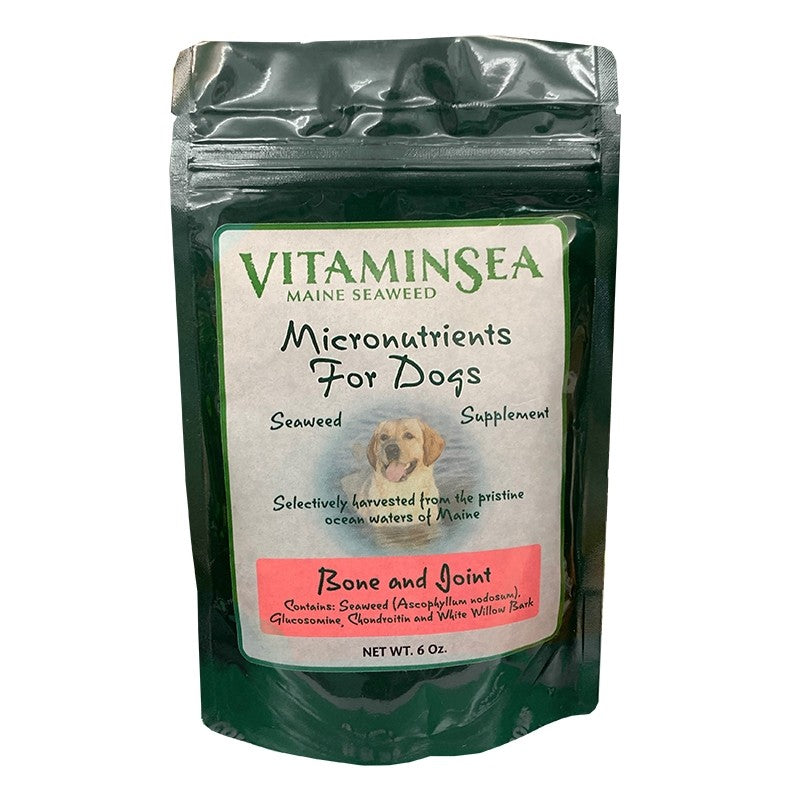
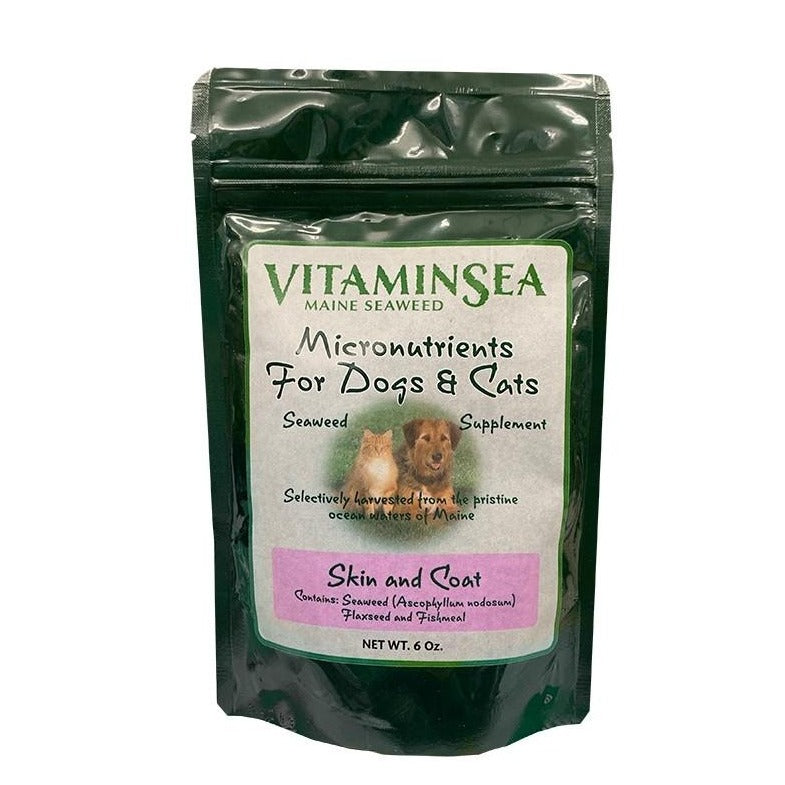
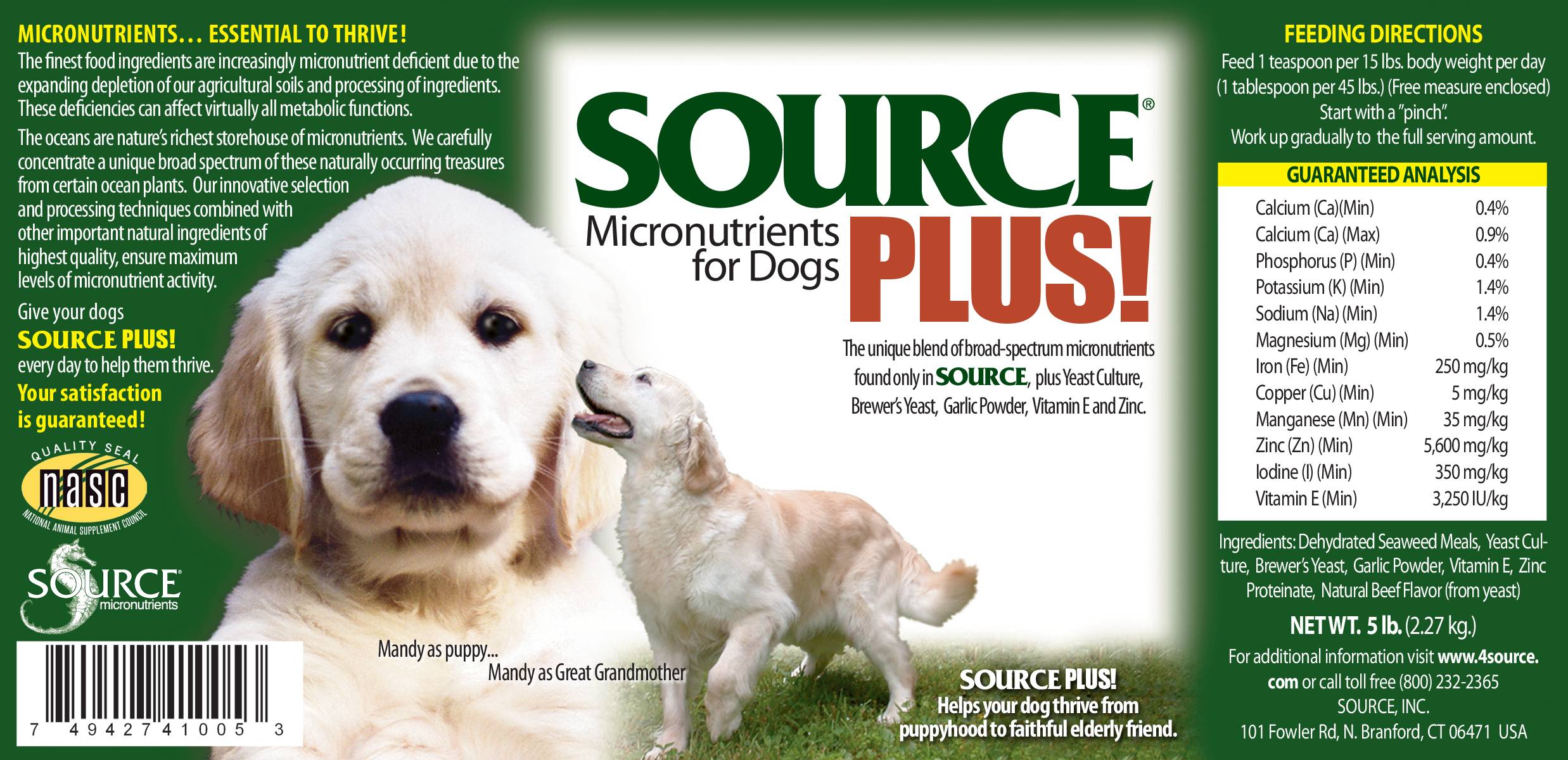
- Judicious Use of Supplements: While supplements can play a role, they should never be given without professional veterinary guidance. Over-supplementation, particularly of fat-soluble vitamins (A, D, E, K) or certain minerals (e.g., calcium, selenium), can be toxic and cause more harm than good. A veterinarian can assess a dog’s diet and health status to determine if a specific supplement is necessary and in what dosage.
- Moderate Treats and Table Scraps: Treats and human food scraps should comprise no more than 10% of a dog’s daily caloric intake to prevent diluting the nutritional balance of their primary diet. Many human foods lack the specific balance of micronutrients dogs require.
- Address Underlying Health Conditions: If gastrointestinal issues or other health problems are identified as contributing to poor nutrient absorption, treating these primary conditions under veterinary supervision is paramount. This can involve medication, dietary changes, or other therapeutic interventions.
- Proper Food Storage: Always store dog food in its original packaging (or in an airtight container) in a cool, dry place away from direct sunlight. Adhere to expiry dates, as nutrient content can degrade over time, particularly after the bag has been opened.
- Regular Veterinary Check-ups: Routine veterinary visits allow for early detection of potential health issues that could impact nutrient status. Blood tests or other diagnostics can reveal deficiencies before clinical signs become severe.
When Professional Help May Be Needed
While diligent home care and dietary adjustments can resolve many minor issues, there are specific circumstances where professional veterinary intervention becomes essential to ensure the health and well-being of dogs.
- Persistent or Worsening Symptoms: If observed signs of micronutrient deficiency, such as a dull coat, lethargy, digestive upset, or unexplained weakness, persist or worsen despite initial dietary improvements, a veterinary consultation is crucial. These symptoms could indicate a more severe deficiency or an underlying medical condition.
- Before Initiating Supplementation: Owners should never begin supplementing a dog’s diet with vitamins or minerals without prior veterinary approval. As noted, excessive levels of certain micronutrients can be toxic. A veterinarian can accurately diagnose deficiencies through blood tests or clinical examination and recommend appropriate, safe dosages.
- Considering Homemade or Raw Diets: For owners who wish to feed a homemade or raw diet, professional guidance from a board-certified veterinary nutritionist is not merely recommended but essential. These diets, if not expertly formulated, are highly prone to significant micronutrient imbalances, which can have severe long-term health consequences.
- Signs of Growth Abnormalities in Puppies: Any indication of stunted growth, skeletal deformities, or lameness in a puppy warrants immediate veterinary attention. These can be critical signs of calcium, phosphorus, or vitamin D deficiencies that require prompt, precise intervention.
- Chronic Illnesses Affecting Absorption: Dogs with diagnosed gastrointestinal diseases (e.g., IBD, EPI), kidney disease, or liver disease often have compromised nutrient absorption or altered metabolic needs. Managing micronutrient status in these cases requires specific veterinary dietary management plans and potentially prescription supplements.
- Sudden or Severe Health Changes: Any sudden decline in health, severe neurological symptoms, unexplained weight loss, or prolonged periods of anorexia should prompt an immediate visit to the veterinarian. These could be signs of acute deficiencies or other serious underlying conditions requiring urgent medical care.
Conclusion
Micronutrients for dogs, though required in small quantities, represent the foundation of robust canine health. These essential vitamins and minerals orchestrate countless physiological processes, influencing everything from immune strength and energy levels to coat quality and bone integrity. Overlooking their importance can lead to subtle yet significant health challenges that impact a dog’s overall vitality and happiness.
By understanding the common causes of deficienciesranging from imbalanced diets to absorption issuesand recognizing the varied signs and symptoms, dog owners are empowered to make proactive choices. Prioritizing high-quality, complete, and balanced nutrition, coupled with responsible supplementation under veterinary guidance, forms the cornerstone of effective management. Consistent observation and timely professional consultation ensure that any emerging issues are addressed promptly and effectively. Ultimately, a keen awareness of micronutrient needs contributes profoundly to a dog’s ability to thrive, enjoying a life filled with health, energy, and unwavering companionship.
Pet Care & Wellness Overview Table
| Life Stage | Daily Activity Level | Key Nutrition / Care Focus |
|---|---|---|
| Puppy / Kitten | High (frequent short bursts) | High-protein growth diet & early socialization |
| Adult Companion | Moderate (30–60 mins daily) | Balanced maintenance nutrition & dental hygiene |
| Senior Pets | Low to Gentle (mindful walks) | Joint support (Glucosamine) & routine vet checks |
Images References



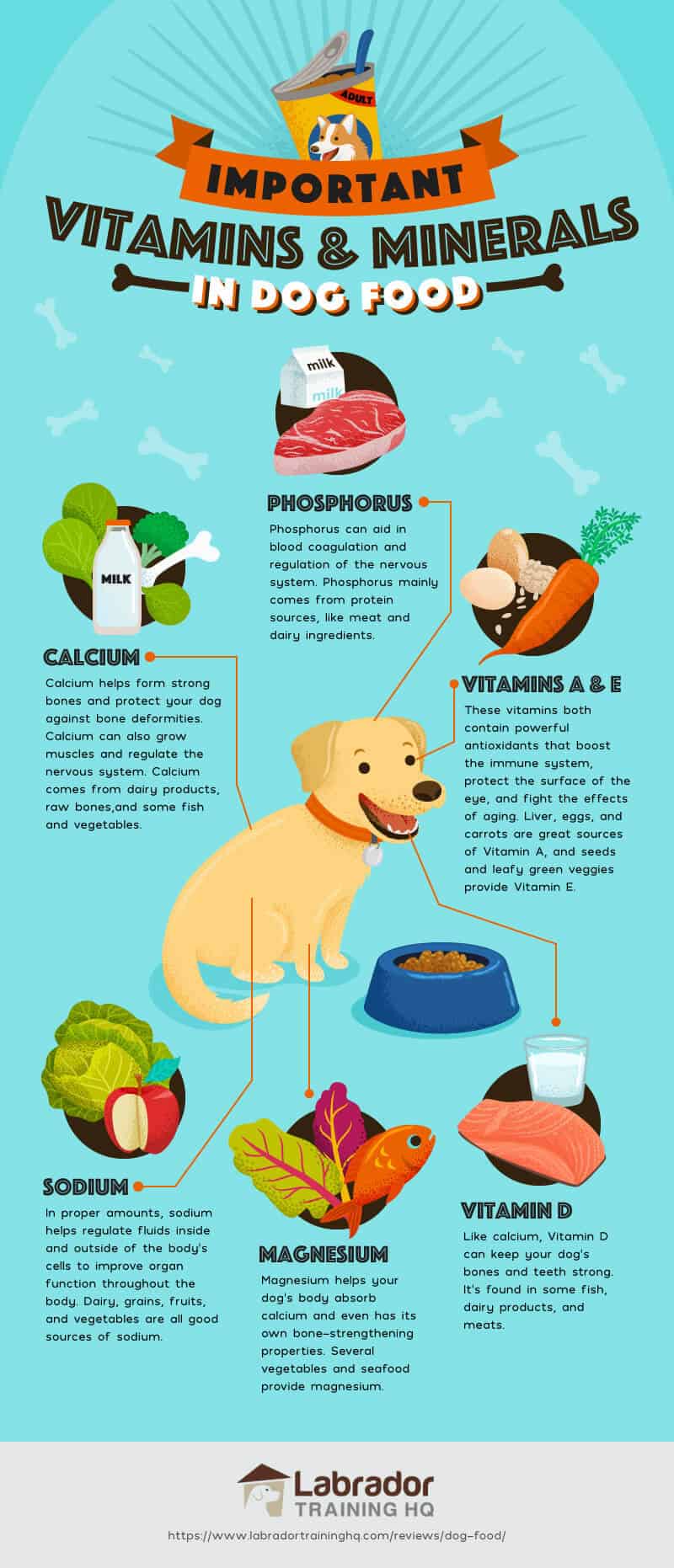

For more expert pet care tips and advice, check out our dedicated Dog Nutrition guides to keep your companions healthy and happy.




