
Introduction
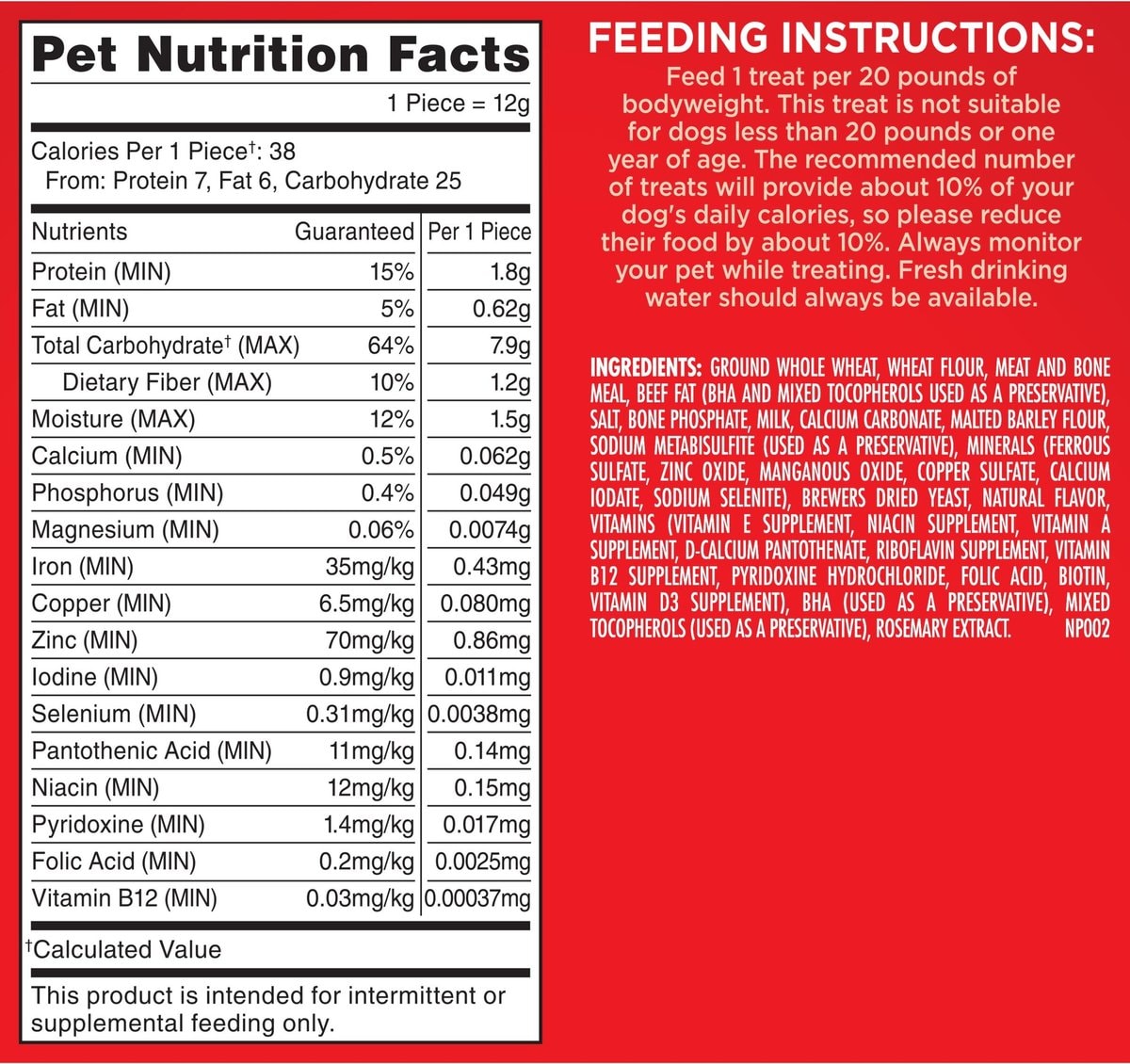
Understanding milk bone nutrition is an important aspect of responsible dog ownership, particularly when considering the role of treats in a canine’s overall diet. Milk-Bone, a widely recognized brand of dog biscuits, often forms a staple treat in many households. While these biscuits can serve as effective tools for training or simply as a token of affection, their nutritional composition warrants careful consideration. Grasping the calorie content, ingredient profile, and how these treats integrate into a dog’s daily dietary allowance can significantly impact a dog’s weight management, energy levels, and long-term health. A balanced approach to treat giving, informed by an understanding of milk bone nutrition, contributes directly to a dog’s physical well-being and helps prevent common issues associated with dietary imbalance.
💡 Pet Care Key Takeaways:
- Core Focus: Practical health, nutrition, and wellness guidelines for Milk Bone Nutrition.
- Target Scope: Pet owners, animal caregivers, and veterinary support staff.
- Best Recommendation: Maintain consistent daily routines and consult an accredited veterinarian before introducing major diet or medical changes.
Common Causes and Key Factors
The nutritional impact of Milk-Bone treats stems primarily from their ingredients and caloric density. Like many commercially produced dog biscuits, Milk-Bones typically consist of grains, meat and bone meal, fats, and various vitamins and minerals. While these ingredients provide some level of energy and essential nutrients, the key factor lies in the proportion and frequency of their consumption. For more related activities, check out our “Fortiflora” And “Gut Health”.
A common cause of concern related to milk bone nutrition is overfeeding. Treats, by their nature, are supplementary and should constitute a small percentage of a dog’s daily caloric intaketypically no more than 10%. When treats like Milk-Bones are given in excess, they can quickly contribute to a calorie surplus, leading to weight gain.
Another factor is the potential for nutrient displacement. If a dog fills up on treats, it may consume less of its complete and balanced regular dog food, potentially missing out on essential nutrients formulated specifically for its life stage. The nutritional profile of a treat, while often fortified, is generally not designed to be a primary source of balanced nutrition.
Different varieties of Milk-Bone products exist, each with varying sizes and formulations. Larger biscuits naturally contain more calories than smaller ones. Understanding these differences and selecting an appropriate size for a dog’s breed and weight is crucial for managing their intake effectively.
Signs and Symptoms to Observe
Observing a dog for signs that its treat intake, including Milk-Bones, might be negatively impacting its health is essential. The most prevalent sign of an imbalanced diet due to excessive treat consumption is weight gain. This can manifest as a less defined waistline, difficulty feeling the ribs, or a general increase in body mass. Overweight dogs may exhibit reduced activity levels, labored breathing, or reluctance to engage in physical play.
Digestive upset can also be an indicator. While Milk-Bones are generally well-tolerated, an abrupt increase in treat intake or a dog’s sensitivity to specific ingredients (such as certain grains or fats) can lead to symptoms like loose stools, diarrhea, or an increase in gas. These signs may vary depending on a dog’s age, breed, and individual digestive sensitivities.
Changes in coat quality or energy levels, while less directly linked to Milk-Bone consumption specifically, can sometimes indicate a broader nutritional imbalance if treats are displacing a significant portion of a dog’s primary diet. A dull coat, flaky skin, or unexplained lethargy could suggest that a dog is not receiving all the necessary nutrients from its main food source, potentially due to overconsumption of less nutritionally complete treats.
Practical Solutions and Management Strategies
Effective management of milk bone nutrition involves a multifaceted approach centered on moderation, informed choices, and dietary balance. The primary strategy is strict portion control. Dog owners should always refer to the feeding guidelines on the Milk-Bone packaging and consider these treats as part of a dog’s total daily caloric intake, not in addition to it. A general rule suggests treats should not exceed 10% of a dogs daily calories.
Choosing the appropriate size of Milk-Bone for a dog’s weight and activity level is another practical solution. Smaller biscuits are suitable for smaller breeds or dogs on a weight management plan, while larger ones can be reserved for bigger dogs or more intensive training sessions where a higher reward value is desired.
Integrating treats into training routines can make them serve a dual purpose, linking nutrition with positive reinforcement. This ensures treats are not merely given out of habit but for a specific behavioral reason, maximizing their utility and limiting their quantity.
Consider alternative, lower-calorie treat options, such as small pieces of plain cooked chicken, carrots, or green beans, which can provide a satisfying crunch or reward without significantly impacting a dog’s caloric intake or introducing excessive carbohydrates and fats. Balancing a dog’s diet with a high-quality, complete, and balanced commercial dog food, specifically formulated for its life stage and activity level, remains paramount. Treats should always be supplemental to this foundation.
When Professional Help May Be Needed
While many aspects of milk bone nutrition can be managed effectively by conscientious dog owners, there are situations where professional veterinary consultation or specialized guidance becomes appropriate. If a dog experiences persistent weight gain despite efforts to control treat intake and overall diet, a veterinarian can help rule out underlying medical conditions and provide a tailored weight management plan.
Ongoing digestive issues, such as chronic diarrhea, vomiting, or excessive gas, that do not resolve with dietary adjustments warrant veterinary attention. These symptoms could indicate sensitivities to ingredients, allergies, or more serious gastrointestinal problems that require professional diagnosis and treatment.
Concerns about a dog’s overall nutritional balance, especially if there are signs of nutrient deficiencies like a consistently poor coat, lethargy, or other health issues, should prompt a visit to the veterinarian. A vet can assess the dog’s complete diet, including treats, and recommend specific dietary changes or supplements if needed. In cases where behavioral issues are intricately linked to food or treat motivation, a certified professional dog trainer or veterinary behaviorist might offer specialized strategies for using treats effectively without compromising health.
Conclusion
Understanding milk bone nutrition is not about eliminating treats but about integrating them responsibly into a dog’s diet. By being aware of calorie content, ingredient profiles, and the importance of moderation, dog owners can make informed choices that support their dog’s health and well-being. Consistent observation of a dog’s body condition, energy levels, and digestive health provides valuable insights into the effectiveness of dietary management. Prioritizing a complete and balanced primary diet, coupled with judicious treat giving, ensures that dogs receive all the necessary nutrients for a vibrant, healthy life. Responsible treat use contributes to a positive bond between dogs and their owners, fostering both good behavior and optimal health.
Pet Care & Wellness Overview Table
| Life Stage | Daily Activity Level | Key Nutrition / Care Focus |
|---|---|---|
| Puppy / Kitten | High (frequent short bursts) | High-protein growth diet & early socialization |
| Adult Companion | Moderate (30–60 mins daily) | Balanced maintenance nutrition & dental hygiene |
| Senior Pets | Low to Gentle (mindful walks) | Joint support (Glucosamine) & routine vet checks |
Images References




For more expert pet care tips and advice, check out our dedicated Dog Nutrition guides to keep your companions healthy and happy.




