

Introduction
Understanding what constitutes the most nutritious dog food is a paramount concern for responsible pet ownership. It goes beyond simply filling a bowl; it involves providing a diet that supports every aspect of a dog’s health, from a gleaming coat and robust energy to a strong immune system and healthy digestion. In a market flooded with countless options, the quest for the ideal diet can seem daunting. This article aims to demystify the complexities of canine nutrition, offering clear guidance on identifying and selecting dog food that truly optimizes a dogs well-being. By comprehending the fundamental principles of what makes a diet truly nutritious, owners can make informed decisions that significantly enhance their dog’s vitality, behavior, and overall quality of life.
💡 Pet Care Key Takeaways:
- Core Focus: Practical health, nutrition, and wellness guidelines for Most Nutritious Dog Food.
- Target Scope: Pet owners, animal caregivers, and veterinary support staff.
- Best Recommendation: Maintain consistent daily routines and consult an accredited veterinarian before introducing major diet or medical changes.
Common Causes and Key Factors
Identifying the most nutritious dog food requires an understanding of several key factors that contribute to a diet’s overall quality and suitability. These elements determine how effectively a food supports a dogs health. For more related activities, check out our Ol Roy Ingredients List.
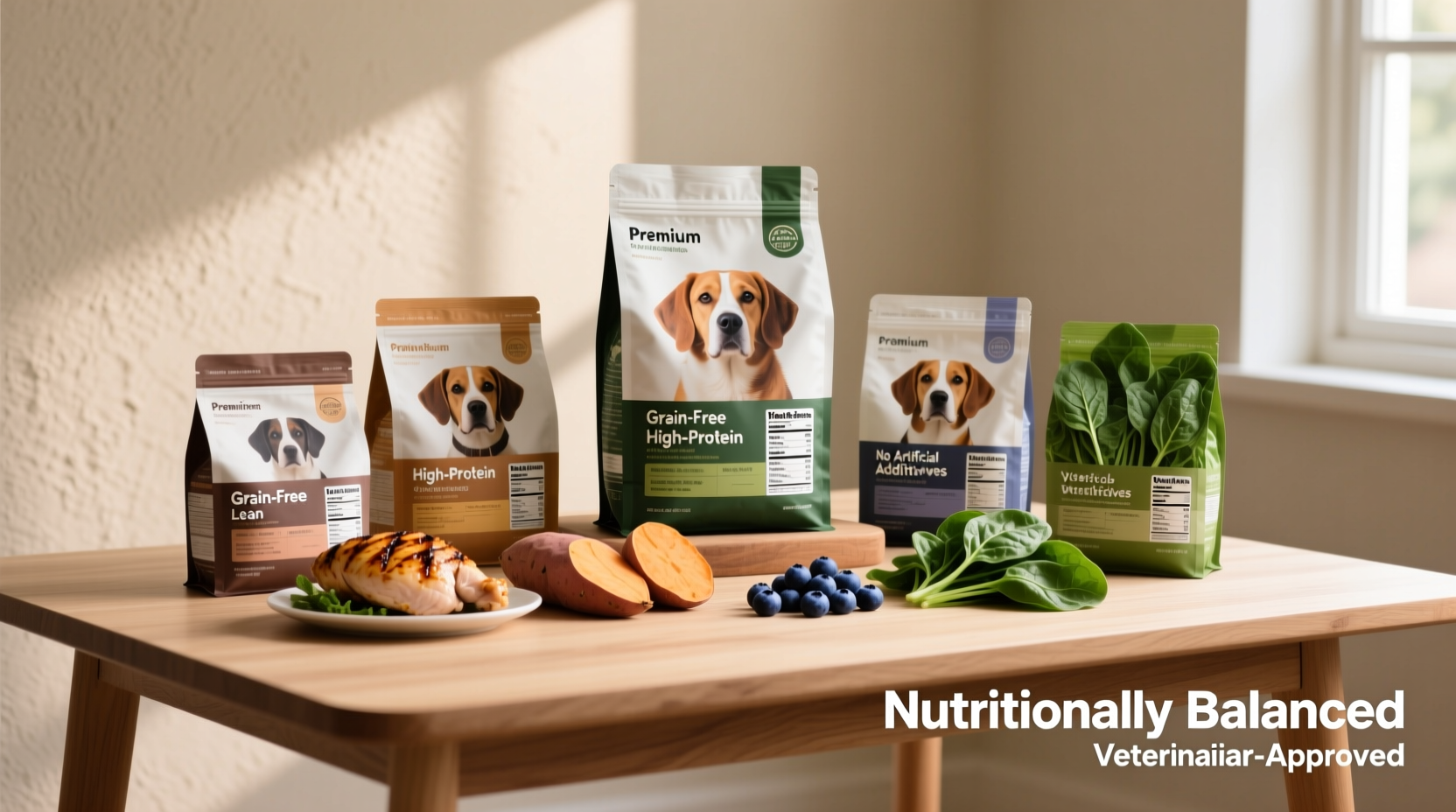
Ingredient Quality: The foundation of a highly nutritious dog food lies in its ingredients. Top-tier diets prioritize whole, identifiable protein sources like real meat, poultry, or fish listed as the first few ingredients. These should be human-grade or clearly specified animal parts, not vague “meat by-products” or “animal digest.” Similarly, complex carbohydrates from whole grains (like brown rice, oats, barley) or nutrient-rich vegetables and fruits (like sweet potatoes, peas, carrots, apples) are superior to fillers such as corn or soy.
Nutrient Balance and Completeness: A truly nutritious dog food adheres to established nutritional guidelines, such as those set by the Association of American Feed Control Officials (AAFCO). This ensures the food provides a complete and balanced diet for a dog’s specific life stage. The proper ratio of protein, fats, carbohydrates, vitamins, and minerals is crucial. For instance, growing puppies require higher protein and fat, while senior dogs may benefit from fewer calories and joint-supporting nutrients.
Digestibility and Bioavailability: Even the highest quality ingredients are only beneficial if a dog can properly digest and absorb their nutrients. Highly digestible formulas use ingredients that are easily broken down by a dog’s digestive system, leading to better nutrient absorption and less waste. The absence of common allergens or artificial additives can also improve digestibility for sensitive dogs.
Absence of Harmful Additives: The most nutritious dog foods avoid artificial colors, flavors, and preservatives (e.g., BHA, BHT, ethoxyquin). Natural preservatives like mixed tocopherols (Vitamin E) are preferred. Excessive fillers, sugars, and unknown animal by-products also detract from a food’s nutritional value and can lead to health issues.
Processing Methods: How dog food is manufactured impacts its nutritional integrity. While kibble is common, options like wet food, freeze-dried, raw, or gently cooked diets can sometimes retain more of the original nutrients from their ingredients, depending on the specific processing. Understanding the impact of heating and processing on vitamins, enzymes, and essential fatty acids is vital.
Signs and Symptoms to Observe
A dog consuming a highly nutritious diet often exhibits clear indicators of robust health. Observing these signs can help owners assess the effectiveness of their chosen food.
Healthy Skin and Shiny Coat: One of the most visible signs of good nutrition is a lustrous, soft coat with minimal shedding, free from dryness, flakiness, or excessive oiliness. The skin beneath should be clear, supple, and free of redness or irritation.
Optimal Energy Levels: A well-nourished dog typically displays appropriate energy levels for its age and breed. This means being active, playful, and alert without being hyperactive or lethargic. Sustained energy throughout the day, rather than peaks and crashes, is a good indicator.
Consistent, Healthy Stools: Digestive health is paramount. Dogs on a good diet produce firm, well-formed, and consistent stools that are easy to pick up. Frequent diarrhea, constipation, excessive gas, or very loose stools can suggest an unsuitable or less nutritious diet.
Maintenance of Healthy Weight: A dog should maintain an ideal body weight for its breed and age, with a visible waistline and ribs that are easily felt but not seen. Nutritional deficiencies or excesses can lead to being underweight or overweight, both of which have serious health implications.
Strong Immune System: Dogs fed a balanced, nutrient-rich diet tend to have stronger immune systems, leading to fewer illnesses, infections, and a quicker recovery when sickness does occur.
Bright Eyes and Healthy Gums: Clear, bright eyes free of excessive discharge, and healthy, pink gums (not pale or inflamed), are further visual cues of overall well-being stemming from proper nutrition.
Good Muscle Tone: Adequate protein and essential amino acids support lean muscle mass. Dogs consuming a nutritious diet typically have good muscle definition and strength, contributing to their overall agility and mobility.
Practical Solutions and Management Strategies
Choosing and managing a dog’s diet for optimal nutrition involves several actionable steps and ongoing considerations.
Thorough Label Reading: Always scrutinize the ingredient list. Look for whole protein sources listed first, followed by wholesome carbohydrates, fats, and essential vitamins and minerals. Pay attention to the “Guaranteed Analysis” for protein, fat, fiber, and moisture percentages, and ensure the food meets AAFCO standards for a dog’s specific life stage.
Consult a Veterinary Professional: A veterinarian or a board-certified veterinary nutritionist can provide personalized dietary recommendations based on a dog’s age, breed, activity level, health conditions, and any existing allergies or sensitivities. They can help navigate the vast array of food options.
Consider Life Stage and Specific Needs: A puppy’s nutritional requirements differ vastly from an adult or senior dog’s. Similarly, large breeds have different needs than small breeds, and highly active dogs need more calories than sedentary ones. Select formulas tailored to these specific characteristics.
Research Brand Reputation and Sourcing: Investigate the dog food manufacturer’s transparency regarding ingredient sourcing, quality control, and testing protocols. Reputable brands often provide detailed information on their websites and willingly answer consumer questions.
Introduce New Foods Gradually: When transitioning to a new food, do so over 7-10 days, gradually mixing increasing amounts of the new food with decreasing amounts of the old. This helps prevent digestive upset.
Monitor and Adjust: Observe a dog’s response to its diet. Look for improvements in coat quality, energy, stool consistency, and weight. If any negative signs appear, consult with a veterinarian about making adjustments.
Appropriate Portions: Even the most nutritious food can be detrimental if fed in incorrect quantities. Follow feeding guidelines on the packaging as a starting point, but adjust based on a dog’s individual metabolism and activity level to maintain an ideal body condition.
When Professional Help May Be Needed
While diligent observation and careful food selection can go a long way, certain situations warrant the expertise of a veterinary professional.
Persistent Digestive Issues: If a dog experiences chronic vomiting, diarrhea, constipation, or excessive flatulence despite dietary changes, a veterinarian can rule out underlying medical conditions and recommend specialized diagnostic tests or prescription diets.
Unexplained Weight Fluctuations: Significant or rapid weight loss or gain that cannot be attributed to changes in food intake or activity level should prompt a veterinary visit. This could indicate metabolic disorders, malabsorption issues, or other health problems.
Chronic Skin and Coat Problems: Persistent itching, recurrent skin infections, excessive shedding, or a dull, dry coat that doesn’t improve with a higher quality diet may necessitate a veterinarian’s evaluation to identify allergies, nutritional deficiencies, or other dermatological conditions.
Lethargy or Behavioral Changes: Sudden or ongoing lethargy, significant changes in appetite, or unusual behavioral patterns can sometimes be linked to nutritional imbalances or underlying health issues that require professional diagnosis.
Managing Existing Health Conditions: Dogs with specific health conditions such as kidney disease, diabetes, pancreatitis, severe allergies, or joint issues often require therapeutic diets formulated to manage their specific ailments. A veterinarian is essential for prescribing and monitoring these specialized foods.
Considering Specialized Diets: If an owner is considering a home-cooked, raw, or highly specialized elimination diet, consulting with a board-certified veterinary nutritionist is crucial. These diets require precise formulation to ensure they are complete and balanced, preventing serious nutritional deficiencies or excesses.
Conclusion
The pursuit of the most nutritious dog food is a cornerstone of responsible pet care, directly impacting a dog’s longevity and quality of life. It encompasses much more than mere sustenance; it is about providing a carefully balanced diet crafted from high-quality, digestible ingredients that meet individual needs. By thoroughly understanding food labels, prioritizing whole ingredients, and considering a dogs specific life stage and health status, owners can navigate the complexities of pet nutrition with confidence. Consistent observation of a dog’s physical condition and energy levels, combined with regular veterinary consultations, serves as the ultimate guide in ensuring dietary success. Ultimately, investing time and effort into selecting truly nutritious dog food fosters a vibrant, healthy, and happy companion, strengthening the irreplaceable bond shared between dogs and their human families.
Pet Care & Wellness Overview Table
| Life Stage | Daily Activity Level | Key Nutrition / Care Focus |
|---|---|---|
| Puppy / Kitten | High (frequent short bursts) | High-protein growth diet & early socialization |
| Adult Companion | Moderate (30–60 mins daily) | Balanced maintenance nutrition & dental hygiene |
| Senior Pets | Low to Gentle (mindful walks) | Joint support (Glucosamine) & routine vet checks |
Images References







For more expert pet care tips and advice, check out our dedicated Dog Nutrition guides to keep your companions healthy and happy.




