

Introduction
The topic of multi vitamin for dogs is increasingly relevant for individuals dedicated to canine health and well-being. A multi-vitamin for dogs refers to a dietary supplement containing a blend of essential vitamins, minerals, and sometimes other beneficial nutrients, formulated specifically to meet the physiological needs of canines. These supplements are designed to complement a dog’s regular diet, aiming to fill potential nutritional gaps and support various bodily functions. While a complete and balanced commercial dog food typically provides all necessary nutrients, certain circumstances can arise where a dog’s diet may fall short, or specific life stages and health conditions demand additional nutritional support. Understanding when and why a multi vitamin for dogs might be beneficial can empower pet owners to make informed decisions that contribute significantly to a dog’s vitality, immune strength, and overall quality of life.
💡 Pet Care Key Takeaways:
- Core Focus: Practical health, nutrition, and wellness guidelines for Multi Vitamin For Dogs.
- Target Scope: Pet owners, animal caregivers, and veterinary support staff.
- Best Recommendation: Maintain consistent daily routines and consult an accredited veterinarian before introducing major diet or medical changes.
Common Causes and Key Factors
The consideration of introducing a multi vitamin for dogs often stems from several key factors and common scenarios where a canine’s nutritional needs might not be fully met by diet alone. For more related activities, check out our Signs Of A Deaf Dog Behavior Problems And Solutions.
One primary cause relates to dietary inadequacies. While commercial dog foods are generally formulated to be nutritionally complete, variations in quality exist. Some budget-friendly options might use ingredients with lower bioavailability or suffer from nutrient degradation during processing. For dogs fed homemade diets, achieving a perfectly balanced nutritional profile without expert guidance can be challenging, often leading to deficiencies in essential vitamins and minerals. Picky eaters might also struggle to consume sufficient nutrients from their regular meals.
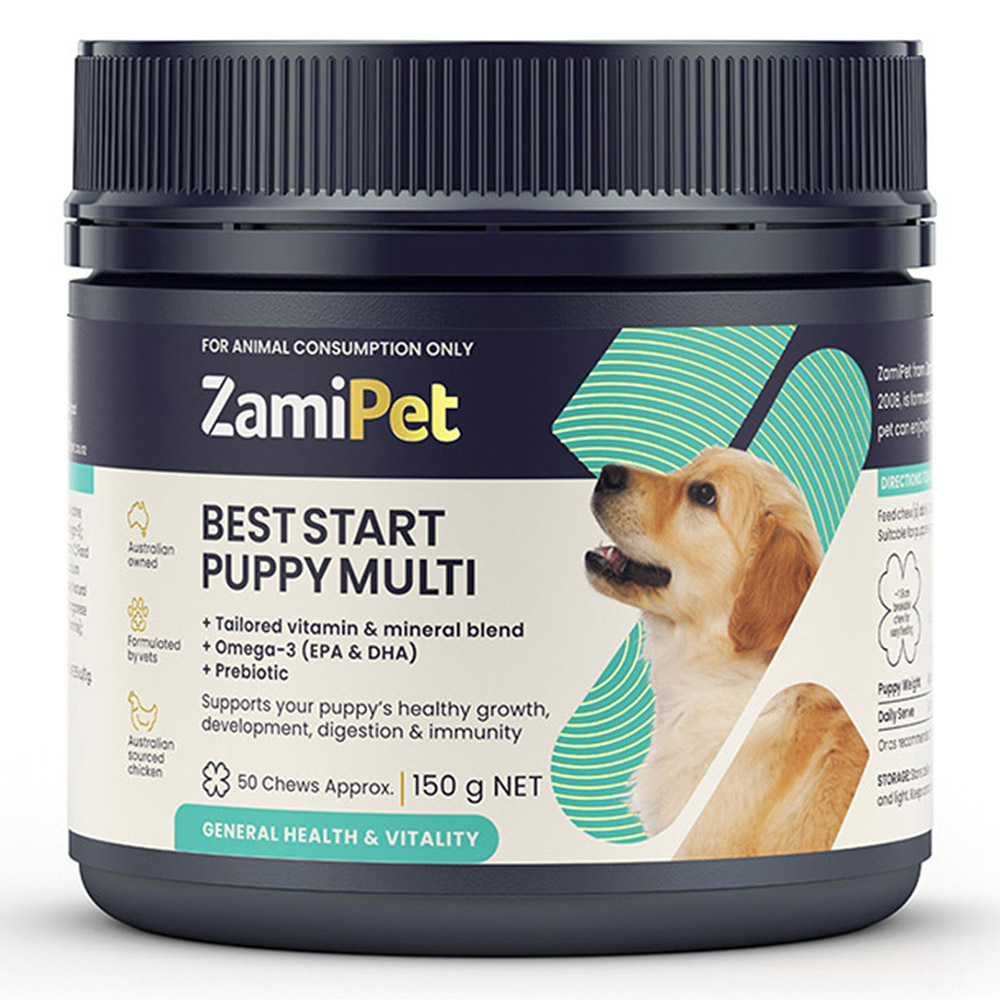
Specific life stages represent another significant factor. Puppies undergoing rapid growth, senior dogs experiencing decreased nutrient absorption and appetite, and pregnant or lactating bitches with significantly elevated nutritional demands may benefit from the additional support provided by a multi vitamin for dogs. These periods impose unique physiological stresses that can deplete nutrient reserves.
Furthermore, health conditions and recovery periods can necessitate supplemental nutrition. Dogs suffering from chronic illnesses, gastrointestinal issues that impair nutrient absorption, or those recovering from surgery or injury may have compromised nutritional status. The demands of fighting disease or healing can increase the body’s need for certain vitamins and minerals, which a standard diet might not adequately supply. Highly active or working dogs, due to their increased energy expenditure, might also have elevated requirements for specific nutrients that support muscle function, energy metabolism, and recovery.
Signs and Symptoms to Observe
Observing a dog’s physical condition and behavior can provide important clues that might suggest a nutritional imbalance or a potential need for a multi vitamin for dogs. It is crucial to remember that these signs are general and can indicate various health issues, necessitating veterinary consultation for accurate diagnosis.
One of the most noticeable indicators can be changes in coat and skin health. A dull, dry coat, excessive shedding beyond normal seasonal patterns, or dry, flaky skin might point to deficiencies in essential fatty acids, B vitamins, or certain minerals. Poor nail quality or brittle claws can also be a subtle sign.
Decreased energy levels and lethargy are common, non-specific symptoms. While many factors can cause a dog to seem tired, persistent low energy, reduced enthusiasm for play, or a general lack of vitality could sometimes be linked to insufficient intake of B vitamins, iron, or other energy-supporting nutrients.
Digestive upset such as intermittent diarrhea, constipation, or a generally sensitive stomach might indicate an imbalanced gut microbiome or an inability to properly absorb nutrients from food. Poor appetite or unusual eating habits, like consuming non-food items (pica), could also signify a nutritional gap.
In puppies, poor growth or developmental delays can be a critical sign of nutritional deficiency. For older dogs, stiffness or reduced mobility can sometimes be exacerbated by a lack of nutrients essential for joint health, though age-related degenerative conditions are more common. A weakened immune system, leading to more frequent infections or slower recovery times, can also suggest a need for immune-boosting vitamins and minerals. These signs emphasize the importance of attentive observation and prompt veterinary evaluation.
Practical Solutions and Management Strategies
Addressing potential nutritional gaps or supporting specific canine needs with a multi vitamin for dogs requires a thoughtful and structured approach. The primary and most crucial step involves veterinary consultation. Before introducing any supplement, a veterinarian should be consulted. This allows for a comprehensive assessment of the dog’s overall health, current diet, and specific needs, ensuring that a multi vitamin is appropriate and safe. The veterinarian can also help identify any underlying health issues contributing to symptoms.
A thorough dietary review is often recommended. Pet owners should evaluate the quality and completeness of the dog’s current food. If feeding a commercial diet, checking for an AAFCO (Association of American Feed Control Officials) statement confirming it’s “complete and balanced” for the dog’s life stage is essential. For homemade diets, working with a veterinary nutritionist to formulate a balanced recipe is paramount.
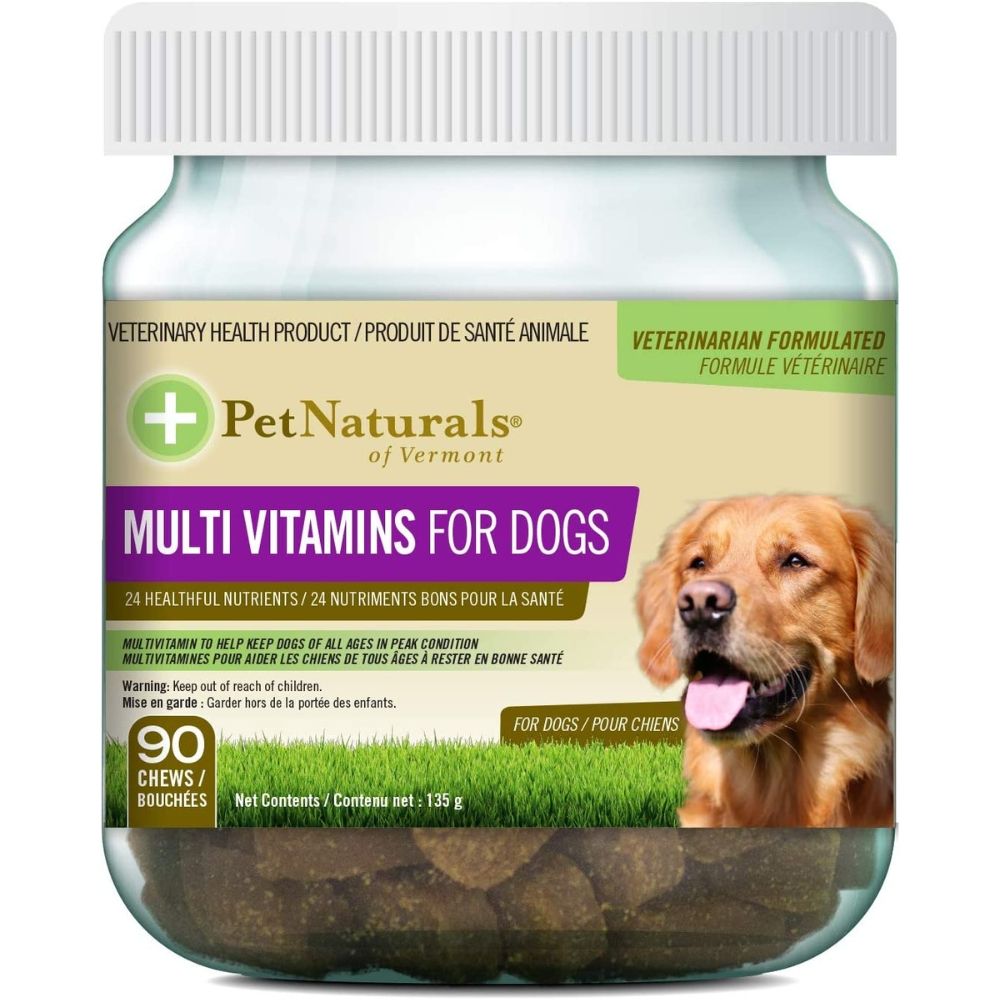
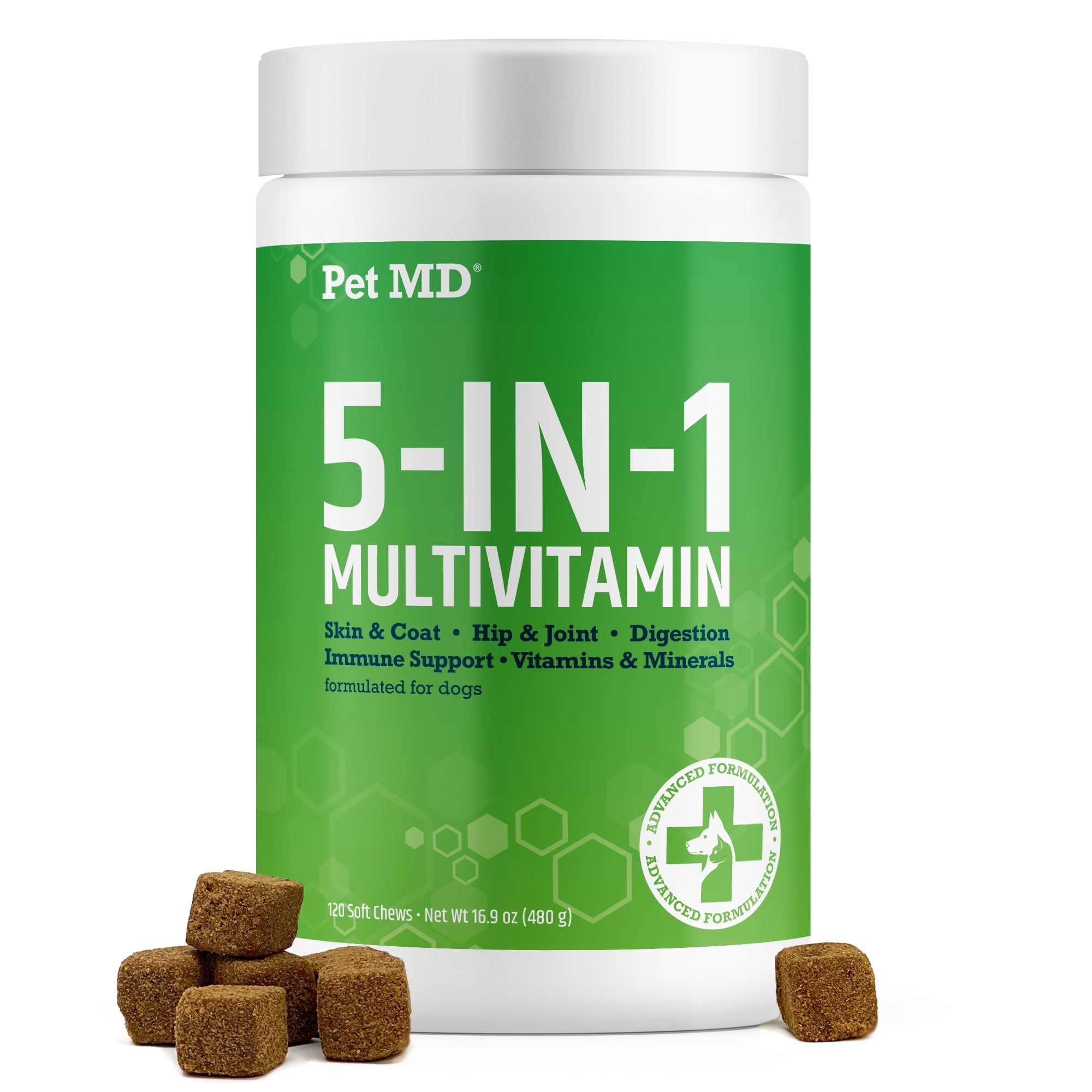
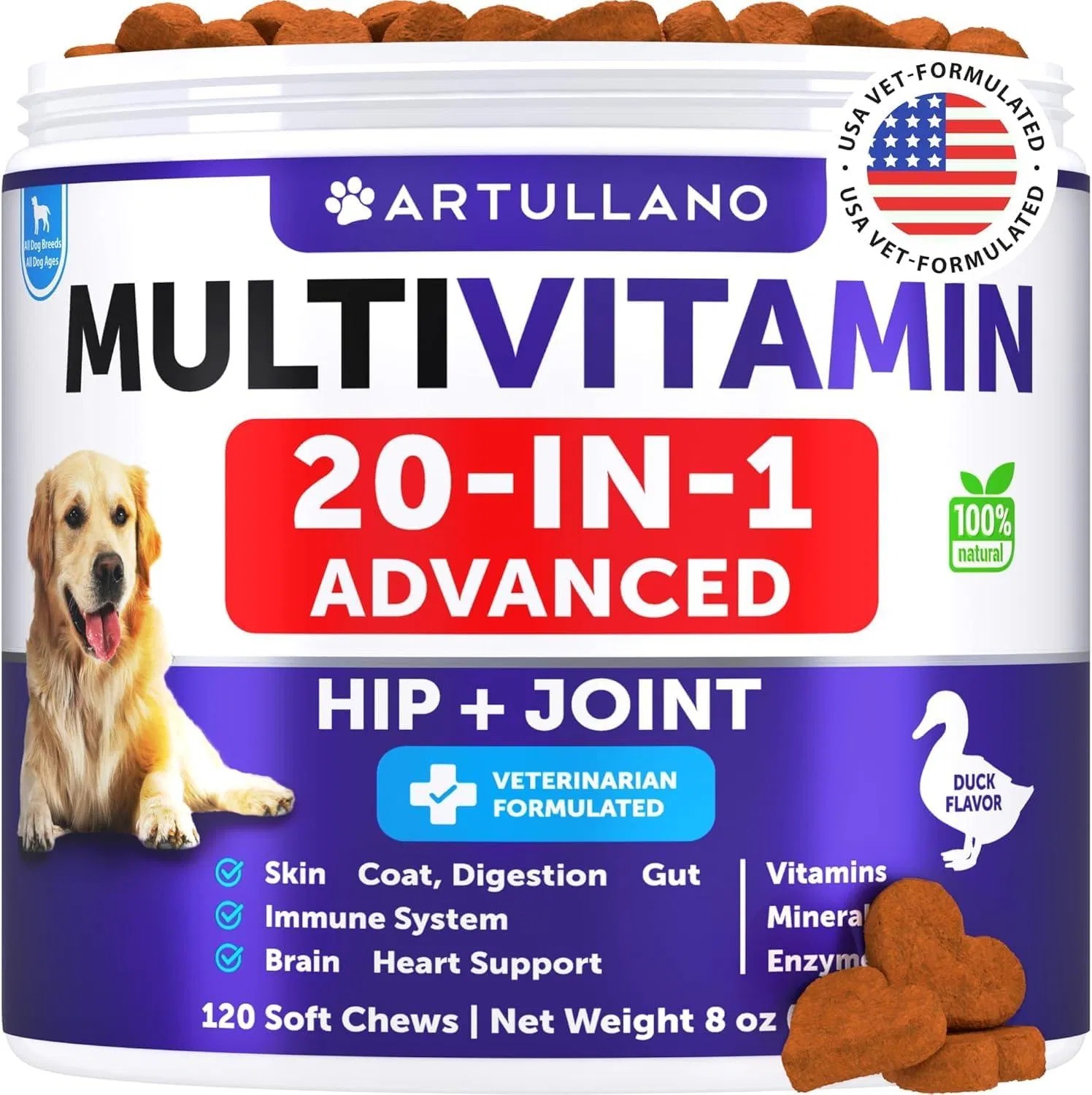
When selecting a multi vitamin for dogs, it is important to prioritize high-quality, reputable brands. Products should clearly list all ingredients and their quantities, and ideally, be manufactured in facilities that adhere to good manufacturing practices (GMP). The formulation should be appropriate for the dog’s age, size, and activity level. Avoid generic human multi-vitamins, as canine nutritional needs differ significantly from human needs, and some human-grade ingredients can be toxic to dogs.
Proper administration of the multi vitamin is also key. Follow the dosage instructions provided by the manufacturer or, preferably, the veterinarian. Supplements come in various forms, including chewable tablets, soft chews, powders, and liquids, allowing pet owners to choose a format that is easiest for the dog to accept. Mixing powders or liquids with food can be an effective method.
Finally, consistent monitoring of the dog’s response is vital. Observe for any positive changes in coat quality, energy levels, appetite, or overall demeanor. Equally important is watching for any adverse reactions, such as digestive upset or allergic responses, and reporting these to the veterinarian immediately. A multi vitamin for dogs should always be viewed as a complement to a balanced diet, not a substitute.
When Professional Help May Be Needed
While the decision to introduce a multi vitamin for dogs can often be part of a proactive health strategy, certain situations explicitly call for professional veterinary intervention. The most fundamental need for professional help arises before starting any new supplement regimen. A veterinarian’s expertise is crucial to determine if a multi vitamin is genuinely necessary, to avoid potential over-supplementation which can be harmful, or to prevent interactions with existing medications or health conditions.
Professional veterinary consultation is also essential if a dog exhibits persistent or worsening signs of nutrient deficiency, despite dietary adjustments or initial attempts at supplementation. Symptoms such as severe lethargy, chronic digestive issues, significant weight loss, or persistent skin and coat problems warrant a thorough diagnostic workup by a veterinarian to rule out underlying medical conditions that might mimic nutritional deficiencies.
For dogs with pre-existing health conditions, such as kidney disease, liver disease, or certain metabolic disorders, careful veterinary oversight is critical. The balance of vitamins and minerals can significantly impact these conditions, and a veterinarian can recommend specific formulations or advise against certain supplements to prevent exacerbating health issues.
In the rare event of a suspected overdose or an adverse reaction to a multi vitamin, immediate professional help is paramount. Symptoms such as vomiting, diarrhea, tremors, or unusual behavior after administration should prompt an emergency veterinary visit. Professional guidance ensures that supplement use is not only beneficial but also safe for the canine companion.
Conclusion
Understanding the role and application of a multi vitamin for dogs is a crucial aspect of responsible pet ownership. While a well-formulated, complete, and balanced diet remains the cornerstone of canine nutrition, multi-vitamins can serve as valuable tools to address specific needs arising from life stages, health conditions, or dietary gaps. The decision to incorporate a multi vitamin for dogs should always be made in close consultation with a veterinarian, ensuring the supplement is appropriate, safe, and tailored to the individual dog’s requirements. By maintaining awareness of a dog’s physical and behavioral cues, observing dietary intake, and seeking professional guidance when necessary, pet owners can effectively support their canine companions’ vitality, immune function, and overall long-term health. A proactive and informed approach to nutrition, including the judicious use of a multi vitamin for dogs, significantly contributes to a happy and healthy life for valued animal companions.
Pet Care & Wellness Overview Table
| Life Stage | Daily Activity Level | Key Nutrition / Care Focus |
|---|---|---|
| Puppy / Kitten | High (frequent short bursts) | High-protein growth diet & early socialization |
| Adult Companion | Moderate (30–60 mins daily) | Balanced maintenance nutrition & dental hygiene |
| Senior Pets | Low to Gentle (mindful walks) | Joint support (Glucosamine) & routine vet checks |
Images References




For more expert pet care tips and advice, check out our dedicated Dog Health guides to keep your companions healthy and happy.




