

Understanding why a young adolescent canine vocalizes is essential for restoring household peace and strengthening the human-animal bond.
According to the American Kennel Club, adolescence in dogs typically begins around six months of age and brings significant hormonal, structural, and behavioral shifts. During this transitional phase, households often experience a sudden spike in vocal communication. When a canine enters the seven-month mark, vocalizing becomes a frequent point of frustration for human companions. Many caregivers wonder why a previously quiet or predictable companion suddenly starts expressing every minor desire through high-pitched sounds. Addressing this behavior requires looking past the annoyance and examining the underlying motivations driving the noise.
💡 Pet Care Key Takeaways:
- Core Focus: Practical health, nutrition, and wellness guidelines for My 7 Month Old Puppy Whines.
- Target Scope: Pet owners, animal caregivers, and veterinary support staff.
- Best Recommendation: Maintain consistent daily routines and consult an accredited veterinarian before introducing major diet or medical changes.
Vocalizing at seven months old is a primary form of adolescent communication driven by unmet physical, emotional, or environmental needs.
Adolescent vocalization is rarely random; instead, it serves as a functional tool for a growing animal trying to navigate its changing world. In professional practice, observing dogs in clinical and training environments reveals that vocal patterns often shift drastically around the half-year mark. While puppyhood whimpering usually signals basic needs like warmth, milk, or maternal comfort, older adolescent vocalization expands significantly. Canines at this age frequently voice frustration, boredom, excitement, or confusion regarding newly established household rules. Furthermore, physiological changes, such as the onset of sexual maturity or the discomfort of adult teeth fully settling into the jaw, can trigger discomfort that manifests as persistent whining. For more related activities, check out our Dog Unusual Behavior.
Ignoring the root causes of adolescent vocalization can inadvertently reinforce the noise and create long-term behavioral habits that are difficult to break.
Failing to identify why an adolescent canine makes noise often leads to chronic stress for both the animal and the household. When humans accidentally reward vocalizations by offering attention, food, or open doors immediately after a noise occurs, the animal learns that whining acts as a successful remote control. In the field of professional dog training, it is common to see well-meaning owners reinforce the exact behavior they wish to eliminate simply by reacting too quickly. Beyond the immediate disruption to daily life, unaddressed emotional distress or pent-up physical energy can escalate into destructive chewing, pacing, or separation-related anxiety. Understanding these impacts highlights the importance of proactive guidance rather than reactive punishment.
Adolescent dogs undergoing behavioral shifts require structured mental stimulation alongside physical exercise to reduce stress-induced vocalizations. — American Kennel Club
Managing and reducing adolescent vocalizations involves a combination of environmental enrichment, positive reinforcement, and consistent boundary setting.
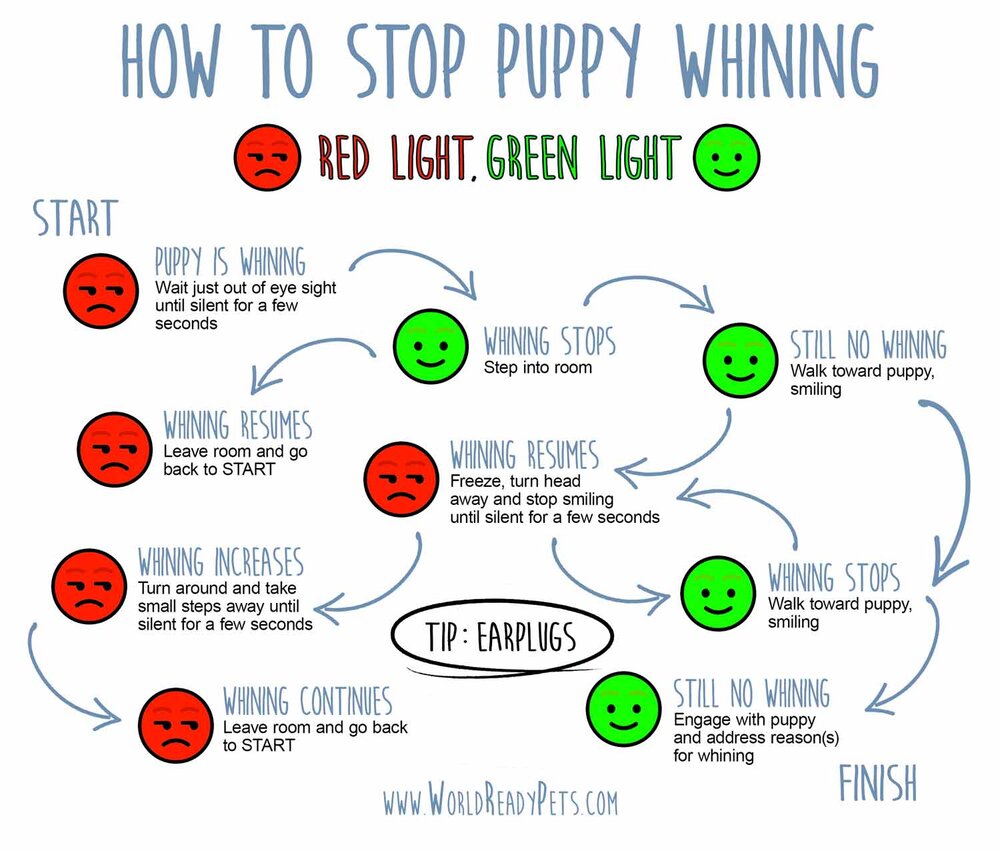
Managing this phase successfully requires teaching the growing animal alternative ways to ask for attention or resources. Establishing a predictable daily routine helps reduce the anxiety that often fuels chronic whining. When the animal remains quiet, caregivers should immediately reward that calm state with quiet praise, a small treat, or gentle petting, thereby teaching the dog that silence is far more rewarding than noise. Additionally, incorporating puzzle toys, snuffle mats, and structured scent games into the daily schedule helps burn off excess mental energy that might otherwise emerge as vocal frustration.
Avoiding common training pitfalls ensures that communication remains clear and effective during the adolescent developmental window.
Consistency is the cornerstone of successful behavior modification, yet many well-intentioned caregivers unintentionally send mixed signals. One major mistake involves shouting or scolding the vocalizing animal; to an adolescent canine, even negative attention like yelling can feel like a reward, encouraging the noise to continue. Another frequent error is giving in to demands after a long bout of whining, which teaches the animal that persistence eventually pays off. Maintaining a calm, neutral demeanor while withholding attention until complete silence is achieved establishes clear expectations without creating fear or confusion.
Positive reinforcement training methods build trust and effective communication between dogs and their human companions during developmental milestones. — Association of Professional Dog Trainers
Pet Care & Wellness Overview Table
| Life Stage | Daily Activity Level | Key Nutrition / Care Focus |
|---|---|---|
| Puppy / Kitten | High (frequent short bursts) | High-protein growth diet & early socialization |
| Adult Companion | Moderate (30–60 mins daily) | Balanced maintenance nutrition & dental hygiene |
| Senior Pets | Low to Gentle (mindful walks) | Joint support (Glucosamine) & routine vet checks |
Images References






Breed, size, and individual temperament heavily influence how intensely and frequently an adolescent canine will vocalize.
Every individual animal processes the developmental milestones of youth through the lens of its genetic heritage and unique personality. Working and herding breeds, originally bred to communicate closely with human handlers, often possess a higher baseline vocal tendency than independent guardian or companion types. High-energy sporting dogs might express their frustration much louder when under-exercised compared to more laid-back couch-oriented breeds. Recognizing these innate traits prevents unrealistic expectations and allows caregivers to tailor their management strategies to suit the specific physical and mental profile of their growing companion.
Consulting a professional veterinarian or certified behaviorist becomes necessary when vocalizations stem from underlying medical pain or severe anxiety.
While most adolescent vocal behavior responds well to consistent training and environmental management, certain situations require expert intervention. Persistent, inconsolable whining can sometimes indicate hidden physical discomfort, gastrointestinal upset, or neurological issues that require a thorough veterinary examination. For behavior issues involving severe fear, panic, or aggression, caregivers should consult a certified professional dog trainer or veterinary behaviorist for specialized support, avoiding outdated punitive techniques. Guidance on proper care practices can be found through resources dedicated to Dog Care and foundational Dog Behavior principles.
Navigating the vocal adolescent phase requires immense patience, steady consistency, and a willingness to understand the world from the perspective of a growing animal. By addressing the root causes of communication rather than just reacting to the noise, households can guide their young companions safely through this transitional period. To explore further resources on keeping your companion healthy and happy, visit PetsAnimalsWorld.com, where expert insights across Dog Training and Dog Health support every stage of the journey.




