Introduction
Understanding the nutritional needs of canine companions is a fundamental aspect of responsible pet ownership. The concept of “natural dog food supplements” refers to dietary additions derived from whole foods, plants, and other organic sources, designed to complement a dog’s regular diet and support specific health functions. These supplements are not intended to replace a balanced diet but rather to fill potential nutritional gaps or address particular health challenges that may arise due to age, breed, lifestyle, or existing conditions. By integrating carefully selected natural supplements, owners can proactively enhance a dogs well-being, support various bodily systems, and contribute to an improved quality of life. This approach emphasizes preventive care and targeted support, empowering owners to make informed decisions for their dogs sustained vitality. Explore more in our Dog Nutrition collection.
💡 Pet Care Key Takeaways:
- Core Focus: Practical health, nutrition, and wellness guidelines for Natural Dog Food Supplements.
- Target Scope: Pet owners, animal caregivers, and veterinary support staff.
- Best Recommendation: Maintain consistent daily routines and consult an accredited veterinarian before introducing major diet or medical changes.
Common Causes and Key Factors
The consideration of natural dog food supplements often stems from several underlying factors related to canine health and nutrition. Even premium commercial dog foods, while formulated for general well-being, may not always cater to every individual dog’s unique requirements. For more related activities, check out our “Fortiflora” And “Gut Health”.
One primary factor is the presence of dietary gaps. The processing of commercial pet foods, including heat treatment, can sometimes diminish the bioavailability of certain vitamins, minerals, and enzymes. Furthermore, a dog’s specific life stage or activity level can create varying nutritional demands that a standard diet might not fully meet. Discover more free resources across our collection library.
Age-related needs play a significant role. Puppies have different requirements for growth and development, while senior dogs often benefit from support for joint health, cognitive function, and immune system strength. Similarly, breed-specific predispositions mean that certain breeds may be more prone to particular health issues, such as large breeds to joint problems or certain breeds to skin sensitivities, necessitating targeted nutritional support.
Lifestyle factors also contribute. Highly active dogs, working dogs, or those engaging in strenuous exercise burn more calories and utilize nutrients at a faster rate, potentially requiring additional support for energy, recovery, and joint health. Environmental stressors, including pollutants or seasonal allergies, can also place extra demands on a dog’s immune system and overall vitality, making supplemental support beneficial.
Lastly, a desire for proactive health optimization motivates many owners. Rather than waiting for health issues to manifest, many choose to incorporate natural supplements as a preventative measure to maintain optimal health and potentially mitigate future problems, supporting systems like digestion, skin and coat health, and overall immunity.
Signs and Symptoms to Observe
Observing a dogs physical condition and behavior can provide valuable clues about their health and potential need for nutritional support. While these signs do not exclusively indicate a supplement deficiency, they often point to areas where natural dog food supplements might offer beneficial support.
Coat and skin issues are frequently among the first visible indicators. A dull, dry, or brittle coat, excessive shedding outside of seasonal changes, flaky skin, or persistent itching can suggest a need for omega-3 fatty acids or other skin-supporting nutrients.
Digestive upset is another common sign. Intermittent loose stools, constipation, excessive gas, or changes in appetite could indicate an imbalance in gut flora or a need for digestive enzymes or probiotics. Such symptoms suggest the digestive system may not be functioning optimally in nutrient absorption.
Lethargy or reduced activity levels may signal a deficiency in overall vitality or joint discomfort. A dog that is less enthusiastic about walks, plays less, or appears stiff after rest, particularly older dogs, might benefit from joint support supplements like glucosamine and chondroitin. These signs can vary significantly with age and breed; for example, a highly energetic breed showing reduced activity might be more concerning than a naturally sedentary breed.
Immune system weakness can manifest as a susceptibility to frequent minor illnesses, slow recovery from ailments, or persistent low energy. Natural immune boosters, such as certain vitamins or herbal extracts, might be considered in such cases.
In older dogs, cognitive decline may present as disorientation, altered sleep-wake cycles, or changes in interaction with family members. Supplements supporting brain health, like omega-3s, can sometimes aid in maintaining cognitive function.
It is important to remember that these observable signs can also be indicative of underlying medical conditions. Therefore, thorough observation and, if necessary, veterinary consultation are crucial steps before implementing significant dietary changes or supplement regimens.
Practical Solutions and Management Strategies
Integrating natural dog food supplements into a canines diet requires a thoughtful and informed approach to ensure maximum benefit and safety. The selection and administration of these supplements are key to effective management.
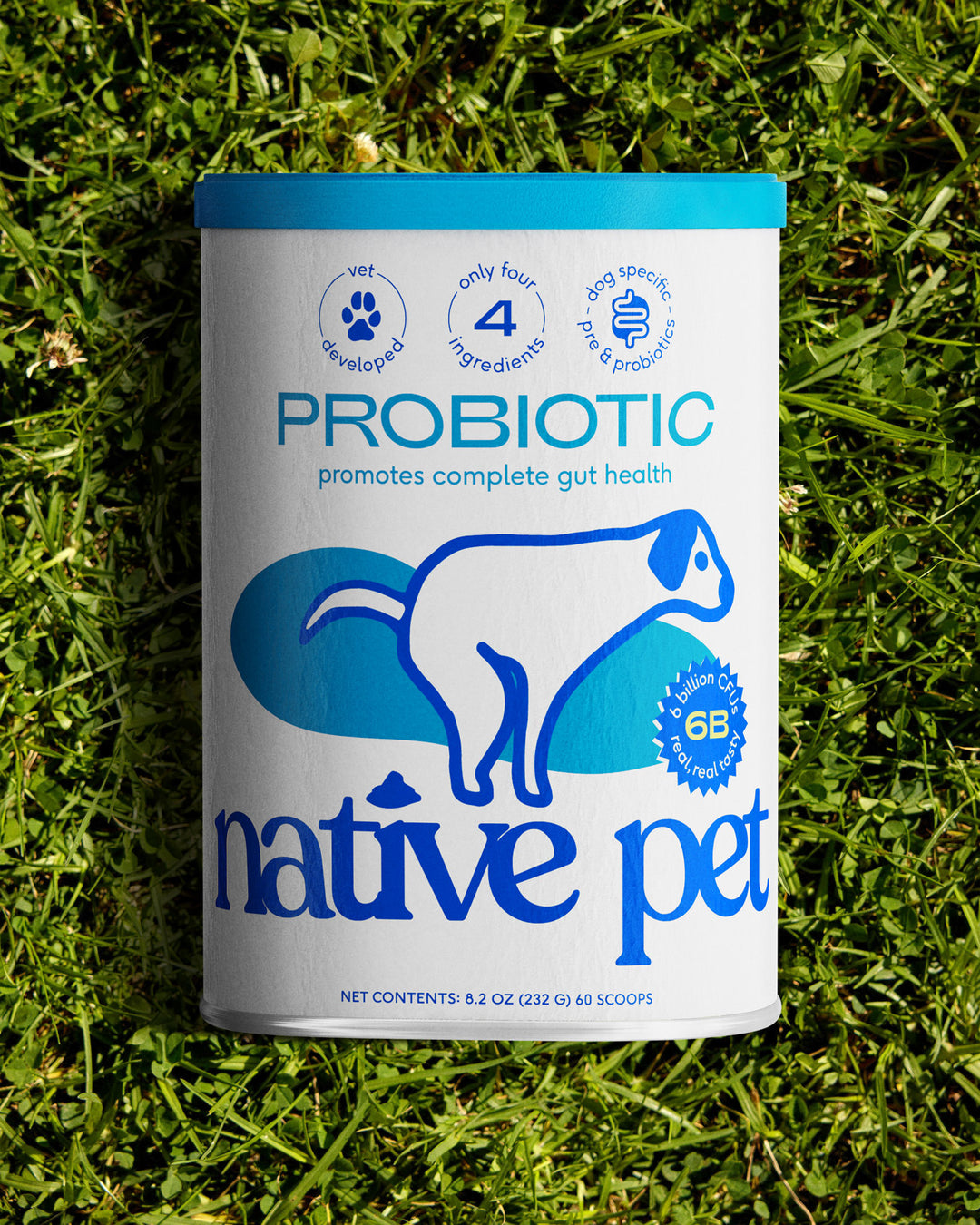
Thorough research and selection are paramount. Owners should seek out reputable brands that provide transparency regarding their ingredient sourcing, manufacturing processes, and third-party testing for purity and potency. Understanding the specific benefits of common natural ingredients is also crucial; for instance, glucosamine and chondroitin are often chosen for joint health, omega-3 fatty acids for skin, coat, and cognitive function, and probiotics for digestive support. Turmeric, spirulina, and various vitamins and minerals also offer a range of health benefits.
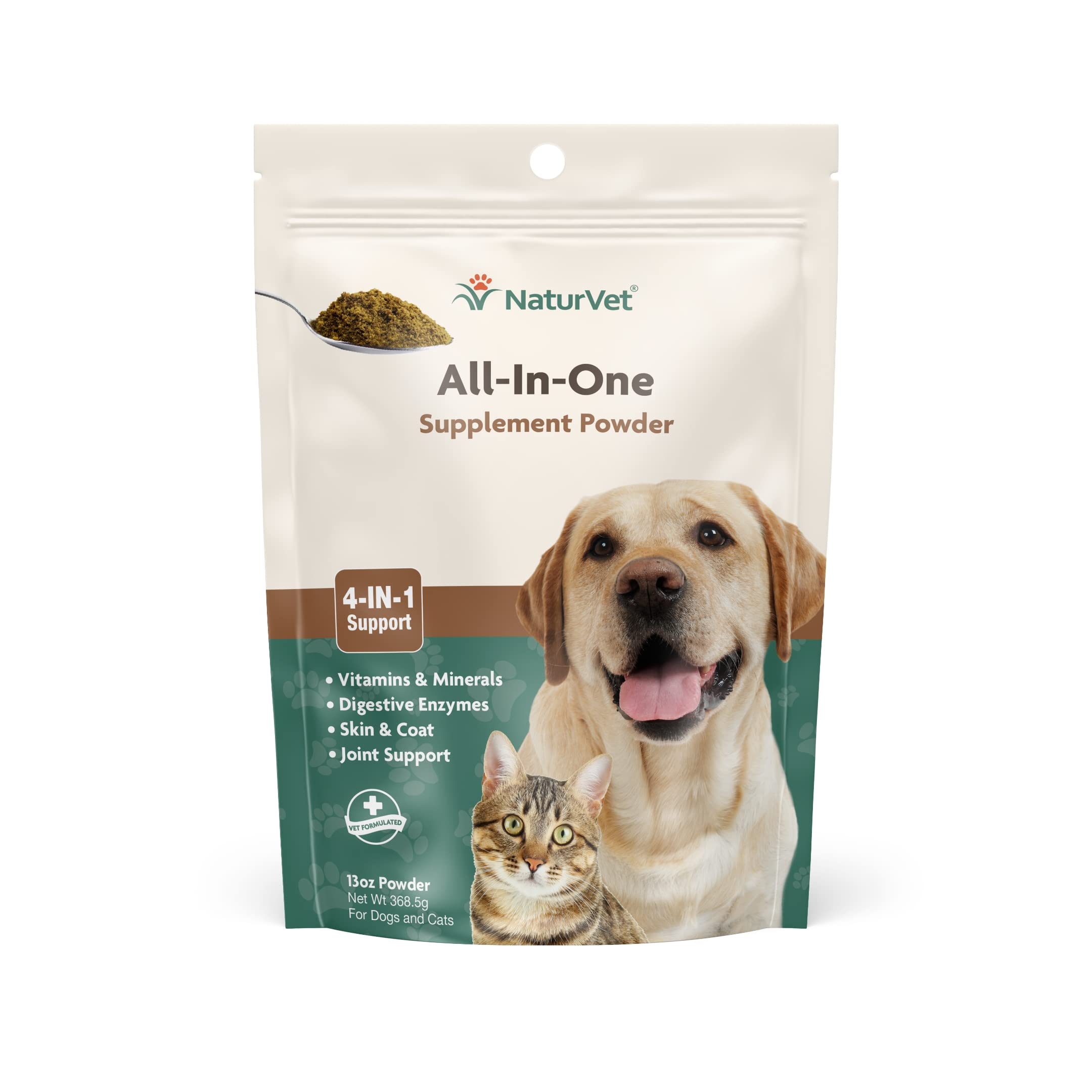
Once a suitable supplement has been chosen, adhering to recommended dosages and administration guidelines is essential. Dosages are typically based on a dog’s weight, and exceeding these recommendations can be counterproductive or even harmful. Supplements often come in various forms, such as powders, chews, or liquids, allowing owners to choose the most convenient method for their dog’s acceptance. Integration into daily meals, by mixing powders with food or offering chews as treats, ensures consistent intake.
Monitoring effects and maintaining patience are critical components of any supplement regimen. Natural supplements often require time to show noticeable results, sometimes several weeks or even months. Owners should observe for positive changes in the specific areas the supplement is intended to support, such as improved coat luster, more consistent stool quality, or increased mobility. Any adverse reactions, however minor, should prompt a cessation of the supplement and a review of the product or dosage.
It is also advisable to periodically review the dog’s overall diet. Ensuring the base diet is high-quality and appropriate for the dog’s life stage and health status before adding supplements provides a strong nutritional foundation. Supplements should complement, not compensate for, a poor diet. Combining a well-chosen natural supplement with an excellent base diet, consistent observation, and a patient approach forms a robust strategy for enhancing a dog’s health.
When Professional Help May Be Needed
While natural dog food supplements can offer significant support for canine health, recognizing when to consult a veterinary professional is a crucial aspect of responsible pet care. Supplements are not a substitute for veterinary diagnosis or treatment.
Persistent or worsening symptoms are a primary indicator for professional consultation. If a dog’s health concerns, such as chronic digestive issues, severe skin problems, lameness, or significant behavioral changes, do not improve with dietary adjustments or the introduction of supplements, or if they worsen, a veterinarian should be seen promptly. These symptoms could point to underlying medical conditions that require specific diagnostic tests and prescribed treatments.
Before starting supplements for specific conditions, particularly those that are chronic or severe, veterinary guidance is highly recommended. A veterinarian can offer tailored advice on the most appropriate types and dosages of supplements based on the dog’s specific health profile, existing medications, and potential interactions. This is especially important for conditions like diabetes, kidney disease, or certain autoimmune disorders.
Suspected adverse reactions to any supplement should immediately lead to discontinuation of the product and a veterinary visit. Signs such as vomiting, diarrhea, lethargy, or allergic reactions after starting a new supplement warrant professional attention.
Furthermore, if a dog is already receiving multiple medications, discussing any new supplements with a vet is essential to avoid potential drug interactions. A veterinarian can also help develop a comprehensive, tailored nutritional plan for dogs with complex health needs or those requiring specific therapeutic diets. Prioritizing professional veterinary advice ensures that any supplement regimen is safe, effective, and truly beneficial for the individual dog.
Conclusion
Natural dog food supplements represent a valuable avenue for enhancing and maintaining the health of canine companions. Their role lies in complementing a balanced diet, addressing specific nutritional needs, and providing targeted support for various bodily functions, from joint mobility and digestive health to skin vitality and immune strength. The informed selection and responsible integration of these supplements, guided by an understanding of a dog’s individual requirements and observable health indicators, can significantly contribute to their overall well-being.
Owners are encouraged to approach the use of natural supplements with diligent research, careful observation, and a commitment to professional consultation when warranted. Recognizing the signs that suggest a dog might benefit from supplemental support, alongside understanding when a veterinary diagnosis is necessary, ensures a comprehensive and proactive approach to care. By making educated choices and partnering with veterinary professionals, owners can empower their dogs to lead healthier, more vibrant lives, reinforcing the commitment to exemplary pet care that defines petsanimalsworld.com.
Pet Care & Wellness Overview Table
| Life Stage | Daily Activity Level | Key Nutrition / Care Focus |
|---|---|---|
| Puppy / Kitten | High (frequent short bursts) | High-protein growth diet & early socialization |
| Adult Companion | Moderate (30–60 mins daily) | Balanced maintenance nutrition & dental hygiene |
| Senior Pets | Low to Gentle (mindful walks) | Joint support (Glucosamine) & routine vet checks |
Images References