
Introduction
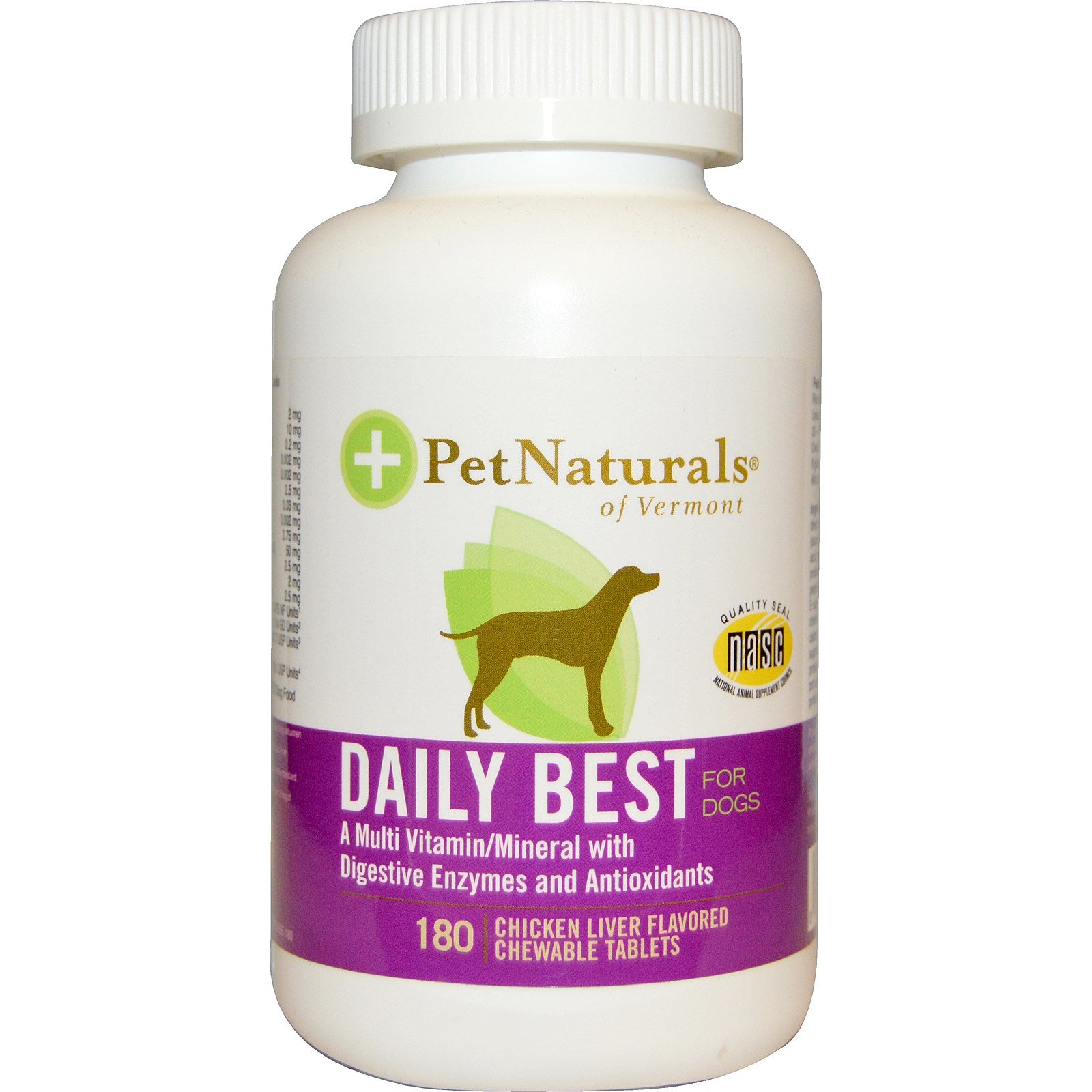
Understanding the intricate nutritional needs of canine companions is fundamental to their long-term health and vitality. The term “natural dog vitamins and minerals” refers to the essential micronutrients derived from whole food sources or naturally occurring compounds that support a dog’s physiological functions. These vital substances play a critical role in everything from bone development and immune response to energy metabolism and coat health. While high-quality commercial dog foods aim to provide a complete and balanced diet, there are specific circumstances, such as particular life stages, underlying health conditions, or certain dietary approaches, where a dog’s requirements for these natural nutrients may necessitate closer attention. Recognizing the importance of these natural elements can empower owners to make informed decisions that significantly enhance a dogs well-being, optimize their physical health, and contribute to an improved quality of life.
💡 Pet Care Key Takeaways:
- Core Focus: Practical health, nutrition, and wellness guidelines for Natural Dog Vitamins And Minerals.
- Target Scope: Pet owners, animal caregivers, and veterinary support staff.
- Best Recommendation: Maintain consistent daily routines and consult an accredited veterinarian before introducing major diet or medical changes.
Common Causes and Key Factors
Several factors can influence a dog’s need for natural vitamins and minerals, ranging from dietary choices to individual physiological demands. A primary cause of potential nutrient gaps often stems from dietary imbalances. While many commercial kibbles are formulated to meet AAFCO standards, the bioavailability and specific nutrient profiles can vary. Moreover, homemade or raw diets, if not meticulously balanced by a veterinary nutritionist, frequently fall short of providing all essential vitamins and minerals in adequate amounts. The cooking process itself can degrade certain heat-sensitive nutrients in some homemade preparations. For more related activities, check out our Pitbullnutrition.
Specific life stages impose varying nutritional demands. Growing puppies require higher levels of calcium and phosphorus for bone development, as well as an array of vitamins for rapid growth. Pregnant and lactating dogs experience significantly increased metabolic demands, necessitating elevated nutrient intake to support both the mother and developing offspring. Senior dogs, often facing reduced appetite, compromised digestion, or age-related conditions, may struggle with nutrient absorption, making natural supplementation beneficial.
Underlying health conditions can also impact a dog’s vitamin and mineral status. Gastrointestinal disorders, such as inflammatory bowel disease or chronic pancreatitis, can impair the absorption of crucial nutrients. Chronic illnesses or stress can increase oxidative stress, heightening the need for antioxidant vitamins like C and E. Furthermore, certain medications can interfere with nutrient absorption or increase excretion.
Breed-specific predispositions represent another key factor. Some breeds are genetically prone to certain conditions that benefit from specific nutrient support, while others may have unique metabolic pathways requiring careful dietary management. For instance, large breeds are susceptible to orthopedic issues, often benefiting from appropriate mineral ratios for joint health.
Signs and Symptoms to Observe
Observable signs and behavioral indicators can often signal a dog’s potential deficiency or imbalance in natural vitamins and minerals. Recognizing these symptoms early allows for timely intervention and professional consultation.
One of the most noticeable indicators relates to coat and skin health. A dull, dry, brittle coat, excessive shedding unrelated to seasonal changes, flaky skin, or recurring skin infections can point to deficiencies in essential fatty acids, B vitamins, or minerals like zinc. Poor wound healing is another potential sign.
Changes in energy levels and vitality are also significant. Lethargy, reduced stamina during exercise, an unusual reluctance to play, or general weakness can suggest a lack of energy-supporting nutrients like B vitamins or iron. Conversely, some imbalances can lead to restlessness.
Digestive disturbances may indicate issues with nutrient absorption or dietary completeness. Chronic diarrhea, constipation, poor appetite, unexplained weight loss, or even pica (the eating of non-food items) can sometimes be linked to mineral deficiencies, such as iron or calcium.
Musculoskeletal issues, especially in growing puppies or senior dogs, can point to imbalances in calcium, phosphorus, or vitamin D. Signs might include lameness, stiff gait, reluctance to move, or poor bone development.
A compromised immune system, evidenced by frequent infections, slow recovery from illness, or recurring skin allergies, can be exacerbated by insufficient intake of immune-boosting vitamins (like C and E) and minerals (like zinc and selenium).
Finally, behavioral changes such as increased irritability, anxiety, or unusual destructive tendencies can occasionally be subtle indicators of nutritional deficiencies affecting neurological function. The manifestation of these signs can vary considerably based on the dog’s age, breed, the specific nutrient involved, and the severity and duration of the deficiency.
Practical Solutions and Management Strategies
Managing and improving a dog’s intake of natural vitamins and minerals primarily revolves around optimizing dietary strategies and, where appropriate, judicious supplementation. The goal is to ensure a dog receives a complete spectrum of essential nutrients for thriving health.
The foundation of good canine nutrition is a high-quality, complete, and balanced commercial dog food. For most healthy adult dogs, a reputable brand formulated to meet AAFCO standards should provide all necessary nutrients. It is important to research brands, looking for those that conduct feeding trials and have strong quality control measures.
For owners who choose homemade or raw diets, professional guidance is indispensable. Consulting with a board-certified veterinary nutritionist is crucial to formulate recipes that are nutritionally complete and balanced, incorporating natural sources of vitamins and minerals to prevent deficiencies or excesses. These diets often require specific natural supplements to fill gaps that whole foods alone cannot reliably cover.
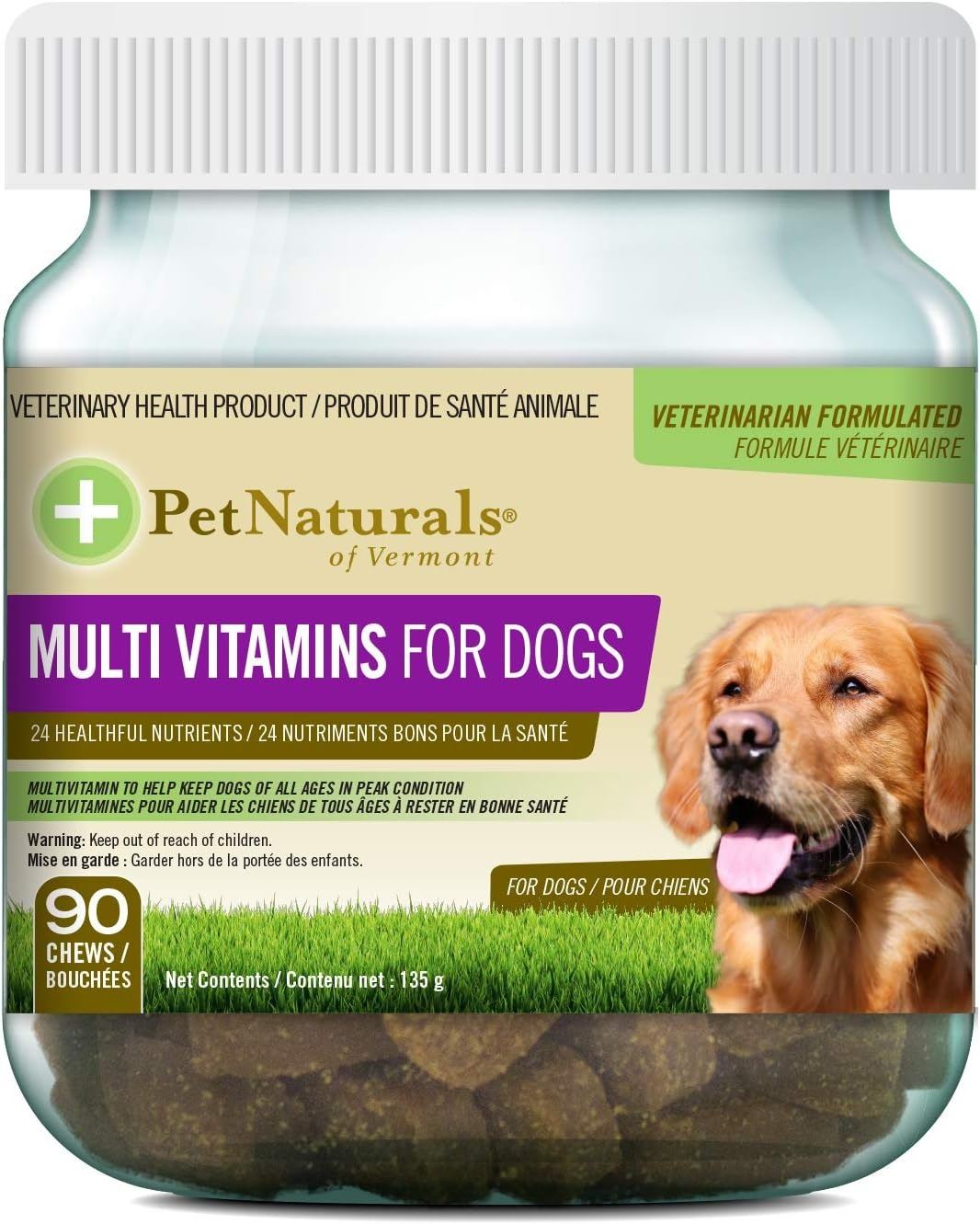
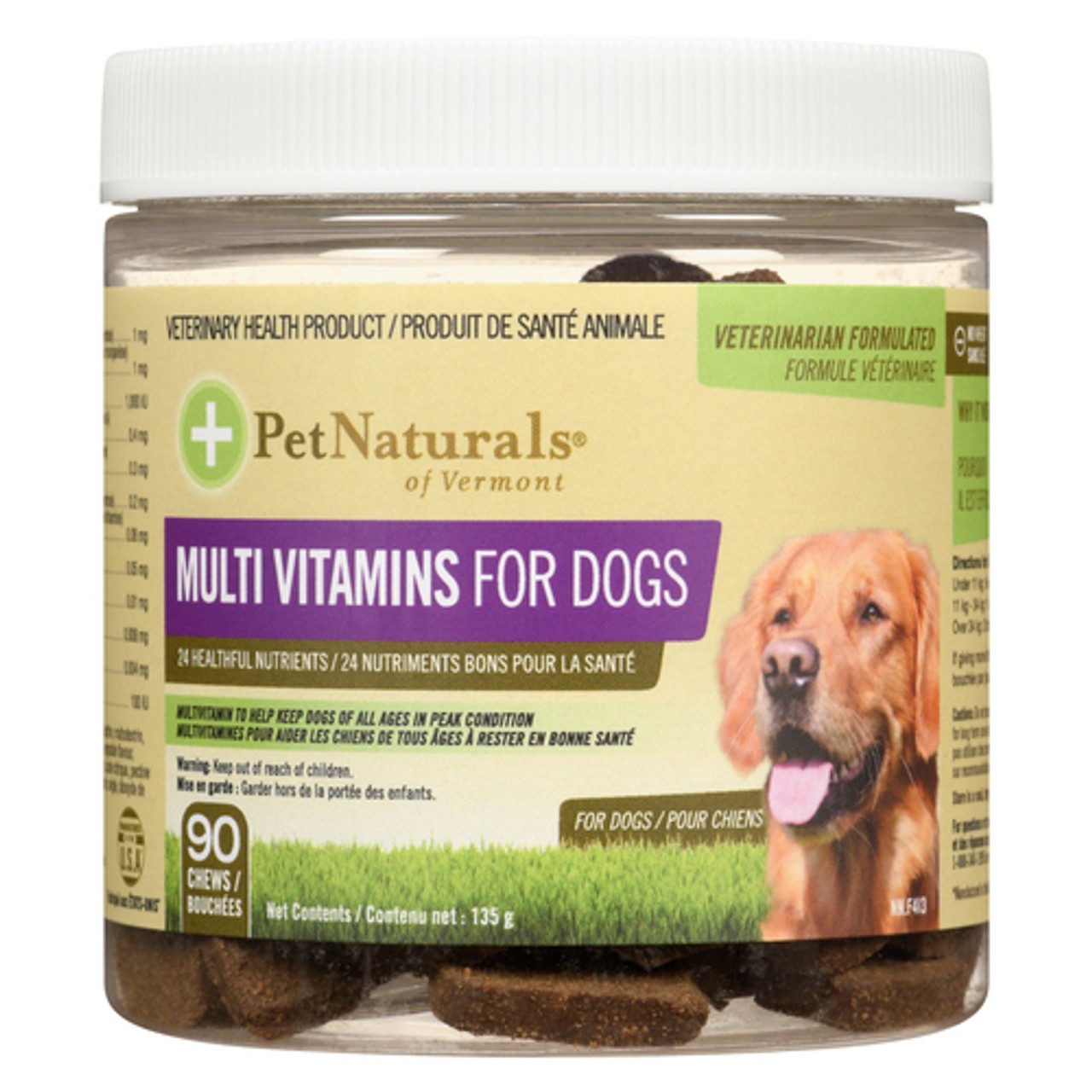
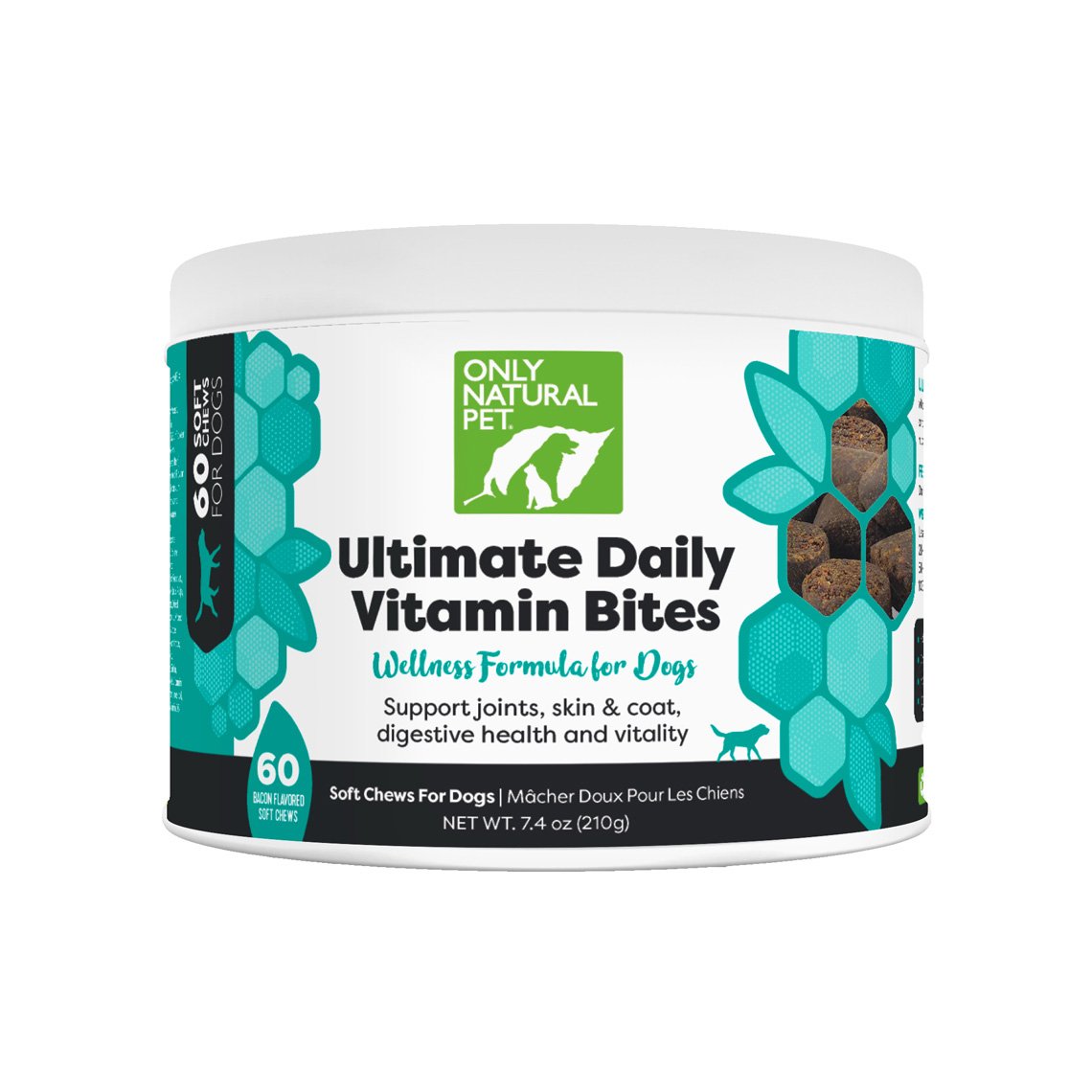
Targeted natural supplementation can be beneficial in certain situations. Multivitamins formulated specifically for dogs can offer broad support, particularly for dogs with increased needs or those on non-commercial diets. Specific natural supplements might include: Omega-3 Fatty Acids (e.g., fish oil): Crucial for skin, coat, joint, and brain health, often providing natural vitamin D and A. Joint Support (e.g., glucosamine, chondroitin): Though not vitamins or minerals themselves, these often work synergistically with nutrients like manganese and vitamin C for cartilage health. Probiotics and Prebiotics: Support gut health, which is vital for nutrient absorption. Antioxidants (e.g., Vitamin E, C, Selenium): Found naturally in certain fruits and vegetables, these combat oxidative stress. Whole Food Powders: Some natural supplements utilize powders made from nutrient-dense whole foods like spirulina, kelp, or specific berries to provide a broad spectrum of vitamins and minerals.
Incorporating small amounts of nutrient-dense whole foods into a dog’s diet, always with veterinary approval and in moderation, can also boost natural vitamin and mineral intake. Examples include cooked lean meats (iron, B vitamins), organ meats (vitamins A, D, B, iron, zinc), certain fruits (vitamin C, antioxidants) and vegetables (various vitamins and minerals).
Regular monitoring of a dog’s health, weight, and behavior is essential. Any changes should prompt a review of the diet and potential nutrient needs. When storing supplements, adherence to manufacturer instructions is important to maintain their potency and efficacy.
When Professional Help May Be Needed
While informed observation and basic dietary adjustments are valuable, there are specific circumstances where professional veterinary consultation is not just recommended, but often essential. A veterinarian’s expertise ensures that a dog’s nutritional strategy is both safe and effective, avoiding potential harm from self-diagnosis or inappropriate supplementation.
Professional help should be sought if a dog exhibits persistent or worsening symptoms despite diligent efforts to optimize the diet. Signs such as chronic lethargy, severe coat issues, ongoing digestive upset, unexplained weight changes, or noticeable behavioral shifts warrant a thorough veterinary examination. These symptoms could indicate a significant nutrient deficiency, an underlying medical condition masquerading as one, or even an excess of certain nutrients which can be just as detrimental.
For dogs with pre-existing health conditions , such as kidney disease, liver disease, diabetes, or severe allergies, dietary requirements are often complex and highly specific. Adding natural vitamins and minerals without professional guidance could interact negatively with medications or exacerbate their condition. A veterinarian can offer tailored advice and, if necessary, refer to a board-certified veterinary nutritionist.
When considering a transition to a homemade or raw diet , or if already feeding one, professional formulation is crucial. These diets carry a high risk of nutritional imbalance if not expertly designed. A veterinary nutritionist can create a balanced recipe specific to the dog’s needs, often including specific natural supplements to ensure completeness.
Before initiating any new supplement regimen , particularly those beyond a basic general multivitamin, consulting a veterinarian is advised. They can assess the dog’s overall health, current diet, and potential for nutrient interactions or toxicities, helping owners make informed decisions that support, rather than compromise, canine health. Diagnostic testing, such as blood work or urine analysis, may be recommended to accurately identify specific deficiencies or excesses.
Conclusion
The thoughtful integration of natural dog vitamins and minerals into a canine’s diet is a cornerstone of responsible pet ownership, significantly contributing to their overall health and longevity. These essential micronutrients, whether sourced from high-quality whole foods or carefully selected natural supplements, underpin every aspect of a dog’s physiological well-being, from robust immunity to vibrant energy levels. Recognizing the nuanced factors that influence a dog’s nutritional needs including life stage, activity level, and health status empowers owners to proactively support their companions. Vigilant observation for any signs of imbalance, coupled with a commitment to providing a complete and balanced diet, forms the bedrock of preventive care. When in doubt, or when addressing specific health concerns, collaboration with veterinary professionals ensures that nutritional strategies are appropriate, safe, and effective. By prioritizing awareness and consistent, informed care, dog owners can help their beloved pets enjoy a life filled with vitality and optimal health, enriching the bond shared for many years to come.
Pet Care & Wellness Overview Table
| Life Stage | Daily Activity Level | Key Nutrition / Care Focus |
|---|---|---|
| Puppy / Kitten | High (frequent short bursts) | High-protein growth diet & early socialization |
| Adult Companion | Moderate (30–60 mins daily) | Balanced maintenance nutrition & dental hygiene |
| Senior Pets | Low to Gentle (mindful walks) | Joint support (Glucosamine) & routine vet checks |
Images References






For more expert pet care tips and advice, check out our dedicated Dog Nutrition guides to keep your companions healthy and happy.




