

Introduction
Understanding the intricate nutritional needs of canine companions is paramount for responsible dog ownership. Within the realm of pet nutrition, “natural dog vitamins” represent a crucial category of supplements derived from whole food sources or naturally occurring compounds, designed to support and enhance a dogs overall health. These supplements address potential dietary gaps, bolster organ function, and contribute to vibrant energy levels. The concept becomes particularly relevant as modern dog diets, even high-quality commercial foods, may sometimes lack optimal levels of specific nutrients due to processing or individual canine requirements. A deeper comprehension of natural dog vitamins empowers dog owners to make informed choices, ensuring their furry friends receive the essential building blocks for a healthier, more active, and fulfilling life.
💡 Pet Care Key Takeaways:
- Core Focus: Practical health, nutrition, and wellness guidelines for Natural Dog Vitamins.
- Target Scope: Pet owners, animal caregivers, and veterinary support staff.
- Best Recommendation: Maintain consistent daily routines and consult an accredited veterinarian before introducing major diet or medical changes.
Common Causes and Key Factors
The necessity for natural dog vitamins often stems from several key factors impacting a dog’s nutritional status. Primary among these is the composition of a dogs daily diet. While commercial dog foods are formulated to be complete and balanced, the bioavailability and stability of certain nutrients can be compromised during manufacturing processes. This is especially true for highly processed kibbles, where heat and extrusion can degrade delicate vitamins and enzymes. For more related activities, check out our “Fortiflora” And “Gut Health”.
Another significant factor is the preparation of homemade diets. Unless meticulously formulated by a veterinary nutritionist, homemade meals, despite their wholesome ingredients, frequently lack the precise balance of essential vitamins and minerals, leading to potential deficiencies over time.
A dogs life stage and physiological condition also play a crucial role. Puppies and senior dogs often have unique nutritional demands; puppies require robust support for growth and development, while older dogs may experience reduced nutrient absorption, necessitating additional supplementation. Active or working dogs, as well as those recovering from illness or stress, also exhibit elevated nutrient requirements that a standard diet might not adequately meet. Furthermore, specific breeds can be predisposed to certain health conditions that benefit from targeted nutritional support, such as joint issues in large breeds or skin sensitivities in others. The quality and natural origin of these supplemental vitamins are prioritized for optimal absorption and synergy with the dogs biological systems.
Signs and Symptoms to Observe
Recognizing the signs and symptoms indicative of potential vitamin deficiencies or the need for nutritional support is critical for dog owners. Observable changes in a dog’s physical appearance and behavior often serve as early indicators. A dull, dry, or flaky coat, excessive shedding, or persistent skin irritations can suggest a lack of essential fatty acids and fat-soluble vitamins.
Lethargy, reduced stamina, or a general disinterest in activities that were once engaging might point to insufficient B vitamins, which are vital for energy metabolism. Digestive upset, such as intermittent diarrhea, constipation, or a poor appetite, can signal an imbalance in gut flora or a lack of specific digestive enzymes often found alongside natural vitamins.
Furthermore, a weakened immune response, evidenced by recurrent infections or slow wound healing, may indicate a deficiency in immune-supporting vitamins like Vitamin C and E. Joint stiffness, difficulty rising, or a reluctance to jump could highlight a need for nutrients that support cartilage and bone health. These signs can vary in intensity based on the dog’s age, breed, and the severity of the deficiency, underscoring the importance of careful, ongoing observation.
Practical Solutions and Management Strategies
Effectively integrating natural dog vitamins into a canine’s routine involves a strategic approach focused on dietary optimization and thoughtful supplementation. The first step involves a thorough assessment of the dogs current diet. Prioritizing high-quality, whole-food-based dog foods, ideally those with minimal processing, forms a strong nutritional foundation. These foods often retain more of their natural vitamin content.
Beyond commercial foods, incorporating select natural food sources can further enhance a dog’s vitamin intake. Small, veterinarian-approved portions of certain fruits and vegetables, such as blueberries for antioxidants or leafy greens for Vitamin K, can be beneficial. Lean meats and certain organ meats (in moderation) offer a rich source of B vitamins and other essential nutrients.
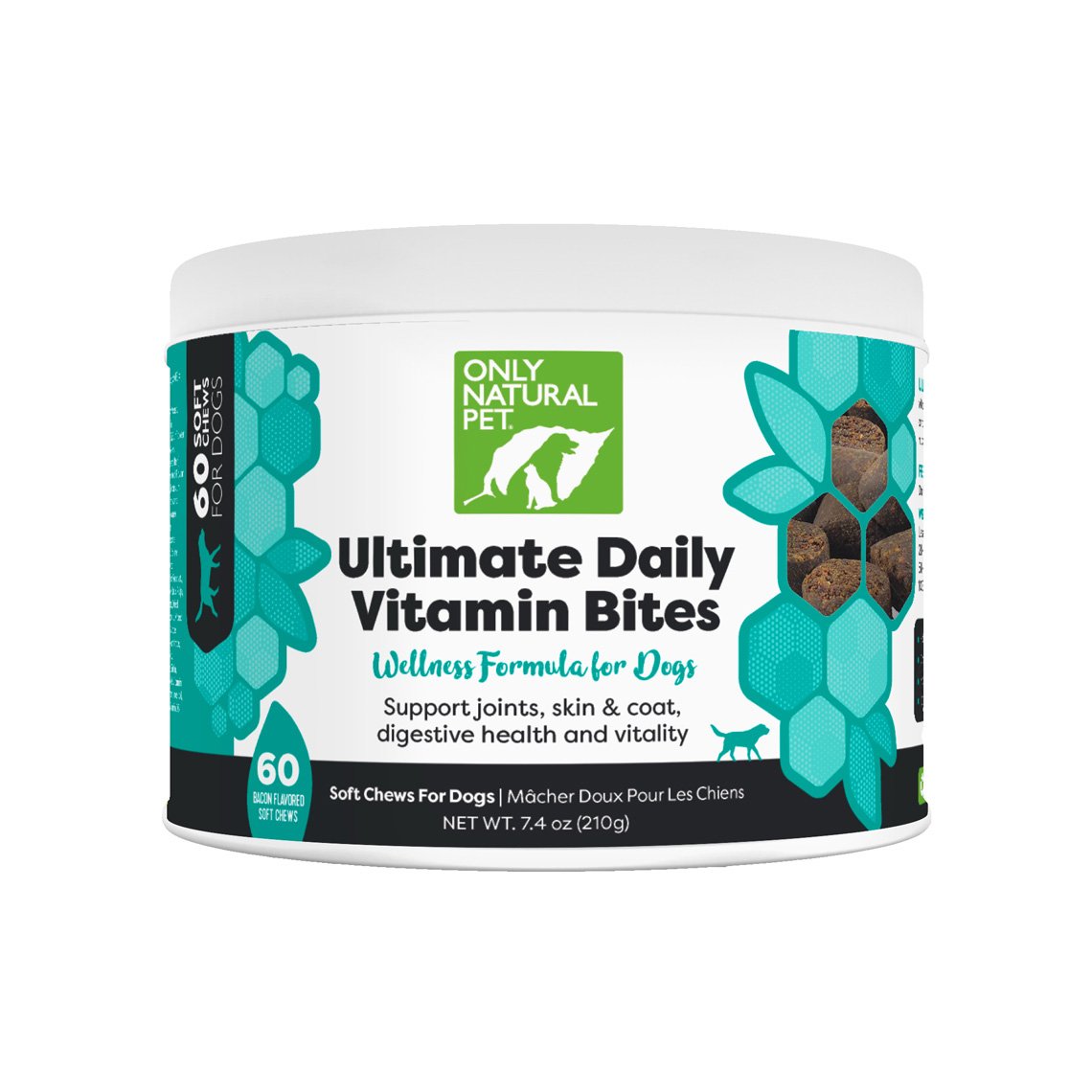
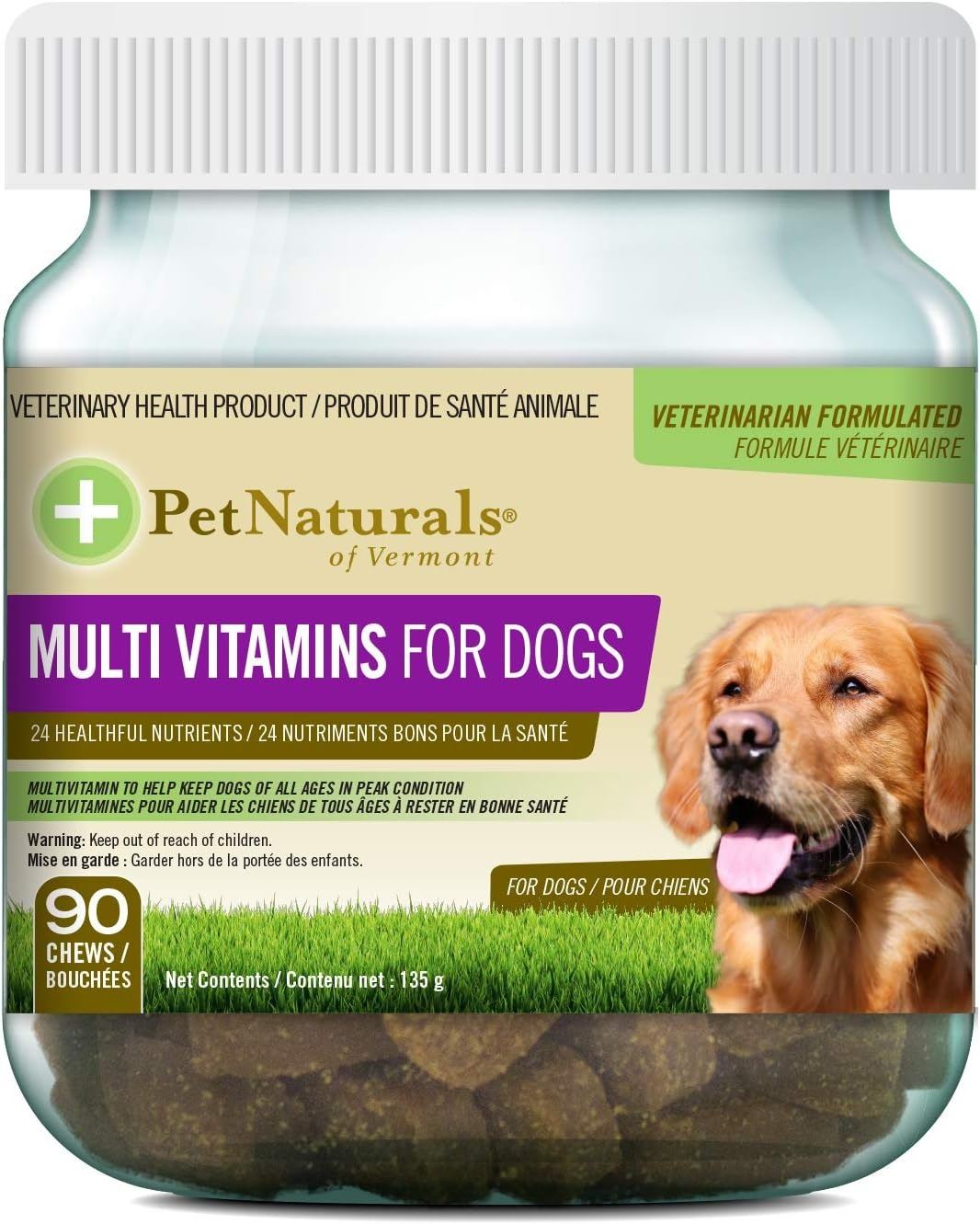
When selecting natural dog vitamin supplements, careful attention to product labels is essential. Look for supplements that list ingredients derived from whole foods, avoid unnecessary fillers, and provide clear indications of nutrient concentrations. Reputable brands often undergo third-party testing for purity and potency. Specific formulations can target different needs, such as joint support (glucosamine, chondroitin, Vitamin C), skin and coat health (omega-3 fatty acids, Vitamin E), or overall vitality (multivitamin blends). Adhering to recommended dosages based on a dog’s weight and specific needs, as advised by product guidelines or a veterinary professional, is crucial to prevent over-supplementation. Consistent administration and ongoing observation of the dog’s response will help determine the efficacy of the chosen regimen.
When Professional Help May Be Needed
While the integration of natural dog vitamins can be highly beneficial, there are critical junctures when professional veterinary consultation becomes indispensable. Before initiating any new vitamin regimen, especially for dogs with pre-existing health conditions or those on medication, a veterinarians guidance is crucial. A professional can accurately assess a dog’s nutritional status through physical examination and, if necessary, blood tests, identifying specific deficiencies or underlying health issues that might mimic a vitamin deficiency.
If observed signs and symptoms persist or worsen despite dietary adjustments and supplementation, this warrants immediate veterinary attention. These symptoms could be indicative of more serious medical conditions that require specialized diagnosis and treatment beyond nutritional support. Furthermore, determining appropriate dosages for specific vitamins, particularly fat-soluble ones like Vitamins A, D, E, and K, is best done under professional supervision, as excessive intake can lead to toxicity (hypervitaminosis). A veterinarian can provide tailored recommendations, ensuring the natural dog vitamins selected are appropriate for the individual dogs age, breed, lifestyle, and health status, optimizing benefits while minimizing risks.
Conclusion
The thoughtful incorporation of natural dog vitamins represents a proactive and vital component of comprehensive canine care. By understanding what these supplements entail, recognizing the common factors that necessitate their use, and identifying the subtle signs of potential deficiencies, dog owners are better equipped to support their pets’ long-term health. Prioritizing a balanced, high-quality diet, coupled with targeted natural supplementation when needed, can significantly contribute to a dogs vitality, immune strength, and overall quality of life. Consistent observation and, importantly, regular consultation with veterinary professionals ensure that any nutritional strategy is both safe and maximally effective. Empowering dogs with optimal nutrition through natural sources reinforces the commitment to their well-being, fostering a happier and healthier companionship.
Pet Care & Wellness Overview Table
| Life Stage | Daily Activity Level | Key Nutrition / Care Focus |
|---|---|---|
| Puppy / Kitten | High (frequent short bursts) | High-protein growth diet & early socialization |
| Adult Companion | Moderate (30–60 mins daily) | Balanced maintenance nutrition & dental hygiene |
| Senior Pets | Low to Gentle (mindful walks) | Joint support (Glucosamine) & routine vet checks |
Images References




For more expert pet care tips and advice, check out our dedicated Dog Nutrition guides to keep your companions healthy and happy.




