
Introduction
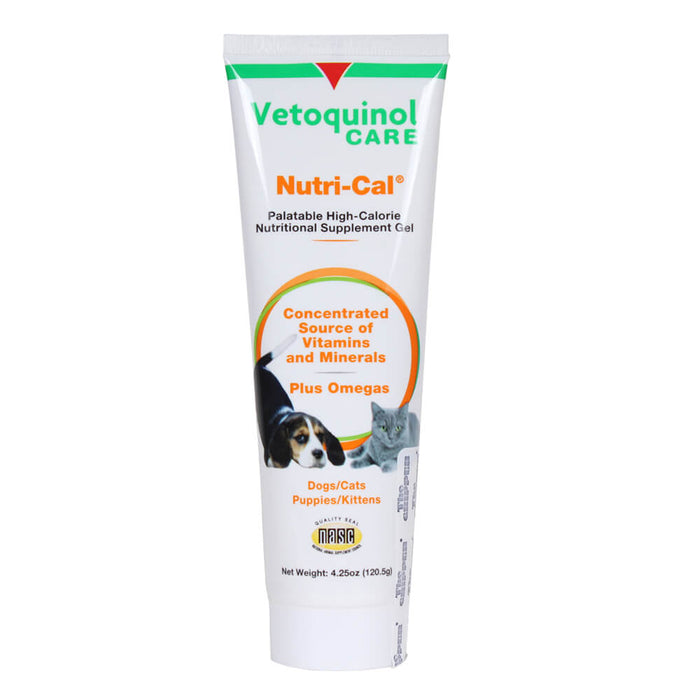
Maintaining optimal health and energy levels for canine companions is a primary concern for dedicated dog owners. In certain situations, a dog’s regular diet may not provide sufficient calories, vitamins, and minerals to meet its specific needs. This is where a specialized nutritional aid like Nutri-Cal for dogs becomes invaluable. This highly concentrated, high-calorie nutritional supplement is designed to offer a quick and effective boost to a dog’s energy reserves and overall nutrient intake. Understanding when and why this paste is utilized can significantly aid in supporting a dog’s recovery from illness, managing periods of stress, or simply ensuring sufficient energy for highly active individuals. Proper application of such supplements contributes to a dog’s vitality and enhances its general quality of life.
💡 Pet Care Key Takeaways:
- Core Focus: Practical health, nutrition, and wellness guidelines for Nutri Cal For Dogs.
- Target Scope: Pet owners, animal caregivers, and veterinary support staff.
- Best Recommendation: Maintain consistent daily routines and consult an accredited veterinarian before introducing major diet or medical changes.
Common Causes and Key Factors
The necessity for a caloric and nutrient-rich supplement like Nutri-Cal for dogs often stems from various physiological and environmental factors that can compromise a dog’s nutritional status. For more related activities, check out our “Fortiflora” And “Gut Health”.
Post-Surgical or Illness Recovery: Dogs recovering from surgery, injury, or severe illness (such as parvovirus, kennel cough, or gastrointestinal issues) frequently experience a decreased appetite and increased metabolic demands. During these critical periods, concentrated nutrition helps support healing and regain strength.
Underweight and Malnourished States: Some dogs, particularly rescues, senior canines with dental issues, or those with naturally high metabolisms, may struggle to maintain a healthy weight. Chronic conditions affecting nutrient absorption can also lead to an underweight status, making high-calorie supplementation essential.
Picky Eaters or Anorexia: A dog’s refusal to eat its regular food due to stress, medication side effects, or simply being a finicky eater can quickly lead to energy deficits. A palatable, high-calorie paste can encourage intake and provide vital nutrients when solid food is rejected.
High Energy Demands: Working dogs, sporting dogs, pregnant or lactating females, and rapidly growing puppies have significantly higher caloric requirements than an average adult dog. Their bodies demand more energy to support strenuous activity, milk production, or rapid development.
Stress and Environmental Changes: Travel, relocation, boarding, or other significant environmental changes can induce stress in dogs, often resulting in a temporary loss of appetite. Supplying easily digestible, concentrated calories helps mitigate the effects of reduced food intake during these times.
Aging Canines: Senior dogs may experience a decline in appetite, reduced ability to digest and absorb nutrients, or have underlying health issues that make it difficult to consume sufficient calories from their regular diet.
Signs and Symptoms to Observe
Recognizing the indicators that a dog might benefit from a nutritional boost, such as that provided by Nutri-Cal for dogs, is crucial for proactive care. Careful observation of a dog’s physical condition and behavior can reveal early signs of nutritional inadequacy.
Unexplained Weight Loss: A noticeable decrease in body condition, where ribs, hips, or spine become more prominent than usual, is a clear sign of insufficient caloric intake. This can be particularly concerning in active or rapidly growing dogs.
Lethargy and Decreased Activity: Dogs that appear unusually tired, reluctant to play, or exhibit significantly reduced energy levels compared to their normal behavior may be suffering from a lack of adequate energy.
Poor Appetite or Anorexia: Consistent refusal of meals, a significant reduction in food consumption, or an unusual pickiness towards food can signal a need for nutritional intervention. This symptom can vary across breeds and age groups; for instance, a normally voracious eater suddenly refusing food is more concerning than a naturally selective eater.
Dull Coat and Skin Issues: A lacklustre, dry, or brittle coat, along with dry or flaky skin, can be indicative of nutritional deficiencies, particularly a lack of essential fatty acids, vitamins, and minerals.
Delayed Recovery or Healing: Dogs struggling to bounce back after an illness, injury, or surgery, or those whose wounds are healing slowly, may require additional nutritional support to bolster their immune system and repair tissues.
Muscle Weakness and Atrophy: Visible loss of muscle mass, particularly in the hindquarters, or a general weakness that makes movement difficult, can point to protein and calorie deficiencies.
Growth Stunting in Puppies: Young puppies that are not growing at an expected rate for their breed and age, or appear significantly smaller than their littermates, may benefit from concentrated caloric support.
Practical Solutions and Management Strategies
Effectively utilizing Nutri-Cal for dogs involves understanding its proper administration and integrating it into a comprehensive care plan. The goal is to provide targeted nutritional support while addressing any underlying issues.
Precise Administration: Always adhere to the dosage instructions provided by the product manufacturer or, ideally, as advised by a veterinarian. Dosage typically depends on the dog’s weight and specific needs. The paste can often be administered directly into the dog’s mouth, or it can be mixed with a small amount of palatable food to encourage consumption.
Veterinary Consultation: While a valuable supplement, Nutri-Cal for dogs is not a substitute for veterinary diagnosis and treatment. It is crucial to consult with a veterinarian to identify the root cause of any nutritional deficiency or weight loss. This ensures that serious underlying medical conditions are not overlooked.
Integrated Dietary Approach: The supplement should complement a balanced and high-quality diet. It is important to continue offering regular meals, even if the dog is consuming less. The paste acts as a nutritional bridge, providing essential calories and nutrients that the dog might not be getting from its primary food source.
Monitoring and Adjustment: Regularly monitor the dog’s weight, energy levels, and overall appetite. Documenting these observations can help in assessing the effectiveness of the supplement and making any necessary adjustments to the care plan in consultation with a veterinarian.
Stress Reduction: For dogs whose reduced appetite is linked to stress, creating a calm and predictable environment can be highly beneficial. Providing a quiet eating space, consistent routines, and minimizing sudden changes can encourage a better appetite.
Enhancing Palatability: If a dog is reluctant to consume the paste directly, attempts can be made to smear a small amount on the dog’s paw (allowing the dog to lick it off during grooming) or apply it to the gums. The appealing taste of Nutri-Cal typically makes it well-received by most dogs.
Hydration: Ensure constant access to fresh water. Proper hydration is critical for all bodily functions, especially when a dog is recovering or has increased metabolic demands.
When Professional Help May Be Needed
While Nutri-Cal for dogs serves as an excellent support tool, there are specific circumstances where its use necessitates professional veterinary intervention. Recognizing these situations ensures that a dog receives the most appropriate and timely care.
Persistent Weight Loss or Anorexia: If a dog continues to lose weight, refuses to eat for prolonged periods, or shows no improvement in appetite despite supplementation, immediate veterinary attention is warranted. This could indicate a more serious underlying medical condition that requires specific diagnosis and treatment.
Worsening Symptoms: Any signs of deterioration, such as increased lethargy, persistent vomiting, diarrhea, difficulty breathing, or signs of pain, despite the use of nutritional supplements, signal an urgent need for professional evaluation.
Unknown Cause of Nutritional Deficiency: If the reason for a dog’s poor body condition, lack of appetite, or low energy levels is unclear, a veterinarian must conduct a thorough examination and diagnostic tests to identify and treat the primary problem.
Failure to Respond to Supplementation: If Nutri-Cal for dogs does not appear to be having the desired effect of improving energy, appetite, or weight gain within a reasonable timeframe (as advised by a veterinarian), further investigation may be required to explore alternative solutions or adjust the care plan.
Difficulty Administering: If a dog strongly resists taking the supplement, leading to stress for both the animal and the owner, a veterinarian can offer advice on alternative administration methods or suggest different forms of nutritional support.
Concurrent Medical Conditions: Dogs with pre-existing conditions such as diabetes, kidney disease, or liver disease may require specific dietary management. Supplementation should always be discussed with a veterinarian to ensure it does not negatively impact their existing health conditions or interfere with medications.
Conclusion
The well-being of canine companions relies heavily on balanced nutrition and attentive care. Nutri-Cal for dogs stands as a valuable tool in the pet owner’s arsenal, specifically designed to offer concentrated caloric and nutritional support during times of recovery, stress, or increased energy demands. Recognizing the signs that a dog may require such a supplement, understanding its proper application, and knowing when to seek professional veterinary guidance are all critical components of responsible pet ownership. Proactive observation, coupled with informed decisions regarding dietary support and professional medical advice, collectively contributes to fostering a vibrant, healthy, and happy life for every dog. Ensuring optimal nutrition is a fundamental aspect of nurturing a strong bond and promoting lasting canine vitality.
Pet Care & Wellness Overview Table
| Life Stage | Daily Activity Level | Key Nutrition / Care Focus |
|---|---|---|
| Puppy / Kitten | High (frequent short bursts) | High-protein growth diet & early socialization |
| Adult Companion | Moderate (30–60 mins daily) | Balanced maintenance nutrition & dental hygiene |
| Senior Pets | Low to Gentle (mindful walks) | Joint support (Glucosamine) & routine vet checks |
Images References


For more expert pet care tips and advice, check out our dedicated Dog Nutrition guides to keep your companions healthy and happy.




