
Introduction
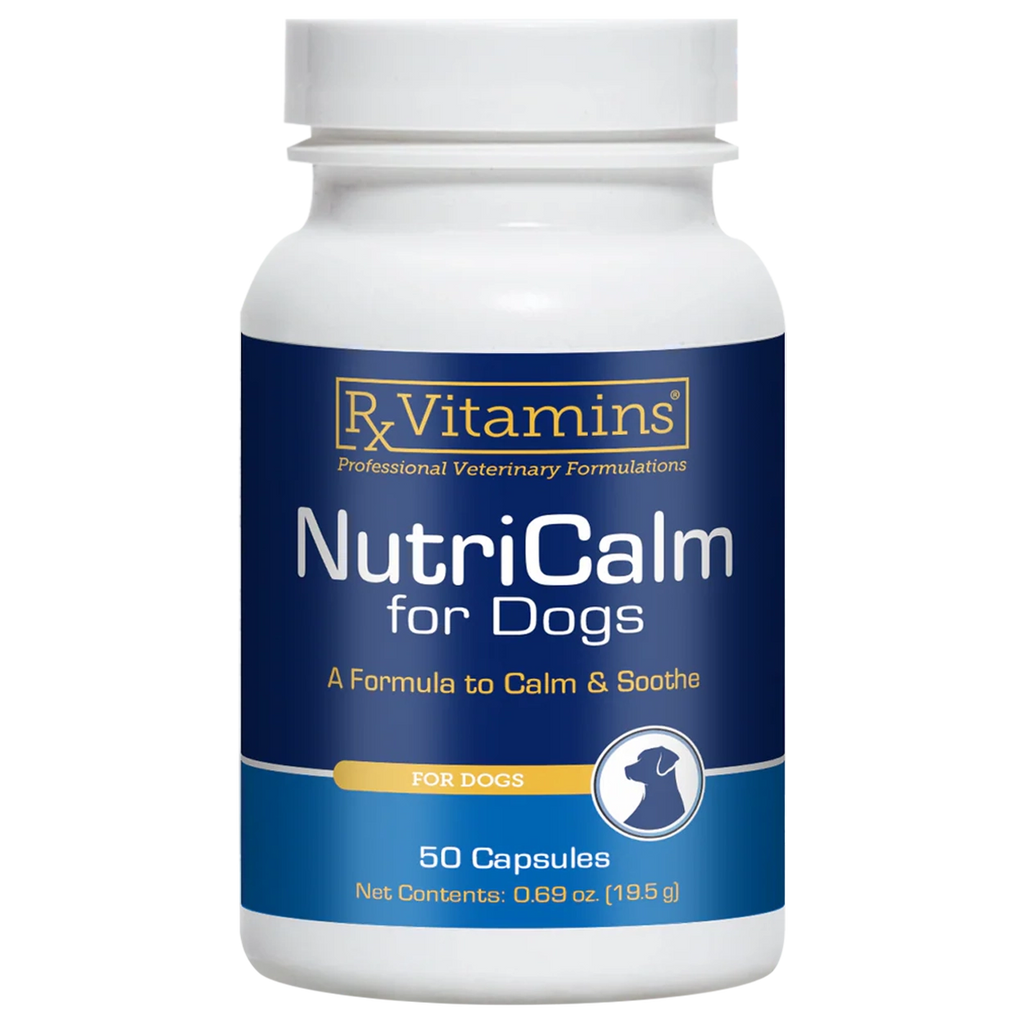
Understanding the role of specialized nutritional support is crucial for maintaining optimal canine health. The term “nutrical dog supplement” refers to a specific type of high-calorie, palatable nutritional gel designed to provide concentrated energy and essential vitamins and minerals. This supplement is often recommended by veterinarians for dogs requiring an extra boost of nutrition, whether due to recovery from illness, rapid growth, periods of high energy expenditure, or simply a reduced appetite. Recognizing when and why a nutrical dog supplement might be beneficial allows owners to proactively address their dog’s nutritional gaps, contributing significantly to their overall well-being, energy levels, and recuperation processes.
💡 Pet Care Key Takeaways:
- Core Focus: Practical health, nutrition, and wellness guidelines for Nutrical Dog Supplement.
- Target Scope: Pet owners, animal caregivers, and veterinary support staff.
- Best Recommendation: Maintain consistent daily routines and consult an accredited veterinarian before introducing major diet or medical changes.
Common Causes and Key Factors
Several situations commonly necessitate the use of a nutrical dog supplement, reflecting underlying physiological needs or temporary challenges. One primary factor involves periods of high metabolic demand, such as in growing puppies, pregnant or lactating bitches, and highly active working or sporting dogs. These canine individuals often require more calories and nutrients than their regular diet can provide, or they may struggle to consume sufficient quantities of food. For more related activities, check out our “Fortiflora” And “Gut Health”.
Another significant cause relates to decreased appetite or nutrient absorption. Dogs recovering from surgery, illness, or injury frequently experience a temporary loss of appetite, making it difficult to consume enough food for healing and energy. Stress, environmental changes, or even the pickiness of certain dogs can lead to insufficient caloric intake. Small breed puppies are particularly vulnerable to hypoglycemia (low blood sugar), and a readily available source of glucose, like that found in a nutrical dog supplement, can be a crucial preventative measure. Furthermore, some dogs may simply be underweight or failing to thrive, where concentrated nutritional support aids in healthy weight gain and overall vitality.
Signs and Symptoms to Observe
Observing a dog’s behavior and physical condition can indicate when a nutrical dog supplement might be beneficial. Common signs include noticeable lethargy, a significant decrease in energy levels, or reluctance to engage in usual activities. Unexplained weight loss, a failure to gain weight despite adequate feeding, or a generally emaciated appearance with visible ribs or hip bones are clear indicators of potential nutritional deficits.
Changes in appetite, such as consistently skipping meals, eating very little, or showing disinterest in food, also suggest a need for supplemental nutrition. A dull, lackluster coat condition, which contrasts with a healthy dog’s shiny fur, can sometimes point to inadequate nutrient intake. In small puppies, signs of weakness, disorientation, or shivering can be critical indicators of impending or actual hypoglycemia, requiring immediate attention. The presence and severity of these signs can vary significantly depending on a dog’s age, breed, and the underlying cause of their nutritional challenge. For instance, a senior dog might exhibit a gradual decline in energy and weight, while a puppy might show more acute signs of weakness.
Practical Solutions and Management Strategies
Administering a nutrical dog supplement effectively involves understanding its purpose and proper usage. This supplement is typically provided as a highly palatable gel, which can be given directly into a dog’s mouth or mixed with their food. Adhering to the specific dosage instructions provided on the product packaging or, more ideally, as recommended by a veterinarian, is paramount to ensure appropriate nutrient delivery without over-supplementation.
When integrating a nutrical dog supplement, it is crucial to remember that it serves as an aid, not a complete meal replacement. It complements a balanced diet, helping to bridge nutritional gaps rather than substitute primary food sources. For puppies at risk of hypoglycemia, small, frequent doses can help stabilize blood sugar levels. For dogs recovering from illness, consistent, measured use can support energy and healing. Owners should closely monitor a dog’s response, including changes in appetite, energy levels, and weight, to gauge the supplement’s effectiveness. Adjustments to lifestyle, such as ensuring a calm feeding environment for finicky eaters or managing activity levels for recovering dogs, can further enhance the benefits of nutritional support.
When Professional Help May Be Needed
While a nutrical dog supplement can be a valuable tool for supporting canine health, there are specific circumstances where veterinary consultation or professional guidance becomes essential. If a dog’s lethargy, weight loss, or poor appetite persists or worsens despite consistent supplementation, it indicates a need for a thorough veterinary examination to identify and address any underlying medical conditions. Similarly, if a dog exhibits severe weakness, disorientation, or repeated episodes of hypoglycemia, immediate professional veterinary attention is critical.
Before introducing any new supplement, particularly if a dog has pre-existing health conditions, is on medication, or is pregnant or nursing, a veterinarian should always be consulted. This ensures the supplement is appropriate for the dog’s specific needs and will not interact adversely with other treatments. Veterinary professionals can also provide tailored dosage recommendations, monitor progress, and offer comprehensive advice on managing nutritional challenges, ensuring a holistic approach to a dog’s well-being.
Conclusion
The nutrical dog supplement stands as an important dietary aid for dogs facing various nutritional challenges, from rapid growth phases to recovery from illness. Understanding its purpose and knowing when to consider its use empowers dog owners to play a proactive role in maintaining their canine companion’s health. The ability to recognize signs of nutritional deficiency, combined with the strategic application of this specialized supplement, can significantly support energy levels, aid recuperation, and contribute to overall vitality. As with all aspects of canine care, informed observation and consistent attention to a dog’s needs, ideally guided by professional veterinary advice, are cornerstones of responsible pet ownership, fostering a healthier and more energetic life for dogs.
Pet Care & Wellness Overview Table
| Life Stage | Daily Activity Level | Key Nutrition / Care Focus |
|---|---|---|
| Puppy / Kitten | High (frequent short bursts) | High-protein growth diet & early socialization |
| Adult Companion | Moderate (30–60 mins daily) | Balanced maintenance nutrition & dental hygiene |
| Senior Pets | Low to Gentle (mindful walks) | Joint support (Glucosamine) & routine vet checks |
Images References


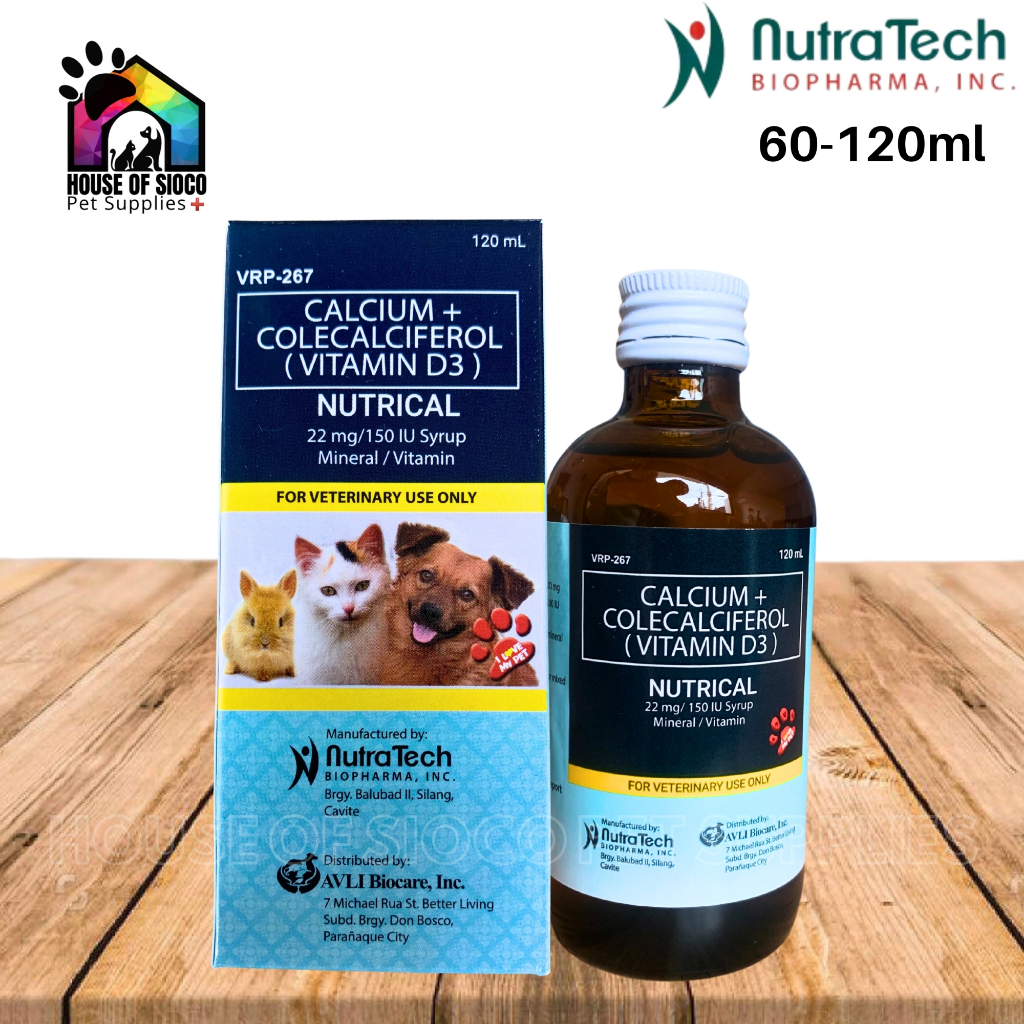

For more expert pet care tips and advice, check out our dedicated Dog Nutrition guides to keep your companions healthy and happy.




