
Introduction
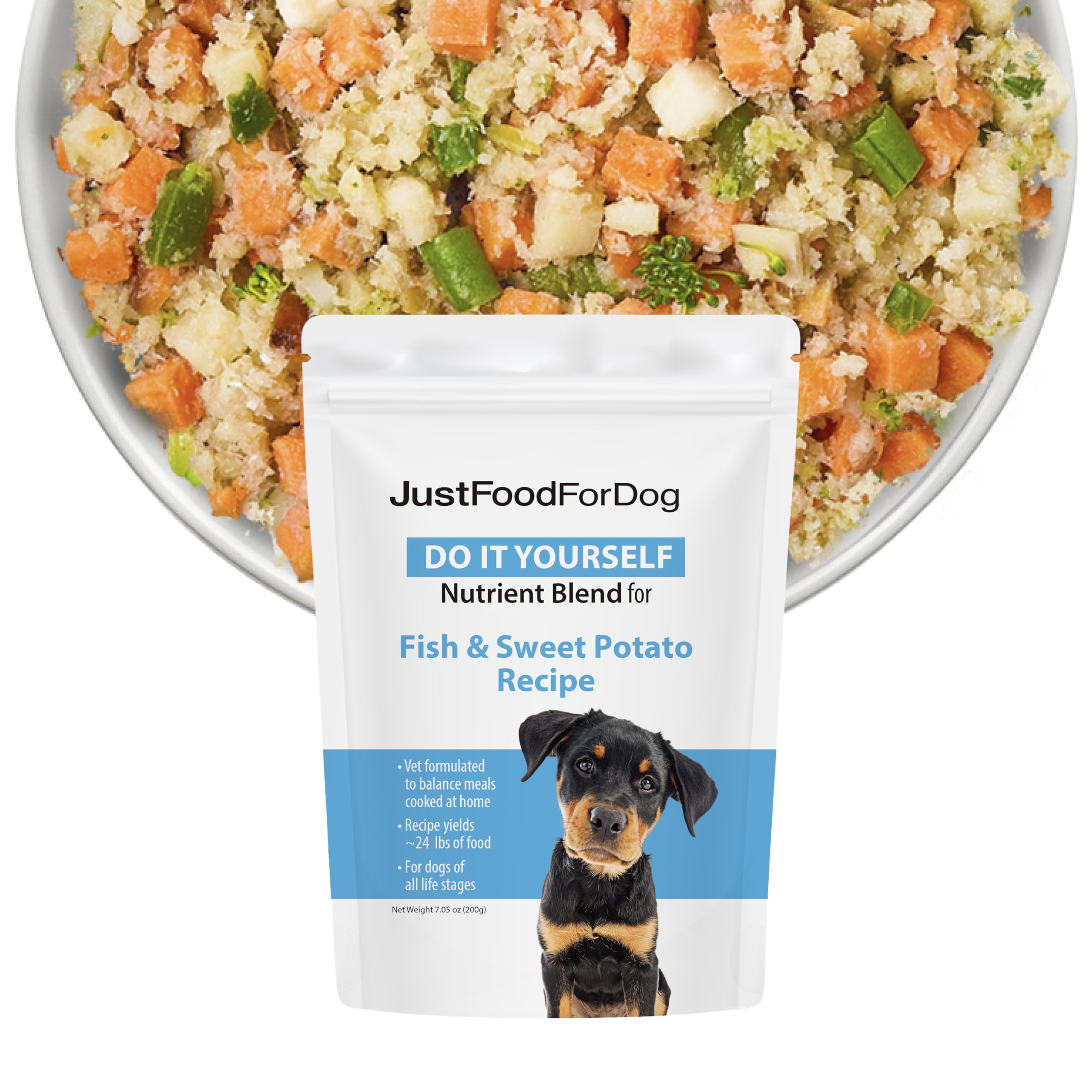
The endeavor of preparing homemade meals for canine companions offers a unique opportunity for owners to control ingredients and cater to specific dietary needs. However, a common misconception exists that merely combining a variety of fresh foods automatically provides a dog with all essential nutrients. This is where the concept of a “nutrient blend for homemade dog food” becomes paramount. A nutrient blend refers to a meticulously formulated supplement designed to fill the nutritional gaps often present in home-prepared diets, ensuring a dog receives a complete and balanced array of vitamins, minerals, and trace elements necessary for optimal health.
💡 Pet Care Key Takeaways:
- Core Focus: Practical health, nutrition, and wellness guidelines for Nutrient Blend For Homemade Dog Food.
- Target Scope: Pet owners, animal caregivers, and veterinary support staff.
- Best Recommendation: Maintain consistent daily routines and consult an accredited veterinarian before introducing major diet or medical changes.
The importance of these blends arises because, unlike commercially produced dog foods which are typically formulated to meet specific nutritional standards, homemade diets often lack precise ratios of essential components such as calcium, phosphorus, various vitamins (e.g., D, E, B vitamins), and crucial trace minerals (e.g., zinc, selenium, iodine). Without a carefully integrated blend, dogs on homemade diets face the risk of developing both nutrient deficiencies and excesses, both of which can lead to significant health issues over time. Understanding and utilizing a proper nutrient blend can profoundly improve a dogs well-being, support robust health, and contribute significantly to its overall quality of life, safeguarding against diet-related ailments. For more related activities, check out our Natural Balance Puppy Food Quantity Chart.
Common Causes and Key Factors
The primary reason a nutrient blend for homemade dog food is essential stems from the inherent complexity of canine nutrition and the variability of raw ingredients. Most dog owners, while well-intentioned, lack the extensive nutritional knowledge required to formulate a diet that is truly complete and balanced according to established veterinary standards.
Lack of Nutritional Expertise: A significant factor is the absence of comprehensive understanding regarding a dog’s specific dietary requirements. Canine nutritional needs differ considerably from human needs, and merely providing human-grade ingredients does not guarantee nutritional adequacy. Key examples include the critical calcium-to-phosphorus ratio for bone health, the requirement for certain fat-soluble vitamins, and the necessity of various trace minerals that might be scarce or imbalanced in everyday ingredients.
Ingredient Variability and Preparation: The nutritional content of individual food items can fluctuate based on source, season, and even preparation methods. Cooking, for instance, can degrade heat-sensitive vitamins. Relying solely on general recipes found online can be problematic, as many such recipes are not formulated by board-certified veterinary nutritionists and therefore do not provide a complete nutritional profile without supplemental support.
Exclusion Diets: For dogs with allergies or sensitivities, owners often prepare homemade food to avoid specific triggers. While beneficial for managing allergies, removing ingredients without proper substitution can inadvertently eliminate vital nutrients, exacerbating the need for a comprehensive nutrient blend to maintain dietary completeness.
Individual Dog Needs: A dog’s nutritional requirements are not static; they vary greatly depending on age, breed, activity level, reproductive status, and existing health conditions. A growing puppy requires different nutrient concentrations than an adult working dog or a senior with kidney disease. Tailoring a homemade diet without professional guidance and a suitable nutrient blend makes it challenging to meet these evolving specific needs.
Signs and Symptoms to Observe
When a homemade diet lacks appropriate nutrient balance, or a nutrient blend for homemade dog food is insufficient, a dog may exhibit various signs indicating nutritional deficiencies or excesses. These indicators can emerge gradually, making early observation crucial for intervention.
Coat and Skin Health: One of the most common signs of nutritional imbalance is a noticeable decline in coat and skin quality. This can manifest as a dull, dry, or brittle coat, excessive shedding, dandruff, dry or flaky skin, or even recurrent skin infections and hot spots. Specific deficiencies, such as essential fatty acids or zinc, often present in this manner.
Energy Levels and Behavior: Lethargy, decreased activity levels, or a general lack of enthusiasm can signal inadequate caloric intake or a deficiency in key energy-producing nutrients like B vitamins. Conversely, some nutrient imbalances can contribute to subtle behavioral changes, such as irritability or unusual eating patterns like pica (eating non-food items), although these are less directly linked solely to nutrient blend issues.
Digestive System Issues: Chronic gastrointestinal upset, including persistent diarrhea, constipation, intermittent vomiting, or poor appetite, can be a symptom of an improperly balanced homemade diet. Nutrient deficiencies can impair gut health and nutrient absorption.
Weight and Growth: Unexplained weight loss, despite adequate food consumption, or difficulty maintaining a healthy body condition score can point to a diet lacking sufficient energy or specific macronutrients. In puppies and young dogs, poor growth rates, delayed development, or abnormal bone formation are critical indicators of severe nutritional shortcomings, particularly calcium and phosphorus imbalances.
Immune Function and Overall Health: A compromised immune system, evidenced by frequent infections, slow wound healing, or a general susceptibility to illness, can also result from long-term nutrient deficiencies affecting immune cell function. Furthermore, issues like poor dental health, including weak teeth or gum problems, can be linked to inadequate mineral intake.
Practical Solutions and Management Strategies
Ensuring a complete and balanced homemade diet for a dog requires a thoughtful and informed approach, with the proper utilization of a nutrient blend for homemade dog food being a cornerstone of success. Several practical strategies can help owners navigate this responsibility effectively.
Consult a Veterinary Nutritionist: The most reliable and recommended solution involves consulting with a board-certified veterinary nutritionist. These specialists possess the expertise to analyze a dogs individual needs based on age, breed, activity level, and health status, and then formulate a custom diet plan that incorporates specific ingredients and the precise type and amount of nutrient blend required. This personalized approach mitigates the risks of both deficiencies and excesses.
Utilize Reputable Commercial Nutrient Blends: For owners preparing homemade food, commercially available nutrient blends designed for dogs are a practical solution. These blends are typically powders formulated by veterinary nutritionists to provide a comprehensive range of vitamins, minerals, and trace elements when added to a base of meat, fat, and appropriate carbohydrates or vegetables. It is crucial to select brands that explicitly state their formulations are complete and balanced when used as directed, ideally backed by scientific research and veterinary endorsement. Adhering strictly to the manufacturer’s recommended dosage is vital, as both under-dosing and over-dosing can be detrimental.
Follow Scientifically Formulated Recipes: When using a nutrient blend, it is imperative to pair it with a recipe specifically designed to work in conjunction with that blend. Many trusted resources, including veterinary university websites and published pet nutrition books, offer recipes that detail ingredient ratios alongside instructions for integrating a specific nutrient blend to achieve complete nutrition. Avoid generic or unverified online recipes that do not account for nutritional completeness or the addition of a blend.
Regular Veterinary Health Monitoring: Even with a carefully formulated homemade diet and nutrient blend, regular veterinary check-ups are essential. Routine blood tests and physical examinations can help monitor a dog’s nutritional status, detect any emerging imbalances, and allow for timely adjustments to the diet plan or nutrient blend as needed. This proactive approach ensures long-term health and well-being.
When Professional Help May Be Needed
While the decision to prepare homemade food for a dog is often driven by a desire to provide the best care, it carries significant nutritional responsibilities. Recognizing when professional guidance is indispensable is crucial for safeguarding a dog’s health.
Prior to Initiating a Homemade Diet: The most opportune time to seek professional help is before transitioning a dog to a homemade diet. A consultation with a veterinarian or, ideally, a board-certified veterinary nutritionist, can establish a solid foundation for the diet plan, ensuring that all nutritional bases are covered from the outset, including the selection and integration of a suitable nutrient blend for homemade dog food. This preemptive step can prevent nutritional imbalances before they occur.
Appearance of Clinical Signs: If a dog begins to exhibit any of the signs of nutritional deficiency or excess, such as persistent dull coat, unexplained lethargy, chronic digestive issues, or changes in bone health, immediate veterinary consultation is warranted. These symptoms indicate that the current diet, even with a nutrient blend, may not be adequately meeting the dog’s needs or that there are underlying health conditions affecting nutrient absorption.
Dogs with Pre-existing Health Conditions: For dogs managing chronic illnesses like kidney disease, diabetes, specific allergies requiring highly restricted diets, or certain gastrointestinal disorders, a homemade diet must be meticulously crafted to support their specific health challenges without creating new nutritional problems. In these complex cases, the expertise of a veterinary nutritionist is not merely recommended but often critical for designing a therapeutic diet that is both complete and safe.
Life Stage Changes or Specific Dietary Goals: As a dog ages, during pregnancy, or for highly active working dogs, their nutritional demands shift significantly. Similarly, if specific dietary goals such as weight management (gain or loss) are desired, professional guidance helps tailor the homemade diet and nutrient blend accordingly to achieve these objectives safely and effectively.
Uncertainty Regarding Blends or Formulations: If there is any confusion about selecting the correct nutrient blend, calculating appropriate dosages, or verifying the nutritional completeness of a homemade recipe, seeking professional advice can provide clarity and peace of mind. Relying on guesswork can lead to serious health consequences.
Conclusion
The journey of feeding a dog homemade meals is a commendable commitment that offers numerous benefits, from ingredient control to addressing specific sensitivities. However, this path necessitates a profound understanding of canine nutrition to ensure that the diet is truly complete and balanced. The “nutrient blend for homemade dog food” stands as an indispensable component in achieving this goal, effectively bridging the potential nutritional gaps inherent in home-prepared recipes.
These specially formulated blends are not merely optional additives but rather critical tools for preventing both nutrient deficiencies and harmful excesses, thereby safeguarding a dog’s long-term health and vitality. Owners who choose to prepare homemade diets have a responsibility to educate themselves on proper canine nutritional requirements, collaborate with veterinary professionals, and thoughtfully integrate appropriate nutrient blends. Awareness, diligent observation of a dog’s health, and consistent, informed care are paramount in ensuring that homemade diets contribute positively to a dog’s well-being and overall quality of life. By prioritizing nutritional completeness through the thoughtful use of nutrient blends, owners can confidently provide their canine companions with meals that truly nourish from within.
Pet Care & Wellness Overview Table
| Life Stage | Daily Activity Level | Key Nutrition / Care Focus |
|---|---|---|
| Puppy / Kitten | High (frequent short bursts) | High-protein growth diet & early socialization |
| Adult Companion | Moderate (30–60 mins daily) | Balanced maintenance nutrition & dental hygiene |
| Senior Pets | Low to Gentle (mindful walks) | Joint support (Glucosamine) & routine vet checks |
Images References


For more expert pet care tips and advice, check out our dedicated Dog Nutrition guides to keep your companions healthy and happy.




