

Introduction
The topic of a nutrient supplement for dogs frequently arises in discussions about canine health and well-being. A nutrient supplement refers to any product given orally that contains one or more essential nutrients, such as vitamins, minerals, fatty acids, or amino acids, which are intended to complement a dog’s regular diet. These supplements are designed to address potential nutritional gaps, support specific bodily functions, or aid in managing certain health conditions. Understanding when and why a dog might benefit from a nutrient supplement is crucial for responsible pet ownership. Proactive consideration of dietary needs and the appropriate use of supplements can significantly contribute to a dogs vitality, longevity, and overall quality of life, preventing issues that stem from nutritional imbalances or deficiencies.
💡 Pet Care Key Takeaways:
- Core Focus: Practical health, nutrition, and wellness guidelines for Nutrient Supplement For Dogs.
- Target Scope: Pet owners, animal caregivers, and veterinary support staff.
- Best Recommendation: Maintain consistent daily routines and consult an accredited veterinarian before introducing major diet or medical changes.
Common Causes and Key Factors
Several factors can lead to situations where a nutrient supplement for dogs becomes a consideration. One primary cause is an inadequate or imbalanced diet. While many commercial dog foods are formulated to be complete and balanced, variations in quality exist. Diets composed of lower-quality ingredients may not provide optimal nutrient absorption, potentially leading to subclinical deficiencies over time. Homemade diets, if not carefully formulated by a veterinary nutritionist, are particularly prone to being unbalanced, often lacking essential vitamins and minerals. For more related activities, check out our “Fortiflora” And “Gut Health”.
Specific life stages also play a significant role. Puppies undergoing rapid growth, senior dogs with decreased digestive efficiency or absorption capabilities, and pregnant or lactating bitches with increased metabolic demands often require additional nutritional support beyond what a standard diet provides.
Underlying health conditions can also necessitate supplementation. Dogs recovering from illness, surgery, or those suffering from chronic diseases such as inflammatory bowel disease, kidney disease, or allergies, may experience malabsorption or increased nutrient requirements. In such cases, a targeted nutrient supplement can support recovery and help manage symptoms.
Furthermore, high activity levels in working dogs, athletic breeds, or those participating in demanding sports may deplete nutrient reserves more rapidly, warranting additional supplementation to support muscle function, joint health, and energy metabolism. Environmental stressors, although less direct, can also impact a dog’s nutritional status by influencing appetite or nutrient utilization.
Signs and Symptoms to Observe
Recognizing the signs that a dog might benefit from a nutrient supplement involves careful observation of physical condition and behavior. One of the most common indicators relates to coat and skin health. A dull, dry, brittle coat, excessive shedding unrelated to seasonal changes, flaky skin, or slow wound healing can suggest deficiencies in essential fatty acids, vitamins (such as biotin), or minerals.
Changes in energy levels and stamina are also significant. A dog displaying unusual lethargy, reduced enthusiasm for play, or a noticeable decrease in endurance during walks might be experiencing an energy deficit or a lack of certain B vitamins or iron.
Digestive issues such as persistent diarrhea, constipation, unexplained weight loss or gain, and a consistently poor appetite could indicate problems with nutrient absorption or a need for probiotic support. Puppies exhibiting stunted growth or adult dogs with weakened immune responses, manifesting as frequent infections or prolonged recovery times, may also point towards nutritional gaps.
For older dogs or larger breeds, mobility issues like stiffness, lameness, or difficulty rising and moving are often signs of joint degeneration, potentially signaling a need for joint-supporting nutrient supplements. While these signs can vary with age, breed, and environmental factors, their persistent presence warrants attention and consideration of a potential nutrient deficiency.
Practical Solutions and Management Strategies
When considering a nutrient supplement for dogs, a methodical approach is most effective. The first step involves a thorough review of the dog’s current diet. Ensuring a high-quality, complete, and balanced commercial dog food, or a meticulously formulated homemade diet overseen by a veterinary nutritionist, forms the foundation of good nutrition. Sometimes, simply upgrading to a better quality food can resolve minor deficiencies.
If dietary improvements alone are insufficient or if specific needs are identified, targeted supplementation can be introduced. Different types of nutrient supplements address various areas:
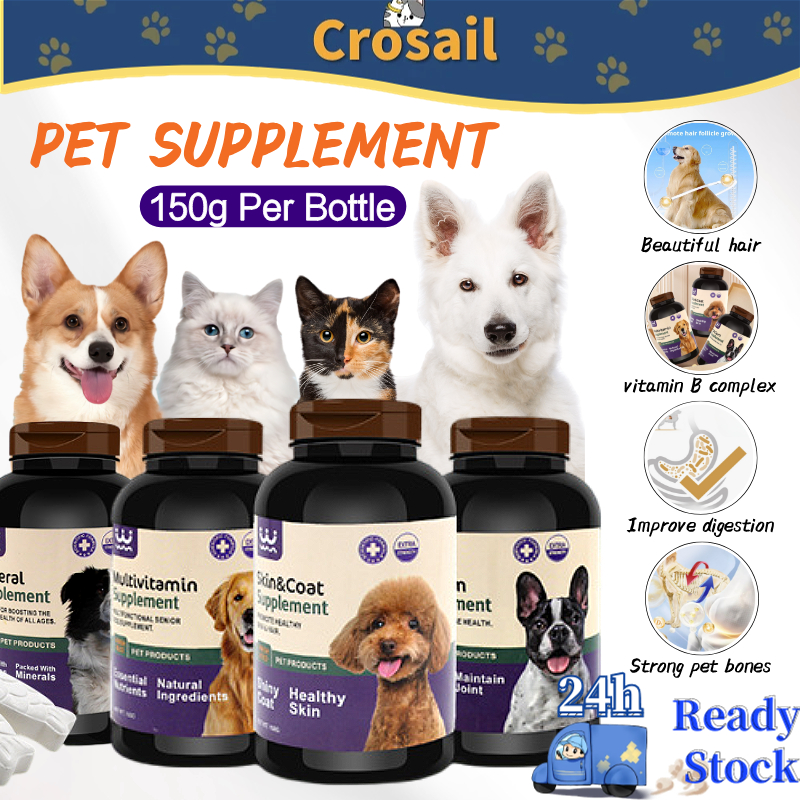
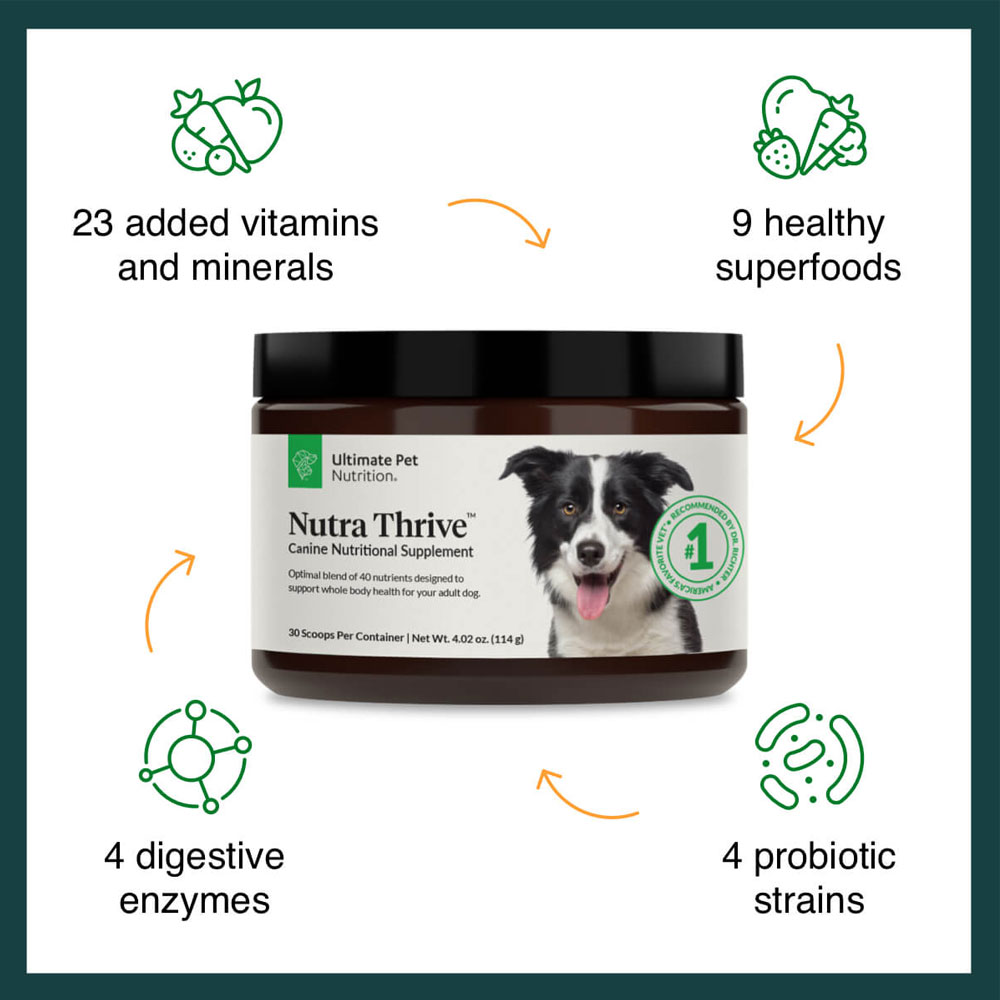
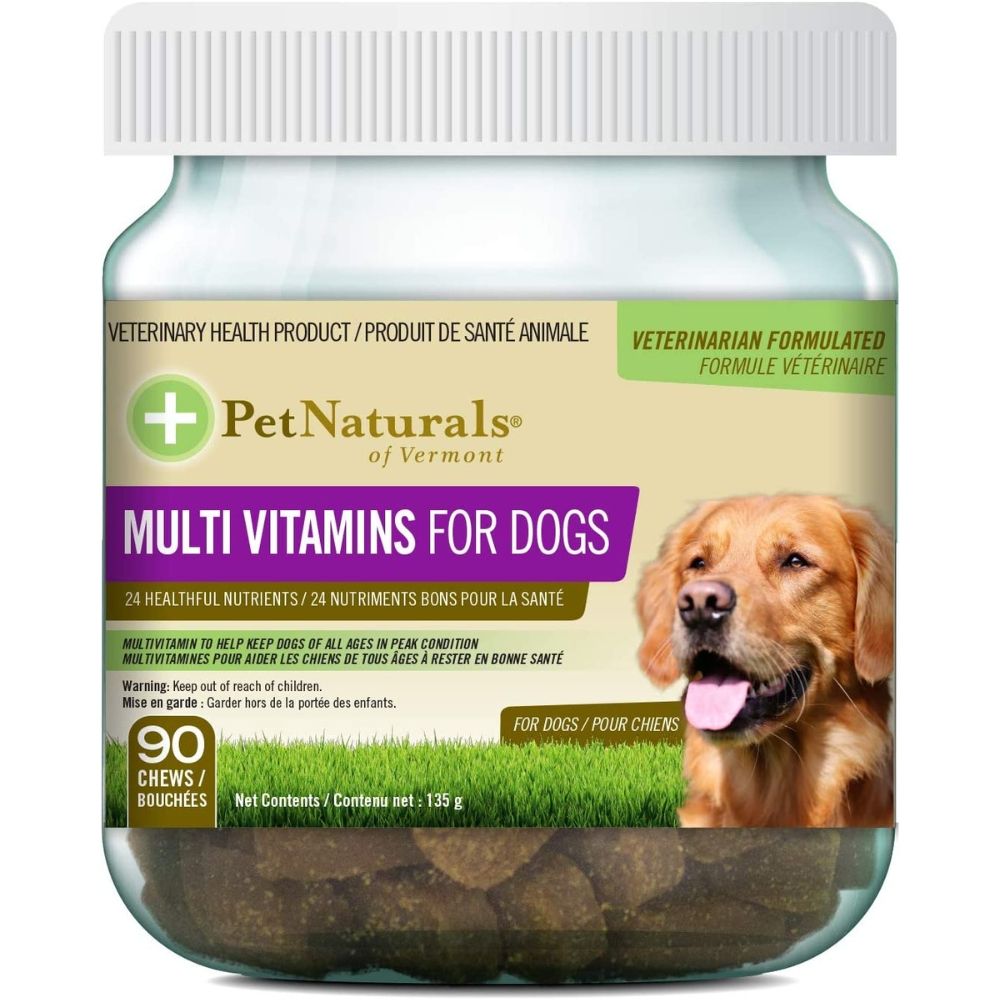
- Multivitamins and minerals: These provide a broad spectrum of nutrients, useful for general health support or addressing multiple potential deficiencies, particularly in older dogs or those with restrictive diets.
- Omega-3 fatty acids: Known for their anti-inflammatory properties, these support skin and coat health, joint mobility, and cognitive function. Fish oil is a common source.
- Probiotics and prebiotics: These aid digestive health by promoting a balanced gut microbiome, beneficial for dogs with sensitive stomachs or those recovering from antibiotic treatment.
- Joint supplements (e.g., glucosamine, chondroitin, MSM): These are commonly used to support cartilage health and reduce inflammation in dogs with arthritis or those prone to joint issues.
When introducing any nutrient supplement, it is crucial to do so gradually and at the recommended dosage to avoid digestive upset or other adverse reactions. Consistent monitoring of the dog’s condition for improvement or any new symptoms is also essential. Additionally, ensuring a stress-free environment, providing regular, appropriate exercise, and maintaining adequate hydration further support overall canine health and optimal nutrient utilization.
When Professional Help May Be Needed
While a general understanding of nutrient supplement for dogs is valuable, there are specific circumstances where professional veterinary consultation becomes imperative. Most notably, before initiating any new supplement regime, a veterinarian’s guidance is strongly recommended. Over-supplementation can be just as detrimental as deficiency, potentially leading to toxicity or creating new nutritional imbalances. A veterinarian can accurately assess a dog’s individual needs based on breed, age, activity level, and existing health conditions.
Professional help is essential if a dog exhibits persistent or worsening symptoms despite dietary adjustments or initial supplementation attempts. These signs could indicate an underlying medical condition that requires specific diagnosis and treatment, rather than just nutritional support. Supplements are intended to complement, not replace, veterinary medical care.
For dogs on homemade diets, consulting a board-certified veterinary nutritionist is not merely advisable but crucial. Crafting a nutritionally complete and balanced homemade diet without expert guidance is exceedingly difficult and often leads to severe deficiencies or excesses. Furthermore, dogs with specific chronic health conditions (e.g., kidney disease, heart disease, diabetes) require tailored nutritional plans and supplements that might interact with medications or impact disease progression, necessitating veterinary oversight. Any sudden or unexplained changes in a dog’s health or behavior should always prompt a visit to the veterinarian.
Conclusion
The thoughtful application of a nutrient supplement for dogs represents a proactive approach to canine health, designed to address specific nutritional needs and enhance overall well-being. Understanding the common factors that can lead to deficiencies, recognizing the subtle signs and symptoms, and implementing practical management strategies are all vital components of responsible pet care. While supplements can play a beneficial role, their use must always be considered within the broader context of a high-quality diet and a healthy lifestyle. Ultimately, the decision to introduce any nutrient supplement should be made in partnership with a veterinarian. This collaborative approach ensures that supplementation is appropriate, safe, and genuinely contributes to a dog’s optimal health and vitality, affirming the commitment to providing the best possible care.
Pet Care & Wellness Overview Table
| Life Stage | Daily Activity Level | Key Nutrition / Care Focus |
|---|---|---|
| Puppy / Kitten | High (frequent short bursts) | High-protein growth diet & early socialization |
| Adult Companion | Moderate (30–60 mins daily) | Balanced maintenance nutrition & dental hygiene |
| Senior Pets | Low to Gentle (mindful walks) | Joint support (Glucosamine) & routine vet checks |
Images References




For more expert pet care tips and advice, check out our dedicated Dog Nutrition guides to keep your companions healthy and happy.




