

Introduction
Understanding the intricate needs of canine health is a cornerstone of responsible pet ownership. Among these, the topic of “nutrition strength blood support for dogs” holds significant importance. This phrase refers to the comprehensive dietary strategies and targeted nutritional interventions designed to maintain and enhance a dog’s blood health, overall vitality, and resilience. A dog’s blood system is vital for oxygen transport, nutrient delivery, waste removal, and immune function. When this system is compromised, a dog’s general well-being can decline rapidly. Issues related to blood health commonly arise due to dietary deficiencies, age-related changes, periods of recovery, or underlying health conditions. By grasping the principles behind effective nutrition strength blood support for dogs, pet owners can proactively contribute to their companion’s longevity, energy levels, and overall quality of life, fostering a more robust and joyful existence.
💡 Pet Care Key Takeaways:
- Core Focus: Practical health, nutrition, and wellness guidelines for Nutrition Strength Blood Support For Dogs.
- Target Scope: Pet owners, animal caregivers, and veterinary support staff.
- Best Recommendation: Maintain consistent daily routines and consult an accredited veterinarian before introducing major diet or medical changes.
Common Causes and Key Factors
Several factors can influence a dog’s blood health, making proper nutrition strength blood support for dogs essential. Identifying these underlying causes is the first step toward effective management. For more related activities, check out our “Fortiflora” And “Gut Health”.
- Dietary Deficiencies: A primary cause of compromised blood health stems from an inadequate diet. Lack of essential nutrients like iron, B vitamins (especially B12 and folate), copper, and certain proteins can impair red blood cell production, leading to conditions such as anemia.
- Age-Related Changes: Senior dogs often experience reduced nutrient absorption efficiency and a decline in metabolic functions. This can necessitate increased attention to their dietary intake to ensure sufficient blood-building nutrients. Conversely, growing puppies have high demands for iron and other blood-forming nutrients to support their rapid development.
- Increased Activity Levels: Highly active, working, or athletic dogs have elevated metabolic rates and may experience increased oxidative stress. Their bodies demand more oxygen and nutrient delivery, requiring robust blood health to sustain performance and recovery.
- Chronic Illnesses and Recovery: Conditions affecting organs like the kidneys or liver can impact blood production and composition. Dogs recovering from surgery, injury, or severe illness also have increased nutritional needs to replenish blood components and support healing processes.
- Parasitic Infections: Internal parasites, such as fleas, ticks, and intestinal worms, can lead to chronic blood loss and nutrient depletion, directly affecting a dog’s red blood cell count and overall blood health.
- Genetic Predispositions: Certain dog breeds are genetically predisposed to specific blood disorders, such as various forms of anemia or clotting deficiencies. For these breeds, proactive nutrition strength blood support for dogs is particularly critical.
Signs and Symptoms to Observe
Recognizing the signs that a dog may require enhanced nutrition strength blood support for dogs is crucial for early intervention. These indicators can vary in intensity depending on the underlying cause and the severity of the issue, but observant pet owners can often spot subtle changes in their companion’s behavior and physical condition.
- Lethargy and Decreased Energy: A noticeable reduction in enthusiasm for play, walks, or general activity is a common sign. Dogs may appear more tired than usual, sleep excessively, or show reluctance to move.
- Pale Mucous Membranes: Inspecting a dog’s gums, the inner eyelids, and tongue can reveal paleness, which indicates a lower red blood cell count. Healthy gums are typically a vibrant pink.
- Reduced Appetite and Weight Loss: A dog with compromised blood health may lose interest in food, leading to a decrease in caloric intake and subsequent weight loss.
- Increased Panting or Shortness of Breath: When the blood’s oxygen-carrying capacity is reduced, a dog’s body may compensate by breathing more heavily, even after minimal exertion or when at rest.
- Weakness and Poor Stamina: A dog might struggle with tasks that were previously easy, such as climbing stairs, jumping into a car, or maintaining pace during walks. Muscle weakness or tremors can also be observed.
- Changes in Coat Quality: A dull, dry, or brittle coat that sheds excessively can sometimes be an indicator of nutritional deficiencies impacting overall health, including blood quality.
- Slow Wound Healing: Adequate blood supply and nutrient delivery are essential for tissue repair. A delay in the healing of cuts or scrapes can suggest a systemic issue.
Practical Solutions and Management Strategies
Implementing effective practical strategies for nutrition strength blood support for dogs can significantly enhance a canine’s health. These solutions often involve a combination of dietary adjustments and lifestyle considerations.
- Provide a High-Quality, Balanced Diet: The foundation of good blood health is a complete and balanced commercial dog food appropriate for a dog’s life stage, breed, and activity level. This ensures a broad spectrum of essential nutrients.
-
Incorporate Nutrient-Rich Ingredients: Focus on ingredients known to support blood production. These include:
- Iron-Rich Foods: Lean red meats, organ meats (like liver), and certain dark leafy greens (in moderation and properly prepared) can provide dietary iron crucial for hemoglobin synthesis.
- B Vitamins: Foods rich in B12, folate, and other B vitamins are vital for red blood cell maturation. Sources include liver, eggs, and fortified dog foods.
- Copper: Essential for iron absorption and utilization. Found in organ meats, nuts, and some seafood.
- Vitamin C: While dogs produce their own vitamin C, supplemental amounts can aid iron absorption in some cases.
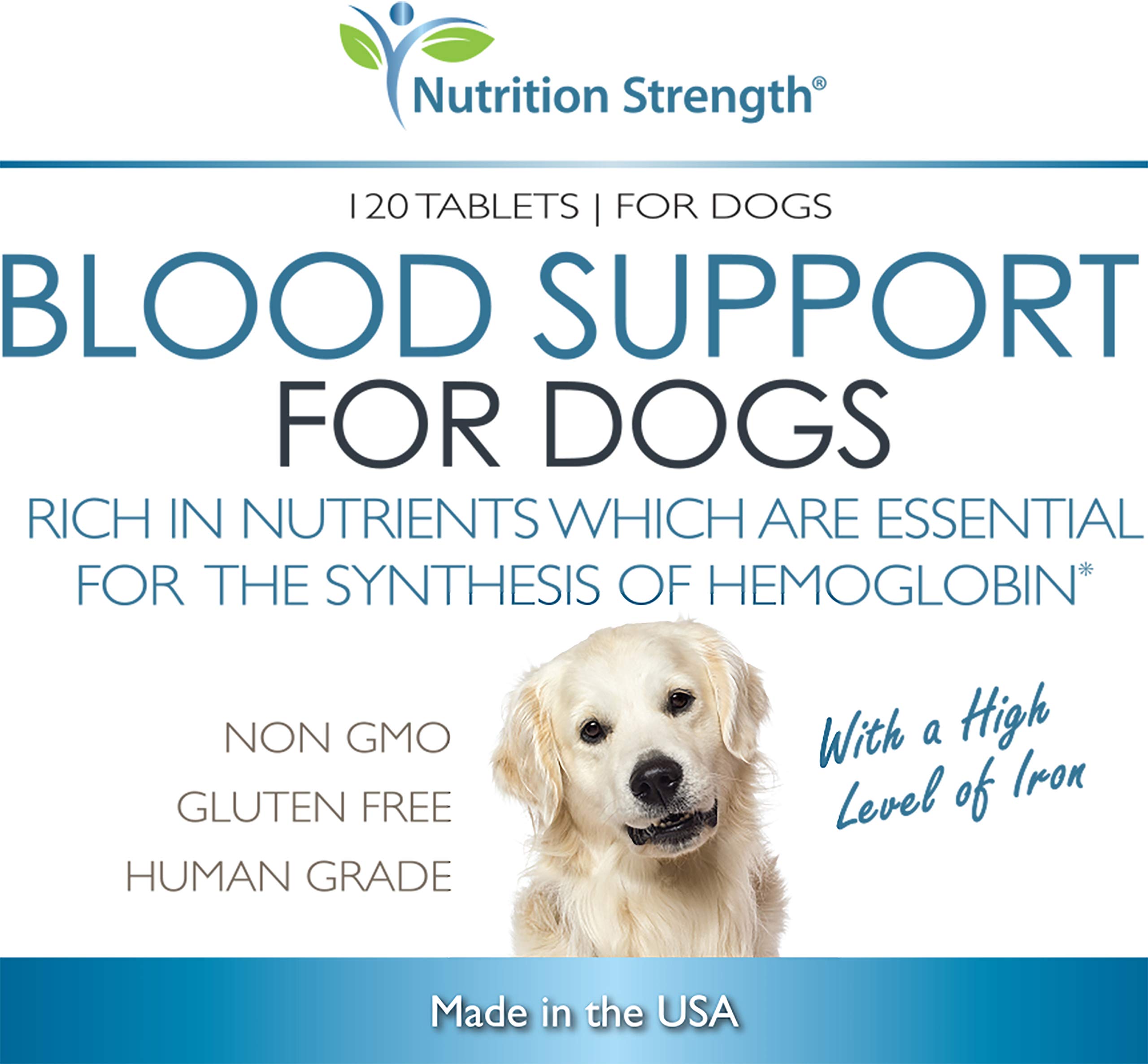
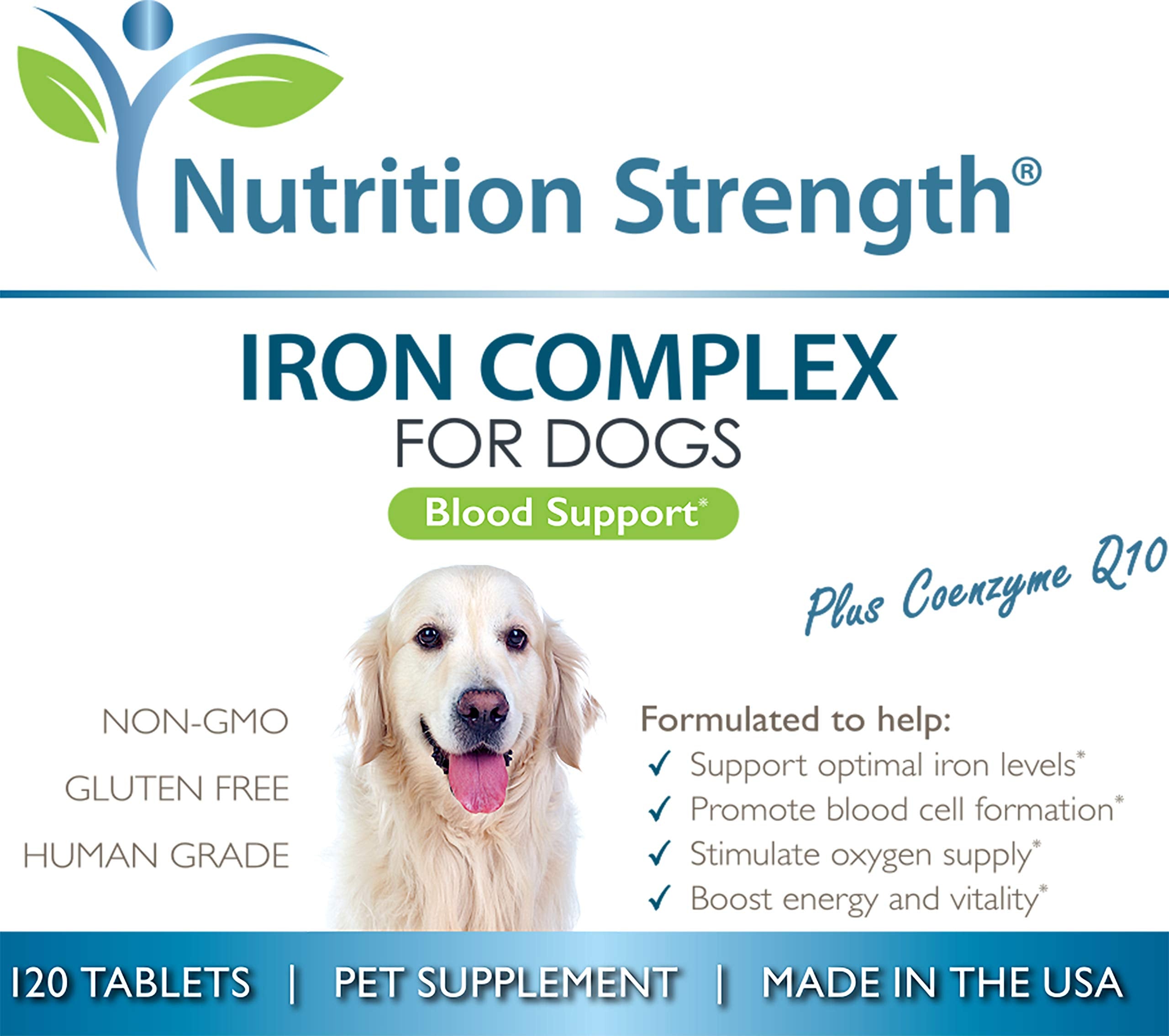
- Consider Targeted Supplements: For dogs with specific needs or deficiencies, veterinarians may recommend “nutrition strength blood support for dogs” supplements. These often contain a concentrated blend of iron, B vitamins, copper, and other co-factors designed to bolster blood health. It is imperative to consult a veterinarian before introducing any new supplement.
- Ensure Adequate Hydration: Consistent access to fresh, clean water is fundamental for all bodily functions, including blood circulation and kidney health, which indirectly supports blood production.
- Implement Regular Parasite Control: A robust parasite prevention program (fleas, ticks, and intestinal worms) is crucial, as these can cause significant blood loss and nutrient drain, directly undermining efforts for nutrition strength blood support for dogs.
- Manage Stress and Provide Moderate Exercise: A calm environment reduces physiological stress. Regular, appropriate exercise promotes healthy circulation and overall vitality, contributing positively to a dog’s systemic health.
When Professional Help May Be Needed
While dietary adjustments and attentive care play a vital role in providing nutrition strength blood support for dogs, there are distinct situations where veterinary consultation is not just recommended but essential. Recognizing these instances can prevent the progression of serious health issues and ensure a dog receives the most appropriate care.
- Persistent or Worsening Symptoms: If a dog exhibits any of the previously mentioned signs (lethargy, pale gums, decreased appetite) that persist for more than a few days, or if symptoms worsen despite initial dietary changes, immediate veterinary attention is warranted.
- Sudden Onset of Severe Symptoms: A sudden and dramatic decline in energy, extreme paleness, or difficulty breathing requires an emergency veterinary visit. These could indicate acute blood loss or a severe underlying condition.
- Suspected Underlying Medical Conditions: Many blood-related issues, such as various forms of anemia, organ dysfunction, or autoimmune diseases, require specific diagnostic tests and medical treatments beyond nutritional support. A veterinarian can perform blood tests (like a complete blood count – CBC) to identify the exact cause.
- Before Starting Supplements: While “nutrition strength blood support for dogs” supplements can be beneficial, their use should always be guided by a veterinarian. Excessive supplementation of certain nutrients, like iron, can be toxic. A professional can assess a dog’s specific needs, recommend appropriate products, and establish correct dosages, especially for dogs with pre-existing conditions or those on other medications.
- Regular Health Check-ups: Routine veterinary examinations, which often include blood work, are crucial for monitoring a dog’s overall health and detecting potential blood-related issues before they become severe. This proactive approach allows for early intervention and tailored nutrition strength blood support for dogs.
Conclusion
The importance of “nutrition strength blood support for dogs” cannot be overstated for maintaining a dog’s optimal health and vitality. A robust and healthy blood system is fundamental to energy levels, immune function, and overall well-being. By understanding the common causes of compromised blood health, recognizing observable signs and symptoms, and implementing practical management strategies, pet owners can significantly impact their dog’s quality of life. From providing a high-quality, nutrient-rich diet to considering targeted supplements under professional guidance, each step contributes to strengthening a canine companion’s internal resilience. Ultimately, a proactive approach to nutrition strength blood support for dogs, coupled with attentive observation and timely veterinary care, ensures dogs lead healthier, more energetic, and more fulfilling lives.
Pet Care & Wellness Overview Table
| Life Stage | Daily Activity Level | Key Nutrition / Care Focus |
|---|---|---|
| Puppy / Kitten | High (frequent short bursts) | High-protein growth diet & early socialization |
| Adult Companion | Moderate (30–60 mins daily) | Balanced maintenance nutrition & dental hygiene |
| Senior Pets | Low to Gentle (mindful walks) | Joint support (Glucosamine) & routine vet checks |
Images References




For more expert pet care tips and advice, check out our dedicated Dog Nutrition guides to keep your companions healthy and happy.




